Understanding Renault Twingo dashboard warning lights is crucial for preventing mechanical failures and ensuring safety. Immediate response to red alerts can prevent breakdowns, while amber/green indicators help maintain optimal performance.
Quick Navigation
Red Warning Lights (Stop Immediately)
Brake System Alert
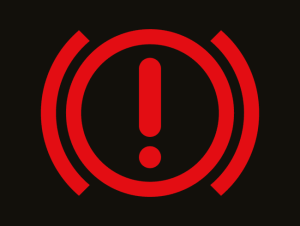
Low brake fluid or hydraulic failure. Park immediately and avoid driving until serviced.
Low Oil Pressure
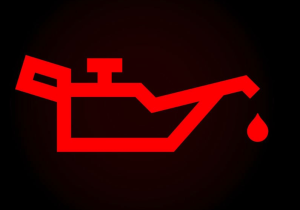
Critically low oil level or pump malfunction. Stop the engine and check oil immediately.
Engine Overheating
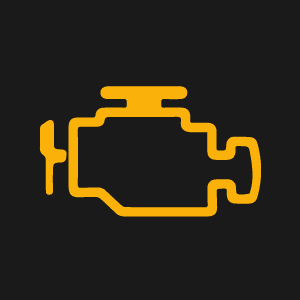
Coolant temperature is critically high. Turn off the engine and check coolant level.
Airbag System Fault
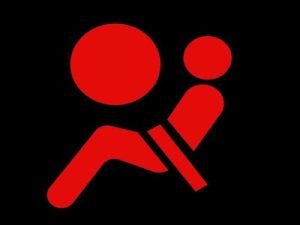
Airbag sensors or connectors disrupted. Seek immediate service to restore safety.
Power Steering Failure
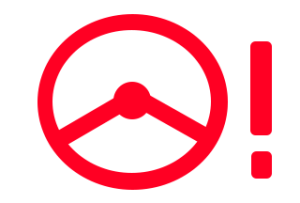
Steering system malfunction. Restart the vehicle; if persistent, avoid driving.
Coolant Level Warning
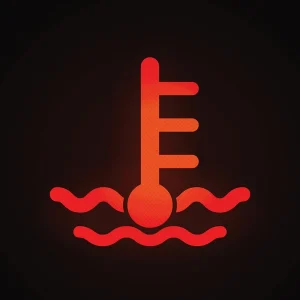
Low coolant. Refill promptly to avoid engine damage.
Security Alert
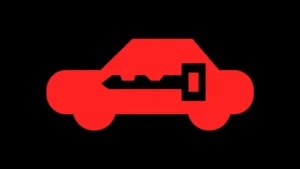
Anti-theft system error. Check key or sensor interference.
ABS Malfunction
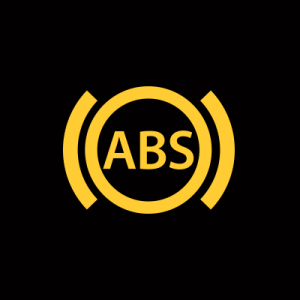
Anti-lock braking system failure. Drive cautiously and service immediately.
Door Ajar
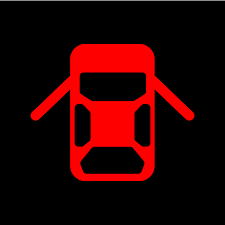
Door or trunk not fully closed. Secure properly to prevent accidents.
Seat Belt Reminder
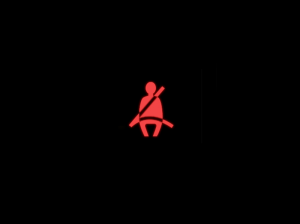
Driver/passenger was unbuckled. Fasten immediately for safety.
Transmission Fault
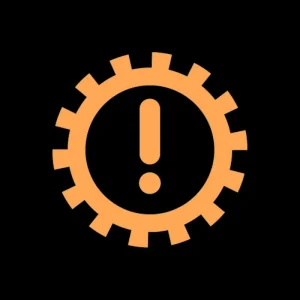
Gearbox malfunction. Stop driving to prevent further damage.
Tire Pressure (Rapid Loss)
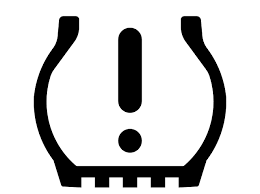
Fast air leakage detected. Check for punctures and inflate.
Battery Charge Warning
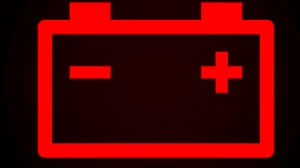
Faulty alternator or electrical connection. Stop driving to prevent stalling.
Glow Plug Failure (Diesel)
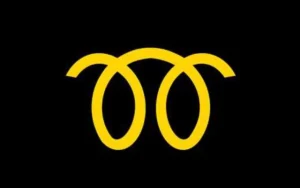
Cold-start system malfunction. Service glow plugs to prevent ignition issues.
Yellow/Amber Warning Lights (Action Required Soon)
ESC/ESP Off
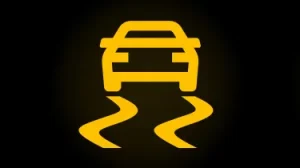
Stability/traction control disabled. Reactivate systems or service.
Low Washer Fluid
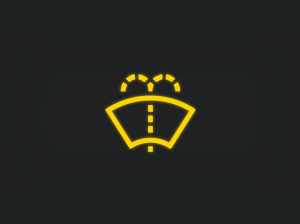
Windshield fluid reservoir low. Refill for clear visibility.
Service Due
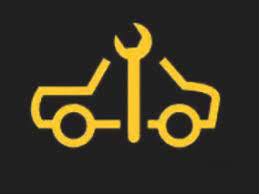
Routine maintenance overdue. Schedule inspection.
DPF Alert
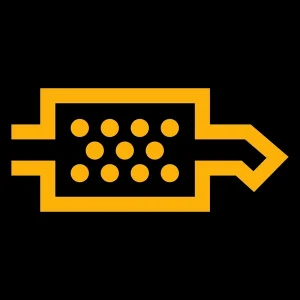
Clogged diesel particulate filter. Drive at highway speeds to regenerate.
Keyless Access Fault
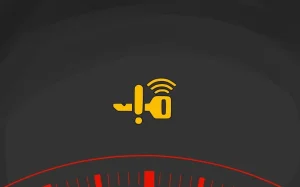
Smart key not detected. Replace battery or reposition key.
Blind Spot Monitoring Off
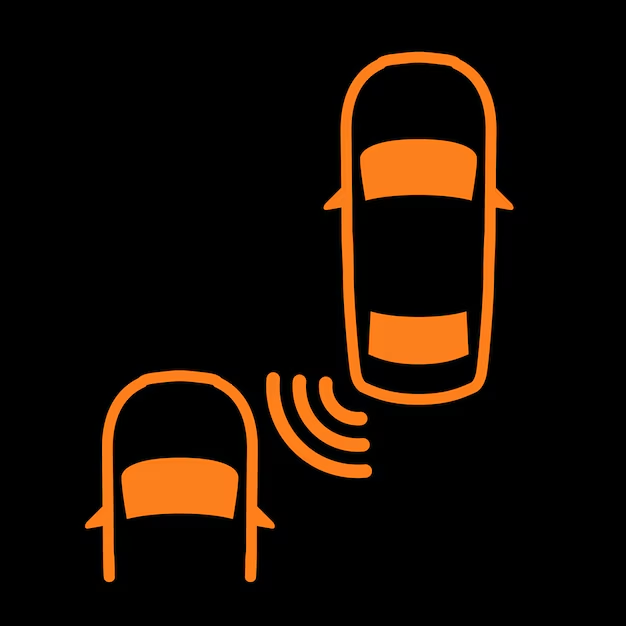
Sensors obstructed or malfunctioning. Clean or service.
Lane Departure Warning
System error or blocked sensors. Clean windshield camera.
Low Fuel
Fuel level critically low. Refuel promptly.
Bulb Failure
Exterior light malfunction. Replace bulb to maintain visibility.
Overdrive Off
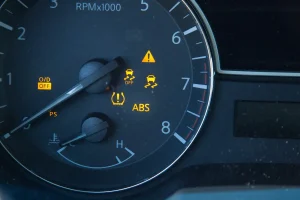
Transmission not shifting optimally. Check settings or service.
Fuel Cap Warning
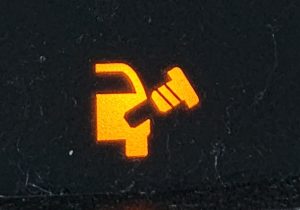
Loose, missing, or faulty fuel cap. Tighten or replace to avoid emissions issues.
Hybrid Power Limitation
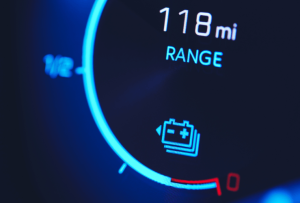
Hybrid system low on power (hybrid models). Test batteries or recharge.
Electronic Throttle Control
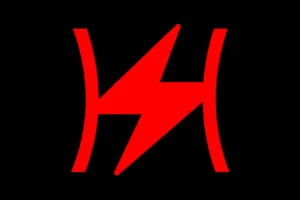
Throttle system malfunction. Restart the vehicle; if persistent, seek service.
Green Warning Lights (Information Only)
Cruise Control Active
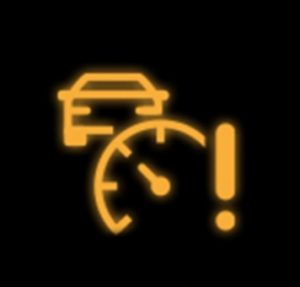
Speed set and maintained. Deactivate when not needed.
ECO Mode Active
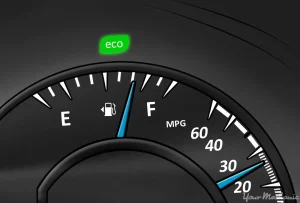
Fuel-efficient driving enabled. No action required.
Turn Signals
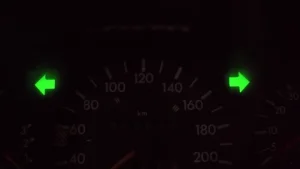
Blinkers in use. Cancel after lane changes.
High Beam Indicator
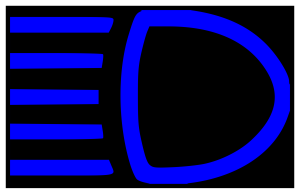
Headlights on high beam. Switch to low beam in traffic.
Parking Lights On
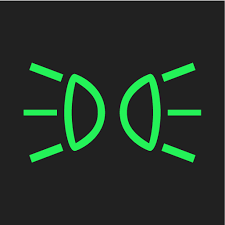
Parking lights engaged. Switch to auto mode if available.
Fog Lights On
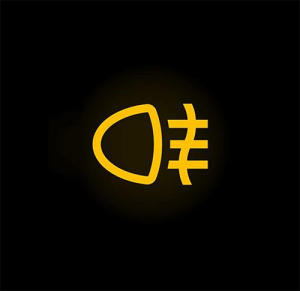
Front/rear fog lights active. Turn off in clear conditions.
4×4 Engaged
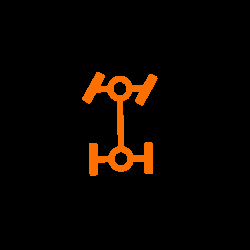
All-wheel drive system active. Ideal for slippery surfaces.
Ready Indicator
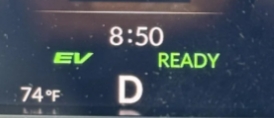
Vehicle powered on. Normal operation.
Auto Hold Active
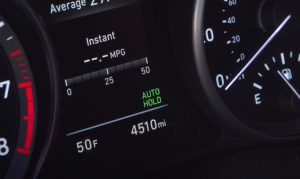
Brakes automatically hold at stops. Release via accelerator.
Gear Indicator
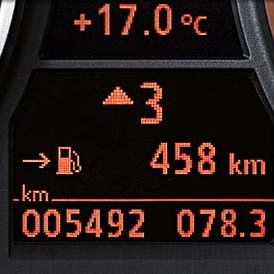
Current transmission gear shown. Automatic mode requires no input.
Start/Stop System
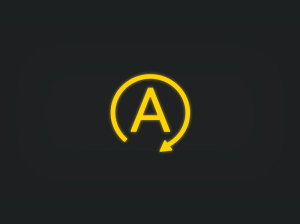
Engine off at stops. Functioning normally.
Navigation Guidance
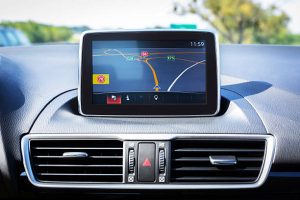
Route directions displayed. Follow prompts or mute.
When looking at Renault, make sure to check out our guides on models like the Renault Trafic, Renault Zoe, Renault Master, and Renault Captur. Understanding dashboard warning lights is essential. Our expert reviews break down what each light means, highlighting common alerts for these models and what they could signal about underlying issues, so you’re never left guessing behind the wheel.

