Understanding dashboard warning lights in your Opel Agila is essential for keeping you safe on the road, as they alert you to potential issues that could lead to accidents or breakdowns.
Ignoring them might result in costly repairs or vehicle damage, so familiarizing yourself with these symbols helps maintain your car’s health and ensures timely action. This guide covers major lights categorized by color, based on standard Opel/Vauxhall systems, to promote safe driving and proactive maintenance.
Quick Navigation
Red Warning Lights (Stop Immediately)
These indicate serious problems that require you to pull over safely right away to avoid danger or further damage.
Engine Oil Pressure
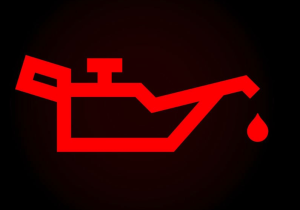
Low oil pressure can cause engine overheating or failure. Stop the car, turn off the engine, check oil level, and add if needed; do not drive until fixed.
Brake System Alert
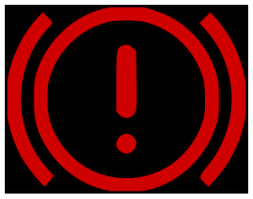
Brake fluid is low or there’s a hydraulic issue. Pull over safely, check fluid level, and call a mechanic immediately.
Battery Charge
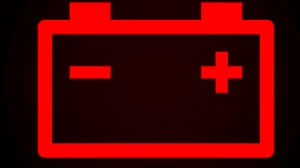
The battery isn’t charging properly, possibly due to alternator failure. Stop driving, turn off non-essential electrics, and seek help to avoid stranding.
Coolant Temperature
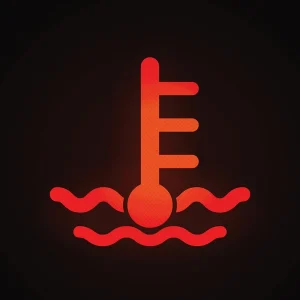
Engine coolant is too hot or low, risking overheating. Stop immediately, let the engine cool, check coolant level, and top up if safe.
Power Steering Failure

Power steering system has a fault, making steering hard. Pull over, restart the car to check if it resets; if not, get professional assistance.
Airbag System

Airbag or belt tensioner malfunction, meaning they might not deploy in a crash. Stop and have the system inspected at a service center right away.
Seatbelt Reminder

A seatbelt is unbuckled while driving. Stop and ensure all passengers buckle up before continuing.
Door Ajar
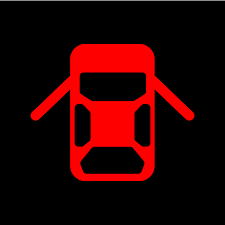
A door, bonnet, or boot is not fully closed. Pull over, check and secure all openings to prevent accidents.
ABS Fault
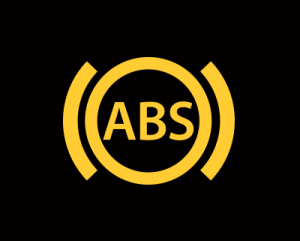
Anti-lock braking system is not working, increasing skid risk. Stop safely and have brakes checked urgently.
Transmission Overheat
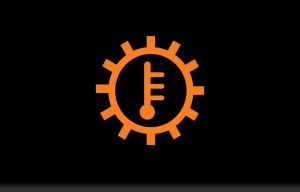
Transmission fluid is too hot, possibly from heavy load. Stop, let it cool, and visit a mechanic if it persists.
Low Brake Fluid

Brake fluid level is critically low. Pull over, check for leaks, and refill; do not drive without inspection.
Engine Overheat
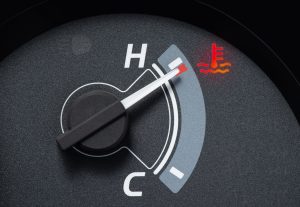
Engine temperature is dangerously high. Stop immediately, turn off the engine, and allow cooling before checking coolant.
Steering Lock
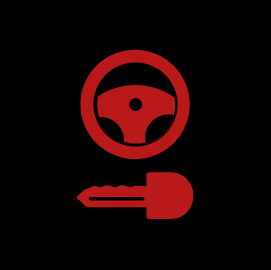
Steering system is locked or faulty. Stop the vehicle and attempt to restart; seek help if unresolved.
Yellow/Amber Warning Lights (Action Required Soon)
These signal issues that need attention in the near future, but you can usually drive to a safe spot or service center.
Check Engine
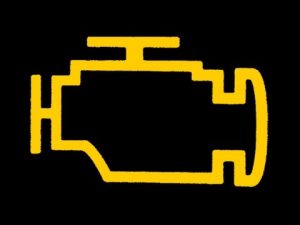
Engine management issue, like sensor fault or emissions problem. Drive carefully, reduce speed, and get a diagnostic check soon.
Tyre Pressure Monitoring
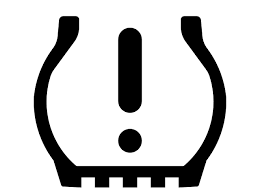
One or more tyres have low pressure, affecting handling. Check and inflate tyres to recommended levels at the next stop.
ESP Off
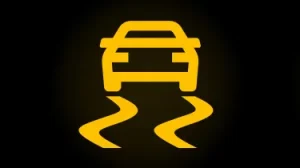
Electronic stability program is deactivated or faulty, reducing traction control. Reactivate if possible and have it serviced.
Glow Plug

For diesel models, glow plugs are preheating or faulty. Wait for light to go off before starting; if persistent, check plugs.
DPF Filter
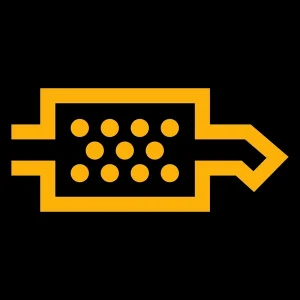
Diesel particulate filter is clogged, increasing emissions. Drive at higher speeds to regenerate or visit a mechanic.
Brake Pad Wear

Brake pads are worn thin. Schedule a replacement to avoid reduced braking efficiency.
Coolant Level Low
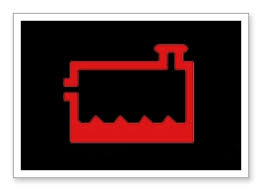
Coolant is below normal, risking future overheating. Top up coolant at next opportunity and check for leaks.
Transmission Fault

Transmission electronics issue, possibly causing rough shifts. Drive gently and have it inspected promptly.
Fuel Filter Water
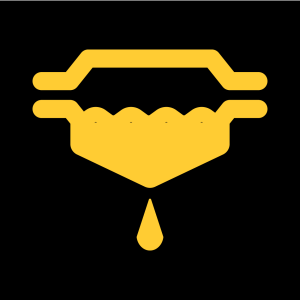
Water in fuel filter, common in diesels. Drain water or replace filter to avoid engine issues.
Lane Departure
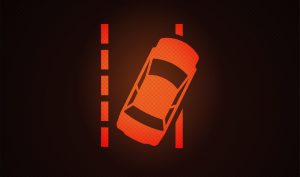
System detects drifting; it’s a reminder to stay in lane. Check if active and adjust driving.
Green Lights (Information Only)
These confirm systems are active or working normally, with no action needed unless they behave unusually.
Front Fog Lights

Front fog lights are on for better visibility in poor weather. No action; turn off when not needed.
Rear Fog Lights
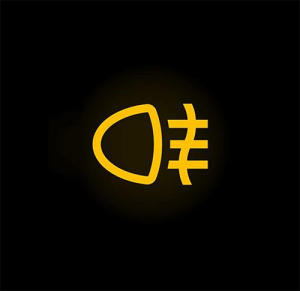
Rear fog lights are activated to alert following vehicles. Switch off in clear conditions to avoid dazzling.
High Beam

Headlights are on high beam. Adjust to low beam when oncoming traffic appears.
Sidelights

Side or parking lights are on. Normal for low-light driving; no issue.
Turn Signal
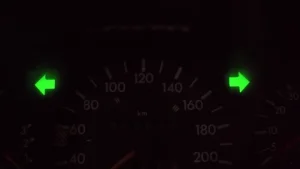
Indicators or hazard lights are flashing. Confirms direction signals are working.
Cruise Control
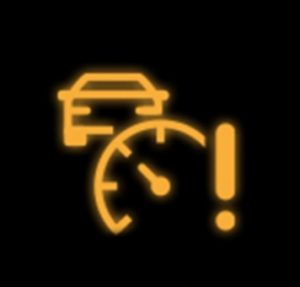
Cruise control is engaged, maintaining set speed. Adjust or disengage as needed.
Eco Mode
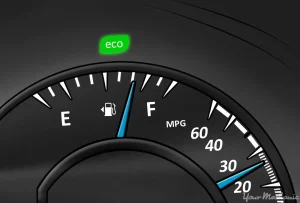
Fuel-saving eco mode is active, optimizing efficiency. Switch off for more power if desired.
Descent Control

Hill descent control is ready or active for steep slopes. Use in off-road conditions.
Daytime Running Lights
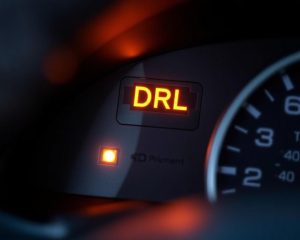
Automatic daytime lights are on for visibility. Standard operation; no action.
Automatic Headlights
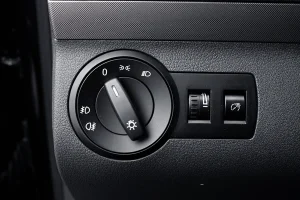
Headlights have auto-activated based on light conditions. Normal feature.
Rear Window Defrost
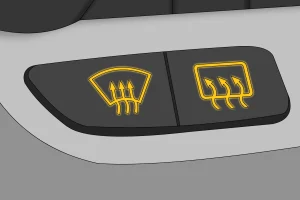
Defroster is clearing rear window mist. Turns off automatically after use.
Child Safety Lock
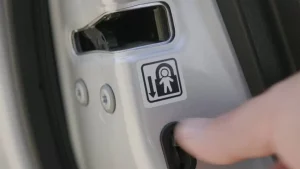
Child locks are engaged on rear doors. Deactivate when not needed for passengers.
When looking at Opel, make sure to check out our guides on models like the Opel Insignia, Opel Vectra, Opel Corsa, and Opel Astra. Understanding dashboard warning lights is essential. Our expert reviews break down what each light means, highlighting common alerts for these models and what they could signal about underlying issues, so you’re never left guessing behind the wheel.