You don’t need aftermarket devices to keep your Subaru’s auto start/stop off—newer models with Driver Recognition let you set it via profile updates. You’ll confirm the change each startup, but it defaults to your preference. Discover how this curbs AC disruptions and starter wear without voiding warranties.
Quick Navigation
Key Takeaways
- Subaru auto start/stop defaults to on each ignition, requiring manual deactivation via button.
- Press the auto start/stop button on dashboard to temporarily disable for current drive cycle.
- Frequent cycling causes restart lag, disrupting AC and reducing cabin comfort.
- Aftermarket devices like Autostop Eliminator permanently keep it off without warranty issues.
- Verify device compatibility for 2019+ Subaru models before purchase under $30 on Amazon.
Why Subaru’s Auto Start/Stop Defaults On
Because regulators and fleet-efficiency targets reward lower idling emissions, Subaru configures Auto Start/Stop to default to on at each ignition cycle to maximize real-world fuel savings and emissions reductions.
You must manually deactivate it every time you start your vehicle, as it resets automatically. This prioritizes compliance over driver preferences, despite Subaru feedback highlighting frustrations with reduced AC effectiveness, battery wear, and constant toggling.
You’ll notice performance dips during idle, yet Subaru sticks to this for efficiency gains after 7-10 seconds of stoppage.
How Auto Start/Stop Affects Your Forester’s AC and Comfort
Your Subaru Forester’s auto start/stop disrupts AC cooling by shutting off the engine at stops, leaving you with insufficient cooling until it restarts.
Engine restart delays reset the system each time, causing temporary AC power loss and uneven cabin temperatures that drop your comfort level in hot weather or traffic.
Frequent cycling also strains AC components, reducing efficiency and raising long-term repair risks.
AC Cooling Disruption
Auto start/stop disrupts your Forester’s AC cooling by shutting off the engine at stops, halting cold air flow until it restarts—especially noticeable in hot weather or stop-and-go traffic.
You’ll experience inconsistent cabin temperatures and delayed cooling response because the compressor’s effective operation drops when the engine cycles off, undermining comfort expectations and user experience.
Frequent restarts can cause short-term power fluctuations that reduce AC efficiency and worsen perceived performance. That inconsistency can leave passengers uncomfortable during prolonged idling or traffic.
If consistent climate control is a priority, consider disabling auto start/stop or using settings that minimize its engagement.
Engine Restart Delays
- Repeated starts accelerate spark plug and battery wear.
- Restart lag reduces immediate AC output and cabin cooling.
- Manual disabling often aligns with owner user preferences.
- Increased oil/top-up frequency can follow frequent cycling.
Comfort Level Drops
| Issue | Effect |
|---|---|
| AC interruption | Temperature drift |
| Compressor lag | Reduced output |
| Frequent restarts | Uneven cabin temps |
| Reset each start | Manual disable needed |
| Passenger comfort | Diminished |
Mechanical Wear: Spark Plugs, Starters, and Oil Considerations
- Monitor spark plug intervals and use OEM-specified parts.
- Use starter-rated diagnostics often.
- Follow tighter oil service schedules.
- Track battery health proactively.
Battery and Electrical System Impacts From Frequent Restarting
Frequent auto start/stop cycles put extra cycling stress on your battery and charging system, so you’ll see accelerated battery wear and a higher likelihood of premature replacement compared with conventional driving patterns.
You should expect reduced battery lifespan from increased depth-of-discharge cycles and higher charge–discharge frequency, which raises replacement costs.
Electrical strain from repeated restarts also stresses the alternator and wiring, increasing failure risk and maintenance frequency.
Plan for higher-spec batteries and more rigorous inspection intervals, and consider upgraded charging components if you routinely drive in stop-and-go conditions to mitigate accelerated degradation.
Legal and Warranty Considerations for Disabling Auto Start/Stop
Disabling Subaru’s auto start/stop with aftermarket devices generally doesn’t void your warranty, as it doesn’t modify core vehicle systems.
You should still confirm warranty implications with your dealer before installing any device to verify coverage isn’t questioned by service technicians.
Legal compliance matters if the change affects emissions systems or inspections; some jurisdictions treat defeat devices differently and may restrict modifications that alter certified emissions performance.
- Ask the dealer for written guidance on warranty implications.
- Verify local laws on emissions and disclosure at sale.
- Keep original settings and installation records.
- Use compliant devices that don’t alter emissions.
Aftermarket Devices That Keep Auto Start/Stop Disabled
You can buy inexpensive plug‑in modules that keep Subaru’s auto start/stop turned off by default and recall that setting each time you start the car.
These aftermarket units typically install without dash removal by tapping the wiring near the fuse area or under the vehicle and are aimed at quick DIY fitment.
Many owners report long‑term reliability and appreciate not having to manually disable the system on every drive.
Affordable Device Options
Affordable aftermarket devices under $30 permanently disable your Subaru’s auto start/stop feature without manual resets each drive.
These plug-and-play options suit your 2023 Forester and 5th-gen models from 2019, requiring no dash removal—just an 8mm nut driver.
- Easy install: Plug into the overhead console harness in minutes.
- Device effectiveness: Memorizes your off preference across starts, emissions-compliant.
- User experiences: Owners report flawless long-term performance, no side effects.
- Warranty-safe: Maintains remote start, reversible via dash button.
Simple Installation Methods
Install aftermarket start/stop eliminators on your 2023 Forester by accessing the fuse panel cover—pop it off without tools—then pinch and slide out the factory connector behind it.
You’ll plug the inline harness into that connector or route the module under the dash or seat, secure it with a zip tie, and tuck wiring out of the way for a clean install.
Installation tips: use gloves, avoid sharp edges, and test before reassembly.
User experiences report sub-$30 modules, straightforward installs without dash removal, and long-term reliability with no periodic readjustments required.
Installation Options: Fuse Box vs. Underbody Access
- fuse installation: fast, minimal tools, user-friendly
- underbody access: hidden, requires lift or ramps
- No dash removal needed
- Compatible with 2019–2023+ models
Model Compatibility: Forester, Outback, and Other Subarus
The reset device works seamlessly on 2019+ Subaru Forester models, where the auto start/stop resets on every ignition cycle, frustrating daily drivers.
Outback owners report similar annoyances and seek permanent disables, confirming compatibility across these lines.
You’ll eliminate manual toggles on forester features with this under-$30 plug-in, proven on 2023 Foresters and effective long-term without adjustments.
Outback solutions extend to it too, as owners demand reliable fixes for resetting systems.
Access via fuse box or underbody suits all, ensuring broad Subaru model compatibility without dash disassembly.
Real-World User Reports and Long-Term Reliability
Users report your device’s enduring performance over extended periods, eliminating the need to reset auto start/stop each ignition.
You’ll find installation straightforward without dash panel removal, and Forester owners praise the sustained reliability that matches Subaru’s engineering improvements for starters and batteries.
Many appreciate this while keeping manual controls handy for occasional use.
Enduring Performance Reports
User experiences highlight its enduring reliability, especially for Subaru Forester owners frustrated by auto start/stop disruptions.
- Seamless convenience: You’ll skip manual resets every drive, enhancing your daily experience.
- Easy installs: Access via fuse area or undercarriage—no dash panels to remove.
- Device comparisons: Outperforms temporary toggles, retaining your preference permanently.
- Proven longevity: Many report zero issues years later, smoothing your rides.
This boosts satisfaction without engineering compromises.
Extended Usage Outcomes
Real-world reports confirm the start/stop eliminator delivers long-term reliability in Subarus, with users noting zero adjustments or resets needed years after install.
You’ll enjoy user preferences for permanent disablement, eliminating manual toggles each drive and boosting your experience.
The device effectiveness shines in real-world use: it memorizes your off setting without impacting remote start, warranty, or other functions.
Owners report seamless integration, affordability, and easy plug-and-play setup, ditching factory frustrations for good.
Sustained Reliability Accounts
Subaru owners consistently report the autostop eliminator’s sustained reliability, as it prevents auto start/stop resets across countless ignition cycles without needing adjustments years post-install.
You’ll notice consistent long term durability in real-world use, with user testimonials confirming no recalibration is required and improved daily convenience.
Many users cite reduced battery stress and stabilized vehicle behavior after installation. Installation is straightforward and typically plug-and-play, so you’ll get immediate, lasting results.
- Long term durability proven by multiple owners’ reports.
- User testimonials emphasize no-followup adjustments.
- Convenience of automatic disablement every drive.
- Fewer battery and performance complaints after install.
Pros and Cons: Convenience Versus Manufacturer Intent
Although the auto start/stop aims to cut fuel use and emissions, it forces you to choose between environmental intent and everyday convenience.
In your 2023 Forester, it resets every start, ignoring your user preferences for a seamless drive and amplifying frustration over manual toggles.
While its environmental impact reduces idling waste, you face constant inconvenience from this manufacturer design.
Owners criticize it for disrupting consistency, sparking debates on eco-regulations versus real-world needs.
For under $30, a device permanently disables it, letting you prioritize convenience without resets.
How to Choose the Right Disable Device (Features to Look For)
- Select model-specific options like Autostop Eliminator for Forester (2019+), verified effective without vehicle programming changes.
- Confirm automatic disabling on every start, eliminating manual resets, with positive reliability feedback.
- Choose hassle-free installs using basic tools, praised for simplicity and no warranty issues.
- Target affordable picks under $30 that maintain remote start and user preferences long-term.
Where to Buy, Price Expectations, and Installation Tips
Shopping is simple: you can buy a model-specific Auto Stop Eliminator (compatible with 2019+ Forester and similar Outback/Crosstrek harnesses) from major retailers like Amazon for under $30, and most listings note plug-and-play compatibility without programming changes.
You’ll find options that plug into the fuse area or undercarriage connectors; installation usually requires no dash panel removal. Expect low cost, fast install, and long-term effectiveness—users report it holds settings so you don’t re-disable at every start.
Address disabling misconceptions and feature debates by verifying model compatibility and reading harness diagrams; choose reputable sellers and check return policies.
Frequently Asked Questions
How Do I Reset My Start Stop System?
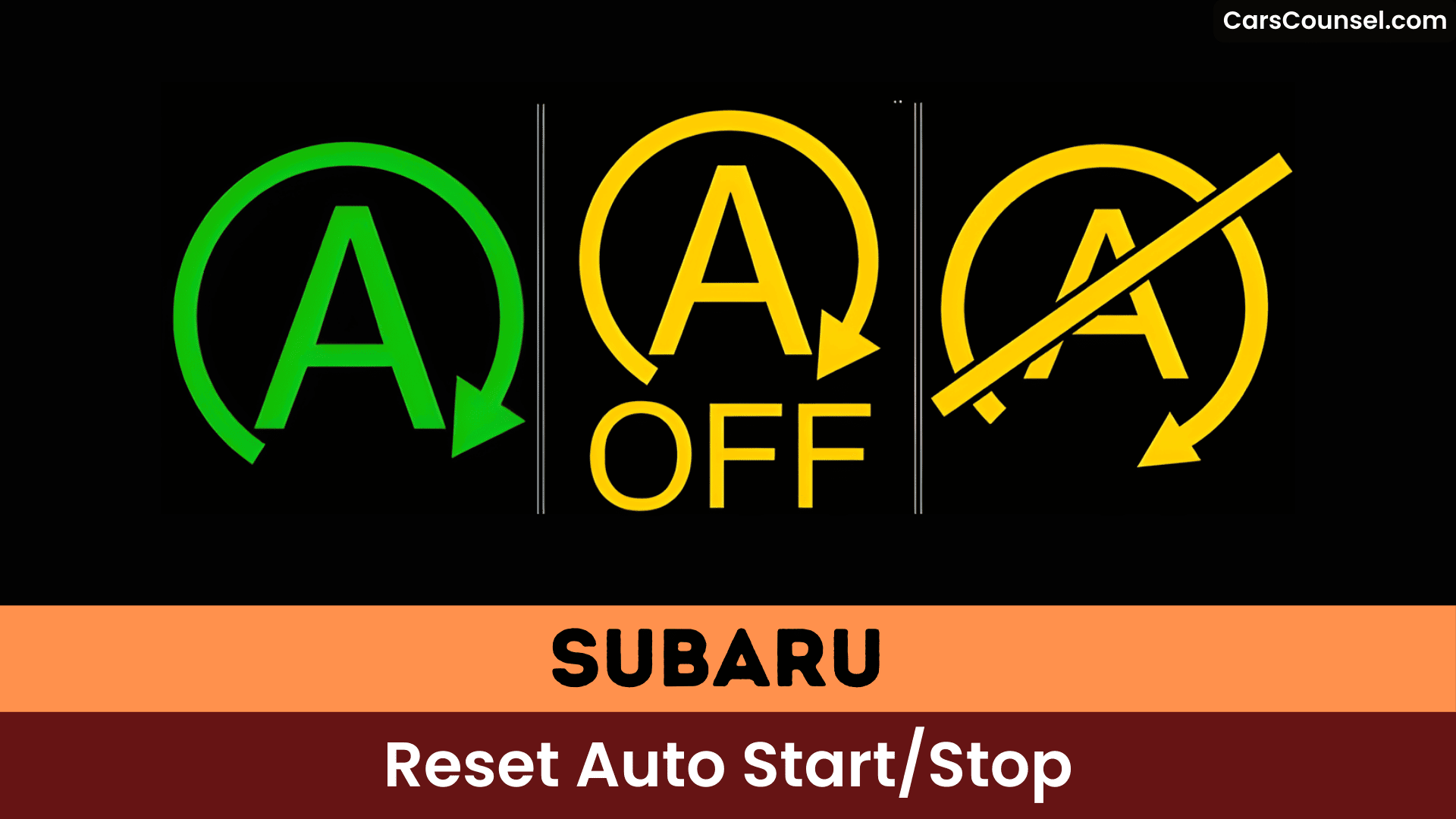
Restart the engine to reset the start stop system; press the Auto Start/Stop OFF button to disable it for that drive, then monitor system maintenance needs like battery and A/C wear to preserve start stop benefits.
Why Is My Subaru Auto Start-Stop Not Working?
Your Subaru’s Auto Start-Stop may not work because the system disables for low/weak battery, engine not at operating temperature, high accessory load (A/C), fault codes/ABS sensors, or incline detection—follow Subaru troubleshooting tips and weigh Auto start stop benefits.
Can You Turn off Auto Start-Stop on Subaru?
Yes — you can turn off Subaru’s auto start stop; Subaru features let you disable it per ignition, and third‑party modules permanently suppress auto start stop so your preference stays off after restart, without dash removal.
Why Is My Auto Stop Start Not Activating?
Your auto stop start isn’t activating due to issues like weak battery, low fuel, cold engine, steep inclines, ABS faults, check engine lights, high AC demand, or extreme temps—check these first.
Conclusion
You access Subaru’s Driver Recognition System to request settings updates, where your face scan coincides with auto start/stop off and auto vehicle hold on preferences loading automatically. This built-in workaround overrides defaults without aftermarket devices, preserving AC comfort, reducing starter wear, and maintaining warranty compliance. You’ll drive seamlessly, hitting “okay” once as profiles align your choices with every ignition.

