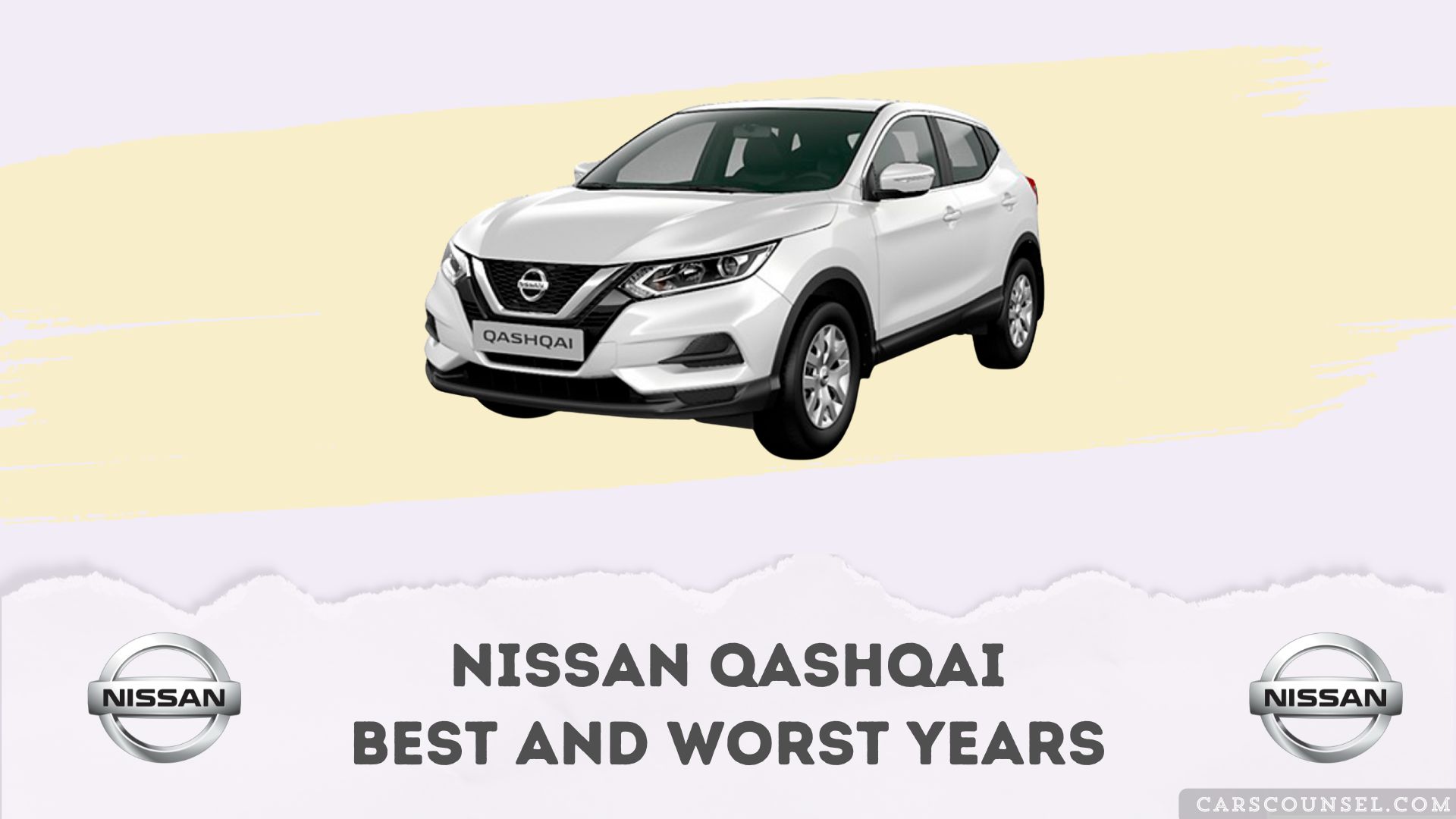
The best Nissan Qashqai years are 2010-2013 and 2019-2021. Avoid 2007-2009 models with steering recalls and 2014-2018 versions equipped with the 1.2 DIG-T engine.
These rankings compare relative reliability within the Qashqai lineup. No model year is flawless. Maintenance history and pre-purchase inspection significantly impact ownership outcomes.
Reliability varies by engine and transmission. Diesel models used for short trips face DPF risks. Petrol 1.2 DIG-T engines from 2014-2018 carry timing chain concerns. Verify configuration-specific history.
Quick Navigation
Best and Worst Nissan Qashqai Years at a Glance
| Model Year | Verdict | Main Reason | Buyer Guidance |
|---|---|---|---|
| 2021-2023 | Too New to Judge | Limited long-term data | Monitor as evidence develops |
| 2019-2021 | Best Late-Generation Choice | Refined second-generation platform | Verify service history and recalls |
| 2017-2018 | Approach Carefully | 1.2 DIG-T timing chain risk | Inspect cold-start behavior thoroughly |
| 2014-2016 | Approach Carefully | Early second-generation issues | Avoid 1.2 DIG-T petrol engines |
| 2010-2013 | Best Older Choice | Post-facelift reliability improvements | Confirm steering recall completion |
| 2007-2009 | Avoid | Multiple steering system recalls | High risk of expensive repairs |
Key Takeaways
- Target 2010-2013 or 2019-2021 models for strongest reliability.
- Avoid 2007-2009 first-generation and 2014-2018 1.2 DIG-T petrol engines.
- Diesel models require highway driving to prevent DPF blockages.
- CVT transmissions need regular fluid service to maintain longevity.
- Third-generation 2021+ models lack sufficient long-term ownership data.
- Always verify VIN-specific recall completion before purchase.
How We Evaluated the Nissan Qashqai Model Years
Our analysis reviews official recalls, consumer complaints, powertrain changes, and generation updates. We assess severity, recurrence patterns, and repair complexity for each model year.
Consumer complaints indicate reported issues but do not equal confirmed defects or failure rates. A recall does not automatically make a model year unreliable if remedies were applied.
Recent model years have less ownership exposure. Best ratings indicate comparatively stronger evidence, not flawless performance. Maintenance history significantly impacts real-world reliability.
Best Nissan Qashqai Years
2019-2021 Nissan Qashqai
Late second-generation Qashqai models benefit from accumulated refinements. These years avoided the worst timing chain issues affecting earlier 1.2 DIG-T engines.
Standard Apple CarPlay and Android Auto integration improved infotainment reliability. Verify service records for CVT fluid changes on automatic models.
2010-2013 Nissan Qashqai
Post-facelift first-generation models resolved many early production concerns. Interior quality improvements reduced rattles and trim issues common in pre-2010 examples.
Confirm all steering system recall work was completed. Diesel models used primarily for highway driving show better DPF longevity than short-trip vehicles.
Best Year by Buyer Type
Best Older Choice: 2010-2013 models offer mature engineering at accessible prices. Budget for age-related suspension and electrical component inspections.
Best Late-Generation Choice: 2019-2021 models provide updated technology with proven second-generation reliability. Prioritize examples with complete service documentation.
Best Modern Option: 2021+ third-generation models feature hybrid powertrains. Long-term durability evidence remains limited for these newest examples.
Years to Approach Carefully
2017-2018 Nissan Qashqai
These models continued using the 1.2 DIG-T engine with known timing chain tensioner concerns. Listen for rattling noises during cold starts when evaluating examples.
Multiple recalls affected brake lines, door mechanisms, and software systems. Verify all campaign repairs were completed through Nissan service records.
2014-2016 Nissan Qashqai
Early second-generation models experienced the highest concentration of 1.2 DIG-T timing chain failures. Avoid petrol examples unless timing component service is documented.
Diesel variants require careful DPF maintenance history review. Short-trip driving patterns accelerate particulate filter blockage risks on these model years.
Worst Nissan Qashqai Years
2007-2009 Nissan Qashqai
First-production Qashqai models carried nine steering system recalls. Potential steering loss in rare circumstances creates significant safety concerns for these years.
Windscreen seal failures caused water leaks and interior corrosion. Early suspension components showed premature wear compared to later production examples.
Nissan Qashqai Reliability by Generation
First Generation (2006-2013)
The original Qashqai established the compact crossover segment in European markets. Pre-2010 models carried multiple steering and seal recalls requiring verification.
The 2010 facelift improved interior quality and addressed early production concerns. Post-facelift 2010-2013 models represent the most reliable first-generation examples.
Second Generation (2014-2021)
The J11 generation introduced updated styling and technology features. The 1.2 DIG-T petrol engine from 2014-2018 carries documented timing chain tensioner concerns.
Late-production 2019-2021 models benefited from accumulated refinements. These years avoided the worst early second-generation issues while adding modern connectivity features.
Third Generation (2021-Present)
The current J12 generation features mild-hybrid and e-POWER powertrain options. Early reliability indicators are positive but long-term ownership data remains limited.
A 2024 facelift introduced further refinements. Buyers should monitor developing reliability evidence before considering these newest model years for long-term ownership.
Common Nissan Qashqai Problems
Timing Chain Issues (1.2 DIG-T Engine)
The 1.2 DIG-T petrol engine from 2014-2018 models may experience timing chain tensioner wear. Rattling noises on cold starts indicate potential chain concerns requiring inspection.
Repair costs vary significantly by region and service provider. Address symptoms promptly to prevent potential engine damage from chain failure.
Diesel Particulate Filter Concerns
Diesel Qashqai models used primarily for short trips may experience DPF blockage. Highway driving helps maintain proper particulate filter regeneration cycles.
Early diesel variants show higher DPF-related service frequency. Verify maintenance records for recommended cleaning or replacement procedures on higher-mileage examples.
CVT Transmission Considerations
Qashqai models with CVT automatic transmissions require regular fluid service. Jerky acceleration or whining noises may indicate transmission concerns needing professional evaluation.
Proper maintenance significantly impacts CVT longevity. Include transmission fluid changes in scheduled service intervals per manufacturer recommendations.
Steering System Recalls (Early Models)
First-generation 2007-2009 models carried multiple steering component recalls. Verify all campaign repairs were completed through official Nissan service documentation.
Post-recall steering performance should be evaluated during test drives. Any unusual steering feel warrants professional inspection before purchase commitment.
What to Check Before Buying a Used Nissan Qashqai
- Verify VIN-specific recall completion through official Nissan channels.
- Review complete service history for regular oil and fluid changes.
- Test cold-start behavior on 1.2 DIG-T petrol models for timing chain noises.
- Inspect CVT operation for smooth acceleration without shuddering or hesitation.
- Check diesel models for DPF warning lights and regeneration history.
- Examine windscreen seals and interior for water leak evidence on early models.
- Test all infotainment functions including smartphone integration on later models.
- Arrange independent pre-purchase inspection for comprehensive mechanical evaluation.
Related Buying Guides
- Nissan Rogue best and worst years for US-market compact crossover alternatives.
- Nissan Kicks best and worst years for smaller Nissan SUV options.
Frequently Asked Questions
Is the Nissan Qashqai reliable?
Reliability varies significantly by model year and engine. Third-generation 2021+ models show positive early data. Avoid 2014-2018 1.2 DIG-T petrol engines due to timing chain concerns.
What year Nissan Qashqai is most dependable?
The 2019-2021 late second-generation models offer the strongest reliability evidence. The 2010-2013 post-facelift first-generation years also provide good dependability with proper maintenance.
Which Nissan Qashqai years should I avoid?
Avoid 2007-2009 models with steering recalls and 2014-2018 examples equipped with the 1.2 DIG-T petrol engine. Verify configuration-specific history before purchase.
What are common Nissan Qashqai problems?
Timing chain concerns on 1.2 DIG-T engines, DPF issues on short-trip diesel models, CVT maintenance needs, and early steering recalls represent the most frequently reported concerns.
How long can a Nissan Qashqai last?
Well-maintained Qashqai examples can reach high mileage. Longevity depends on service history, driving conditions, engine type, and timely repair of emerging issues.
Are Nissan Qashqai maintenance costs high?
Routine service costs align with compact crossover averages. Major repairs vary by issue and region. Budget for potential timing chain or transmission service on affected configurations.
Which Nissan Qashqai Year Should You Buy?
Target 2010-2013 or 2019-2021 Nissan Qashqai models for the strongest reliability evidence. These years balance mature engineering with fewer documented concerns.
Avoid 2007-2009 first-generation and 2014-2018 1.2 DIG-T petrol examples. Verify all recall work and service history before purchase commitment.
Third-generation 2021+ models show positive early indicators but lack long-term ownership data. Consider waiting for more evidence before prioritizing these newest examples.

