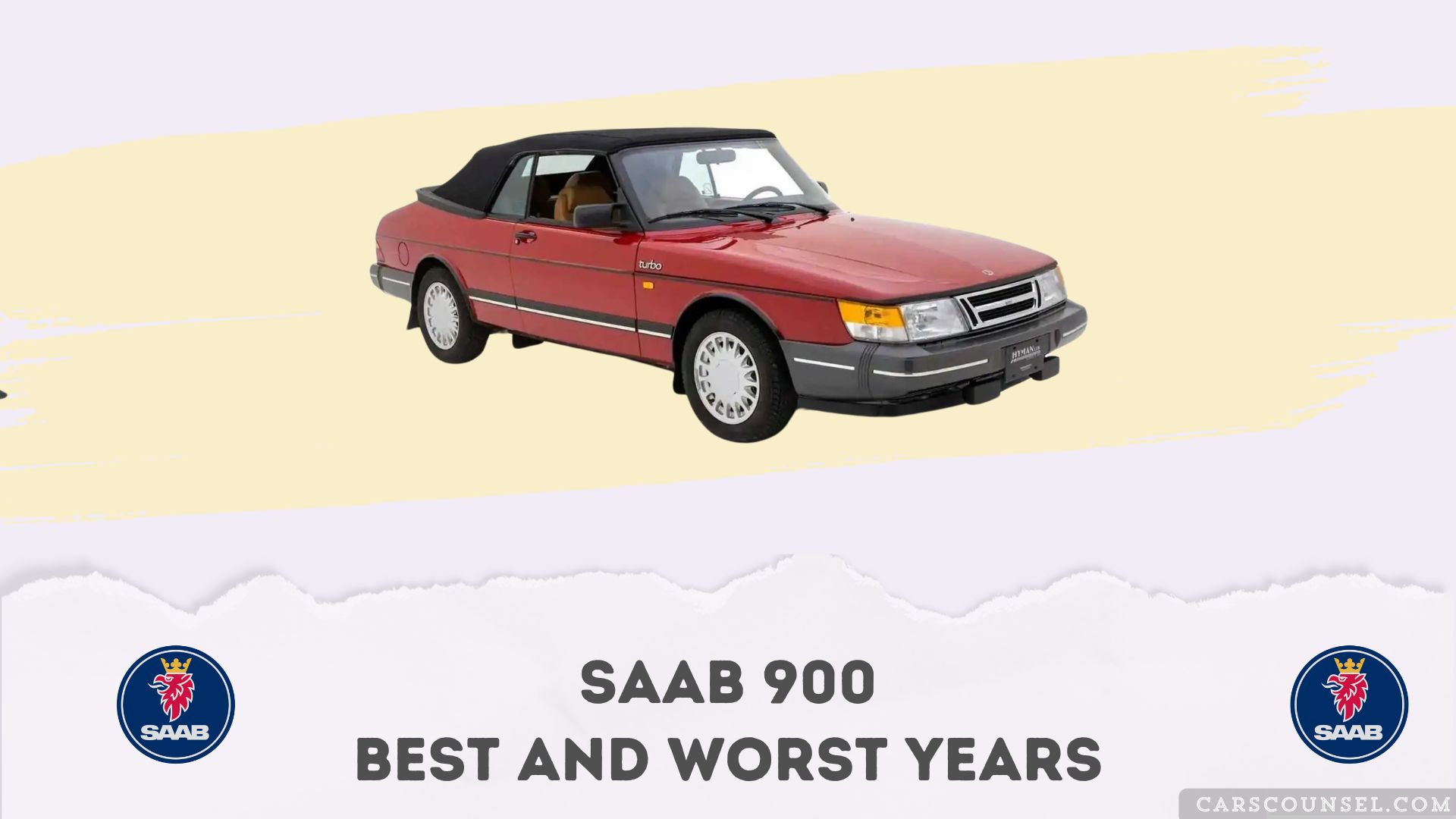
The best Saab 900 years are the 1990–1993 Classic models and the 1998 NG900, which offer refined electronics and stronger drivetrains. Buyers should approach 1979–1988 models carefully due to weaker transmission bearings and significant rust vulnerabilities.
These rankings are comparative, and no vintage Saab is entirely flawless. Long-term reliability depends heavily on rust prevention, meticulous maintenance, and the availability of specialist parts.
Meaningful differences exist between the Classic and NG900 generations. The Classic relies on robust but aging architecture, while the NG900 introduces modernized electronics that require specific diagnostic attention.
Quick Navigation
Best and Worst Saab 900 Years at a Glance
| Model Year or Range | Verdict | Main Reason | Buyer Guidance |
|---|---|---|---|
| 1998 | Best Late-Generation Choice | Final NG900 year with refined electronics | Verify DIC and vacuum lines |
| 1990–1993 | Best Older Choice | Stronger gearboxes and reliable ECUs | Inspect for rust and head gasket seepage |
| 1989 | Good Choice | Upgraded brakes and transmissions | Check pinion bearing whine |
| 1994–1997 | Mixed | NG900 platform with early teething issues | Test SID display and ignition cassette |
| 1979–1988 | Approach Carefully | Weaker early transmissions and high rust risk | Demand thorough structural inspection |
Key Takeaways
- The 1990–1993 Classic 900 models are the most desirable for their stronger gearboxes and reliable engine management.
- The 1998 NG900 represents the most refined version of the second generation before the transition to the 9-3.
- Pre-1989 Classic models require careful inspection for transmission pinion bearing wear and structural rust.
- NG900 buyers must verify the condition of the Direct Ignition Cassette (DIC) and Saab Information Display (SID).
- Condition and maintenance history always outweigh the specific model year when buying a classic Saab.
How We Evaluated the Saab 900 Model Years
When exploring the Saab 900, it is essential to understand which years to focus on and which to approach with caution. Our analysis examines generational shifts, powertrain updates, and long-term ownership patterns.
Consumer reports and enthusiast forums highlight recurring mechanical concerns. However, a single forum complaint does not confirm a model-wide defect, and classic car reliability depends heavily on previous owner care.
Best Saab 900 Years
1990–1993: Best Older Choice
The final years of the Classic 900 benefit from continuous refinement. Saab equipped these models with stronger gearboxes and more reliable Bosch ECUs.
These updates improved daily drivability and reduced the electrical gremlins found in earlier models. Buyers should still prioritize rust-free examples with documented timing chain and head gasket service.
1998: Best Late-Generation Choice
As the final year of the NG900 before it became the 9-3, the 1998 model benefits from resolved early-platform issues. The electronics and engine management systems are more stable than the 1994 launch year.
Buyers should verify that the Direct Ignition Cassette has been replaced recently, as this remains a wear item on all NG900 models.
Best Year by Buyer Type
The 1990–1993 Classic 900 Turbo is the Best Enthusiast Choice, offering the iconic silhouette and analog driving experience collectors desire. The 1998 NG900 is the Best Modern Alternative for buyers wanting classic Saab styling with more reliable daily-driving electronics.
Years to Approach Carefully
1979–1988: Approach Carefully
Early Classic 900 models are highly desirable to collectors but present mechanical challenges. Transmissions from this era are prone to pinion bearing wear, which often manifests as a whine in fifth gear.
Rust is also a severe threat to the front crossmember and suspension mounting points. Purchase only if you have access to a specialist familiar with classic Saab structural repairs.
1994–1997: Mixed
The first four years of the NG900 generation introduced the new GM2900 platform. While the engines are robust, early models suffer from teething issues with vacuum lines and the Saab Information Display.
The pixel fade on the SID screen is a common annoyance, and early Direct Ignition Cassettes were less durable than later revisions.
Saab 900 Reliability by Generation
Classic 900 (1979–1993)
Built on the legendary Saab 99 architecture, the Classic 900 is famous for its canted windshield and hatchback practicality. The 16-valve turbocharger engines are remarkably robust, provided the oil is changed frequently to prevent sludge.
NG900 (1994–1998)
The second generation moved to a generalized platform shared with other European sedans, altering the driving dynamics. While more modern, it introduced complex electronics like the DIC and SID that require specialized diagnostic tools.
Common Saab 900 Problems
Transmission and Drivetrain
Pre-1989 Classic 900 manual transmissions frequently suffer from pinion bearing wear. Automatic gearboxes on both generations are generally reliable but can be expensive to rebuild if neglected.
Ignition and Electrical
The NG900 relies on a Direct Ignition Cassette that sits atop the engine. These units degrade over time and can cause sudden misfires or stalling if not replaced proactively.
Corrosion Problems
Rust is the ultimate enemy of the Classic 900. The front crossmember, inner sills, and rear wheel arches trap moisture and road debris, leading to structural compromise if left untreated.
What to Check Before Buying a Used Saab 900
Verify the structural integrity of the front crossmember and suspension mounting points for rust. Listen for a distinct whining noise from the transmission during highway cruising.
Inspect the engine bay for oil leaks around the distributor O-ring and valve cover. Test the Saab Information Display for missing pixels and ensure the Direct Ignition Cassette has been serviced.
Related Buying Guides
- Saab 9-3 best and worst years: The direct successor to the NG900, offering further refinements and modernized safety features.
- Volvo 240 series best and worst years: A practical alternative for buyers seeking legendary Scandinavian durability and straightforward mechanics.
- Volvo S60 years to avoid: A modern Swedish sedan alternative for those needing more daily reliability and parts availability.
Frequently Asked Questions
What is the most reliable Saab 900 engine?
The 16-valve turbocharged engines found in later Classic 900 models are highly robust. They offer excellent performance and longevity when maintained with frequent oil changes and proper cooling system care.
Why are pre-1989 Saab 900 transmissions problematic?
Early manual gearboxes use weaker pinion bearings that wear out prematurely. This often causes a noticeable whining noise in fifth gear and can eventually lead to catastrophic transmission failure.
Do NG900 models have major electrical issues?
The NG900 is generally reliable but suffers from specific electronic wear items. The Direct Ignition Cassette and the Saab Information Display screen are known to fail and require specialized replacements.
How bad is rust on the Classic Saab 900?
Rust is a severe concern for all Classic 900 models. The front crossmember, inner sills, and rear wheel arches are highly vulnerable and can compromise the vehicle’s structural integrity if neglected.
Is the Saab 900 a good daily driver?
A well-maintained 1998 NG900 can serve as a reliable daily driver. However, older Classic models are better suited as weekend classics due to their age, lack of modern safety features, and parts scarcity.
What should I look for when buying a classic Saab?
Prioritize structural condition over mileage or model year. A rust-free example with a documented history of timing chain, head gasket, and transmission service is always the safest investment.
Which Saab 900 Year Should You Buy?
Target the 1990–1993 Classic models for the best blend of analog charm and mechanical refinement. The 1998 NG900 is the smartest choice for buyers wanting a more modern, reliable daily driver.
Approach early Classic models and initial NG900 years with caution. Always arrange an independent inspection by a Saab specialist to verify structural integrity and ignition system health before purchasing.

