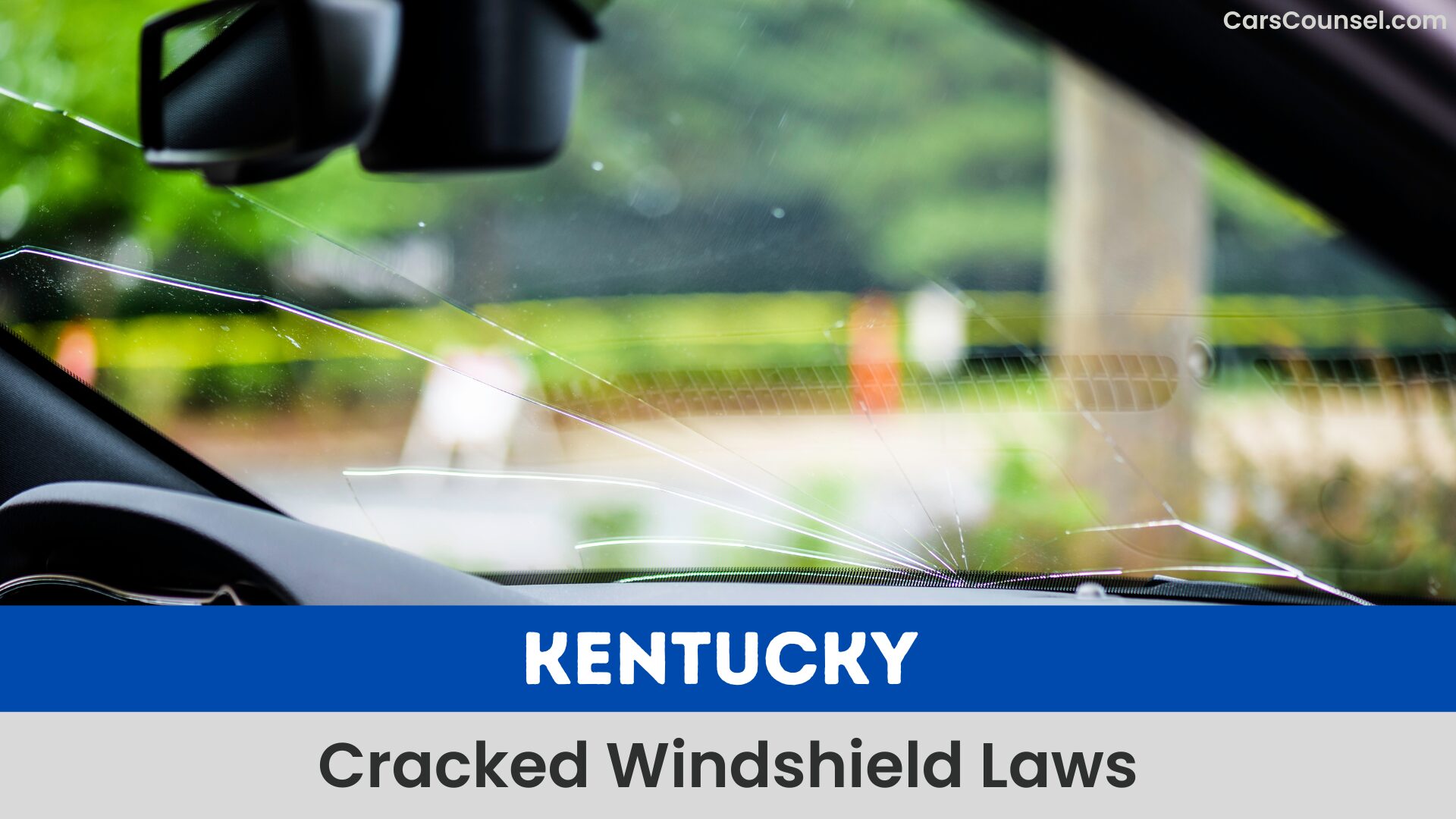
Kentucky’s cracked windshield laws might seem straightforward, but they come with specific nuances that can affect your driving experience and safety. Understanding what constitutes a permissible crack is vital, especially if you’re concerned about compliance and potential fines. While minor cracks may be acceptable, the regulations surrounding visibility and inspections can catch drivers off guard. What should you know about managing windshield damage and ensuring your vehicle meets legal standards?
Quick Navigation
Key Takeaways
- Kentucky mandates that all vehicles have a fixed windshield meeting federal safety standards, with effective wipers and safety glazing.
- Cracks under ¾ inch that do not obstruct the driver’s view are generally permissible according to Kentucky regulations.
- Comprehensive insurance policies cover windshield repairs or replacements without a deductible for damages from road hazards.
- Certified auto glass companies must perform windshield replacements to comply with Kentucky regulations established since January 1, 1979.
- Clear visibility is essential for safety, and drivers face legal penalties for operating vehicles with obstructed or damaged windshields.
Windshield Requirements in Kentucky
When you drive in Kentucky, you need to be aware of the specific windshield requirements that guarantee your safety and compliance with state laws.
All vehicles, except motorcycles and husbandry vehicles, must have a fixed, upright windshield that meets federal safety standards. Your windshield wipers must effectively remove moisture for clear visibility.
Additionally, windshields should consist of safety glazing to minimize shattering. Regular inspections are essential to check for windshield damage, discoloration, and visibility issues.
Kentucky law allows certain cracks if they don’t obstruct your view, but you must verify compliance with these regulations to avoid penalties and improve safety.
Legal Considerations for Cracked Windshields
In terms of cracked windshields, both federal and Kentucky-specific regulations play an essential role in ensuring safety on the road.
You’ll need to understand the specific requirements regarding visibility and damage limits, as non-compliance can lead to fines or failed inspections.
Familiarizing yourself with these legal considerations can help you maintain compliance and avoid potential penalties.
Federal Regulations Overview
Understanding federal regulations regarding cracked windshields is essential for maintaining both safety and compliance while on the road.
The U.S. Department of Transportation mandates that all vehicles, except motorcycles and certain agricultural vehicles, must have an upright and fixed windshield. Cracks mustn’t obstruct the driver’s field of view, with permissible chips under ¾ inch in diameter if they’re not near other damage.
Non-compliance with these federal regulations can lead to fines and failed inspections, emphasizing the need for regular windshield maintenance. Adhering to these standards guarantees both your safety and that of other road users.
Kentucky Specific Regulations
Federal regulations set a baseline for windshield safety, but Kentucky imposes specific guidelines that further define what’s acceptable for drivers in the state.
In Kentucky, your windshield must be free from damage in critical areas to guarantee visibility. Cracks under ¾ inch that don’t intersect are generally acceptable, provided they don’t block your view.
Importantly, KRS 304.20-060 mandates no deductible for windshield replacement claims under comprehensive insurance—this applies to all auto glass damage from road hazards.
Miscommunication from insurance representatives about this law can lead to confusion, so it’s crucial to understand these state-specific regulations regarding repairs.
Obstructions and Visibility Regulations
When driving, you must adhere to specific visibility requirements to guarantee both your safety and compliance with the law.
Any signs or coverings on your windshield, except those mandated by law, could lead to penalties, while nontransparent materials on other windows are also prohibited.
Regularly checking for obstructions and maintaining a clear windshield are essential to avoid fines and secure a safe driving experience.
Legal Visibility Requirements
To guarantee safety on the road, Kentucky law mandates strict visibility requirements for drivers, focusing on the clear functioning of windshields.
It’s illegal to place signs, coverings, or posters on your windshield, ensuring unobstructed views. Nontransparent coverings on any windows are also prohibited, as they can hinder driver safety.
Regularly check for any obstructions that could impair visibility while driving. Compliance with federal regulations requires specific areas of your windshield to remain free of damage and obstructions.
Additionally, your windshields must have functioning wipers to effectively remove moisture, essential for maintaining clarity in adverse weather conditions.
Obstruction Penalties and Fines
While it might seem harmless to place stickers or coverings on your windshield, Kentucky law imposes strict penalties for such actions due to their potential to obstruct visibility.
Here are key points to contemplate:
- It’s illegal to have any signs or coverings on the windshield, except those mandated by law.
- Nontransparent coverings on other windows are also prohibited.
- Obstructions that hinder visibility can result in fines or penalties.
- Regular inspections are advisable to confirm compliance with visibility regulations.
Window Tinting Laws
How can you guarantee your vehicle complies with Kentucky’s window tinting laws?
First, make sure your windshield’s tint is non-reflective above the manufacturer’s AS-1 line for maximum visibility.
Your front side windows must allow over 35% of light to pass through, while other windows can have tint that permits over 18%.
Remember, all front and back side windows can’t reflect more than 25% to minimize glare.
Finally, don’t forget to affix a sticker indicating the legal tint levels on the driver’s side doorjamb. This way, law enforcement can easily verify your compliance during traffic stops.
Cracks and Chips: What You Need to Know
Understanding the regulations surrounding windshield cracks and chips in Kentucky is vital for maintaining both safety and compliance. Here are key points to remember:
- Cracks must be less than ¾ inch and not intersect to be permissible.
- Chips smaller than ¾ inch are allowed if they don’t hinder visibility.
- Federal regulations mandate specific areas of the windshield remain damage-free.
- Officers can determine if cracks or chips obstruct your view, risking fines or failed inspections.
To guarantee compliance and safety, it’s imperative to prioritize immediate repair and replacement of any windshield damage you encounter.
Kentucky Auto Glass Replacement Law
In Kentucky, if you have full or comprehensive insurance, you can get your auto glass replaced without paying a deductible.
This law guarantees comprehensive coverage for all types of glass damage, aligning with state compliance regulations.
It’s essential to confirm your eligibility, as many drivers remain unaware of this significant benefit.
No Deductible Requirement
Kentucky law guarantees that drivers with comprehensive insurance can replace their windshields without paying a deductible, which is a significant financial relief.
This no deductible requirement applies to:
- All types of auto glass damage from road hazards.
- Policies issued after January 1, 1979.
- Repairs or replacements of damaged safety equipment, including windshields.
- Drivers who may not be informed by insurance representatives about this benefit.
Understanding your comprehensive coverage guarantees you can maintain safety without incurring additional costs, allowing for a hassle-free windshield replacement experience.
Comprehensive Coverage Necessity
To qualify for the state-mandated no deductible on windshield replacements, having comprehensive coverage is vital.
This law, outlined in KRS 304.20-060, allows you to replace or repair your windshield without any out-of-pocket expenses, provided you maintain comprehensive insurance.
It covers various auto glass damages, including cracks and chips caused by road hazards.
Since this provision applies to policies issued after January 1, 1979, it’s important to check your insurance to verify you’re eligible for these benefits.
State Compliance Regulations
While maneuvering through the complexities of auto insurance, understanding state compliance regulations is essential for guaranteeing your rights are protected.
In Kentucky, know these key points about windshield replacement coverage:
- Comprehensive insurance policies must cover full repairs or replacements without a deductible.
- This law applies to all drivers with comprehensive coverage, regardless of damage size.
- Certified auto glass companies must conduct replacements to confirm compliance.
- Kentucky’s zero deductible policy has been in effect since January 1, 1979, enhancing consumer rights.
Familiarizing yourself with these regulations helps you navigate your insurance benefits effectively.
Do You Qualify for Free Windshield Replacement?
How can you determine if you qualify for free windshield replacement in Kentucky?
If you have comprehensive coverage, you’re likely eligible for this benefit without a deductible. Kentucky law mandates that all auto glass damage caused by road hazards is covered, ensuring you won’t face out-of-pocket expenses.
To qualify, you must also maintain the minimum liability coverage required by the state, which includes $25,000 for bodily injury and property damage.
Remember, only policies issued after January 1, 1979, qualify for this no-deductible requirement.
It’s wise to consult with your insurance representative or auto glass company to confirm your eligibility.
Impact of Windshield Damage on Safety
Maintaining a clear windshield isn’t just about aesthetics; it plays an important role in your safety on the road.
Windshield damage can lead to serious risks, including:
- Reduced visibility, increasing the chances of accidents.
- Compromised structural integrity, raising injury risks during collisions.
- Rapid expansion of small cracks, resulting in costly repair or replacement.
- Legal penalties for driving with damaged windshields.
Regular inspections and prompt repairs are vital for safe driving.
Don’t underestimate the impact of minor cracks; they can hinder your field of view and significantly pose safety risks on the road.
Prioritize your windshield’s condition.
Role of Auto Glass Companies in Kentucky
Auto glass companies in Kentucky play an essential role in ensuring that drivers understand their rights and options regarding windshield repairs and replacements. They inform customers about the law mandating free windshield replacements without a deductible for those with comprehensive insurance.
Technicians are trained to handle insurance claims efficiently, often collaborating directly with insurers to streamline the replacement process. Additionally, local companies may cover deductibles if misinformation arises from insurance representatives, further aiding customers.
Insurance Company Practices and Miscommunication
What happens when insurance representatives lack awareness of Kentucky’s windshield replacement laws? You may face confusion and misinformation about your coverage. This could lead to frustrating miscommunication regarding your rights.
To navigate this effectively, you should:
- Review your insurance policy for specific details on coverage.
- Confirm that your insurer can waive the deductible for windshield replacement.
- Understand that claims won’t impact your annual premiums.
- Familiarize yourself with KRS 304.20-060 to challenge incorrect information.
Steps to Take When You Have a Cracked Windshield
When you discover a cracked windshield, taking immediate action is essential to guarantee both your safety and compliance with Kentucky’s regulations.
Start by evaluating the crack size; if it’s smaller than ¾ inch, it may be permissible. Next, contact an auto glass company for an inspection and potential repair—this can prevent the crack from worsening.
Verify your comprehensive coverage with your insurance provider; Kentucky law mandates that you’re entitled to a windshield replacement with no deductible.
Importance of Regular Windshield Inspections
Although you may not think about it often, regular windshield inspections play a critical role in maintaining both your vehicle’s safety and compliance with Kentucky laws.
Here are key reasons to prioritize these inspections:
- Identify cracks and chips early, preventing costly repairs.
- Guarantee compliance with Kentucky’s legal standards for windshield damage.
- Maintain visibility for safe driving, reducing accident risks.
- Maximize your insurance benefits under Kentucky’s no deductible law for replacements.
Understanding the importance of regular windshield inspections not only safeguards your vehicle but also guarantees you have comprehensive coverage when necessary.
Don’t overlook these essential checks!
Resources for Kentucky Drivers Regarding Windshield Laws
As you navigate Kentucky’s windshield laws, it’s essential to know the resources available to help you understand your rights and responsibilities.
Familiarize yourself with statute 304.20-060, which mandates free windshield replacements for drivers with comprehensive coverage, ensuring you won’t face out-of-pocket expenses for repairs.
Consult your insurance policy to confirm your coverage includes non-collision damages like vandalism or debris-related issues.
Additionally, reach out to local auto glass companies knowledgeable about these laws. They can guide you through the claims process, ensuring you maximize your benefits under Kentucky’s windshield laws while keeping your vehicle safe and roadworthy.
Cracked Windshield Laws in U.S. States
Every state enforces unique cracked windshield laws. Use this quick guide to understand repair, replacement, and visibility requirements in your region.
| State | Quick Summary |
| Alabama | Driving with windshield cracks that obstruct the driver’s view is illegal in Alabama; repairs are required to pass inspection. |
| Alaska | Alaska law forbids cracks or chips that block visibility; unsafe glass must be repaired or replaced immediately. |
| Arizona | Arizona prohibits cracks in a driver’s line of sight; unaddressed damage can lead to fines or inspection failure. |
| Arkansas | Windshield cracks over one inch in the driver’s view violate Arkansas safety laws and must be repaired quickly. |
| California | California Vehicle Code §26710 requires cracked windshields that obstruct vision to be replaced for safe driving. |
| Colorado | Colorado tickets drivers if windshield cracks affect visibility, especially within the area cleared by wipers. |
| Connecticut | Connecticut mandates clear driver visibility; cracks or chips that distort sightlines are safety violations. |
| Delaware | Delaware requires windshields free from cracks that impair view or weaken structure; repair ensures inspection pass. |
| Florida | Florida enforces visibility laws; cracks blocking view are violations. Insurance usually covers free replacements. |
| Georgia | Georgia prohibits star cracks and fractures obstructing sightlines; visibility impairment may lead to citations. |
| Hawaii | Hawaii requires clear windshields; cracks or chips that block driver visibility fail safety inspection. |
| Idaho | Idaho limits cracks to under three-quarters inch; damage in the driver’s view must be fixed for road safety. |
| Illinois | Illinois bans windshield cracks within the wiper area that distort the driver’s vision; repairs are mandatory. |
| Indiana | Indiana requires clear vision; major cracks or spreading fractures violate vehicle-safety inspection rules. |
| Iowa | Iowa law deems any crack blocking a driver’s view unsafe; repairs are required to avoid ticket or inspection failure. |
| Kansas | Kansas enforces visibility safety; cracks that interfere with driver vision or vehicle integrity are illegal. |
| Louisiana | Louisiana prohibits cracks or chips in the driver’s sightline; vehicles with damaged glass fail inspection. |
| Maine | Maine inspection rules fail cars with cracks that block a driver’s view or exceed limits within the wiper area. |
| Maryland | Maryland enforces federal safety standards; cracks within wiper range or that spread require replacement. |
| Massachusetts | Massachusetts inspection fails any vehicle with cracks distorting the driver’s line of sight or causing glare. |
| Michigan | Michigan allows minor cracks outside driver view zones; major fractures or spider cracks are illegal. |
| Minnesota | Minnesota restricts cracks wider than half an inch in driver view; clear visibility is mandatory. |
| Mississippi | Mississippi mandates repair of cracks that affect driver vision or violate inspection safety guidelines. |
| Missouri | Missouri requires safe, crack-free windshields; damage obstructing view leads to ticket or inspection failure. |
| Montana | Montana follows federal safety codes; cracked windshields impairing vision or stability fail inspection. |
| Nebraska | Nebraska prohibits cracks over one inch in a driver’s view zone; damaged glass must be repaired quickly. |
| Nevada | Nevada law requires clear windshields; cracks blocking vision or causing distortion must be repaired. |
| New Hampshire | New Hampshire forbids windshield cracks larger than one inch within the driver’s wiper path. |
| New Jersey | New Jersey inspection fails vehicles with cracks obstructing view or creating reflective glare. |
| New Mexico | New Mexico requires windshields clear of spreading cracks across driver view; noncompliance invites fines. |
| New York | New York prohibits cracks blocking visibility; unsafe windshields must be replaced before operation. |
| North Carolina | North Carolina bans cracks inside the wiper area; impaired visibility leads to inspection failure. |
| North Dakota | North Dakota enforces strict visibility standards; any line-of-sight crack must be repaired immediately. |
| Ohio | Ohio law forbids cracks that distort or block view; drivers must repair glass to meet safety code. |
| Oklahoma | Oklahoma disallows cracks within the driver’s viewing area; damage must be repaired before inspection. |
| Oregon | Oregon prohibits windshield cracks in sightlines; vehicles must have clear, intact safety glass. |
| Pennsylvania | Pennsylvania fails inspection for cracks affecting vision or exceeding the wiper-swept area. |
| Rhode Island | Rhode Island forbids cracks or chips obstructing view; clear visibility is required for all vehicles. |
| South Carolina | South Carolina mandates repairs for cracks blocking view; insurance covers free replacements. |
| South Dakota | South Dakota law disallows any windshield damage impairing visibility or weakening the glass. |
| Tennessee | Tennessee bans windshield cracks that hinder vision; glass replacement required if unsafe. |
| Texas | Texas applies federal visibility standards; cracks within driver view must be repaired before renewal. |
| Utah | Utah forbids cracks larger than one inch in the wiper zone; unsafe glass requires replacement. |
| Vermont | Vermont inspection fails cars with windshield cracks or discolorations in the driver’s view. |
| Virginia | Virginia mandates repairs for cracks over one inch within the wiper area or obstructing view. |
| Washington | Washington requires clear vision; any crack impairing sightlines must be repaired or replaced. |
| West Virginia | West Virginia bans cracks in the critical vision zone; unsafe glass fails inspection immediately. |
| Wisconsin | Wisconsin prohibits cracks over eight inches or those distorting driver view; repairs required. |
| Wyoming | Wyoming law demands clear windshields; any damage blocking driver view must be repaired promptly. |
Frequently Asked Questions
Is a Cracked Windshield Illegal in KY?
A cracked windshield isn’t outright illegal in Kentucky, but you need to follow cracked windshield regulations. Guarantee compliance with windshield safety guidelines, as cracks that obstruct your view can lead to fines or safety violations.
Does Kentucky Have Free Windshield Replacement?
A stitch in time saves nine. In Kentucky, if you’ve got windshield insurance, you can access free windshield replacement without a deductible. Investigate your repair options to guarantee safe driving and financial peace of mind.
Who Pays When a Rock Hits Your Windshield?
When a rock hits your windshield, your insurance coverage typically covers the repair costs. You should check your policy details to understand your deductible obligations and guarantee you’re maximizing your benefits for such incidents.
Which States Require Free Windshield Replacement?
Certain states, like Florida and South Carolina, require insurance coverage that offers free windshield repair without deductibles. You should always check your state’s regulations to guarantee you’re fully informed about your coverage options.
Conclusion
In Kentucky, understanding cracked windshield laws isn’t just about compliance; it’s about your safety on the road. Ignoring a minor crack could lead to costly fines and dangerous driving conditions. What happens if that small crack spreads unexpectedly? Regular inspections can save you from dire consequences. Guarantee your windshield meets federal safety standards, and don’t hesitate to act if repairs are needed. Your next drive could depend on it—so stay vigilant and keep your vehicle in top shape.

