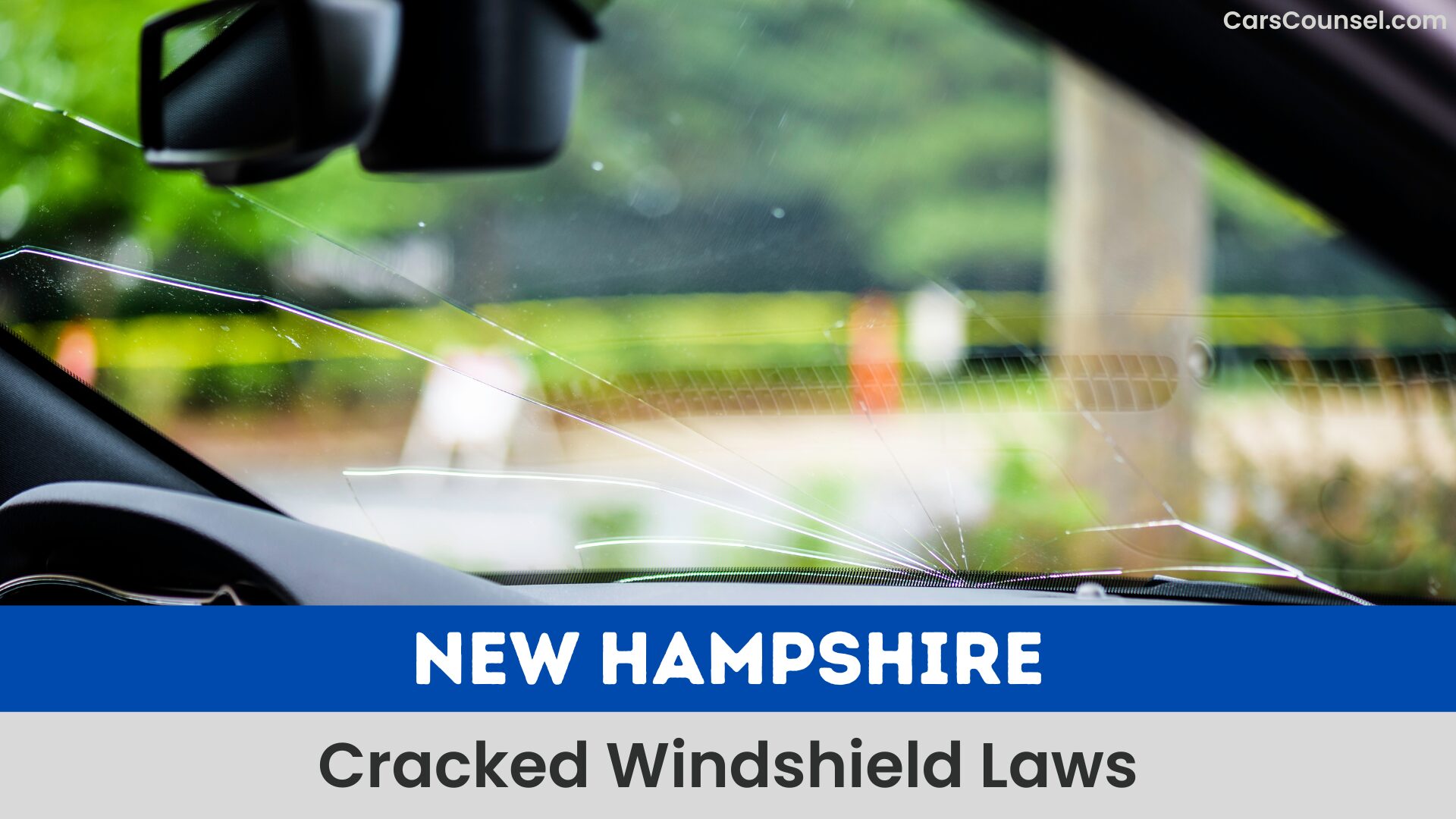
Imagine driving down a New Hampshire road, only to be blinded by a crack in your windshield—much like a spider web obscuring your view. New Hampshire’s laws are clear: any crack over ¾ inch can lead to fines and complications. Understanding these regulations is vital for every driver. What do you need to know to guarantee your safety and compliance while on the road?
Quick Navigation
Key Takeaways
- Windshields must be free from cracks exceeding ¾ inch in diameter to comply with New Hampshire laws.
- Two cracks cannot be within three inches of each other, and intersecting cracks are not allowed.
- A fine starts at $75 for driving with a cracked windshield, with higher penalties for more severe damage.
- Timely repairs are necessary to avoid escalating fines and potential license suspension.
- Insurance coverage often includes windshield repairs; check specific policy details for comprehensive options.
Windshield Requirements in New Hampshire
In New Hampshire, all vehicles must meet specific windshield requirements to guarantee safety on the roads. Your windshield must be free from cracks, chips, or distortions to confirm clear visibility for you as the driver.
Safety glass is mandatory for all windshields, enhancing passenger protection and confirming durability. If your vehicle was made after January 1, 1947, it must also have a defroster to effectively manage ice and snow.
Additionally, non-transparent materials on the windshield and front side windows are prohibited to maintain an unobstructed driver’s view, ultimately contributing to safer driving conditions for everyone on the road.
Legal Regulations and Compliance
In New Hampshire, understanding legal regulations around windshields is vital for every driver.
You’ll find that state laws not only align with federal standards but also impose stricter requirements to guarantee safety.
Ignoring these regulations can lead to fines and potential citations, making compliance necessary for all vehicle owners.
Federal Regulations Overview
While maintaining a safe driving environment, federal regulations set specific standards for windshield integrity that drivers must adhere to.
Cracks in a windshield can’t exceed ¾ inch in diameter and mustn’t obstruct your ability to see. The U.S. Department of Transportation requires that no two cracks be within three inches of each other, and intersecting cracks are strictly prohibited.
These rules guarantee optimal visibility, essential for safe driving. Non-compliance can lead to fines and increased safety hazards, highlighting the need for timely repairs.
Always stay informed about federal regulations to keep your vehicle in compliance and secure your safety on the road.
State-Specific Compliance Requirements
New Hampshire mandates that drivers maintain their windshields in pristine condition to guarantee safety on the roads. Compliance with state regulations requires that cracked windshields be repaired promptly, as any crack larger than ¾ inch in diameter is prohibited.
Additionally, cracks within three inches of each other or intersecting cracks aren’t allowed, ensuring ideal visibility while driving. Vehicles must also feature safety glass and a defroster if manufactured after January 1, 1947.
Failure to adhere to these standards can result in legal penalties, starting at $75, emphasizing the importance of maintaining your vehicle’s windshield.
Consequences for Non-Compliance
Failure to comply with New Hampshire’s windshield regulations can lead to significant legal repercussions.
If you drive with a cracked windshield that obstructs visibility, you risk receiving fines starting at $75. Law enforcement may issue “fix-it tickets,” allowing you to repair the damage and present proof to potentially reduce penalties.
However, repeated non-compliance can result in additional tickets, negatively impacting your driving record. Multiple violations may escalate to severe consequences, including the possibility of license suspension.
To avoid these outcomes, it’s essential to address any cracked windshield promptly and adhere to the state’s cracked windshield laws.
Obstructions and Visibility
Ensuring your windshield is free from cracks, chips, or defects is vital for maintaining clear visibility while driving in New Hampshire. Any windshield damage can create obstructions that hinder your driver’s view, increasing the risk of accidents.
The law prohibits nontransparent materials on the windshield and side windows, promoting unobstructed views of the roadway. Additionally, required stickers must be placed in the lower corners to avoid visibility interference.
Effective, driver-controlled windshield wipers are essential in clearing moisture during adverse weather. Regular inspections help you comply with visibility regulations and avoid fines related to windshield impairments.
Window Tint Regulations
In regard to window tint regulations in New Hampshire, you need to be aware of specific limitations to guarantee compliance.
The law restricts tint on the windshield and front side windows while setting clear standards for back side and rear windows.
Understanding these guidelines is essential for avoiding fines and maintaining safe driving conditions.
Tint Limitations Overview
While you might be tempted to improve your vehicle’s appearance with window tinting, New Hampshire has specific regulations that you need to follow.
Adhering to these rules guarantees safety and visibility for all drivers. Here’s a quick overview of the tint limitations:
- Windshield tinting is limited to a non-reflective tint on the top six inches only.
- Front side windows must remain untinted for maximum visibility.
- Back side and rear windows require at least 35% light transmittance, and mirrored or metallic tints are prohibited.
Understanding these regulations is essential to avoid fines and boost your driving safety.
Compliance and Enforcement Guidelines
Understanding window tint regulations in New Hampshire is crucial for compliance, especially since violations can lead to fines or even vehicle inspections.
According to state laws, your windshield can only have non-reflective tint extending down six inches. Front side windows must remain untinted, while back side and rear windows should permit at least 35% light transmittance.
Mirrored and metallic tints are prohibited to guarantee visibility for drivers and law enforcement. If you choose to tint your rear window, you must have dual side mirrors.
Cracks, Chips, and Defects
In New Hampshire, maintaining a clear windshield isn’t just a matter of safety; it’s a legal requirement.
The state laws emphasize the importance of addressing any cracks, chips, or defects that obstruct your view. Here’s what you need to know:
- Immediate Repairs: Any cracks or chips must be repaired promptly to avoid fines.
- Inspection Necessity: Regular inspections guarantee your windshield complies with safety regulations.
- Defect Prohibition: Shattered areas or distorted glass aren’t permissible under the law.
Failing to comply can lead to fines starting at $75, underscoring the importance of a clear and intact windshield.
Dangers of Driving With a Cracked Windshield
Driving with a cracked windshield poses significant risks that extend beyond mere inconvenience. The dangers of driving with a cracked windshield include compromised visibility, which can lead to accidents. Additionally, cracks can weaken the vehicle’s structural integrity, increasing injury severity during collisions. The improper deployment of airbags may also occur, reducing safety. Furthermore, cracked windshields can shatter unexpectedly, especially in extreme weather. Delaying repairs can escalate repair costs as small cracks worsen over time.
| Danger | Impact on Safety | Repair Considerations |
|---|---|---|
| Reduced visibility | Increased accident risk | Higher repair costs |
| Compromised structural integrity | Severe injuries in collisions | More extensive damage |
| Impaired airbag deployment | Inadequate protection | Urgent repairs needed |
| Sudden shattering | Threat to driver/passengers | Timely intervention key |
Ticketing and Legal Consequences
Neglecting the dangers of a cracked windshield can lead to legal troubles in New Hampshire. If you’re caught driving with one, here’s what you should know about ticketing and legal consequences:
- Fines: Expect a starting fine of $75 for violations.
- Fix-it-Tickets: You may receive a ticket allowing you to prove repair before further penalties.
- Consequences of Repeated Violations: Multiple offenses could risk license suspension.
These tickets are non-moving violations, so they usually won’t affect your record.
However, addressing the issue promptly can mitigate fines and help resolve the situation efficiently.
How Much Is a Cracked Windshield Ticket?
How much will a cracked windshield ticket cost you in New Hampshire? Fines for cracked windshields start at $75 for non-moving violations. The severity of the damage and local law enforcement’s discretion can affect costs. If you receive a cracked windshield ticket, you might get a “fix-it ticket,” allowing you to repair the issue before court, potentially reducing your fine. However, ignoring the problem could lead to repeated tickets and, ultimately, license suspension.
| Violation Severity | Initial Fine | Potential Consequences |
|---|---|---|
| Minor Crack | $75 | Fix-it ticket option |
| Moderate Damage | $150 | Repeat tickets |
| Severe Damage | $300 | License suspension risk |
| Unresolved Issues | $500 | Increased fines |
| Multiple Offenses | Variable | License suspension |
Process for Repairing a Cracked Windshield
When you discover a crack in your windshield, it’s essential to evaluate your repair options.
You can either choose a DIY kit for minor cracks or seek professional services that often use resin injection techniques.
Additionally, check with your insurance provider, as many policies may cover these repairs, helping you manage costs effectively.
Repair Options Available
As you assess a cracked windshield, understanding your repair options is vital for maintaining safety and compliance with New Hampshire laws.
Here are the primary repair options available:
- Minor Repairs: If the crack in your windshield is under ¾ inch, resin injection can restore its integrity without replacement.
- Full Replacement: Extensive damage or cracks in the driver’s line of sight necessitate replacement to adhere to windshield laws.
- Professional Services: Utilizing specialized tools, professionals guarantee repairs meet safety standards, which is essential to avoid legal issues and maintain vehicle integrity.
Insurance Coverage Considerations
Understanding your insurance coverage is essential for maneuvering the process of repairing a cracked windshield. In New Hampshire, comprehensive coverage often includes windshield repair or replacement, so check your auto insurance policies for specific details.
If you have minor cracks within three inches, insurers usually prefer repairs, which cost significantly less than full replacements. Some circumstances might allow zero-deductible replacements, letting you avoid out-of-pocket expenses.
Always report damage promptly to your insurer to guarantee coverage and use approved repair services to comply with your policy terms, preventing unexpected costs when filing a claim.
Will Insurance Cover Windshield Repair?
How can you navigate the complexities of insurance coverage for windshield repair in New Hampshire? Understanding your insurance policy is essential. Here are three key points to take into account:
- Comprehensive Coverage: Many policies cover cracked windshields from non-collision incidents.
- Zero-Deductible Options: Some insurance companies offer replacement without out-of-pocket expenses.
- Approved Services: Always use insurer-approved services for repair and replacement to avoid coverage disputes.
Review your specific policy, as coverage varies significantly. Knowing these details helps you make informed decisions about windshield damage and guarantees you get the assistance you need when you need it.
Preventing Cracks in Your Windshield
While cracked windshields are often seen as inevitable, there are effective strategies you can employ to significantly reduce the risk.
First, utilize covered parking or garages to protect your auto glass from UV rays and extreme temperatures. Regularly inspect your windshield for chips or cracks and promptly address any issues, as timely repair can prevent further damage.
Maintain a safe following distance to minimize debris impact, especially on gravel roads. Additionally, consider a windshield protector or film for extra defense against environmental factors.
Importance of Timely Repairs
Timely repairs of cracked windshields are essential, especially in New Hampshire, where state law mandates clear visibility for all vehicles.
Failing to address these issues promptly can lead to significant consequences. Consider these points:
- Legal Compliance: Ignoring cracks can result in fines starting at $75.
- Safety Improvement: Quick repairs minimize the risk of accidents due to reduced visibility.
- Cost Efficiency: Timely action prevents small cracks from expanding, avoiding higher repair costs or the need for complete windshield replacement.
Resources for Windshield Inspection and Repair
In terms of ensuring your vehicle’s windshield meets New Hampshire’s safety standards, utilizing available resources for inspection and repair is crucial.
Certified technicians can conduct thorough inspections to assess windshield integrity, identifying any cracked windshields or damage that could lead to failed inspections.
Local auto glass repair shops specialize in both repair and replacement, adhering to state regulations.
The New Hampshire Division of Motor Vehicles provides essential guidelines to help you understand legal requirements.
Additionally, many insurance providers offer comprehensive coverage for repairs, often with zero-deductible options for replacements, enabling you to address windshield damage promptly and effectively.
Cracked Windshield Laws in U.S. States
Every state enforces unique cracked windshield laws. Use this quick guide to understand repair, replacement, and visibility requirements in your region.
| State | Quick Summary |
| Alabama | Driving with windshield cracks that obstruct the driver’s view is illegal in Alabama; repairs are required to pass inspection. |
| Alaska | Alaska law forbids cracks or chips that block visibility; unsafe glass must be repaired or replaced immediately. |
| Arizona | Arizona prohibits cracks in a driver’s line of sight; unaddressed damage can lead to fines or inspection failure. |
| Arkansas | Windshield cracks over one inch in the driver’s view violate Arkansas safety laws and must be repaired quickly. |
| California | California Vehicle Code §26710 requires cracked windshields that obstruct vision to be replaced for safe driving. |
| Colorado | Colorado tickets drivers if windshield cracks affect visibility, especially within the area cleared by wipers. |
| Connecticut | Connecticut mandates clear driver visibility; cracks or chips that distort sightlines are safety violations. |
| Delaware | Delaware requires windshields free from cracks that impair view or weaken structure; repair ensures inspection pass. |
| Florida | Florida enforces visibility laws; cracks blocking view are violations. Insurance usually covers free replacements. |
| Georgia | Georgia prohibits star cracks and fractures obstructing sightlines; visibility impairment may lead to citations. |
| Hawaii | Hawaii requires clear windshields; cracks or chips that block driver visibility fail safety inspection. |
| Idaho | Idaho limits cracks to under three-quarters inch; damage in the driver’s view must be fixed for road safety. |
| Illinois | Illinois bans windshield cracks within the wiper area that distort the driver’s vision; repairs are mandatory. |
| Indiana | Indiana requires clear vision; major cracks or spreading fractures violate vehicle-safety inspection rules. |
| Iowa | Iowa law deems any crack blocking a driver’s view unsafe; repairs are required to avoid ticket or inspection failure. |
| Kansas | Kansas enforces visibility safety; cracks that interfere with driver vision or vehicle integrity are illegal. |
| Kentucky | Kentucky bans cracks extending into a driver’s view zone; damaged windshields must be replaced for inspection. |
| Louisiana | Louisiana prohibits cracks or chips in the driver’s sightline; vehicles with damaged glass fail inspection. |
| Maine | Maine inspection rules fail cars with cracks that block a driver’s view or exceed limits within the wiper area. |
| Maryland | Maryland enforces federal safety standards; cracks within wiper range or that spread require replacement. |
| Massachusetts | Massachusetts inspection fails any vehicle with cracks distorting the driver’s line of sight or causing glare. |
| Michigan | Michigan allows minor cracks outside driver view zones; major fractures or spider cracks are illegal. |
| Minnesota | Minnesota restricts cracks wider than half an inch in driver view; clear visibility is mandatory. |
| Mississippi | Mississippi mandates repair of cracks that affect driver vision or violate inspection safety guidelines. |
| Missouri | Missouri requires safe, crack-free windshields; damage obstructing view leads to ticket or inspection failure. |
| Montana | Montana follows federal safety codes; cracked windshields impairing vision or stability fail inspection. |
| Nebraska | Nebraska prohibits cracks over one inch in a driver’s view zone; damaged glass must be repaired quickly. |
| Nevada | Nevada law requires clear windshields; cracks blocking vision or causing distortion must be repaired. |
| New Jersey | New Jersey inspection fails vehicles with cracks obstructing view or creating reflective glare. |
| New Mexico | New Mexico requires windshields clear of spreading cracks across driver view; noncompliance invites fines. |
| New York | New York prohibits cracks blocking visibility; unsafe windshields must be replaced before operation. |
| North Carolina | North Carolina bans cracks inside the wiper area; impaired visibility leads to inspection failure. |
| North Dakota | North Dakota enforces strict visibility standards; any line-of-sight crack must be repaired immediately. |
| Ohio | Ohio law forbids cracks that distort or block view; drivers must repair glass to meet safety code. |
| Oklahoma | Oklahoma disallows cracks within the driver’s viewing area; damage must be repaired before inspection. |
| Oregon | Oregon prohibits windshield cracks in sightlines; vehicles must have clear, intact safety glass. |
| Pennsylvania | Pennsylvania fails inspection for cracks affecting vision or exceeding the wiper-swept area. |
| Rhode Island | Rhode Island forbids cracks or chips obstructing view; clear visibility is required for all vehicles. |
| South Carolina | South Carolina mandates repairs for cracks blocking view; insurance covers free replacements. |
| South Dakota | South Dakota law disallows any windshield damage impairing visibility or weakening the glass. |
| Tennessee | Tennessee bans windshield cracks that hinder vision; glass replacement required if unsafe. |
| Texas | Texas applies federal visibility standards; cracks within driver view must be repaired before renewal. |
| Utah | Utah forbids cracks larger than one inch in the wiper zone; unsafe glass requires replacement. |
| Vermont | Vermont inspection fails cars with windshield cracks or discolorations in the driver’s view. |
| Virginia | Virginia mandates repairs for cracks over one inch within the wiper area or obstructing view. |
| Washington | Washington requires clear vision; any crack impairing sightlines must be repaired or replaced. |
| West Virginia | West Virginia bans cracks in the critical vision zone; unsafe glass fails inspection immediately. |
| Wisconsin | Wisconsin prohibits cracks over eight inches or those distorting driver view; repairs required. |
| Wyoming | Wyoming law demands clear windshields; any damage blocking driver view must be repaired promptly. |
Frequently Asked Questions
Can You Get Pulled Over for a Cracked Windshield in NH?
Yes, you can get pulled over for cracked glass. Law enforcement prioritizes safety concerns, viewing cracks as traffic violations. To avoid fines, investigate repair options promptly and guarantee your windshield remains unobstructed and compliant.
Is It Illegal to Drive Around With a Cracked Windshield?
Yes, it’s illegal to drive with a cracked windshield due to safety and visibility issues. Ignoring repair options can lead to legal consequences, as driving regulations require clear visibility for all vehicles on the road.
Who Is Responsible if a Rock Hits My Windshield?
If a rock hits your windshield, you’re generally liable unless you can prove driver negligence claims. Investigate insurance coverage details for windshield repair options, and remember accident prevention tips to minimize future risks.
Are Windshields Covered by Insurance in New Hampshire?
In New Hampshire, your insurance coverage types may include windshield replacement options. Consider repair cost factors and coverage limitations, ensuring you understand state regulations to maximize your benefits when addressing windshield damage.
Conclusion
To summarize, understanding New Hampshire’s cracked windshield laws is essential for your safety and compliance. Ignoring these regulations can lead to fines that feel like a mountain of debt. Regular inspections and timely repairs not only guarantee clear visibility but also protect you from escalating penalties, including potential license suspension. By staying informed and proactive, you’ll navigate the roads confidently, knowing you’re adhering to the law while keeping your vehicle in top condition.

