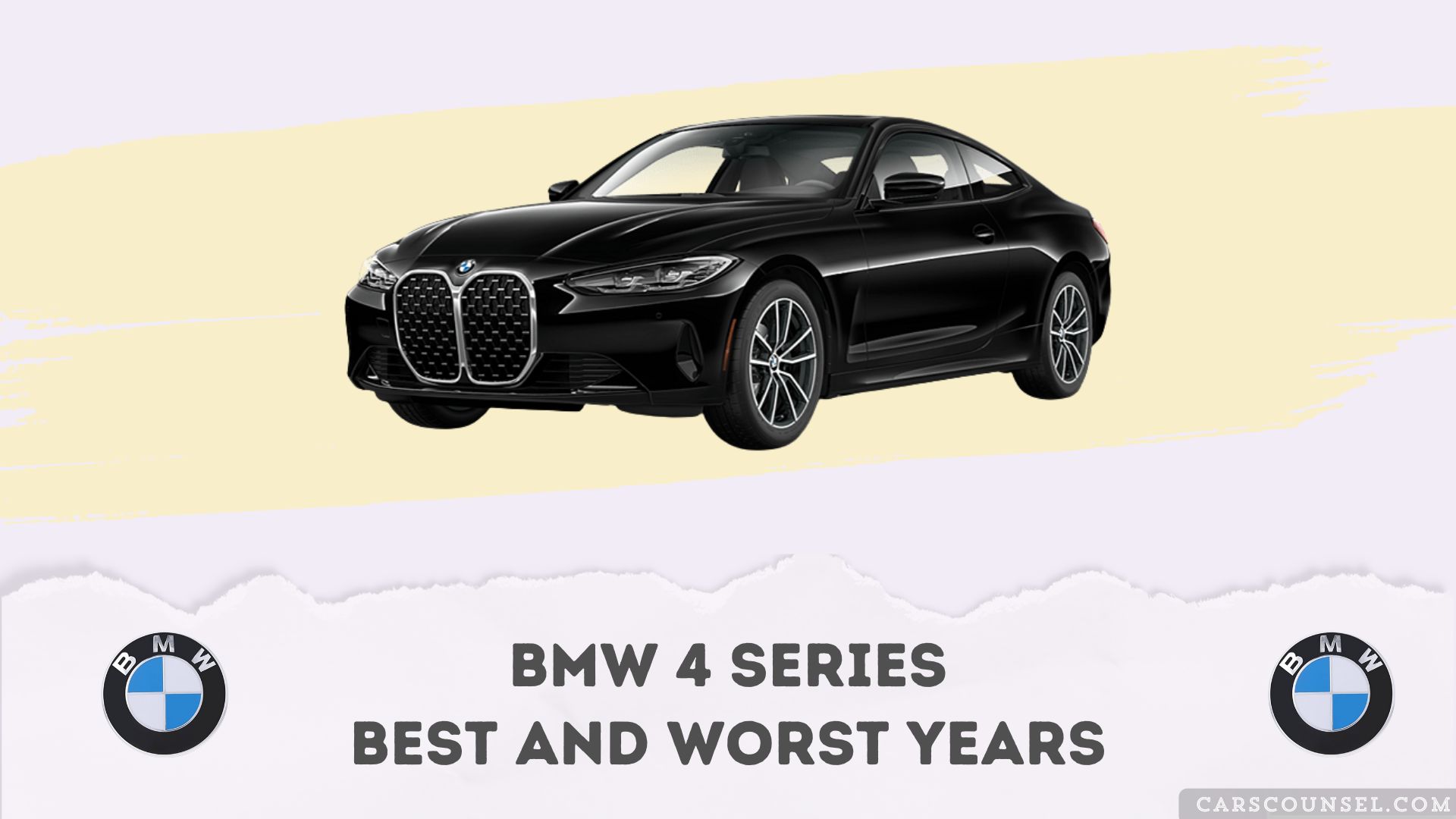
The best BMW 4 Series years are 2016, 2018, and 2019. Avoid 2014 models with N20 engine timing chain concerns. Verify recall completion before purchase.
These rankings reflect comparative reliability within the 4 Series lineup. No model year is flawless. Maintenance history significantly impacts long-term ownership outcomes.
Reliability varies by engine configuration. N20-equipped 2014-2015 models carry timing chain risks. B48 and B58 engines from 2016 onward show improved durability. Verify powertrain specifics.
Quick Navigation
Best and Worst BMW 4 Series Years at a Glance
| Model Year | Verdict | Main Reason | Buyer Guidance |
|---|---|---|---|
| 2021-2024 | Too New to Judge | Limited long-term ownership data | Monitor as evidence develops |
| 2020 | Best Late-Generation Choice | Mature first-generation platform | Verify service history and recalls |
| 2018-2019 | Best Older Choice | Refined engineering, fewer issues | Confirm valve cover and cooling system condition |
| 2016 | Best Older Choice | B48 engine introduction, improved reliability | Check for fuel pump recall completion |
| 2017 | Mixed | Engine transition year, variable reports | Inspect thoroughly, verify powertrain type |
| 2015 | Approach Carefully | N20 timing chain concerns persist | Avoid unless timing components documented |
| 2014 | Avoid | Early production issues, N20 timing chain risk | High repair exposure, seek later years |
Key Takeaways
- Target 2016, 2018, or 2019 models for strongest first-generation reliability.
- Avoid 2014 models equipped with N20 engines due to timing chain concerns.
- B48 and B58 engines from 2016 onward show improved durability records.
- Valve cover gasket and cooling system checks are essential for all years.
- Second-generation 2021+ models lack sufficient long-term ownership evidence.
- Always verify VIN-specific recall completion through official BMW channels.
How We Evaluated the BMW 4 Series Model Years
Our analysis reviews official NHTSA recalls, manufacturer service campaigns, consumer complaint patterns, and powertrain changes across each model year.
Consumer complaints indicate reported issues but do not equal confirmed defects or failure rates. A recall does not automatically make a model year unreliable if remedies were applied.
Recent model years have less ownership exposure. Best ratings indicate comparatively stronger evidence, not flawless performance. Maintenance history significantly impacts real-world reliability.
Best BMW 4 Series Years
2018-2019 BMW 4 Series
Late first-generation models benefited from accumulated engineering refinements. B48 and B58 engines replaced earlier N20 concerns in most configurations.
The 2018 facelift introduced updated styling and technology features. Verify valve cover gasket condition and cooling system service history before purchase.
2016 BMW 4 Series
The 2016 model year marked the introduction of the improved B48 engine in many US-market configurations. This transition reduced timing chain concerns present in earlier N20-equipped examples.
Confirm fuel pump recall completion through BMW service records. Overall mechanical reliability compares favorably with surrounding first-generation years.
Best Year by Buyer Type
Best Older Choice: 2016, 2018, and 2019 models offer mature first-generation engineering at accessible used prices. Budget for age-related component inspections.
Best Late-Generation Choice: 2020 represents the final first-production year with refined systems. Verify complete service documentation before purchase commitment.
Best Modern Option: 2021+ second-generation models feature updated technology and mild-hybrid powertrains. Long-term durability evidence remains limited for these newest examples.
Years to Approach Carefully
2017 BMW 4 Series
This transition year saw continued B48 and B58 engine adoption across the lineup. Some early-production examples carried residual first-generation concerns.
Verify exact engine configuration and recall completion status. Owner reports show variable reliability depending on specific powertrain and production timing.
2015 BMW 4 Series
Many 2015 models retained the N20 engine with documented timing chain guide concerns. Fuel pump recalls also affected this model year.
Avoid unless comprehensive service records confirm timing component inspection or replacement. Verify all recall remedies through official BMW documentation.
Worst BMW 4 Series Years
2014 BMW 4 Series
First-production 4 Series models carried N20 engines with timing chain guide failure risks. Early fuel pump recalls also affected this model year.
Potential engine damage from timing component failure creates significant repair exposure. Seek later model years with improved B48 or B58 powertrains instead.
BMW 4 Series Reliability by Generation
First Generation (2014-2020)
The original 4 Series spun off coupe and convertible variants from the 3 Series platform. Early 2014-2015 models with N20 engines carry timing chain concerns.
The 2016 introduction of B48 engines improved reliability for many configurations. Late-production 2018-2020 models represent the most dependable first-generation examples.
Second Generation (2021-Present)
The current generation launched with updated styling and mild-hybrid powertrain options. B48 and B58 engines continue with refinements from prior applications.
Early reliability indicators are generally positive but long-term ownership data remains limited. Monitor developing evidence before prioritizing these newest model years.
Common BMW 4 Series Problems
Timing Chain Concerns (N20 Engine)
The N20 2.0L turbo engine in 2014-2015 models may experience timing chain guide wear. Rattling noises on startup indicate potential concerns requiring professional evaluation.
Address symptoms promptly to prevent potential engine damage. B48-equipped models from 2016 onward show improved timing system durability.
Valve Cover Gasket Leaks
Oil leaks from the valve cover gasket occur across multiple model years. Plastic valve covers can warp or crack over time, requiring replacement.
Inspect for oil residue around the valve cover during pre-purchase evaluation. Replacement is straightforward but should be completed promptly to prevent further issues.
Cooling System Component Failures
Plastic cooling components including the expansion tank and associated hoses may develop leaks over time. Water pump and thermostat failures also occur across generations.
Monitor coolant levels regularly and inspect for leaks during routine maintenance. Address cooling system concerns promptly to prevent engine overheating risks.
Fuel Pump Recalls
Certain 2014-2018 models were subject to fuel pump module recalls. Symptoms may include hard starting or stalling in affected vehicles.
Verify recall completion through official BMW channels using the vehicle identification number. Completed remedies address the concern at no cost to owners.
What to Check Before Buying a Used BMW 4 Series
- Verify VIN-specific recall completion through official BMW recall lookup tools.
- Review complete service history for regular oil changes and fluid maintenance.
- Inspect for valve cover gasket oil leaks around the engine perimeter.
- Check cooling system components for cracks, leaks, or previous replacement evidence.
- Test cold-start behavior on N20-equipped models for timing chain rattles.
- Confirm transmission operation is smooth without hesitation or unusual noises.
- Scan for stored diagnostic codes that may indicate emerging concerns.
- Arrange independent pre-purchase inspection for comprehensive mechanical evaluation.
Related Buying Guides
- BMW X4 best and worst years for a related compact luxury crossover alternative.
- BMW 3 Series best and worst years for the platform-sharing sedan counterpart.
Frequently Asked Questions
Is the BMW 4 Series reliable?
Reliability varies by model year and engine. 2016+ models with B48 or B58 engines show stronger records. Avoid 2014 N20-equipped examples due to timing chain concerns.
What year BMW 4 Series is most dependable?
The 2018 and 2019 model years offer the strongest first-generation reliability evidence. These late-production examples benefited from accumulated engineering refinements.
Which BMW 4 Series years should I avoid?
Avoid 2014 models equipped with N20 engines due to timing chain concerns. Verify exact powertrain configuration before considering any first-generation example.
What are common BMW 4 Series problems?
Valve cover gasket leaks, cooling system component failures, and fuel pump recalls represent frequently reported concerns across multiple model years.
How long can a BMW 4 Series last?
Well-maintained examples can reach high mileage. Longevity depends on service history, driving conditions, engine type, and timely repair of emerging issues.
Are BMW 4 Series maintenance costs high?
Routine service costs align with luxury compact averages. Budget for potential valve cover, cooling system, or timing component service on affected configurations.
Which BMW 4 Series Year Should You Buy?
Target 2016, 2018, or 2019 BMW 4 Series models for the strongest first-generation reliability evidence. These years balance mature engineering with fewer documented concerns.
Avoid 2014 models with N20 engines due to timing chain risks. Verify all recall work and service history before purchase commitment on any used example.
Second-generation 2021+ models show positive early indicators but lack long-term ownership data. Consider waiting for more evidence before prioritizing these newest examples.