Understanding dashboard warning lights in your BMW 5 Series is essential for keeping you safe on the road and preventing costly damage to your vehicle. These lights alert you to potential issues early, allowing you to take quick action and avoid breakdowns or accidents.
By knowing what each one means, you can maintain your car’s performance and ensure a smooth driving experience.
Quick Navigation
Red Warning Lights (Stop Immediately)
Engine Oil Pressure
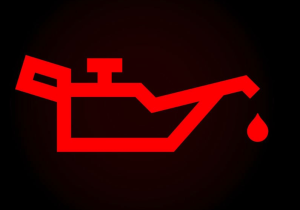
Low oil pressure can cause engine damage. It often means not enough oil or a pump issue. Stop the car right away, check the oil level, and add more if needed; do not drive until fixed.
Brake System Alert
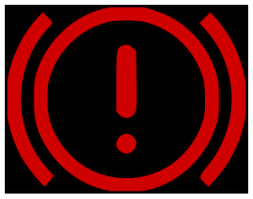
This signals low brake fluid or a failure in the braking system. It could lead to reduced stopping power. Pull over safely, avoid hard braking, and call a mechanic immediately.
Engine Coolant Temperature
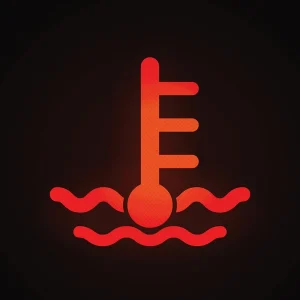
The engine is overheating, possibly from low coolant or a faulty thermostat. Continuing to drive risks severe damage. Stop the vehicle, let it cool, and seek professional help.
Battery Charging System
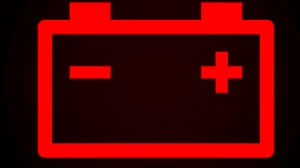
The battery isn’t charging properly, often due to alternator failure. Your car may lose power soon. Stop driving and have it towed to a service center.
Airbag System
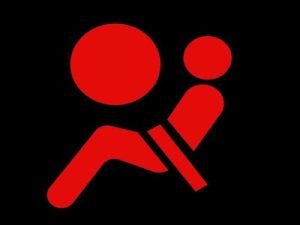
At least one part of the airbag setup isn’t working, like the sensors or belts. This reduces safety in a crash. Stop and get it checked urgently to avoid risks.
Steering Lock
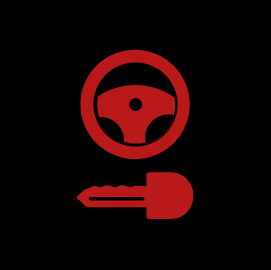
A fault in the anti-theft steering lock could cause the wheel to lock while driving. This is dangerous. Pull over immediately and call for roadside assistance.
Transmission Fault

Indicates a serious issue in the gearbox, like overheating or sensor failure. Driving further could worsen damage. Stop the car and contact a service center.
ABS (Anti-lock Brake System)
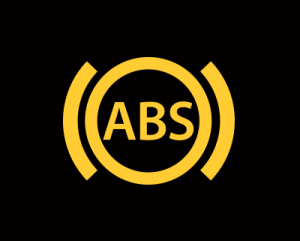
The anti-lock brakes are malfunctioning, affecting control during hard stops. Combined with brake light, it’s critical. Park safely and get professional repair.
Seatbelt Reminder

The driver’s or passenger’s seatbelt isn’t fastened. This increases injury risk in an accident. Stop and buckle up before continuing.
Diesel Exhaust Fluid (DEF) Low – Critical
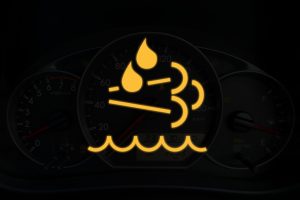
DEF levels are so low the engine won’t restart after shutdown. This prevents emissions control. Stop and refill immediately to avoid being stranded.
Power Steering Failure

The power steering system has failed, making turning difficult and unsafe. Possible fluid leak or pump issue. Pull over and seek help right away.
Brake Fluid Low

Brake fluid is critically low, risking brake failure. Stop the vehicle safely and have it inspected or topped up by a professional.
Door Ajar
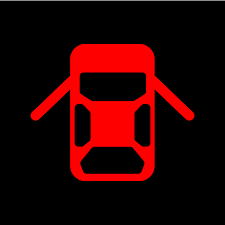
A door isn’t fully closed, which could open while driving. This poses a safety hazard. Stop, check all doors, and secure them before proceeding.
Engine Overheat
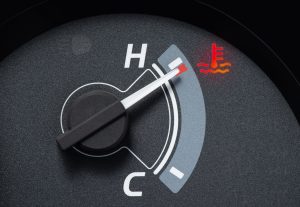
Similar to coolant temp, but signals extreme heat. Cause could be a radiator problem. Stop immediately to prevent engine seizure.
Air Suspension Fault – Severe

Major issue in the air suspension, affecting handling and stability. Stop driving to avoid loss of control.
Yellow/Amber Warning Lights (Action Required Soon)
Check Engine
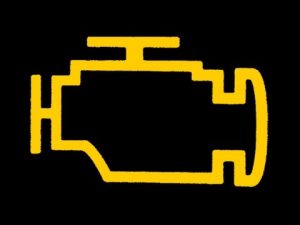
The engine has a fault, like emissions or sensor issues. It won’t cause immediate stop but needs attention. Schedule a diagnostic check soon.
Tyre Pressure Monitor
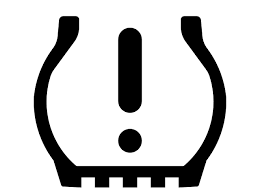
One or more tires have low pressure, risking blowouts or poor handling. Check and inflate tires promptly; reset the system if needed.
Diesel Particulate Filter (DPF)
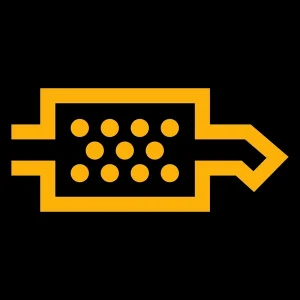
The filter is clogged with soot, affecting emissions. Drive at higher speeds to regenerate or visit a service center for cleaning.
Glow Plug

In diesel models, glow plugs aren’t heating properly for cold starts. This may reduce performance. Have them replaced soon.
ESP (Electronic Stability Program)
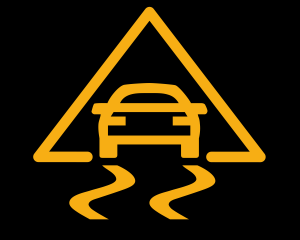
Stability control is off or faulty, reducing traction on slippery roads. Reactivate if possible and get it checked.
Lane Departure Warning
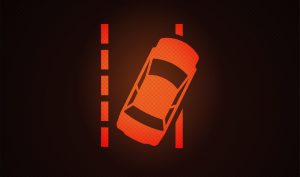
The system detects unintended lane changes. It’s a reminder to stay alert. If faulty, have it serviced for safety.
Bulb Out

An exterior light, like a headlight or brake light, is not working. Replace the bulb soon to avoid tickets or accidents.
Fuel Cap
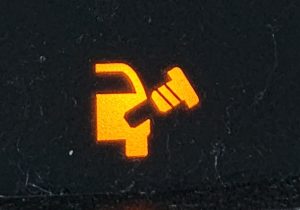
The fuel cap isn’t sealed, causing a system leak. Tighten it securely; if the light stays, check for damage and replace.
Start/Stop System
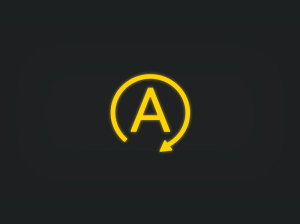
The auto start/stop isn’t functioning, possibly due to battery or sensor issues. Have it inspected to restore efficiency.
Service Vehicle
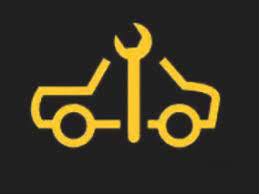
Routine maintenance is due, like an oil change. Schedule a visit to keep the car in good condition.
Frontal Collision Warning

Alerts to potential forward crashes but may be faulty. Clean sensors or get it checked for proper operation.
Transmission Overheat

Gearbox is getting too hot, often from heavy use. Let it cool and check fluid levels; service if needed.
Brake Pad Wear

Brake pads are worn thin, reducing stopping power over time. Replace them soon to maintain safety.
Green Lights (Information Only)
Cruise Control Active
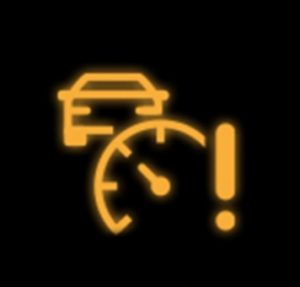
Your cruise control is on and maintaining speed. No action needed; it’s just confirming the system is engaged.
Headlights On

The headlights are activated for better visibility. This is normal; turn off when not required to save battery.
High Beams On

High beam lights are in use. Remember to dim them for oncoming traffic to avoid blinding others.
Turn Signal
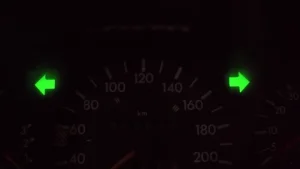
Indicates the turn signals are flashing. It reminds you they’re on; turn off after your maneuver.
Front Fog Lights

Fog lights are switched on for low-visibility conditions. Use only when needed to prevent glare.
Rear Fog Lights
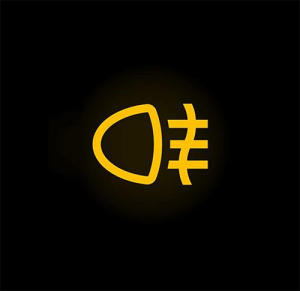
Rear fog lights are active. Turn off in clear weather to avoid confusing other drivers.
Daytime Running Lights
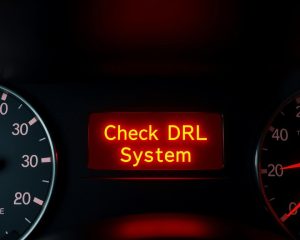
These lights are on automatically during the day for safety. No action required.
Eco Mode
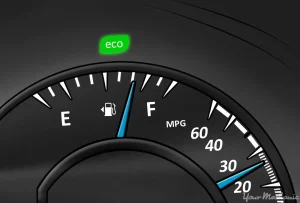
The vehicle is in fuel-saving eco mode, adjusting performance for efficiency. Switch modes as preferred.
Automatic Headlamp Dimmer
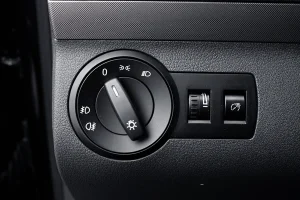
The auto-dimming feature for headlights is active. It adjusts based on conditions; no intervention needed.
Tail Lights On
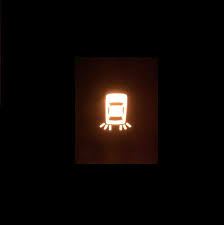
Tail lights are illuminated. This ensures you’re visible from behind; normal operation.
Manual Speed Limiter
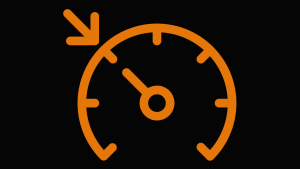
The speed limiter is set and active. It prevents exceeding your chosen limit; adjust if desired.
Dynamic Stability Control (DSC) Active
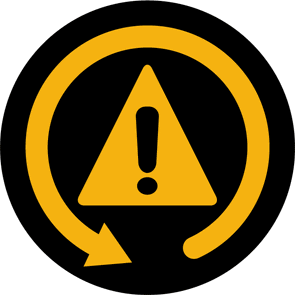
Traction control is on and intervening as needed. It’s providing stability info; drive normally.
Parking Brake Released
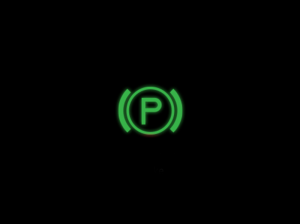
The parking brake is off, ready for driving. This confirms it’s disengaged properly.
When looking at BMW, make sure to check out our guides on models like the BMW 4 Series, BMW 3 Series, BMW 1 Series, and BMW X7. Understanding dashboard warning lights is essential. Our expert reviews break down what each light means, highlighting common alerts for these models and what they could signal about underlying issues, so you’re never left guessing behind the wheel.