Understanding dashboard warning lights in your GWM Jolion is essential for maintaining vehicle safety and preventing breakdowns. These lights alert you to potential issues early, helping avoid costly repairs or accidents by prompting timely action.
By familiarizing yourself with them, you can drive more confidently and ensure your car stays in top condition.
Quick Navigation
Red Warning Lights (Stop Immediately)
These lights signal serious problems that require you to pull over right away and seek help to avoid damage or danger.
Engine Oil Pressure
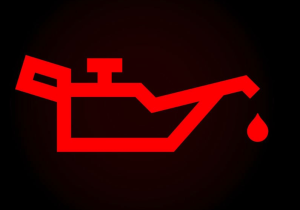
Low oil pressure can cause engine damage from lack of lubrication. Stop the car immediately, check the oil level, and add more if needed; do not drive until fixed.
Brake System Alert
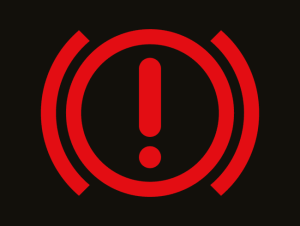
Indicates low brake fluid or a failure in the braking system. Pull over safely and call a mechanic to inspect and repair before driving.
Battery Warning
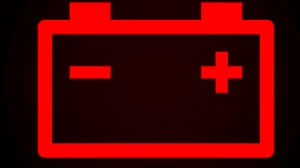
The battery or charging system is failing, which could leave you stranded. Stop and check connections; get professional help if it persists.
Coolant Temperature
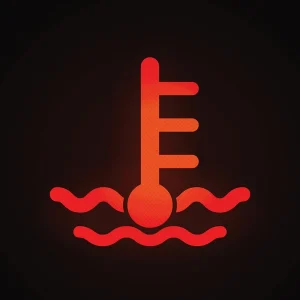
Engine is overheating due to low coolant or a leak. Stop immediately, let it cool, check coolant level, and seek service to prevent engine harm.
Airbag Warning
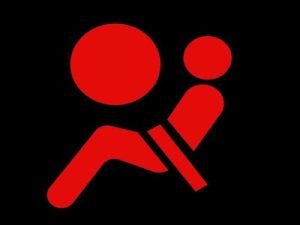
A fault in the airbag system means it might not deploy in a crash. Stop and have it checked by a mechanic right away for safety.
Power Steering Failure
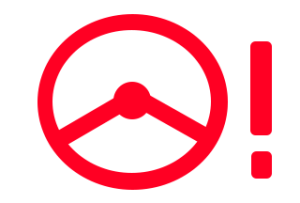
Steering assist is lost, making the car hard to control. Pull over and get it inspected; could be low fluid or pump issue.
ABS Warning
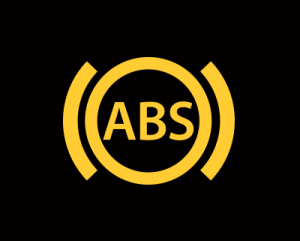
Anti-lock braking system is not working, risking wheel lockup. Stop and have brakes checked to restore safe stopping.
Transmission Overheat
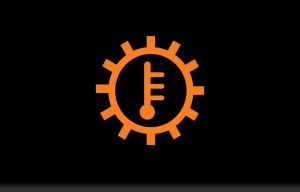
Transmission is too hot, possibly from low fluid or heavy load. Stop, let it cool, and visit a service center.
Seatbelt Reminder
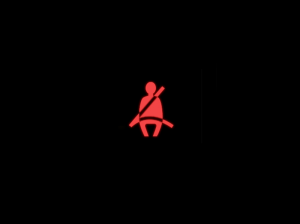
A seatbelt is unfastened while driving, increasing injury risk. Stop and ensure all belts are buckled.
Door Ajar
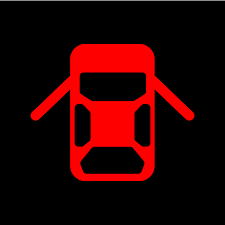
A door is not fully closed, which could open while moving. Pull over and secure all doors.
Low Fuel
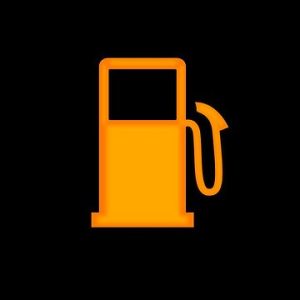
Fuel level is critically low, risking engine stall. Stop and refuel immediately.
Brake Fluid Low
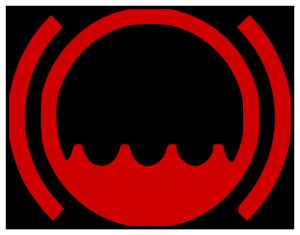
Brake fluid is below safe levels, affecting stopping power. Pull over and top up or fix leaks.
Engine Overheat
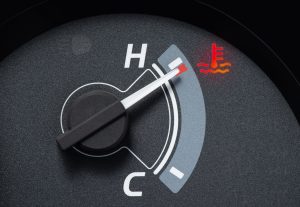
General engine temperature is too high. Stop right away to avoid severe damage.
Hydraulic System Failure
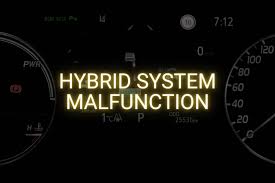
Issue in hydraulic systems like brakes or steering. Stop immediately and call for assistance.
Yellow/Amber Warning Lights (Action Required Soon)
These indicate issues that need attention soon but may not require immediate stopping; address them to prevent escalation.
Check Engine
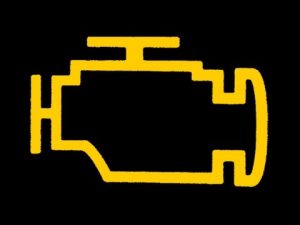
Engine has a fault like sensor issues or emissions problems. Get it diagnosed at a service center soon.
Tyre Pressure Monitoring
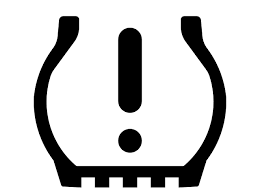
One or more tires have low pressure, affecting handling. Check and inflate tires promptly.
ESP Stability Control
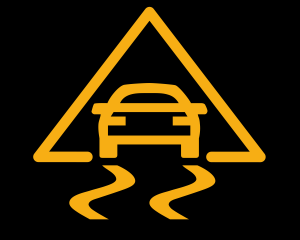
Electronic stability program is off or faulty, reducing traction. Have it checked to restore control features.
Glow Plug

Diesel pre-heat system issue in cold weather; may cause hard starts. Replace glow plugs if light stays on.
DPF Filter
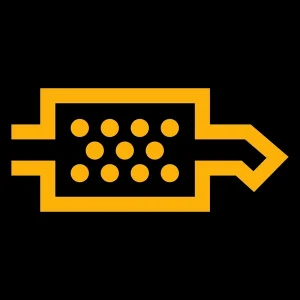
Diesel particulate filter is clogged, needing regeneration. Drive at highway speeds or visit a mechanic.
Transmission Warning
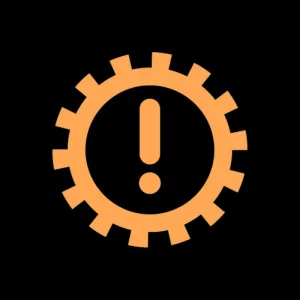
Transmission fluid low or sensor fault. Check levels and get serviced soon.
Brake Pad Wear
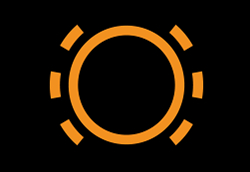
Brake pads are worn thin, reducing stopping efficiency. Replace pads soon to avoid rotor damage.
Coolant Level Low
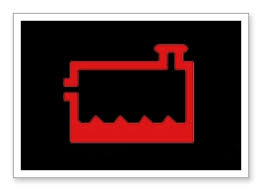
Coolant is below minimum, risking overheat. Top up coolant and check for leaks.
Fuel Filter Warning
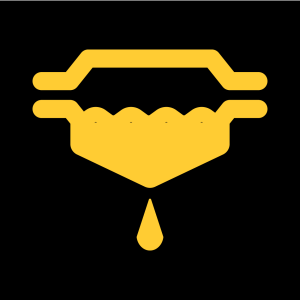
Fuel filter needs cleaning or replacement. Service it to prevent engine strain.
Suspension Warning
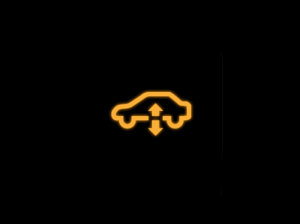
Air suspension has a leak or fault. Get it inspected to maintain ride quality.youtube
Catalytic Converter
Issue with emissions system. Have it checked to avoid performance loss.
Green Indicator Lights (Information Only)
These provide status updates and do not require action; they confirm systems are active or normal.
Eco Mode
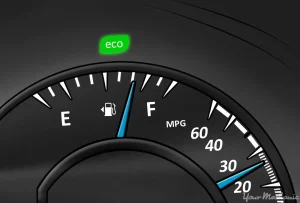
Eco driving mode is engaged for better fuel efficiency. No action needed; it’s optimizing performance[46 from ].
Cruise Control On
Cruise control is active, maintaining set speed. Monitor road conditions.
High-Beam Headlights
High beams are on for better visibility. Switch to low beams when approaching traffic.
Front Fog Lights

Front fog lights are activated for low visibility. Turn off when not needed.
Rear Fog Lights
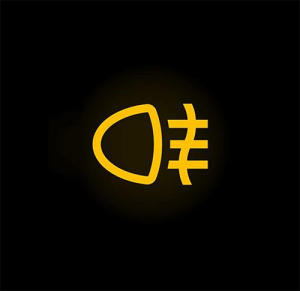
Rear fog lights are on to alert following vehicles. Use only in poor visibility.
Turn Signals
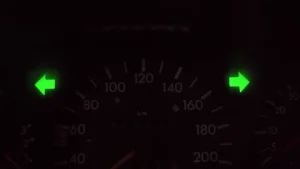
Direction indicators are flashing for turns. They auto-cancel after maneuver.
Side Lights On

Parking or side lights are active. Ensure they’re off when parked to save battery.
Dipped Beam Headlights
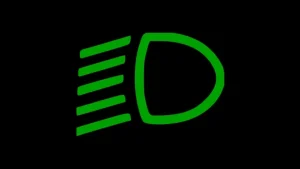
Low-beam headlights are on. Standard for night driving.
Automatic Wipers

Auto windscreen wipers are engaged based on rain sensor. No manual adjustment required.
Hill Descent Control
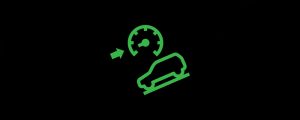
System is active for controlled downhill driving. Use on steep slopes.
Winter Mode

Winter driving mode is on for better traction in snow. Switch as needed.
Adaptive Lighting
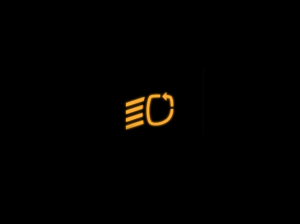
Headlights are adjusting automatically. Improves visibility around corners.
Speed Limiter
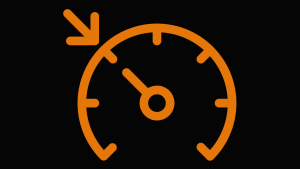
Speed limiter is set to cap maximum speed. Adjust via controls.
Parking Assist
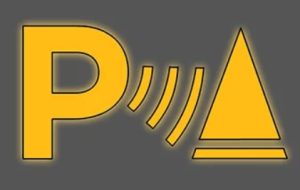
Sensors are aiding parking maneuvers. Follow on-screen guides.
Rear Window Defrost
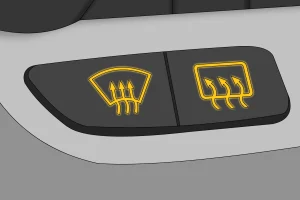
Defroster is clearing rear window. Turns off automatically after time.