Understanding dashboard warning lights in your Holden Caprice is essential for maintaining vehicle safety and preventing costly repairs. These lights alert you to potential issues ranging from minor notifications to critical problems that could lead to breakdowns or accidents.
By recognizing and responding promptly, you can ensure smoother drives and extend your car’s lifespan.
Quick Navigation
Red Warning Lights (Stop Immediately)
Engine Oil Pressure
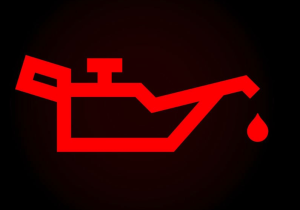
This light signals low oil pressure, which can cause engine damage from lack of lubrication. Possible causes include low oil levels or a faulty pump. Stop the car right away, check the oil level, and add oil if needed; do not drive until fixed.
Brake System Alert
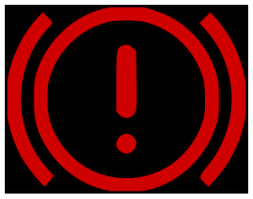
Indicates a problem with the brakes, such as low fluid or system failure. It might mean worn pads or hydraulic issues. Pull over safely, check brake fluid, and call a mechanic immediately to avoid accidents.
Battery Charge Warning
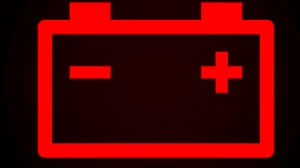
Shows an issue with the charging system, like a failing battery or alternator. The car may lose power soon. Turn off extras like the radio, stop driving, and get it serviced right away to prevent stranding.
Coolant Temperature Warning
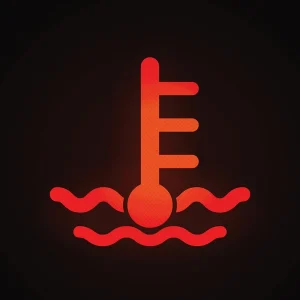
Alerts to high engine temperature, possibly from low coolant or a leak. Overheating can damage the engine. Stop immediately, let the engine cool, check coolant levels, and seek help if it persists.
Airbag Warning
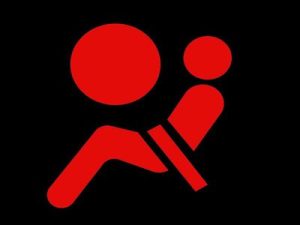
Means a fault in the airbag system, which could fail in a crash. Causes include sensor issues or wiring problems. Stop and have it checked by a professional, as it affects passenger safety.
Power Steering Warning
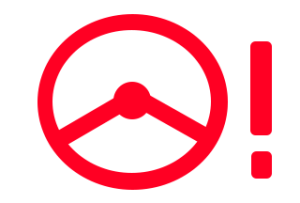
Indicates a problem with power steering, making the wheel hard to turn. Possible causes are low fluid or system failure. Pull over and contact a service center; do not drive, especially at speed.
Transmission Temperature Warning
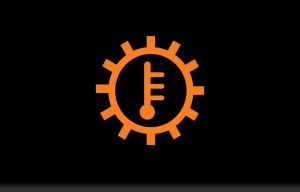
Signals overheating in the transmission, from low fluid or heavy load. It can lead to gear failure. Stop the vehicle, allow it to cool, and visit a mechanic before continuing.
Seatbelt Reminder
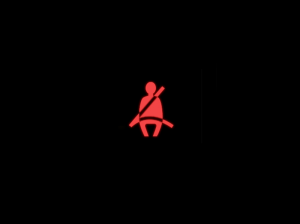
Flashes if seatbelts are not fastened, risking injury in a collision. It detects unbuckled occupants. Fasten all belts immediately; if it stays on, check for sensor faults and fix them.
Door Ajar Warning
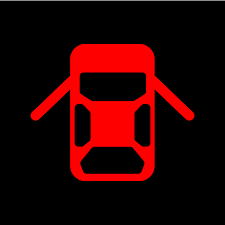
Shows a door is not fully closed, which could open while driving. Causes include faulty latches. Stop, close all doors securely, and inspect for damage if it persists.
Hood Open Warning
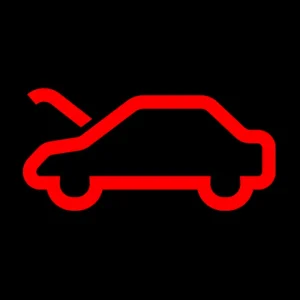
Indicates the hood is not latched properly, risking it flying open. It might be due to a loose mechanism. Pull over, secure the hood, and ensure it locks before driving.
Low Brake Fluid Warning
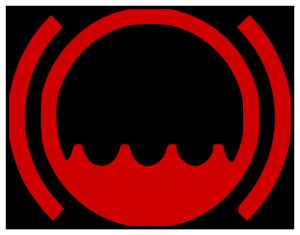
Alerts to low brake fluid levels, reducing stopping power. Leaks or worn parts could cause it. Stop safely, top up fluid, and have the system inspected immediately.
Engine Overheat Warning
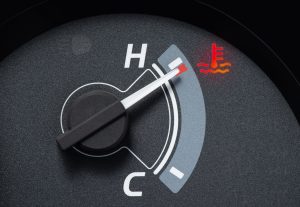
Similar to coolant but focuses on extreme heat buildup. Causes include radiator issues. Stop the car, turn off the engine, and wait for cooling; add coolant and seek repairs.
Master Warning Light
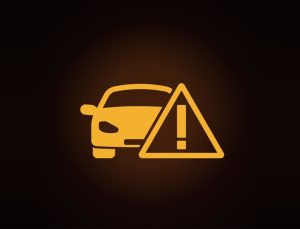
A general alert for critical issues like multiple system failures. It often pairs with other lights. Stop immediately and diagnose with a mechanic to identify the root problem.
Yellow/Amber Warning Lights (Action Required Soon)
Check Engine Light
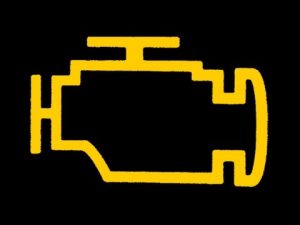
This light means the engine computer detects a fault, like sensor issues or emissions problems. It could reduce performance. Schedule a service soon to scan and fix; do not ignore.
ABS Warning
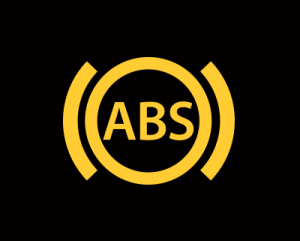
Indicates a problem with the anti-lock brake system, which prevents wheel lockup. Sensor faults are common. Have it checked soon, as regular brakes work but safety is reduced in emergencies.
Tire Pressure Monitoring System
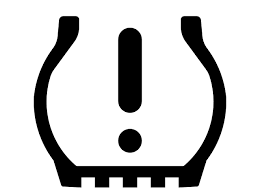
Alerts to low or high tire pressure in one or more tires. It can cause uneven wear or blowouts. Check pressures, inflate to recommended levels, and inspect for damage soon.
Electronic Stability Control Warning
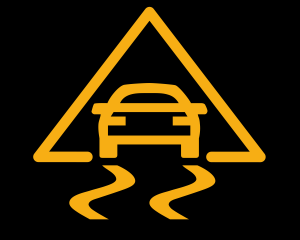
Shows an issue with stability control, affecting traction on slippery roads. It might be a sensor malfunction. Get it serviced promptly to maintain handling safety.
Diesel Particulate Filter Warning
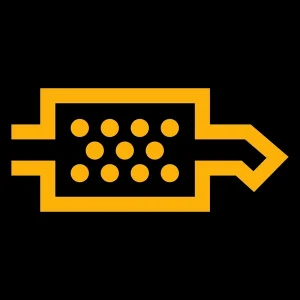
For diesel models, it means the filter is clogged with soot, increasing emissions. Causes include short trips. Drive at highway speeds to clear it, or visit a mechanic if it stays on.
Glow Plug Warning

In diesel engines, indicates glow plugs are heating for startup or have a fault. Cold weather can trigger it. Wait for it to go off before starting; service if persistent.
Electronic Throttle Control Warning
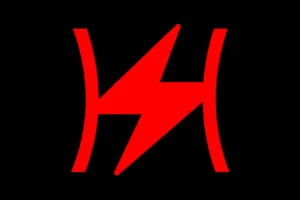
Signals a throttle system issue, affecting acceleration. Wiring or sensor problems cause it. Restart the car; if it remains, see a mechanic to avoid performance loss.
Low Fuel Warning
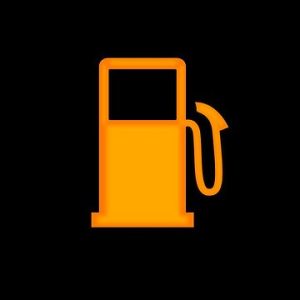
Means fuel is critically low, risking running out. The tank is near empty. Refill at the next station to prevent engine stalling or damage.
Service Vehicle Soon
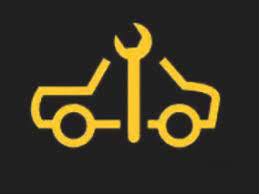
A general reminder for maintenance or minor faults. It could be due to overdue service. Check the owner’s manual and schedule an appointment soon.
ESP Warning
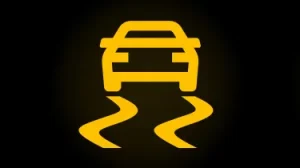
Similar to stability control, it alerts to traction issues or system faults. Slippery conditions trigger it. Have the system inspected if it stays on for better vehicle control.
Transmission Warning
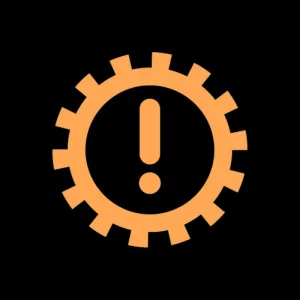
Indicates a transmission issue, like slipping gears or fluid problems. Overheating or wear causes it. Avoid heavy driving and get it checked to prevent breakdowns.
Washer Fluid Low

Shows low windshield washer fluid, impairing visibility. The reservoir needs refilling. Top it up soon to maintain clear views while driving.
Brake Pad Warning

Alerts to worn brake pads, reducing stopping efficiency. Normal wear is the cause. Replace pads at a service center to ensure safe braking.
Eco Mode Indicator
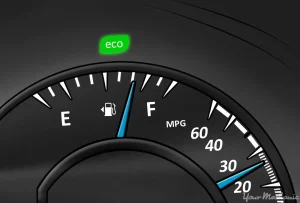
When active, it signals fuel-saving mode but may light amber if there’s a fault. System glitches cause it. Check settings and service if it indicates an error.
Cruise Control Malfunction
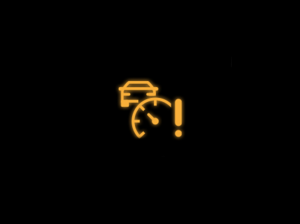
Means cruise control has a fault, preventing steady speed maintenance. Sensor issues are common. Have it repaired for convenience on long drives.
Green Warning Lights (Information Only)
High Beam Indicator

Shows high beam headlights are on for better night visibility. It’s informational. Switch to low beams when approaching other vehicles.
Turn Signal Indicator
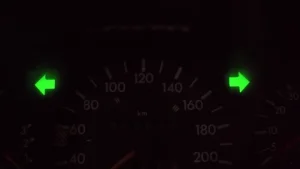
Flashes when turn signals are activated for changing lanes or turns. It confirms operation. No action required unless it fails to light.
Front Fog Light On

Means front fog lights are active for low-visibility conditions. It’s a status light. Turn off when not needed to save bulbs.
Rear Fog Light On
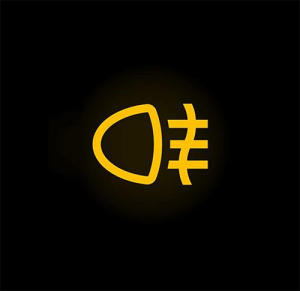
Indicates rear fog lights are on to alert following drivers in fog. Informational only. Deactivate in clear weather.
Eco Mode Active
Shows the vehicle is in fuel-efficient mode, adjusting performance. No problem. Switch modes as desired for driving style.
Parking Lights On
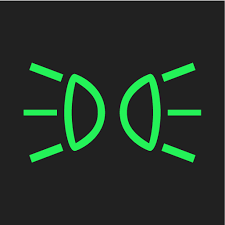
Indicates parking lights are engaged for stationary visibility. Informational. Turn off when driving to conserve battery.
Seat Heater Active
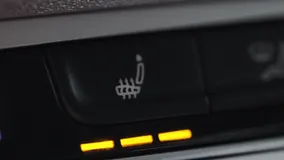
Means seat heaters are on for comfort in cold weather. No issue. Adjust or turn off as needed.
Lane Departure Assist On
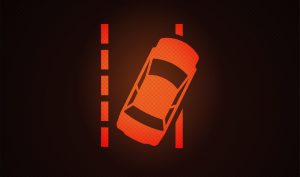
Shows the system is active, helping keep the car in its lane. It’s just confirming status. No action required.
Blind Spot Monitoring Active
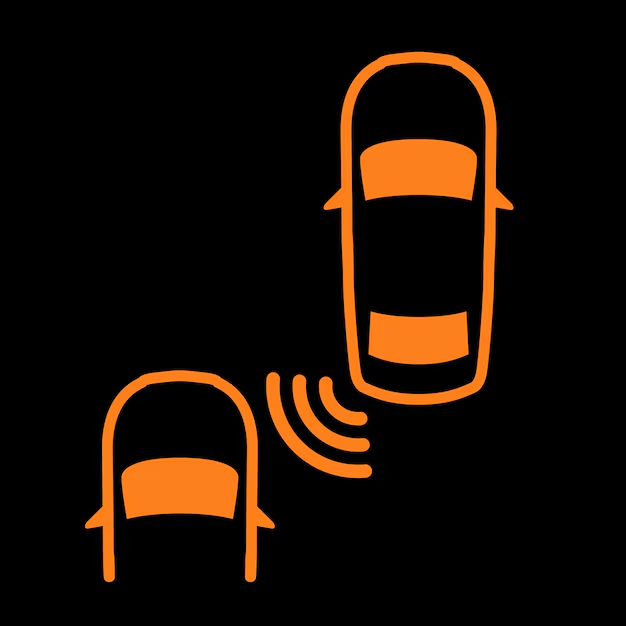
Indicates the blind spot detection is working to alert for nearby vehicles. Informational. Rely on it but check mirrors too.
Hill Descent Control Active

For off-road, it shows slow descent mode is on. No problem. Use when needed on slopes.
Four-Wheel Drive Engaged
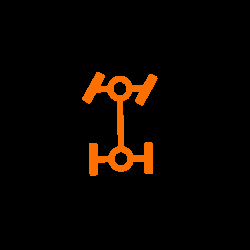
Confirms 4WD is active for better traction. Informational. Switch based on terrain.
Rain Sensing Wipers On

Indicates automatic wipers are enabled for rain. It’s a status indicator. No action unless disabling.
When looking at Holden, make sure to check out our guides on models like the Holden Astra, Holden Captiva, Holden Barina, and Holden Calais. Understanding dashboard warning lights is essential. Our expert reviews break down what each light means, highlighting common alerts for these models and what they could signal about underlying issues, so you’re never left guessing behind the wheel.