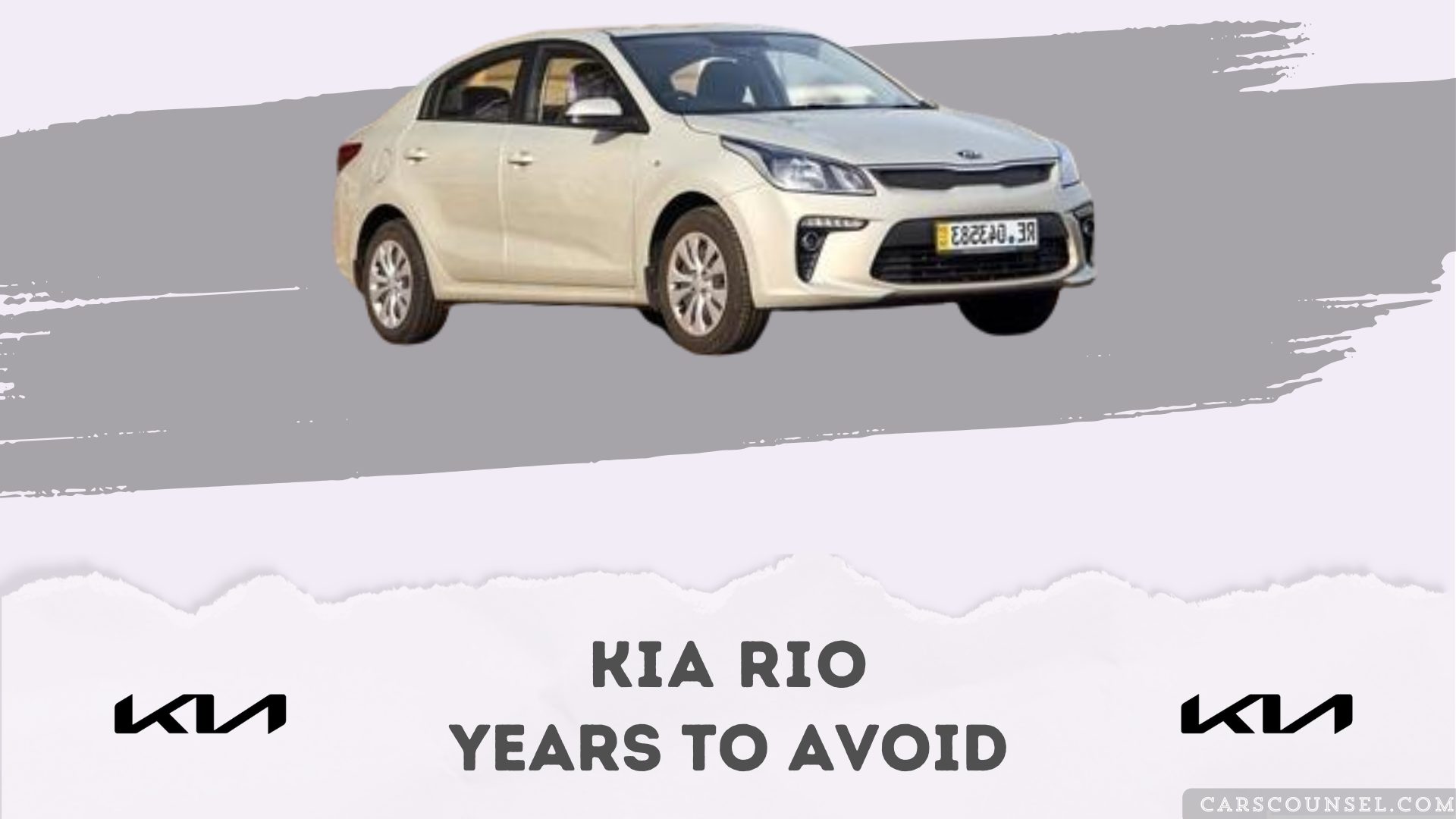
The best Kia Rio years include 2005, 2006, 2015, and 2019 through 2023. These model years offer comparatively stronger reliability and fewer severe defects. Buyers should prioritize these when searching for a dependable subcompact car.
You should avoid the 2001, 2004, 2007, 2008, 2013, and 2014 model years. These specific versions are associated with severe fuel system leaks, engine stalling, and transmission failures that lead to expensive repairs.
Rankings are comparative, and no used vehicle is flawless. Maintenance history, rust, and previous accident damage heavily influence longevity. Always verify the VIN for open recalls before purchasing any Kia Rio.
Quick Navigation
Best and Worst Kia Rio Years at a Glance
| Model Year | Verdict | Main Reason | Buyer Guidance |
|---|---|---|---|
| 2001 | Avoid | Fuel system leaks, engine issues | Verify fuel tank filler neck |
| 2002-2003 | Approach Carefully | Aging components, early-gen quirks | Pre-purchase inspection required |
| 2004 | Avoid | Fuel leaks, engine reliability | Check recall completion |
| 2005-2006 | Best Older Choice | Improved reliability, mature platform | Check maintenance records |
| 2007-2008 | Avoid | Engine noise, transmission issues | Avoid due to powertrain risks |
| 2009-2011 | Good Choice | Solid reliability, minor aging issues | Inspect suspension and brakes |
| 2012 | Approach Carefully | First year of 3rd gen, teething issues | Verify engine and steering |
| 2013-2014 | Avoid | Engine stalling, brake, A/C issues | High risk of expensive repairs |
| 2015-2017 | Good Choice | Refined 3rd gen, better reliability | Check service history |
| 2018 | Approach Carefully | First year of 4th gen redesign | Inspect electronics and engine |
| 2019-2023 | Best Late-Generation Choice | Mature platform, final US market years | Verify warranty and maintenance |
Key Takeaways
- 2005, 2006, 2015, and 2019-2023 are the strongest choices.
- Avoid 2001, 2004, 2007, 2008, 2013, and 2014 due to major defects.
- Early 2000s models suffer from dangerous fuel tank filler neck leaks.
- 2013 and 2014 models experience engine stalling and brake master cylinder faults.
- Modern Kias use soy-based wiring that attracts rodents; inspect engine bays carefully.
- Always verify VINs for open safety recalls and service campaign completion.
How We Evaluated the Kia Rio Model Years
Our analysis evaluates official NHTSA recalls, manufacturer service campaigns, and consumer complaint patterns. We separate confirmed mechanical defects from isolated owner allegations and general aging issues.
Complaint totals are not failure rates, and a single recall does not automatically make a vehicle unreliable. Recent model years have less long-term ownership data, meaning their reliability ratings remain subject to change.
Best Kia Rio Years
2005 and 2006
These second-generation models represent a mature platform with improved build quality. They avoid the severe fuel leaks of earlier years and offer solid daily-driver reliability when properly maintained.
2015 through 2017
The late third-generation models benefit from resolved early-production teething issues. The 2015 model year shows a marked decrease in engine and air conditioning complaints compared to earlier versions.
2019 through 2023
As the final US-market offerings, these fourth-generation vehicles use a proven powertrain. They offer modern safety features and strong reliability, though buyers should verify that all software updates and recalls are complete.
Best Year by Buyer Type
Best Older Choice: 2006
A solid budget option with a mature design, provided the fuel system and suspension have been inspected for age-related wear.
Best Mid-Cycle Choice: 2015
Offers a great balance of modern features, improved infotainment, and refined powertrain reliability without the first-year redesign risks.
Best Late-Generation Choice: 2022
Provides the most up-to-date safety technology and a proven track record before Kia discontinued the US-market Rio.
Years to Approach Carefully
2002, 2003, 2009, 2010, 2011, 2012, and 2018
These years are generally acceptable but require careful inspection. First-year redesigns like 2012 and 2018 may exhibit early-production electrical or transmission quirks that were smoothed out in later years.
Aging second-generation models from 2009 to 2011 may require suspension and brake component replacements simply due to mileage and age. Always budget for immediate maintenance.
Worst Kia Rio Years
2001 and 2004
These first-generation models are plagued by severe fuel tank filler neck corrosion. This defect causes dangerous fuel leaks and poses a significant fire risk, making them a poor used-car investment.
2007 and 2008
Owners report persistent engine noise, premature wear, and automatic transmission failures. The cost of replacing the transmission often exceeds the vehicle’s current market value.
2013 and 2014
These third-generation models suffer from unexpected engine stalling, faulty air conditioning compressors, and brake master cylinder failures. These issues compromise safety and lead to frustrating, recurring repair bills.
Kia Rio Reliability by Generation
First Generation (2001-2005)
The earliest US-market Rios are generally unreliable. While 2005 saw improvements, the 2001 and 2004 models are notorious for fuel system leaks and rough-running engines.
Second Generation (2006-2011)
This generation brought better styling and improved structural rigidity. The 2005 and 2006 models are standouts, while 2007 and 2008 introduced new powertrain vulnerabilities.
Third Generation (2012-2017)
The 2012 redesign introduced a more powerful engine, but the 2013 and 2014 models struggled with stalling and brake issues. Waiting for the 2015 refresh yields a much more dependable vehicle.
Fourth Generation (2018-2023)
Kia discontinued the Rio in the US after 2023. This final generation is the most reliable, featuring a mature 1.6-liter engine and modern safety suites. Buyers needing more space might consider the related Kia Soul.
Common Kia Rio Problems
Fuel System Leaks
Early models, particularly 2001 and 2004, suffer from fuel tank filler neck corrosion. This allows raw fuel to leak, creating a severe fire hazard and requiring expensive tank replacement.
Engine Stalling and Noise
The 2013 and 2014 models frequently experience unexpected engine stalling due to sensor or fuel delivery faults. Additionally, 2007 and 2008 models are known for excessive engine noise and premature bearing wear.
Brake Master Cylinder Faults
Some 2013 and 2014 owners report a soft brake pedal or reduced braking pressure. This internal master cylinder leak compromises stopping power and requires immediate replacement to ensure safety.
Rodent Damage to Wiring
Like many modern vehicles, the Rio uses soy-based wire insulation. This eco-friendly material attracts rodents, leading to chewed harnesses, electrical gremlins, and thousands of dollars in diagnostic and repair costs.
Repair-Cost Overview
| Problem | Affected Years | Approximate Range | Notes |
|---|---|---|---|
| Fuel Tank Filler Neck | 2001-2004 | $400 – $800 | Corrosion causes leaks |
| Brake Master Cylinder | 2013-2014 | $300 – $600 | Internal seal failure |
| Wiring Harness Repair | 2012-2023 | $500 – $2,000+ | Rodent damage to soy wiring |
Repair costs vary significantly by region, labor rates, and parts availability. Independent mechanics generally charge less than dealerships, but complex electrical diagnostics may require specialized dealer equipment.
What to Check Before Buying a Used Kia Rio
- Verify the VIN for open NHTSA recalls, especially regarding fuel systems and airbags.
- Inspect the fuel filler neck area for corrosion, crust, or fuel odors on older models.
- Check the engine bay for signs of rodent nesting or chewed soy-based wiring.
- Test the brakes for a spongy pedal or delayed engagement, particularly on 2013-2014 models.
- Monitor the engine for stalling or rough idling during a cold start test drive.
- Review service records to confirm regular oil changes and transmission fluid maintenance.
- Hire an independent mechanic for a comprehensive pre-purchase inspection.
Related Buying Guides
- Kia Forte years to avoid: The compact sedan that effectively replaced the Rio in the US market, offering more space and power.
- Kia Soul years to avoid: A boxy, practical subcompact alternative for buyers who need more cargo room than the Rio provides.
Frequently Asked Questions
What is the most reliable Kia Rio year?
The 2015 and 2022 model years are among the most reliable. They benefit from mature platforms, resolved early-generation defects, and strong long-term ownership feedback compared to surrounding years.
Why should I avoid the 2001 and 2004 Kia Rio?
These years are prone to severe fuel tank filler neck corrosion. This defect causes dangerous raw fuel leaks and poses a significant fire risk, making them unsafe used-car investments.
Do Kia Rios have transmission problems?
Yes, the 2007 and 2008 model years frequently suffer from automatic transmission failures and rough shifting. The repair costs often exceed the vehicle’s value, making these years a financial risk.
Is the 2013 Kia Rio a good used car?
No, the 2013 model year is best avoided. Owners report frequent engine stalling, failing air conditioning compressors, and brake master cylinder faults that compromise daily drivability and safety.
Are rodents a problem for the Kia Rio?
Yes, modern Rios use soy-based wire insulation that attracts rodents. Chewed wiring harnesses can cause severe electrical failures and require expensive, time-consuming diagnostic and repair work.
Did Kia discontinue the Rio?
Yes, Kia discontinued the Rio in the United States after the 2023 model year. Buyers looking for a new subcompact must now consider alternatives like the Forte or the larger Soul.
Choosing the Right Kia Rio Model Year
When shopping for a used Rio, prioritize the 2005, 2006, 2015, and 2019 through 2023 model years. These vehicles offer the best balance of reliability, safety, and long-term value.
Strictly avoid the 2001, 2004, 2007, 2008, 2013, and 2014 models due to severe fuel leaks, engine stalling, and transmission failures. Always verify the VIN, check for open recalls, and arrange an independent pre-purchase inspection.

