The Lexus GX is a body-on-frame luxury SUV produced since 2003. It shares its platform with the Toyota 4Runner and Land Cruiser Prado.
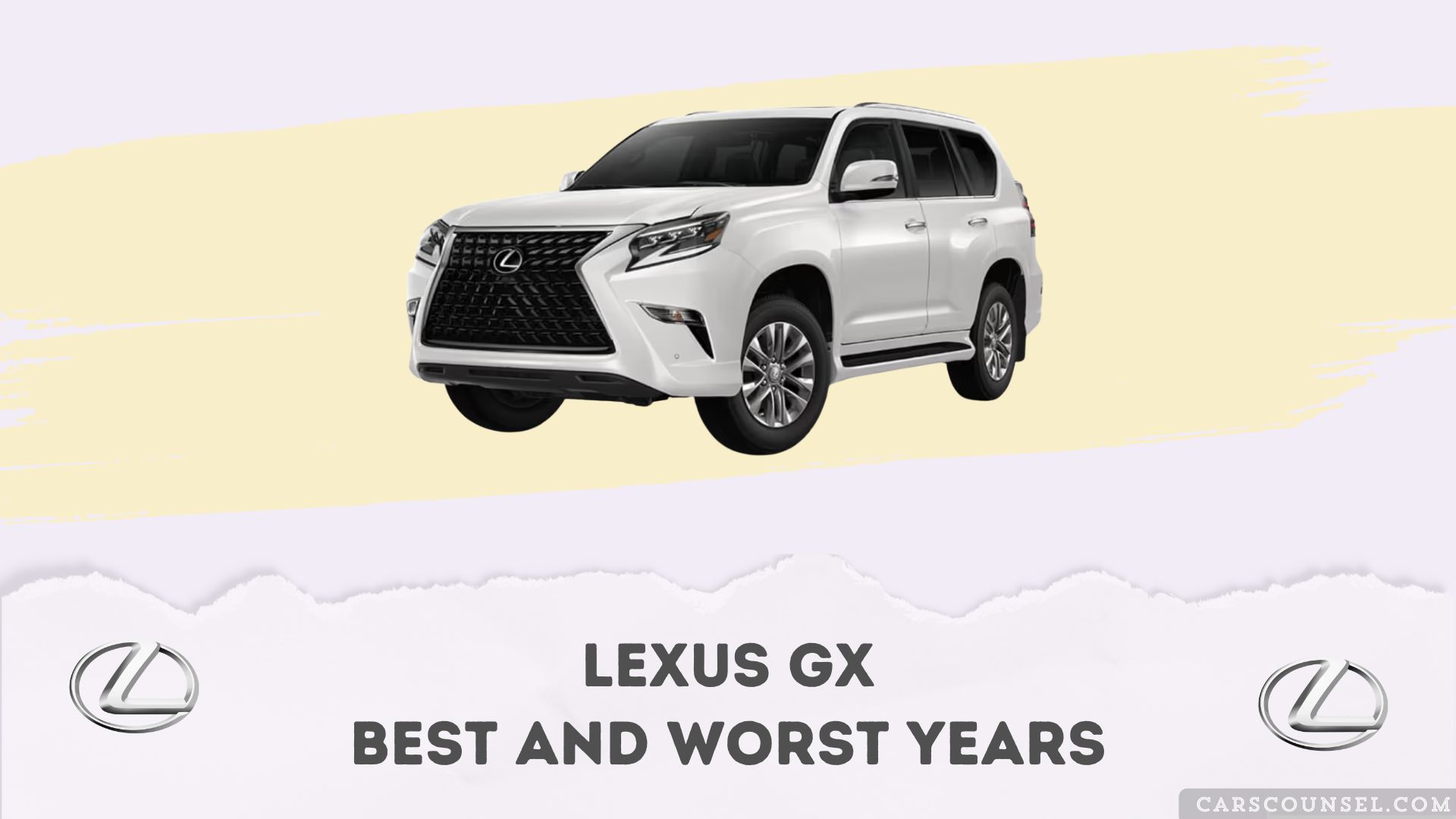
This article breaks down the best and worst model years of the Lexus GX based on reliability, performance, owner complaints, and long-term dependability. Understanding which years to pursue and which to avoid can help you make an informed purchase decision.
Quick Navigation
Lexus GX Generational Overview
First Generation (2003 – 2009)
The first generation Lexus GX, designated GX 470, debuted in 2003. It featured a 4.7-liter 2UZ-FE V8 engine producing 263 horsepower and 323 lb-ft of torque, paired with a five-speed automatic transmission. The GX 470 came standard with full-time four-wheel drive and a height-adjustable suspension system.
The 2003 model year is considered the most problematic due to higher repair costs and first-year production issues, while the 2006 model received the highest number of owner complaints. Common issues included drivetrain clunking noises, electrical problems, and battery drain in certain model years.
Second Generation (2010 – 2023)
The second generation GX 460 launched in 2010 with a redesigned exterior and a new 4.6-liter 1UR-FE V8 engine producing 301 horsepower. The transmission was upgraded to a six-speed automatic, and the platform remained body-on-frame construction. This generation received two facelifts but kept the same engine and transmission throughout its production run.
The 2021 and 2022 model years earned 5/5 reliability ratings, making them the most dependable GX models ever produced. The second generation introduced the Kinetic Dynamic Suspension System (KDSS) as an option, though early versions experienced reliability issues with stabilizer bushings and fluid leakage.
Third Generation (2024 – Present)
The third generation GX 550 debuted in 2023 and entered production in November 2023. It features a 3.4-liter twin-turbo V6 engine paired with a 10-speed automatic transmission and is built on the new GA-F platform. The GX 550 also introduced a hybrid variant, the GX 550h.
The 2025 GX 550 faced a major recall due to manufacturing debris left inside the V6 engine, which can cause bearing failure, engine knocking, stalling, or complete engine failure. This recall affects thousands of vehicles and is shared with the Tundra and LX 600 models equipped with the same engine.
Best Years for the Lexus GX
The following model years represent the most reliable and well-engineered Lexus GX vehicles based on owner feedback and reliability data.
2021 Lexus GX 460
The 2021 model earned a perfect 5/5 reliability rating, the highest of any GX model year. This late second-generation model benefits from over a decade of refinement to the 1UR-FE V8 engine and A760F transmission. Owners reported fewer mechanical issues and better overall quality compared to earlier model years.
2022 Lexus GX 460
The 2022 GX 460 matched the 2021 model with a 5/5 reliability rating and 3/5 owner satisfaction score. This final year of the second generation represents the peak of the J150 platform’s development. The model benefits from all previous updates and refinements without introducing new problems.
2014 – 2017 Lexus GX 460
Mid-production second-generation models offer strong reliability without the early production issues of 2010-2013 models. These years feature the proven 4.6-liter V8 and six-speed transmission with improved build quality. Owners report fewer complaints compared to early second-generation models.
2008 – 2009 Lexus GX 470
Late first-generation models benefit from years of refinement to the 4.7-liter V8 platform. The 2008 and 2009 models received exterior updates and improved interior materials compared to earlier GX 470 versions. These final years of the first generation offer better reliability than early 2003-2004 models.
Worst Years for the Lexus GX
Certain model years experienced higher rates of complaints, recalls, and mechanical failures.
2003 Lexus GX 470
The inaugural model year is considered the worst GX 470 due to higher repair costs and first-year production problems. Owners reported drivetrain clunking and squealing noises, particularly when releasing the brake pedal. As the first year of production, the 2003 model lacked the refinements found in later years.
2006 Lexus GX 470
The 2006 model received the highest number of owner complaints among all first-generation GX years. Common issues included drivetrain problems and various mechanical failures. This mid-cycle model year stands out as particularly problematic compared to other GX 470 years.
2004 Lexus GX 470
The 2004 model experienced widespread electrical problems, including corroded battery terminals and wires. Many owners reported batteries discharging overnight, requiring frequent jump starts or battery replacements. These electrical issues created significant inconvenience for owners.
2009 Lexus GX 470
The final year of the first generation suffered from alternator failures. In reported cases, alternators died prematurely at around three years old, well before their expected service life of over five years. This expensive repair created unexpected costs for owners.
2025 Lexus GX 550
The first full production year of the third generation faces a major recall for engine manufacturing debris. The 3.4-liter twin-turbo V6 may contain factory debris that causes bearing failure, engine knock, rough idling, stalling, or complete engine failure. This serious defect affects thousands of vehicles and represents a significant reliability concern.
Common Problems Across the Lexus GX Lineup
Water Pump Coolant Leaks
The GX 460 commonly develops coolant leakage from the water pump around 70,000 miles due to seal integrity loss. The pump begins leaking coolant over time, potentially leading to engine overheating. Replacing the water pump before failure prevents more serious engine damage.
Timing Chain Cover Oil Leak
The timing chain cover oil leak affects many GX 460 models and appears as a common complaint on NHTSA records. This repair typically costs between $1,000 and $2,000 due to labor intensity. The leak originates from degraded gaskets at the timing chain cover.
KDSS Suspension Issues
The Kinetic Dynamic Suspension System experiences fluid leakage and component failures, particularly in early second-generation models. Many owners require service center visits before reaching 50,000 miles for KDSS-related problems. Regular cleaning and anti-corrosion coating application helps prevent these issues.
Transmission Hesitation and Jerk
The GX 550 exhibits low-speed transmission jerk and hesitation during acceleration. Owners report a noticeable delay or rough shift quality when accelerating from a stop. This issue affects the new 10-speed automatic transmission in third-generation models.
Drivetrain Clunking Noises
Early first-generation models, particularly 2003 units, produce clunking and squealing noises from the drivetrain. The noises typically occur when the driver releases the brake pedal. Lexus acknowledged this as a manufacturing defect and worked on solutions.
Alternator Failure
The 2009 GX 470 experienced premature alternator failures before the expected service life. Alternators failed while vehicles were still relatively new, around three years old. Replacement costs were significant due to the expensive part and labor required.
Low-Frequency Vibration
The GX 550 produces low-frequency vibration or washboard jitter at various speeds. This issue creates an uncomfortable driving experience and affects ride quality. The vibration appears related to suspension or drivetrain components in the new generation.
Windshield Cracking
The third-generation GX 550 experiences windshield cracking with reported delays in availability and repairs. Owners face extended wait times for replacement windshields due to supply issues. This problem creates both safety concerns and inconvenience.
Reliability Breakdown by Year
2025 Lexus GX 550 Reliability Rating
The 2025 model faces significant reliability concerns due to the engine manufacturing debris recall affecting the 3.4-liter twin-turbo V6. Reported problems include transmission hesitation, low-frequency vibration, front brake squeal, windshield cracking, and hood flutter issues. The recall for potential engine failure represents a serious defect in the first full production year.
2024 Lexus GX 550 Reliability Rating
The 2024 model marks the first year of the third generation with limited long-term reliability data available. Early production units share the same engine debris issue that led to the 2025 recall. As a first-year model of an all-new generation, typical new-platform issues may emerge.
2023 Lexus GX 460 Reliability Rating
The 2023 model received a 3/5 reliability rating, down from the perfect scores of 2021-2022 models. This final year of the second generation also scored 3/5 for owner satisfaction. The decline in ratings suggests late-production issues or reduced quality control.
2022 Lexus GX 460 Reliability Rating
The 2022 GX 460 achieved a perfect 5/5 reliability rating with a 3/5 owner satisfaction score. This represents the best reliability performance of any GX model year. The mature platform benefits from over a decade of refinement without major changes.
2021 Lexus GX 460 Reliability Rating
The 2021 model earned a 5/5 reliability rating, matching the 2022 as the most dependable GX year. Owner satisfaction reached 3/5, reflecting solid performance across multiple categories. This late second-generation model demonstrates the peak of the J150 platform’s development.
2020 – 2014 Lexus GX 460 Reliability Rating
Mid-production second-generation models offer strong reliability with fewer reported issues than early 2010-2013 years. These models feature the proven 1UR-FE V8 engine and A760F transmission with improved quality control. Common problems include water pump leaks around 70,000 miles and timing chain cover oil leaks.
2013 – 2010 Lexus GX 460 Reliability Rating
Early second-generation models introduced the new 4.6-liter V8 and six-speed transmission. These years experienced some first-generation platform issues, including early KDSS suspension problems with stabilizer bushings and fluid leakage. Owners reported the need for service before 50,000 miles for KDSS-related repairs.
2009 Lexus GX 470 Reliability Rating
The final year of the first generation suffered from premature alternator failures. Alternators died before their expected service life, creating expensive repair bills. Other electrical problems also appeared in this model year.
2008 – 2007 Lexus GX 470 Reliability Rating
Late first-generation models benefit from platform refinements and improved quality. The 2008 model received exterior updates and better interior materials. These years offer better reliability than early 2003-2006 models with fewer reported complaints.
2006 Lexus GX 470 Reliability Rating
The 2006 model year received the highest number of complaints among all first-generation GX years. Drivetrain problems and mechanical failures occurred more frequently in this year. The 2006 stands out as particularly problematic within the GX 470 lineup.
2005 Lexus GX 470 Reliability Rating
Mid-cycle first-generation models show typical GX 470 characteristics with moderate reliability. Common issues include oil pan gasket leaks and upper control arm ball joint wear. These problems are manageable but require attention during ownership.
2004 Lexus GX 470 Reliability Rating
The 2004 model experienced widespread electrical problems with corroded battery terminals and wires. Many owners reported batteries discharging overnight, requiring frequent replacements. These electrical issues created reliability concerns beyond normal wear items.
2003 Lexus GX 470 Reliability Rating
The inaugural year represents the worst GX 470 due to first-year production issues and higher repair costs. Drivetrain clunking and squealing noises affected many units, particularly when releasing the brake. Lexus acknowledged manufacturing defects in this model year.
Warranty and Ownership Costs
The Lexus GX comes with a four-year/50,000-mile basic warranty and a six-year/70,000-mile powertrain warranty for new vehicles. Annual repair and maintenance costs for the GX 470 average around $600, making it reasonable for a luxury SUV. Major repairs like timing chain cover oil leaks cost between $1,000 and $2,000, while water pump replacement around 70,000 miles represents a common maintenance expense.
Used GX buyers should budget for typical wear items including brakes, suspension components, and fluid changes. The GX 460 achieves approximately 15 MPG in city driving and 21 MPG on the highway at 65 MPH, resulting in higher fuel costs than smaller SUVs. KDSS-equipped models may require suspension repairs before 50,000 miles, with costs varying based on specific component failures.
Third-generation GX 550 models affected by the engine debris recall receive free engine inspection and repair under warranty coverage. Buyers should verify recall completion before purchasing any 2024-2025 GX 550. Extended warranty coverage may provide value for second-generation models approaching 100,000 miles.
Buying Guide: What to Look For
The 2021 and 2022 GX 460 models offer the best combination of reliability and value, earning perfect 5/5 ratings. These late second-generation years benefit from over a decade of platform refinement without the risks of the new third-generation design. Buyers should prioritize these years for maximum dependability.
Avoid the 2003, 2004, and 2006 GX 470 models due to higher complaint rates and specific mechanical issues. The 2025 GX 550 should be avoided until the engine debris recall is fully resolved and long-term reliability is proven. First-year models of any generation carry higher risk of undiscovered defects.
When inspecting used GX models, check for water pump coolant leaks, timing chain cover oil seepage, and KDSS suspension component condition. Verify the battery and alternator condition on 2004 and 2009 models specifically. Request service records showing regular maintenance and any recall completion.
Target GX 460 models with under 100,000 miles for the best reliability and remaining service life. The 1UR-FE V8 engine and A760F transmission prove durable when properly maintained. Test drive the vehicle to identify transmission hesitation, drivetrain noises, or suspension issues before purchase.
When looking at performance cars, make sure to check out our guides on models like the Lexus GX 550, Lexus TX, Lexus Ux and Lexus LS. Knowing which model years to target and which to avoid is crucial. Our expert reviews break down these models, providing insights into the years that are celebrated for their engineering excellence and driving satisfaction, as well as those that are best to avoid due to potential issues.
FAQs
Is the Lexus GX reliable?
The Lexus GX generally offers strong reliability, with RepairPal users rating the GX 470 at 3.9 out of 5.0. The 2021 and 2022 GX 460 models achieved perfect 5/5 reliability ratings, representing the most dependable years. Lexus maintains an excellent overall reputation for reliability compared to competitors.
What year of the Lexus GX is most dependable?
The 2021 and 2022 GX 460 models are the most dependable, both earning 5/5 reliability ratings. These late second-generation years benefit from over a decade of platform refinement and proven powertrain components. No other GX model years achieved perfect reliability scores.
What year should you avoid?
Avoid the 2003, 2004, and 2006 GX 470 models due to first-year issues, electrical problems, and high complaint rates. The 2025 GX 550 should be avoided due to the serious engine manufacturing debris recall that can cause complete engine failure. The 2009 GX 470 also experienced premature alternator failures.
What are the most common problems?
Common GX problems include water pump coolant leaks around 70,000 miles, timing chain cover oil leaks costing $1,000-$2,000, and KDSS suspension fluid leakage. The GX 550 experiences transmission hesitation, low-frequency vibration, and windshield cracking issues. Early GX 470 models suffered from drivetrain clunking and electrical problems.
How long does a Lexus GX last?
The Lexus GX can exceed 200,000 miles with proper maintenance, thanks to its body-on-frame construction and proven V8 engines. The 1UR-FE V8 in the GX 460 and 2UZ-FE V8 in the GX 470 demonstrate long-term durability when serviced regularly. Key maintenance includes addressing water pump leaks, oil seepage, and suspension components at appropriate intervals.
Should I buy a used Lexus GX?
A used Lexus GX represents a good value if you target the right model years and verify maintenance history. Focus on 2021-2022 GX 460 models for maximum reliability, or 2014-2020 models for better pricing with strong dependability. Avoid problematic years like 2003, 2004, 2006, and wait for proven reliability data on the new GX 550 generation.
Conclusion
The Lexus GX offers strong long-term reliability when you select the right model years. The 2021 and 2022 GX 460 represent the best years with perfect 5/5 reliability ratings, while 2014-2020 models provide good dependability at lower prices. Avoid the 2003, 2004, and 2006 GX 470 models along with the recalled 2025 GX 550.
Common problems include water pump leaks, timing chain cover oil seepage, KDSS suspension issues, and transmission concerns in newer models. The GX 470 earns a 3.9 out of 5.0 reliability rating with average annual costs around $600. Target late second-generation models for the best combination of proven reliability, modern features, and value retention.