Understanding dashboard warning lights in a Lexus IS is essential for maintaining vehicle safety, as they alert drivers to potential issues that could lead to accidents or breakdowns.
Prompt recognition and response to these lights help prevent minor problems from escalating into costly repairs or hazardous situations. This comprehensive list covers all major warning lights, categorized by color and urgency, based on Lexus models including the IS series.
Quick Navigation
Red Warning Lights (Stop Immediately)
These lights indicate serious issues requiring you to pull over safely and stop driving right away to avoid damage or danger.
Brake System Warning

This light signals low brake fluid, a hydraulic failure, or parking brake engagement; pull over immediately, check fluid levels, and call for roadside assistance or a mechanic.
Engine Oil Pressure Warning
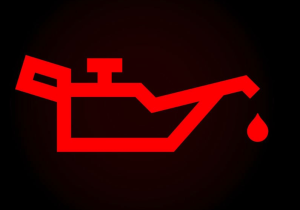
Low oil pressure or overheating can cause engine damage; stop the vehicle safely, check oil level, add if needed, and do not drive until fixed by a service center.
Charging System Warning
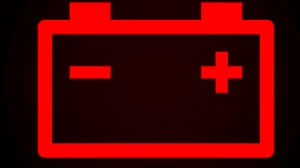
A fault in the battery or alternator means the vehicle may lose power soon; stop immediately and contact a Lexus dealer for inspection.
High Coolant Temperature Warning
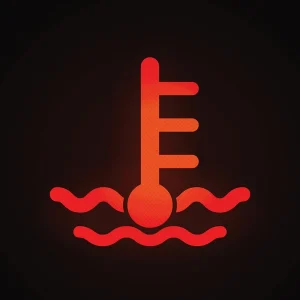
Engine coolant is too hot, risking overheating and damage; pull over, let the engine cool, check coolant level, and seek professional help.
Power Steering System Warning

Issue with electric power steering makes steering difficult or unsafe; stop driving and have the system checked at a service center right away.
Airbag System Warning

Malfunction in airbags or seat belt pretensioners could fail in a crash; stop and get the vehicle inspected immediately for safety.
Low Fuel Level Warning
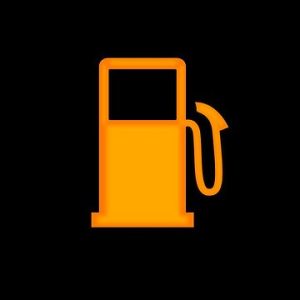
Fuel is critically low, about 2-3 gallons left; stop and refuel to avoid running out and stranding.
Master Warning Light
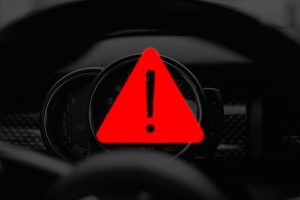
Flashes or stays on with a buzzer for various critical system errors; check the multi-information display and stop to address the issue shown.
Open Door Warning
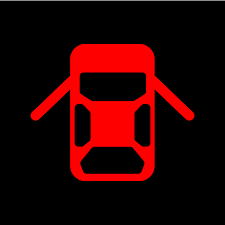
A door or trunk is not fully closed, risking items falling out or distraction; pull over and secure all doors.
Seatbelt Reminder Warning

Driver or passenger seatbelt is unfastened; stop and buckle up to ensure safety in case of collision.
Pre-Collision System Warning

Fault in collision avoidance system, which may not work; stop and have sensors checked or system repaired.
Transmission Temperature Warning
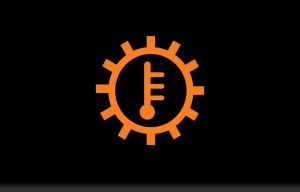
Transmission fluid is overheating; pull over to cool down and visit a service center to avoid damage.
Steering Lock Warning
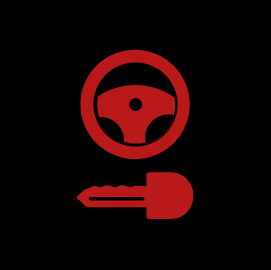
Issue with steering lock mechanism; stop and contact a dealer as vehicle may not steer properly.
Yellow/Amber Warning Lights (Action Required Soon)
These lights mean a problem needs attention soon, but you can usually drive to a safe spot or service center without immediate stopping.
Check Engine Light
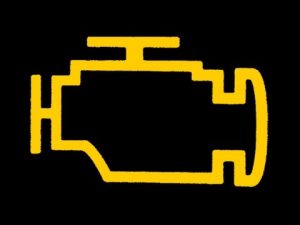
Engine or emissions issue, like a faulty sensor or throttle; drive carefully to a service center for diagnosis.
ABS Warning
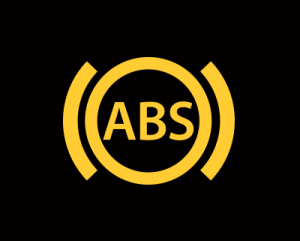
Anti-lock braking system fault, reducing braking effectiveness; get it checked soon to restore safe stopping.
Tire Pressure Warning
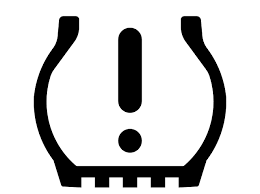
Low tire pressure or system malfunction; check and inflate tires to recommended levels, or visit a dealer if it persists.
ESP/VSC Warning
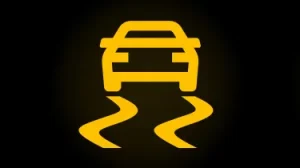
Electronic stability program or vehicle stability control issue; traction may be reduced, so have it inspected promptly.
Airbag Fault Indicator
Secondary airbag system problem; airbags might not deploy correctly, so schedule service soon.
Brake Fluid Warning

Brake fluid level is low; top up fluid and check for leaks, then visit a mechanic.
DPF Warning
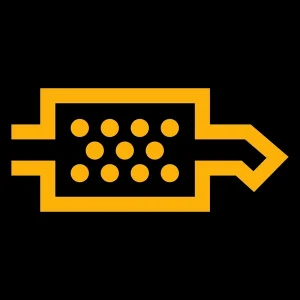
Diesel particulate filter is clogged (if diesel model); drive at higher speeds to regenerate or get professional cleaning.
Transmission Warning

Automatic transmission issue, like fluid problems; limit driving and have it serviced to prevent failure.
Glow Plug Indicator (diesel models)

Glow plugs are heating or faulty; wait for it to turn off before starting, or check if it stays on.
Lane Departure Warning
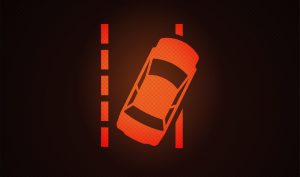
System malfunction or lane deviation detected; clean sensors and get checked if it remains on.
Service Vehicle Soon
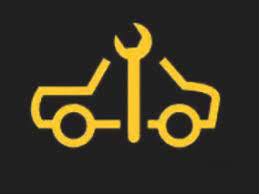
General maintenance needed, like oil change; schedule a service appointment.
Low Washer Fluid Warning

Windshield washer fluid is low; refill to maintain clear visibility.
Blind Spot Monitor Warning
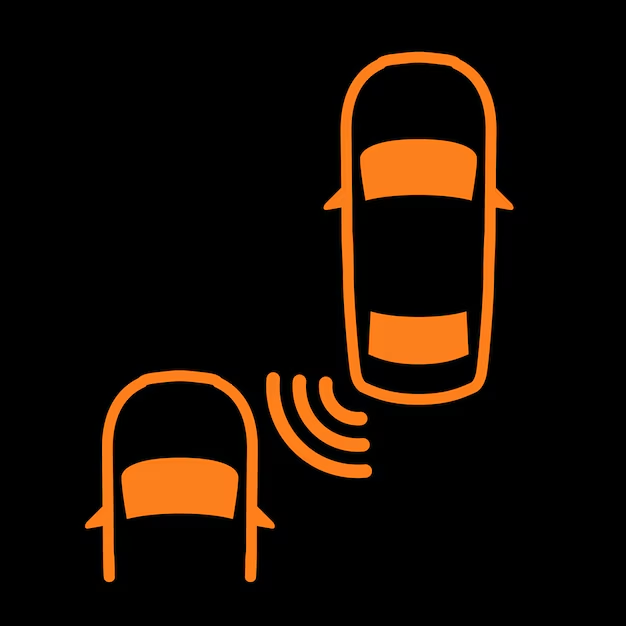
Blind spot detection system fault; sensors may be dirty or failed, clean and inspect.
Green Warning Lights (Information Only)
These lights provide status updates on active systems and do not require action unless they indicate a problem.
High Beam Indicator

High beam headlights are on; no action needed, but switch to low beams for oncoming traffic.
Turn Signal Indicator
Turn signals are active; confirms blinking lights are working for safe lane changes.
Cruise Control Indicator
Cruise control is engaged; speed is maintained automatically until deactivated.
Eco Mode Indicator
Eco driving mode is active, optimizing fuel efficiency; no action required.
Headlight On Indicator

Headlights are turned on; ensures visibility in low light.
Fog Light Indicator
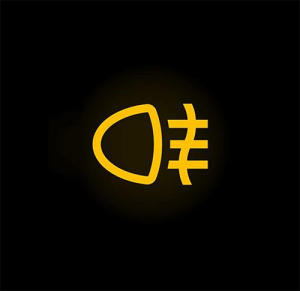
Front or rear fog lights are active; use in poor visibility conditions.
Hazard Light Indicator

Hazard lights are flashing; alerts others to an emergency stop.
Seat Heater Indicator
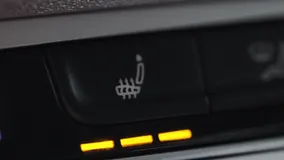
Seat heaters are operating; provides warmth as selected.
Adaptive Headlight Indicator

Adaptive headlights are adjusting automatically; improves night driving.
Rain Sensor Indicator

Automatic wipers are active based on rain detection; no manual adjustment needed.
Drive Mode Indicator
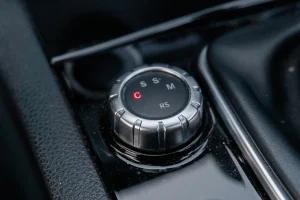
Selected drive mode (e.g., sport or normal) is active; informs current performance setting.
EV Mode Indicator (hybrid models)
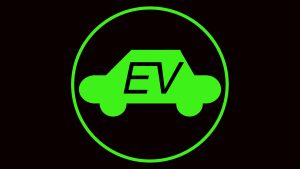
Electric vehicle mode is engaged, running on battery power; switches automatically.
Ready Indicator (hybrid)
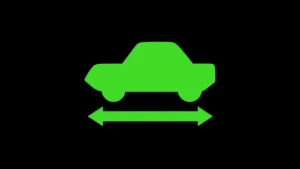
Hybrid system is ready to drive; confirms vehicle is operational.
Traction Control Off Indicator

Traction control is manually turned off; re-enable for better grip if needed.
When looking at Lexus, make sure to check out our guides on models like the Lexus LX, Lexus GX, Lexus GS, and Lexus ES. Understanding dashboard warning lights is essential. Our expert reviews break down what each light means, highlighting common alerts for these models and what they could signal about underlying issues, so you’re never left guessing behind the wheel.