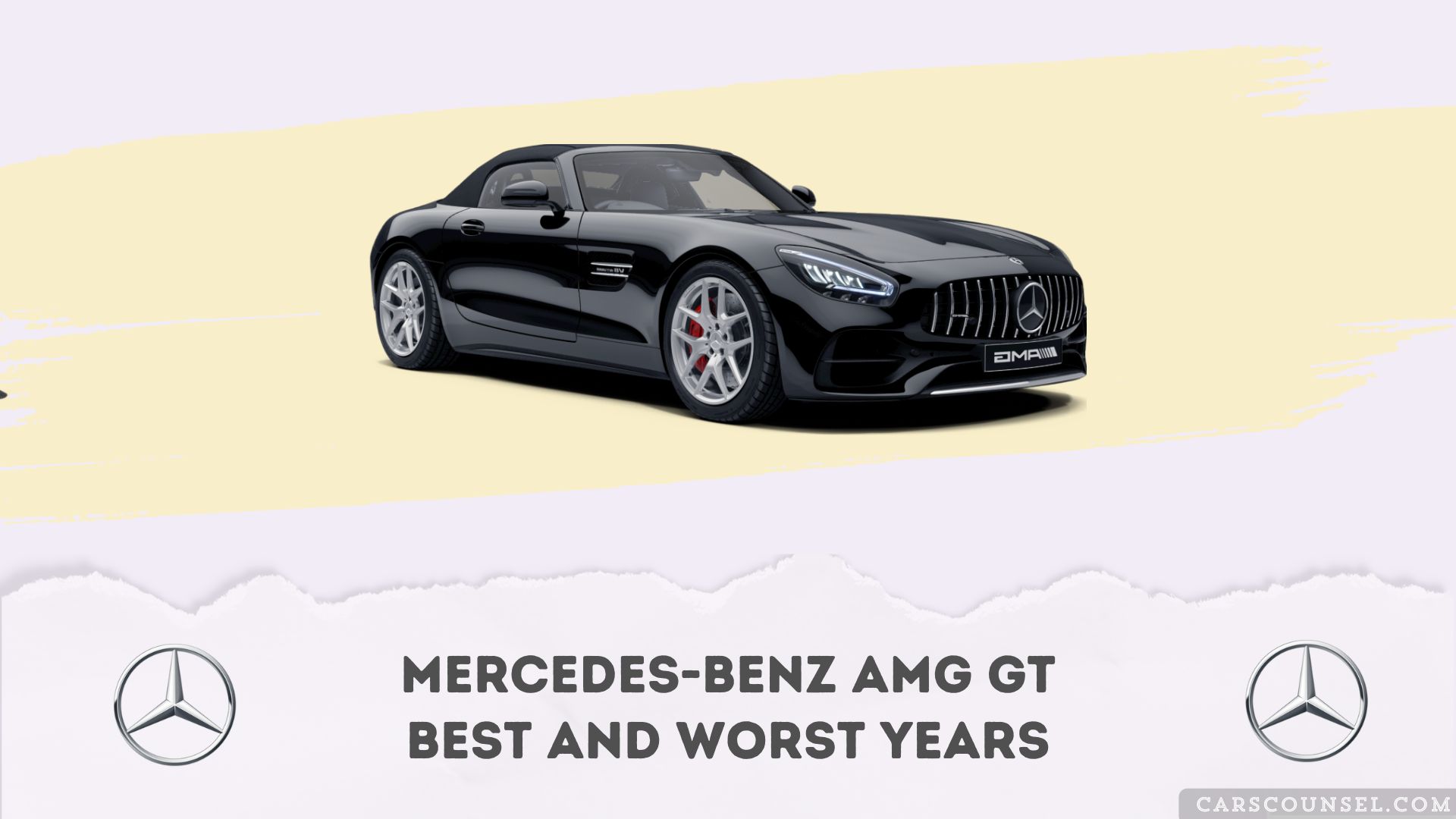
The best Mercedes-Benz AMG GT years are 2020 and 2021, offering mature performance, updated styling, and refined electronics. Buyers should approach the 2016 and 2017 models carefully due to early production recalls and first-year dual-clutch transmission calibration issues.
Rankings are comparative, as no high-performance sports car is flawless. Long-term reliability depends entirely on meticulous maintenance, climate-controlled storage, and the replacement of high-wear performance components.
Meaningful differences exist between model years. Later models feature power increases and updated infotainment, while early models require careful inspection of drivetrain and electrical components.
Quick Navigation
Best and Worst Mercedes-Benz AMG GT Years at a Glance
| Model Year or Range | Verdict | Main Reason | Buyer Guidance |
|---|---|---|---|
| 2016-2017 | Approach Carefully | Early production recalls and DCT calibration issues. | Verify recall completion and inspect driveshaft and electronics. |
| 2018-2019 | Good Choice | Mid-cycle improvements and expanded variant lineup. | Check adaptive suspension and brake wear. |
| 2020-2021 | Best Choice | Facelifted design, power increases, and mature platform. | Focus on maintenance records and ceramic brake condition. |
| 2024+ | Too New to Judge | Second-generation redesign with mild-hybrid V8. | Long-term reliability data remains insufficient. |
Key Takeaways
- The 2020 and 2021 model years are the strongest choices for refined performance and updated electronics.
- The 2016 and 2017 models require careful inspection due to early production recalls and drivetrain calibration.
- The hand-built 4.0L V8 is generally robust, but the dual-clutch transmission can be jerky in stop-and-go traffic.
- High-performance brakes and adaptive suspension components carry premium replacement costs.
- The 2024 second-generation models are currently too new to judge for long-term reliability.
- Always verify the VIN for open recalls and ensure all high-wear items have been serviced.
How We Evaluated the Mercedes-Benz AMG GT Model Years
Our analysis considers official NHTSA recalls, manufacturer service campaigns, and long-term ownership data for these high-performance vehicles. We evaluate powertrain durability, electronic system stability, and the cost of consumable performance parts.
Because sports cars are driven hard, traditional complaint databases are less relevant than physical maintenance records. A well-sorted example with a documented service history is always preferable to a neglected low-mileage car.
Complaints are not failure rates, and a recall does not automatically make a year unreliable. Recent years have less ownership history, so our verdicts reflect comparative maturity rather than absolute perfection.
Best Mercedes-Benz AMG GT Years
2020-2021 Mercedes-AMG GT
These years represent the peak of the first-generation platform. Mercedes-AMG introduced a mild facelift, updated styling, and power increases across the lineup, including the base GT and GT S models.
The electronics and infotainment systems were refined, reducing the glitchiness found in earlier models. Buyers should still verify the condition of the high-performance brakes and adaptive dampers.
Best Year by Buyer Type
Best Enthusiast Choice: 2021 AMG GT R or GT Black Series
The final years of the first generation include the most track-focused variants. These models offer maximum aerodynamic downforce and track capability, appealing to buyers who prioritize performance over daily comfort.
Best Modern Alternative: 2024+ Mercedes-AMG GT
The second generation introduces a new platform, mild-hybrid technology, and available all-wheel drive. It is the best choice for buyers wanting modern luxury and daily usability, though long-term reliability is unproven.
Years to Approach Carefully
2016-2017 Mercedes-AMG GT
The inaugural model years of the AMG GT experienced typical first-year teething issues. Several early production recalls affected the electrical system and drivetrain components.
The 7-speed dual-clutch transmission in these early models is notably jerky at low speeds and in stop-and-go traffic. Later software updates improved this, but buyers should test drive the car in city conditions.
Worst Mercedes-Benz AMG GT Years
No first-generation model year strictly earns an Avoid verdict, but the 2016 and 2017 models are the weakest choices. They carry the highest risk of unresolved early recalls and first-year electronic gremlins.
Buyers looking at these years must verify that the driveshaft bonding and emergency call system recalls were performed. If the service history is incomplete, it is safer to choose a 2018 or newer example.
Mercedes-Benz AMG GT Reliability by Generation
First Generation (2016-2021)
The original AMG GT was built on a dedicated aluminum space frame. The hand-built 4.0L twin-turbo V8 is mechanically strong, but the surrounding electronics and dual-clutch transmission require careful maintenance. Late-production years are the most refined.
Second Generation (2024-Present)
The current generation shares more architecture with the SL-Class and introduces a mild-hybrid V8. While it offers improved daily usability and modern technology, it lacks the long-term ownership history needed for a definitive reliability verdict.
For buyers interested in the brand’s historical high-performance sports cars, the Mercedes-Benz SLS AMG remains a legendary predecessor with its iconic gullwing doors and naturally aspirated V8.
Common Mercedes-Benz AMG GT Problems
Transmission Calibration
The 7-speed dual-clutch automatic transmission is designed for rapid track shifts, but it can be hesitant and jerky at low speeds. This is most noticeable in early model years and in heavy traffic.
Adaptive Suspension Leaks
The adaptive damping system provides excellent handling, but the electronic struts can develop leaks or fail over time. Replacing these performance components is expensive and requires specialized calibration.
Infotainment Glitches
Early models equipped with the older COMAND infotainment system are prone to lagging, freezing, or failing to connect to smartphones. Later models received software updates that largely resolved these frustrations.
Brake Wear
The heavy weight and immense power of the AMG GT cause rapid wear on standard brake pads and rotors. Models equipped with optional ceramic composite brakes face astronomical replacement costs when the rotors eventually wear out.
Repair-Cost Overview
| Problem | Commonly Affected Years | Approximate Repair Range | Important Notes |
|---|---|---|---|
| Brake Pad and Rotor Replacement | All Years | $2,000 – $4,000+ | Ceramic composite brake replacements can exceed $15,000. |
| Adaptive Damper Replacement | All Years | $1,500 – $3,000 per corner | Requires specialized AMG diagnostic calibration. |
| Dual-Clutch Transmission Service | All Years | $800 – $1,500 | Strict adherence to fluid change intervals is mandatory. |
Repair costs vary significantly by region, labor rates, parts availability, and whether the vehicle is serviced at a dealership or an independent European performance specialist. High-performance consumables always carry a premium.
What to Check Before Buying a Used Mercedes-Benz AMG GT
- Verify the VIN to ensure all early electrical and drivetrain recalls have been completed.
- Test the dual-clutch transmission in stop-and-go traffic for excessive shuddering or hesitation.
- Inspect the adaptive suspension for leaks and listen for clunking noises over bumps.
- Check the condition of the brake rotors, noting whether the car has standard or ceramic brakes.
- Review the complete service history to confirm strict adherence to AMG maintenance schedules.
- Arrange a pre-purchase inspection with a certified Mercedes-Benz performance technician.
Related Buying Guides
- Mercedes-Benz SLS AMG best and worst years: The iconic predecessor to the AMG GT, featuring gullwing doors and a naturally aspirated 6.2L V8 engine.
- Porsche 911 best and worst years: The primary benchmark in the high-performance sports car segment, offering a wider variety of configurations and a reputation for daily usability.
- Audi R8 best and worst years: A mid-engine alternative that shares its V10 engine lineage with Lamborghini, providing all-wheel-drive grip and exotic styling.
Frequently Asked Questions
Is the Mercedes-AMG GT reliable?
The hand-built 4.0L V8 engine is mechanically robust, but the car’s overall reliability depends heavily on meticulous maintenance. High-wear components like brakes and suspension parts require expensive, frequent replacement.
What is the most common AMG GT problem?
Owners frequently report low-speed jerkiness from the dual-clutch transmission and premature wear on high-performance brake components. Early models also experienced infotainment system glitches and specific electrical recalls.
Does the AMG GT hold its value?
Special editions, low-mileage examples, and track-focused variants like the GT R and Black Series hold their value exceptionally well. Base models experience standard luxury sports car depreciation but remain highly desirable.
Can I daily drive an AMG GT?
It is possible to daily drive an AMG GT, especially in later model years with updated electronics and refined suspension tuning. However, the stiff ride, poor visibility, and wide dimensions make it challenging in tight cities.
Are AMG GT parts hard to find?
Standard mechanical and electronic parts are readily available through Mercedes-Benz dealerships. However, specific aerodynamic components, interior trim, and ceramic brake replacements can require long lead times and special ordering.
What should I check before buying?
Always verify that all open recalls have been addressed and review the complete service history. A specialized pre-purchase inspection is mandatory to check the dual-clutch transmission and adaptive suspension health.
Choosing the Right Mercedes-Benz AMG GT Model Year
The 2020 and 2021 model years offer the best balance of mature performance, updated styling, and refined electronics for the first-generation AMG GT. They represent the most practical choices for buyers seeking a usable modern classic.
The 2016 and 2017 models should be approached carefully due to early production recalls and first-year transmission calibration issues. Always verify the VIN, prioritize documented maintenance over low mileage, and arrange an independent inspection.

