
You’re driving with your kid in Oregon, and you wonder if they need a booster seat. You must follow the law, which has specific age and height requirements. What are they?
Quick Navigation
Key Takeaways
- Oregon requires booster seats until age 8 or 49 inches tall.
- Children must be over 40 pounds for booster seat use.
- Lap belt must rest low across child’s thighs.
- Shoulder belt must cross over the collarbone.
- Noncompliance results in a fine, typically around $110.
Understanding Oregon Booster Seat Requirements
When you’re driving with kids in Oregon, it’s essential that you understand the state’s booster seat requirements.
Children must be secured in a booster seat until they’re age 8 or 49 inches tall.
Guarantee the safety belt is properly secured, with the lap belt low across the thighs. This helps you make a safe transition from a booster seat to safety restraints, using the lap belt correctly.
Age and Weight Restrictions for Booster Seats
You’ll need to take into account Oregon’s age and weight restrictions for booster seats to confirm your child’s safety.
Oregon law requires a booster seat until they’re 8 or 4’9″ tall, and over 40 pounds. This guarantees the lap belt and shoulder belt are properly secured.
It’s essential to wait for the transition to a safety belt, as rushing it can compromise their safety due to their immature muscular structure.
Proper Use of Booster Seats in Vehicles
You’ll need to make certain that booster seats are used correctly in your vehicle to maximize safety for your child, and this involves positioning the seat belt properly across their body.
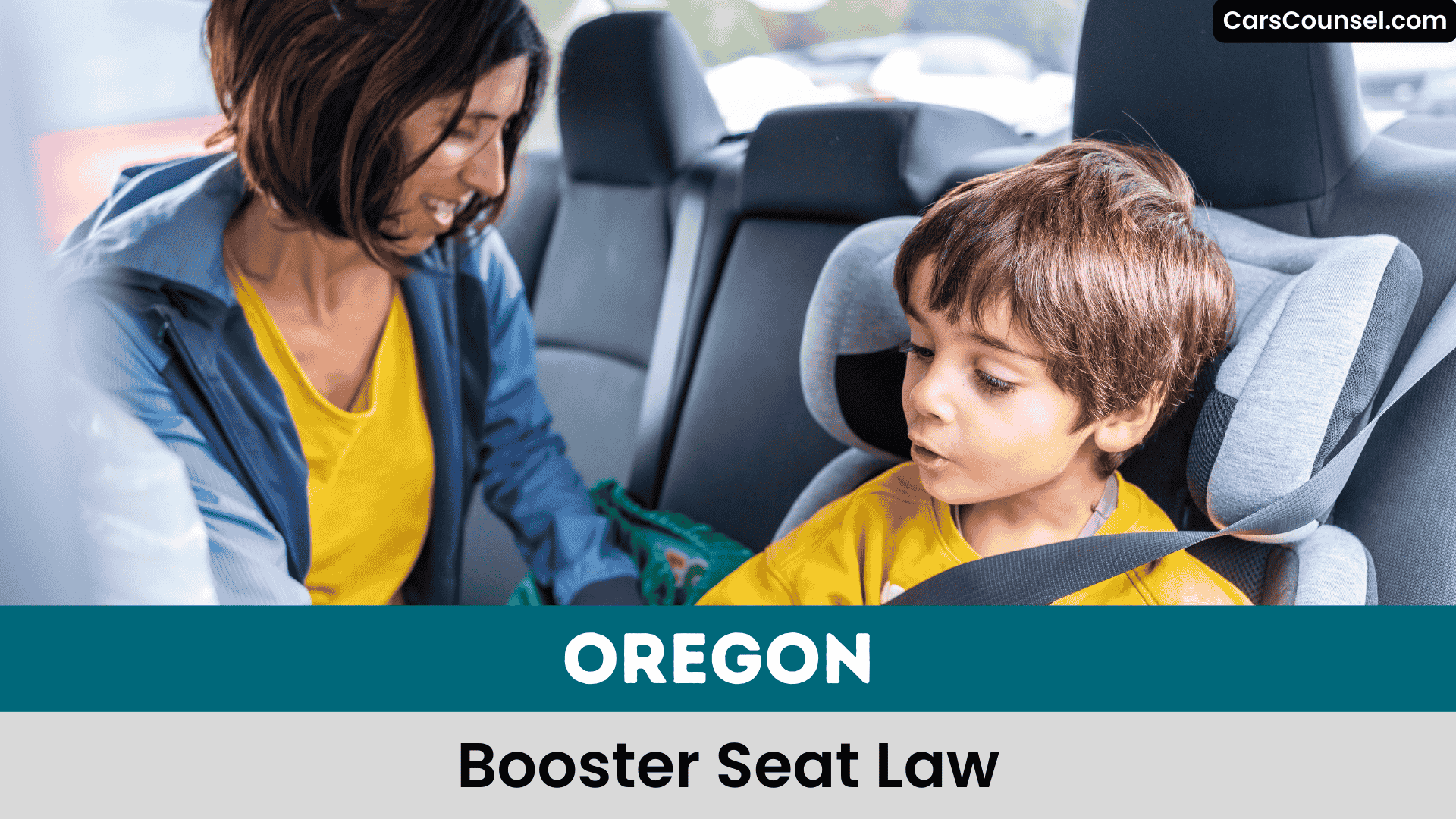
When you’re using a booster seat, you should check that the lap belt rests low across your child’s thighs and the shoulder belt crosses over their collarbone.
You must follow the manufacturer’s instructions for both the booster seat and your vehicle to confirm proper installation and use of the booster seat and seat belts.
Booster Seats
Because booster seats play a critical role in guaranteeing children’s safety while traveling in vehicles, it’s essential to use them correctly.
You must use a booster seat if your child is over 40 pounds until they’re 8 years old or reach a height of 49 inches.
Verify the booster seat is properly secured, with the vehicle’s seat belt fitting snugly across their thighs and collarbone, as per the law and American Academy of Pediatrics guidelines, for maximum child safety seat protection.
Seat Belts
Proper use of seat belts is essential regarding booster seats in vehicles.
You must guarantee children are properly restrained. Oregon law requires it for kids under 16.
A booster seat helps them fit with the vehicle’s seat belt, using lap and shoulder belts correctly, reducing serious injury risk.
Penalties for Noncompliance With Booster Seat Laws
Noncompliance with Oregon’s booster seat law can result in a fine, typically around $110, which may vary depending on the enforcement agency.
You face penalties for noncompliance, affecting child safety and insurance rates.
Key penalties include:
- Fines
- Increased insurance rates
- Risk of injury in accidents, highlighting the importance of booster seats and restraint laws.
Choosing the Right Booster Seat for Your Child
When selecting a booster seat for your child, you’ll want to contemplate how it will meet their specific needs, given Oregon’s laws require children over 40 pounds to use a booster seat until they’re at least 8 years old or 49 inches tall.
Choose a seat that fits your child’s weight, has a high back for head and neck support, and meets federal safety standards.
Follow the manufacturer’s instructions for installation and use to guarantee maximum safety while traveling.
Exemptions and Special Considerations for Booster Seat Use
As you navigate Oregon’s booster seat law, you’ll find that while the rules are clear, there are certain exemptions and special considerations you should be aware of.
Consider the following:
- Medical exemptions for health conditions
- A child’s ability to use adult seat belts
- Proper seatbelt fit at a certain age and height, consult your pediatrician for guidance on exemptions.
State-by-State Booster Seat Laws: Age/Weight Requirements, Rules & Penalties
| Alabama | Alabama requires children age 5 and under to ride in a child safety seat; booster seats are mandated for children who outgrow forward-facing seats until age/weight limits are met. Penalties include fines for noncompliance. |
| Alaska | Alaska’s law mandates booster seats for children who exceed forward-facing limits up to age 8 or height thresholds. Failure to comply can result in citations and fines. |
| Arizona | Arizona requires children under age 5 in appropriate child restraints; boosters are required until children reach height/weight guidelines. Violations may lead to fines. |
| Arkansas | Arkansas requires booster seats for children ages 4–8 who outgrow forward-facing seats until they meet height/weight requirements; noncompliance can lead to penalties. |
| California | California mandates booster seats for children under age 8 unless they are 4’9″ tall. Violations result in fines and may increase insurance costs. |
| Colorado | Colorado law requires boosters for children over forward-facing limits through age 8 or until height/weight thresholds are met. Fines apply for nonuse. |
| Connecticut | Connecticut requires booster seats for children under age 8 who have outgrown forward-facing seats. Penalties include fines for noncompliance. |
| Delaware | Delaware mandates booster seats for children who exceed forward-facing limits up to age 8; infractions can lead to monetary penalties. |
| Florida | Florida requires children under age 6 to be in an appropriate child restraint; boosters are recommended until height/weight limits are met. Violations can result in fines. |
| Georgia | Georgia law requires boosters for children ages 4–7 who exceed forward-facing seat limits until they reach height/weight thresholds. Penalties include fines. |
| Hawaii | Hawaii mandates booster seats for children who have outgrown forward-facing limits up to age 8 or height/weight requirements; fines apply for nonuse. |
| Idaho | Idaho requires booster seats for children after forward-facing stage through age 7 or until height/weight thresholds are met. Noncompliance carries fines. |
| Illinois | Illinois law requires booster seats for children under age 8 unless they exceed height/weight limits; violations result in fines. |
| Indiana | Indiana mandates boosters for children who outgrow forward-facing seats through age 7 or until meeting height/weight standards; penalties include fines. |
| Iowa | Iowa requires booster seats for children ages 4–7 who exceed forward-facing stage until they reach height/weight limits; fines may be imposed. |
| Kansas | Kansas mandates booster seats for children who have outgrown forward-facing seats through age 8 or until height/weight limits are met; violations carry fines. |
| Kentucky | Kentucky law requires boosters for children over forward-facing limits through age 8 or height/weight criteria; infractions result in fines. |
| Louisiana | Louisiana mandates booster seats for children after the forward-facing stage up to age 8 or until proper height/weight is reached; fines apply. |
| Maine | Maine requires booster seats for children who outgrow forward-facing seats until age 8 or height/weight criteria are met; noncompliance may lead to fines. |
| Maryland | Maryland law mandates boosters for children beyond forward-facing limits until age 8 or height/weight thresholds; penalties include fines. |
| Massachusetts | Massachusetts requires booster seats for children who exceed forward-facing stages until age 8 or height/weight limits; fines apply for violations. |
| Michigan | Michigan mandates booster seats for children after forward-facing stage through age 8 or until height/weight requirements are met; fines may be assessed. |
| Minnesota | Minnesota requires boosters for children who exceed forward-facing limits until age 8 or height/weight criteria are met; noncompliance results in fines. |
| Mississippi | Mississippi mandates booster seats for children beyond forward-facing limits through age 8 or until proper height/weight; violations carry fines. |
| Missouri | Missouri’s booster seat law requires usage for children who outgrow forward-facing seats until age 7 or height/weight thresholds; fines may apply. |
| Montana | Montana requires booster seats for children after forward-facing limits until age 7 or height/weight benchmarks; fines for noncompliance. |
| Nebraska | Nebraska mandates booster seats for children who outgrow forward-facing seats through age 8 or until height/weight limits are met; penalties include fines. |
| Nevada | Nevada’s law requires boosters for children after forward-facing limits until age 6 or height/weight criteria are met; fines may be imposed. |
| New Hampshire | New Hampshire requires booster seats for children beyond forward-facing limits up to age 7 or until height/weight thresholds apply; fines for violations. |
| New Jersey | New Jersey mandates booster seats for children who exceed forward-facing stages until age 8 or height/weight limits; noncompliance results in fines. |
| New Mexico | New Mexico requires booster seats after forward-facing limits through age 7 or height/weight thresholds; violations may lead to fines. |
| New York | New York’s booster seat law requires usage until age 8 or until height/weight limits are met. Penalties include fines and possible points. |
| North Carolina | North Carolina mandates booster seats for children who outgrow forward-facing seats until age 8 or height/weight criteria; fines apply. |
| North Dakota | North Dakota requires booster seats after forward-facing stage through age 7 or until height/weight thresholds; penalties include fines. |
| Ohio | Ohio mandates booster seats for children beyond forward-facing limits until age 8 or height/weight criteria are met; fines may be assessed. |
| Oklahoma | Oklahoma requires booster seats for children who exceed forward-facing limits through age 8 or height/weight benchmarks; fines apply. |
| Pennsylvania | Pennsylvania requires boosters for children who outgrow forward-facing seats until age 8 or height/weight limits; fines apply for noncompliance. |
| Rhode Island | Rhode Island mandates boosters until age 8 or height/weight criteria are met. Violations may result in fines. |
| South Carolina | South Carolina requires booster seats for children beyond forward-facing limits through age 8 or height/weight benchmarks; fines apply. |
| South Dakota | South Dakota mandates boosters for children after forward-facing stage until age 7 or height/weight limits; penalties include fines. |
| Tennessee | Tennessee requires booster seats for children who outgrow forward-facing limits until age 8 or height/weight criteria; fines may be imposed. |
| Texas | Texas mandates booster seats for children beyond forward-facing seats until age 8 or height/weight thresholds; violations result in fines. |
| Utah | Utah’s booster seat law requires usage until age 8 or until height/weight requirements are met; fines apply for violations. |
| Vermont | Vermont requires booster seats for children who exceed forward-facing seat limits until age 8 or height/weight benchmarks. Noncompliance carries fines and possible points. |
| Virginia | Virginia mandates booster seats until age 8 or until height/weight criteria; violations may lead to fines and points. |
| Washington | Washington requires boosters for children who outgrow forward-facing limits up to age 8 or height/weight limits; fines can be assessed. |
| West Virginia | West Virginia mandates booster seats until age 8 or height/weight thresholds are met; penalties include fines. |
| Wisconsin | Wisconsin requires booster seats for children beyond forward-facing limits through age 8 or height/weight criteria; fines may apply. |
| Wyoming | Wyoming’s booster seat law mandates usage for children who outgrow forward-facing seats until age 8 or height/weight limits; noncompliance results in fines. |
Frequently Asked Questions
What Is the Weight Requirement for a Booster Seat in Oregon?
You’ll need a booster seat in Oregon if your child weighs over 40 pounds, ensuring proper booster seat safety and adherence to child passenger laws and car seat guidelines.
At What Height and Weight Can You Get Out of a Booster Seat?
Coincidentally, you’re ready to transition when you’re at least 8 years old and 49 inches tall, meeting booster seat regulations and safety standards for ideal child safety.
Can I Put My 4 Year Old in a Booster Seat?
You can put your 4-year-old in a booster seat if they weigh over 40 pounds, but consider booster seat safety and proper installation for best protection, checking child passenger laws.
When Should I Switch My Child to a Booster Seat?
You’re the captain of your child’s safety ship, steering through car seat regulations, so switch to a booster seat when they outgrow rear facing seats, prioritizing child safety and seat belt laws.
Conclusion
You’ll confidently comply with Oregon’s essential car seat codes, carefully considering clever choices for your child’s comfort and vital safety, correctly combining caution with common sense to create a calm, collision-free commute.
