The Renault Captur is a subcompact crossover SUV produced from 2013 to the present. The model has undergone significant updates throughout its production run, including a complete redesign in 2019.
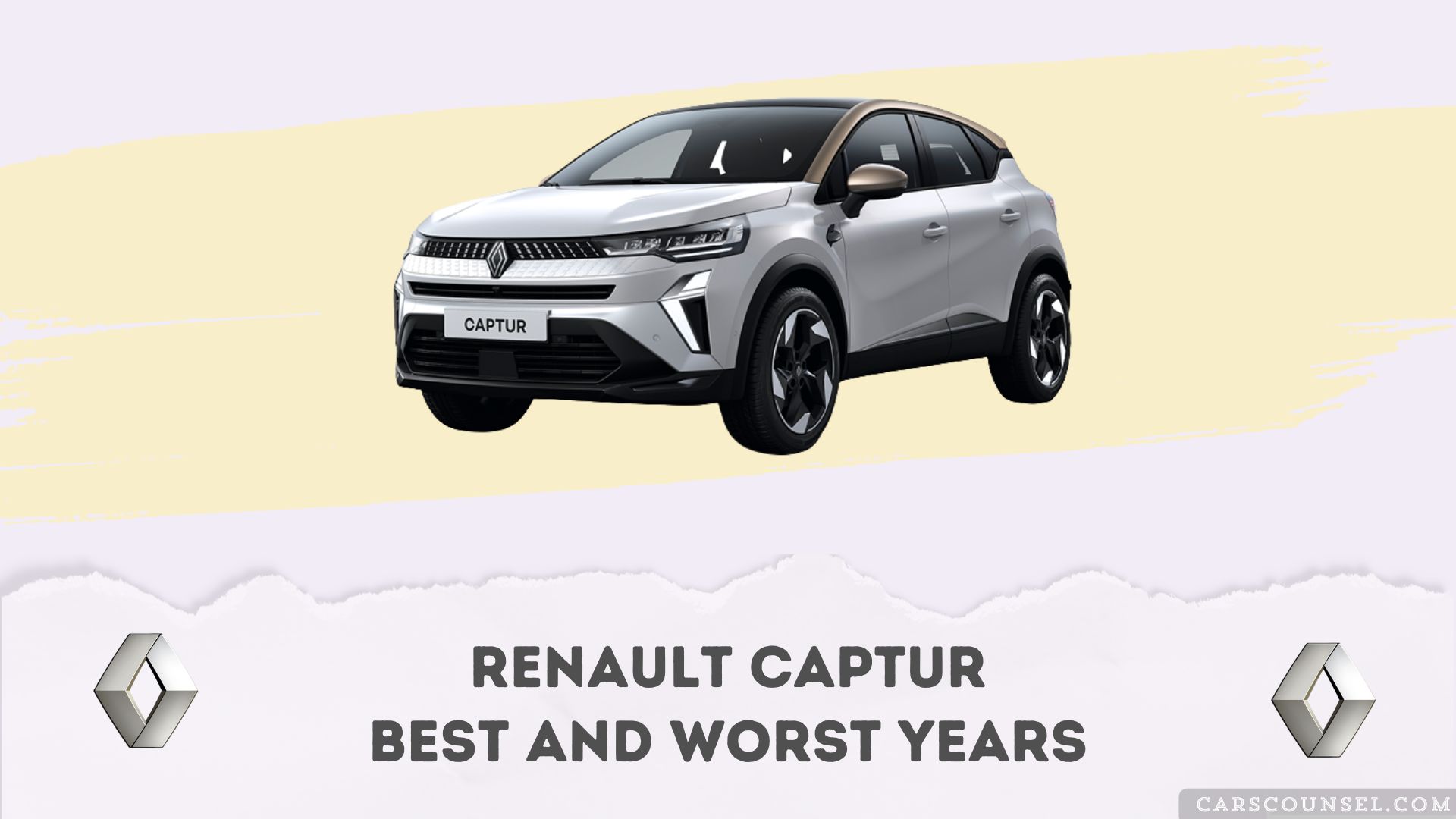
This article breaks down the best and worst model years based on reliability, performance, owner complaints, and long-term dependability. Understanding which years to target and which to avoid can save buyers from costly repairs and frustration.
Quick Navigation
Renault Captur Generational Overview
First Generation (2013 – 2019)
The first generation Captur entered production in 2013 as Renault’s entry into the growing subcompact crossover segment. This generation featured a 1.2-liter turbocharged petrol engine producing 118 horsepower and a 1.5-liter diesel engine offering 90 to 110 horsepower. The Captur was built on the same platform as the Renault Clio and featured front-wheel drive.
Early models from 2013 to 2014 experienced brake hose failures and wheel hub cracking issues that led to multiple recalls. The EDC dual-clutch transmission introduced in this generation became notorious for jerky shifts, delayed engagement, and premature clutch wear. Despite these problems, the first generation received a five-star Euro NCAP safety rating in 2013.
Second Generation (2019 – Present)
The second generation Captur launched in 2019 with a complete redesign featuring updated styling and improved technology. This generation introduced a 1.3-liter turbocharged petrol engine with 130 to 155 horsepower, developed jointly with Mercedes-Benz. A hybrid E-TECH variant joined the lineup in 2020, offering improved fuel efficiency.
The second generation addressed some reliability concerns from the previous model but continued to use the EDC dual-clutch transmission in certain variants. Build quality improved with better interior materials and reduced rattles. This generation maintained the five-star Euro NCAP safety rating when tested in 2019.
Best Years for the Renault Captur
The most reliable Renault Captur model years offer better engineering and fewer reported problems.
2017: The 2017 model year represents the most refined version of the first generation. By this point, Renault had addressed early production issues and improved overall build quality. Reliability data shows a failure rate of only 4.0 percent for 2017 models inspected at 4 years old, significantly better than the average of 5.57 percent for vehicles of the same age.
2020: The 2020 model year benefits from the second generation redesign and initial refinements. This year introduced improved electrical systems and better build quality compared to first generation models. The 2020 Captur showed a 4.6 percent failure rate at 3 years old, performing better than the 5.99 percent average.
2019: The 2019 model marks the beginning of the second generation with updated powertrains and technology. This year avoided many of the teething problems that plagued early first generation models while offering more modern features and improved refinement.
2018: The 2018 model year represents the end of the first generation production run with all improvements implemented. This year shows strong reliability with fewer electrical issues and transmission problems compared to earlier first generation models.
Worst Years for the Renault Captur
Certain model years experienced more problems and should be avoided by buyers seeking reliability.
2013: The inaugural 2013 model year suffered from multiple recalls affecting brake hoses that could leak or burst, causing reduced braking efficiency. Early production quality issues led to various electrical problems and premature component failures.
2014: The 2014 Captur continued to experience brake hose problems from the 2013 recall, affecting vehicles produced through November 2014. Additional recalls for wheel hub cracking posed safety concerns. The EDC transmission showed high failure rates with jerky shifts and clutch wear.
2015: The 2015 model year experienced ongoing EDC transmission problems with delayed engagement and overheating warnings. Electrical system issues including battery drain and software glitches were frequently reported. Reliability data shows declining performance compared to later years.
2016: The 2016 Captur showed a failure rate of 7.4 percent at 6 years old, higher than desired for a relatively young vehicle. Owners reported continued transmission problems and suspension noise from worn bushes.
Common Problems Across the Renault Captur Lineup
EDC Dual-Clutch Transmission Failures
The EDC 6-speed dual-clutch transmission experiences jerky shifts, delayed engagement, and grinding noises. Clutch wear occurs prematurely, requiring expensive replacement with parts costing over 1,200 euros plus labor. Overheating warnings appear during stop-start traffic, often triggering limp mode.
Electrical System Malfunctions
Battery drain issues affect models with keyless entry and start systems, often caused by software glitches or parasitic power drains. Faulty warning lights and occasional engine fault codes lead to owner dissatisfaction. Software updates are frequently required to resolve electrical gremlins.
Clutch Master Cylinder Leaks
Clutch judder and pedal return problems develop in manual transmission models due to leaking master cylinders. The repair requires cylinder replacement at an average cost of 450 pounds. These symptoms worsen over time if not addressed promptly.
Suspension and Steering Noise
Knocking sounds from the suspension are linked to worn bushes or drop links. Some owners report excessive play or unusual noises from the steering rack, particularly in older first generation models. Regular inspection of suspension components prevents more serious failures.
Brake Hose Deterioration
Early 2013 to 2014 models suffer from flexible brake hose leakage or sudden bursting. This defect causes brake fluid loss and reduced braking efficiency, posing a serious safety risk. A recall addressed 1,458 vehicles in Ireland alone.
Headlight Illumination Problems
A 2018 recall addressed dipped headlights that failed to light the road sufficiently. This defect affects nighttime visibility and driving safety. Incorrect welding of the catalytic converter also required a recall in late 2018.
Reliability Breakdown by Year
2020 Renault Captur Reliability Rating
The 2020 Captur shows good reliability with a 4.6 percent failure rate at 3 years old, better than the 5.99 percent average for similar age vehicles. This second generation model benefits from improved build quality and refined electrical systems, though some EDC transmission concerns remain.
2019 Renault Captur Reliability Rating
The 2019 model represents the first year of the second generation with updated styling and powertrains. Early examples show promising reliability as Renault addressed many first generation issues, though long-term data remains limited for this newer generation.
2018 Renault Captur Reliability Rating
The 2018 Captur demonstrates solid reliability as the final year of the first generation. Most production issues had been resolved by this point, resulting in fewer electrical problems and improved overall dependability compared to earlier first generation years.
2017 Renault Captur Reliability Rating
The 2017 model achieves excellent reliability with a 4.0 percent failure rate at 4 years old, significantly better than the 5.57 percent average. This year represents the sweet spot of first generation production with most problems corrected and strong long-term dependability.
2016 Renault Captur Reliability Rating
The 2016 Captur shows moderate reliability with a 7.4 percent failure rate at 6 years old. While improved over 2013-2015 models, this year still experiences EDC transmission problems and electrical issues requiring attention.
2015 Renault Captur Reliability Rating
The 2015 model demonstrates acceptable reliability but continues to suffer from EDC transmission jerky shifts and overheating warnings. Electrical system battery drain and software glitches remain common complaints.
2014 Renault Captur Reliability Rating
The 2014 Captur experiences multiple recall-related problems including brake hose failures and wheel hub cracking. EDC transmission issues and early production quality problems make this a year to avoid.
2013 Renault Captur Reliability Rating
The 2013 inaugural model year suffers from the most problems including serious brake hose recall affecting safety. Early production electrical issues and transmission failures lead to poor reliability ratings.
Warranty & Ownership Costs
Renault typically offers a 3-year or 60,000-mile warranty, though coverage varies by market. Maintenance costs remain moderate for routine services including oil changes, brake inspections, and fluid replacements. EDC transmission repairs represent the highest expense, with clutch pack replacement exceeding 1,200 euros plus labor.
Used buyers should budget for potential clutch master cylinder replacement at approximately 450 pounds. Electrical system diagnostics and software updates may require dealer visits with associated costs. Second generation models from 2019 onward generally require fewer repairs than first generation examples.
Regular transmission fluid changes and software updates are crucial for EDC-equipped models to prevent costly failures. Suspension component replacement including bushes and drop links adds to ownership costs as vehicles age.
Buying Guide: What to Look For
Target 2017 or 2018 first generation models for the best balance of value and reliability. These years offer refined engineering without the higher depreciation of second generation examples.
Avoid 2013 to 2015 model years due to recalls, transmission problems, and electrical issues. If considering an EDC-equipped model, insist on full service history showing transmission fluid changes and software updates.
Inspect suspension for knocking sounds and check for unusual steering rack noises. Test the electrical systems thoroughly, including keyless entry and battery performance. Request evidence of recall completion for brake hoses, wheel hubs, and headlights on affected years.
Manual transmission models avoid EDC problems but check for clutch master cylinder leaks and pedal return issues. Look for service records showing regular maintenance intervals followed consistently.
Second generation 2019 and newer models offer improved refinement but command higher prices. These later models still use EDC transmission in some variants, so thorough inspection remains essential.
FAQs
Is the Renault Captur reliable?
The Renault Captur shows decent reliability overall, with 2017 and newer models performing better than earlier years. Reliability data indicates the Captur proves more reliable than 65 percent of tested vehicles when properly maintained.
What year of the Renault Captur is most dependable?
The 2017 model year offers the best dependability with a 4.0 percent failure rate at 4 years old, significantly better than average. This year represents the most refined first generation example with fewer transmission and electrical problems.
What year should you avoid?
Avoid 2013 and 2014 model years due to serious brake hose recalls, wheel hub cracking, and multiple transmission failures. These early production years experienced the most problems and highest repair costs.
What are the most common problems?
EDC dual-clutch transmission failures including jerky shifts and premature clutch wear top the list. Electrical system battery drain, clutch master cylinder leaks, and suspension noise also occur frequently.
How long does a Renault Captur last?
With proper maintenance, a Renault Captur can reach 150,000 to 200,000 miles. Later model years from 2017 onward show better long-term durability than early production examples.
Are Renault Captur parts expensive?
Parts costs vary but EDC clutch pack replacement exceeds 1,200 euros plus labor, making transmission repairs expensive. Standard maintenance items remain reasonably priced at approximately 450 pounds for clutch master cylinder replacement.
Conclusion
The Renault Captur offers the best reliability in 2017 and 2018 first generation models, with second generation 2019 and newer examples also performing well. Avoid 2013 to 2015 model years due to recalls, transmission failures, and electrical problems.
Overall dependability improves significantly in later production years as Renault addressed early quality issues. Buyers should prioritize models with complete service history showing transmission maintenance and recall completion.
The Captur represents a practical subcompact crossover choice when selecting the right year and avoiding problem models. Careful inspection of transmission, electrical systems, and suspension components ensures a satisfactory ownership experience.