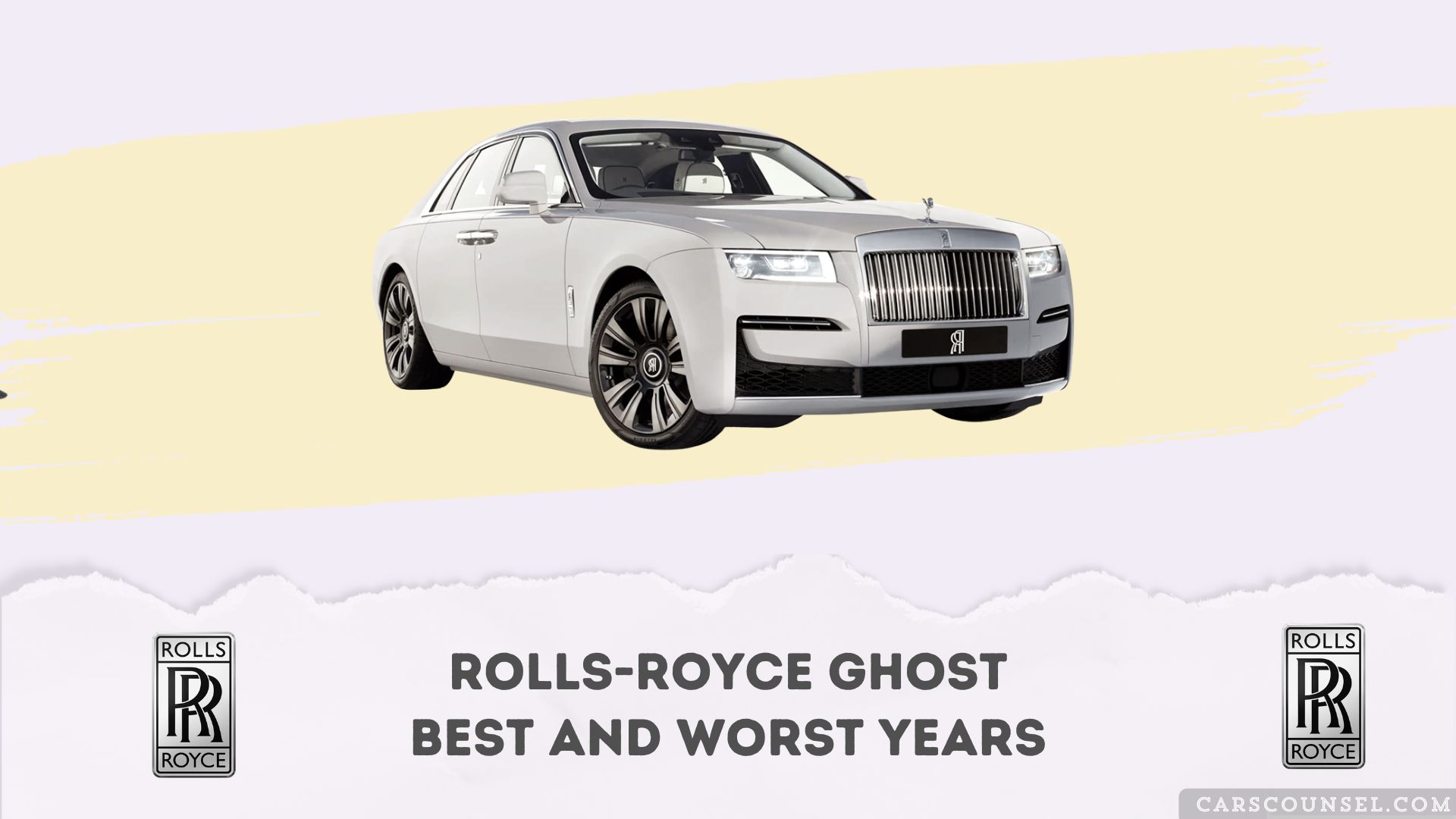
The best Rolls-Royce Ghost model years are 2014 through 2020, benefiting from the Series II refresh and sorted V12 engineering. Buyers should approach the 2010 through 2012 model years carefully due to early-production teething issues and critical fire-risk recalls.
These rankings are comparative. No ultra-luxury vehicle is flawless, and individual maintenance history matters far more than the badge. A thorough pre-purchase inspection remains essential for any used Ghost.
Meaningful differences exist across the generations. The first generation relies on a BMW-derived twin-turbo V12, while the second generation introduces an entirely new bespoke aluminum architecture and updated electrical systems.
Quick Navigation
Best and Worst Rolls-Royce Ghost Years at a Glance
| Model Year Range | Verdict | Main Reason | Buyer Guidance |
|---|---|---|---|
| 2010-2012 | Approach Carefully | Early first-generation models with critical water pump fire recalls. | Verify recall completion and inspect for early V12 oil leaks. |
| 2013-2020 | Good With Inspection | Refined Series II models, but aging air suspension and complex V12 require strict maintenance. | Demand comprehensive service records and pre-purchase inspection. |
| 2021-Present | Too New to Judge | Second-generation architecture with limited long-term ownership data. | Monitor early electrical recalls and verify bespoke build quality. |
Key Takeaways
- The 2014-2020 models are the strongest choices, offering the refined Series II design and sorted powertrain.
- The 2010-2012 models require caution due to early auxiliary water pump recalls and higher maintenance needs.
- The 6.6L twin-turbo V12 requires meticulous service to prevent costly oil leaks.
- Air suspension failures are a major expense on aging first-generation examples.
- Second-generation models (2021-present) remain Too New to Judge for long-term reliability.
- Always verify open NHTSA recalls and bespoke build quality via a specialist inspection.
How We Evaluated the Rolls-Royce Ghost Model Years
Our analysis considers official NHTSA recalls, manufacturer service campaigns, and long-term ownership patterns. We evaluate powertrain differences, generation updates, and repair complexity for ultra-luxury vehicles.
Consumer complaints are not confirmed failure rates. A recall does not automatically make a vehicle unreliable, but it requires immediate attention. Recent models have minimal ownership history. Best means comparatively stronger, not flawless.
Best Rolls-Royce Ghost Years
2014-2020: Good With Inspection
The 2014 introduction of the Series II refresh brought updated styling, improved technology, and a more refined driving experience. These later first-generation models benefit from factory revisions that addressed early-production shortcomings.
However, buyers must recognize that out-of-warranty V12 maintenance is exceptionally expensive. The complex air suspension and heavy electrical demands require strict adherence to service schedules to prevent massive repair bills.
The 2018 Zenith Collection represents the pinnacle of the first generation. It offers exclusive bespoke features and limited production numbers for serious collectors.
Best Rolls-Royce Ghost Year by Buyer Type
Best Enthusiast Choice: 2017-2020 Black Badge
The Black Badge variants offer darkened trim, stiffer suspension tuning, and increased torque for a more engaging driving experience. They appeal to owners who prefer a more assertive, modern aesthetic over traditional wood and chrome.
Years to Approach Carefully
2010-2012: Approach Carefully
The earliest first-generation models face the steepest depreciation and the highest risk of deferred maintenance. More critically, these years were subject to a major safety recall regarding the electric auxiliary water pump.
This recall addressed a potential short circuit in the pump’s circuit board that could lead to an engine compartment fire, even when the vehicle is parked. Buyers must verify that this recall was completed.
Additionally, early examples of the 6.6L V12 are more prone to rear main seal and timing cover oil leaks. These repairs often require extensive labor, driving up ownership costs significantly.
Rolls-Royce Ghost Reliability by Generation
First Generation (2010-2020)
The original Ghost shares its underlying platform architecture with the contemporary BMW 7 Series, though it features unique Rolls-Royce engineering and bespoke bodywork. This shared architecture does not mean they share identical defects or interior components.
The 6.6L twin-turbo V12 provides immense torque but operates under high stress. Cooling system components and gaskets require proactive replacement to prevent severe engine damage and costly repairs.
Second Generation (2021-Present)
The second generation rides on the brand’s proprietary aluminum Architecture of Luxury, sharing its underlying platform philosophy with the Phantom. This bespoke chassis eliminates the previous BMW-derived compromises for a purer luxury experience.
A 2025 Series II refresh introduces updated exterior styling and interior technology. Long-term reliability for the new twin-turbo V12 and complex electrical systems remains unproven for these recent models.
Common Rolls-Royce Ghost Problems
Auxiliary Water Pump Fire Risk
Certain 2010-2012 models were recalled due to an electric auxiliary water pump that could overheat and cause a fire. The circuit board inside the pump can short-circuit, posing a severe safety risk even when the engine is off.
Air Suspension Failures
The heavy weight of the Ghost places immense strain on the air suspension system. Aging air struts and compressors frequently fail on first-generation models, resulting in a sagging ride height and a harsh, unrefined driving experience.
V12 Oil Leaks
The 6.6L V12 engine is notorious for developing oil leaks at the rear main seal, timing cover, and valve covers. Repairing these leaks often requires removing the engine or transmission, resulting in massive labor charges.
Battery Drain and Electrical Gremlins
The Ghost’s massive electrical system will quickly drain the battery if the vehicle is parked for extended periods without a trickle charger. Jump-starting the vehicle improperly can cause catastrophic damage to the sensitive control modules.
What to Check Before Buying a Used Rolls-Royce Ghost
- Verify the VIN for open NHTSA recalls, specifically the auxiliary water pump and instrument cluster campaigns.
- Review service records to confirm strict adherence to the severe V12 maintenance schedule.
- Inspect the engine bay and undercarriage for signs of rear main seal or timing cover oil leaks.
- Test the air suspension by cycling through ride heights and parking the car to check for sagging.
- Ensure the battery is connected to a factory-approved maintainer and check for electrical module faults.
- Arrange an independent pre-purchase inspection with a certified Rolls-Royce technician.
Related Buying Guides
- Rolls-Royce Phantom best and worst years: The flagship alternative for buyers who demand maximum rear-seat passenger space and the most opulent traditional luxury experience available.
- Rolls-Royce Cullinan Black Badge best and worst years: A luxury SUV alternative for buyers who need practical cargo space and all-weather capability that the Ghost sedan cannot provide.
Frequently Asked Questions
Which Rolls-Royce Ghost year is the most reliable?
The 2014 through 2020 model years are comparatively the most reliable. They benefit from the Series II refresh and factory revisions that addressed early first-generation powertrain and electrical shortcomings.
Is the Rolls-Royce Ghost engine reliable?
The 6.6L twin-turbo V12 is powerful but operates under high stress. It requires meticulous, documented maintenance to prevent costly oil leaks and cooling system failures that can lead to severe engine damage.
What is the most common Rolls-Royce Ghost problem?
Air suspension failures and V12 oil leaks are the most common expensive problems on aging first-generation models. Additionally, early 2010-2012 examples faced a critical recall for an auxiliary water pump fire risk.
Will the Rolls-Royce Ghost hold its value?
Ultra-luxury sedans typically suffer steep initial depreciation. However, well-maintained, low-mileage examples, particularly limited editions like the Zenith Collection or Black Badge models, can stabilize and retain significant value among collectors.
Does the Ghost share parts with the BMW 7 Series?
The first-generation Ghost shares its underlying platform architecture with the contemporary BMW 7 Series. However, the second generation uses a proprietary Rolls-Royce aluminum architecture, and their bespoke interior components are entirely distinct.
Should I buy a used Rolls-Royce Ghost?
You should approach any used Ghost with caution. The immense cost of out-of-warranty V12 and air suspension repairs demands a thorough VIN check, comprehensive service records, and an independent specialist inspection.
Choosing the Right Rolls-Royce Ghost Model Year
The 2014 through 2020 model years offer the most refined first-generation experience, featuring the Series II updates and a more sorted powertrain. Buyers should approach the 2010-2012 models with caution due to critical fire-risk recalls.
Second-generation models remain Too New to Judge for long-term reliability. Regardless of the year, individual maintenance history dictates the vehicle’s true condition and ownership costs.
Always check the VIN for open safety campaigns before purchasing. Finally, maintain strict adherence to the dealer service schedule and use a battery tender to protect the complex electrical systems.

