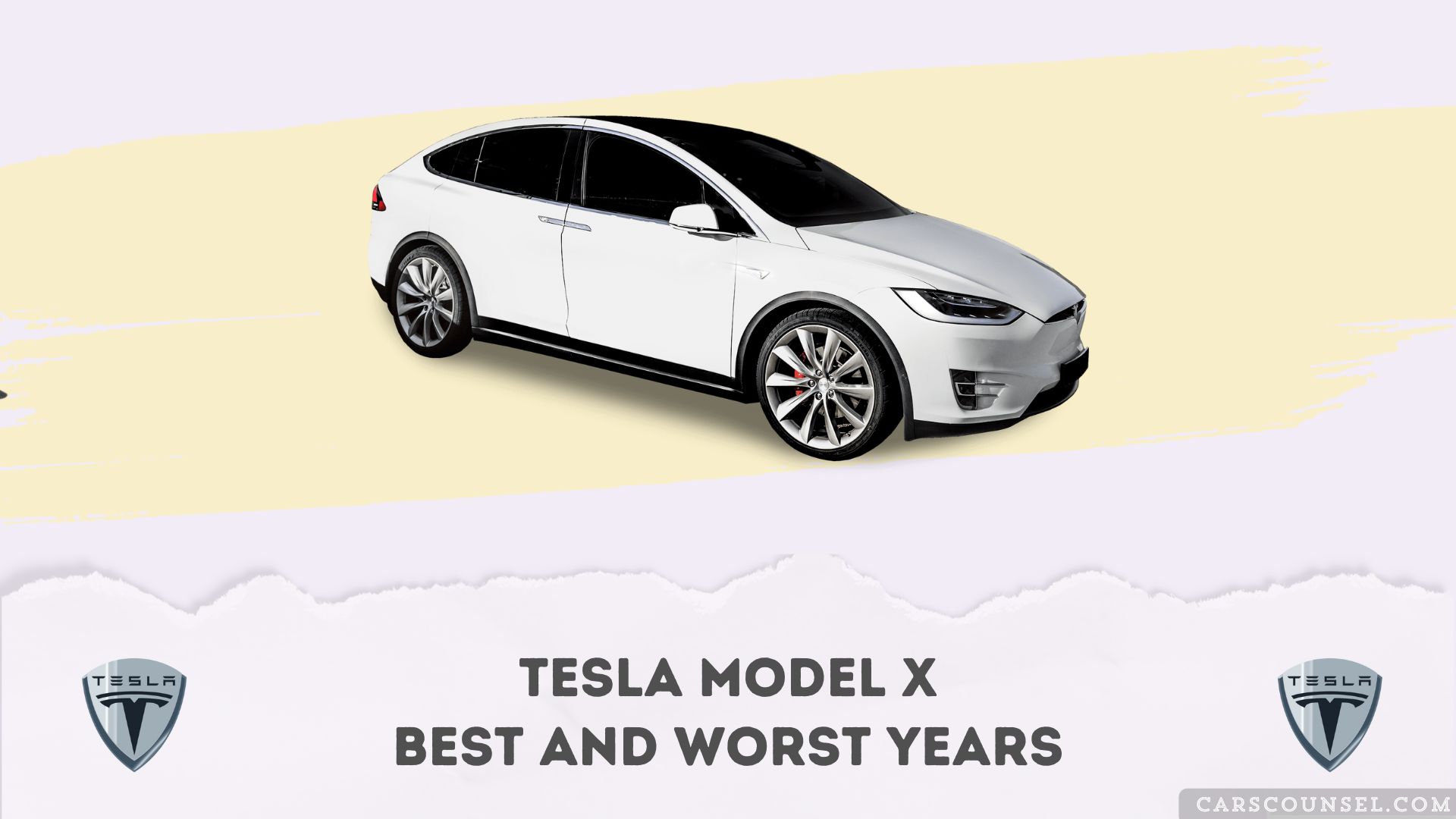
The best Tesla Model X years are 2021 through 2023, featuring a major refresh and vastly improved powertrains. Buyers should avoid the 2016 through 2018 models due to severe early electrical and door mechanism failures.
These rankings are comparative, and no luxury electric SUV is entirely flawless. Strict maintenance history, battery health, and software updates heavily influence long-term ownership costs and daily usability.
Significant differences exist between the early single and dual-motor setups and the modern tri-motor configurations. Hardware generations for Autopilot and the infotainment system also heavily influence used value.
Quick Navigation
Best and Worst Tesla Model X Years at a Glance
| Model Year Range | Verdict | Main Reason | Buyer Guidance |
|---|---|---|---|
| 2016-2018 | Avoid | Early drive unit and MCU1 failures | Bypass entirely |
| 2019-2020 | Good Choice | Raven suspension and motor updates | Verify MCU2 upgrade |
| 2021-2023 | Best Late-Generation Choice | Refresh styling and updated powertrain | Inspect panel gaps |
| 2024-2026 | Too New to Judge | Limited long-term exposure | Rely on active warranty |
Key Takeaways
- The 2021-2023 models represent the best late-generation choices, featuring the modern interior refresh and highly efficient powertrains.
- Avoid 2016-2018 models due to the high risk of early drive unit, air suspension, and infotainment failures.
- The Falcon Wing doors require strict inspections for seal leaks and motor wear on all pre-2021 examples.
- Infotainment upgrades are critical; ensure older models have the updated MCU2 computer to prevent screen failure.
- Always verify the VIN for open recalls and insist on a pre-purchase inspection focusing on battery health.
How We Evaluated the Tesla Model X Model Years
Our analysis reviews official recalls, manufacturer service campaigns, technical service bulletins, and long-term ownership data. We weigh the severity of electrical and mechanical failures against repair costs.
Complaints are not failure rates, and a recall does not automatically make a year unreliable. Recent models have less ownership history, so best means comparatively stronger, not flawless.
Best Tesla Model X Years
2021-2023 (Refresh and Plaid)
The 2021 refresh introduced a completely redesigned interior, a horizontal touchscreen, and updated powertrains. These years offer exceptional range and highly dependable tri-motor and dual-motor configurations.
Buyers should still inspect exterior panel gaps and interior trim alignment, as early refresh build quality varied.
2019-2020 (Raven)
Tesla introduced the Raven powertrain and adaptive air suspension during this period. The front permanent magnet reluctance motor greatly improved efficiency and reliability over earlier setups.
Ensure the air suspension struts hold pressure and that the upgraded MCU2 infotainment computer has been installed.
Best Year by Buyer Type
Best Enthusiast Choice
The 2021 and newer Plaid models offer staggering acceleration and advanced track modes. While complex, the tri-motor setup has proven remarkably robust under heavy use when properly maintained.
Best Budget Option
The 2019-2020 Raven models provide a solid balance of modern styling and depreciated pricing. Buyers must verify that the expensive air suspension and infotainment upgrades have been completed.
Worst Tesla Model X Years
2016-2018 (Early Production)
The earliest Model X examples suffer from severe teething issues, including premature large drive unit failures, early battery pack degradation, and complex Falcon Wing door motor failures.
The original MCU1 infotainment memory chip eventually fails due to wear. Combined with expensive out-of-warranty repair costs, these years pose a significant financial burden to used buyers.
Tesla Model X Reliability by Generation
Pre-Raven (2016-2019)
This generation established the brand but suffered from early electrical gremlins, fragile door mechanisms, and failing air suspension components. The original infotainment system is a known failure point.
Refresh (2021-Present)
The current generation features a minimalist interior, yoke steering options, and highly efficient powertrains. Long-term reliability appears strong, though complex screen-dependent controls require careful diagnostic scans.
Common Tesla Model X Problems
Infotainment System Failures
Affecting 2016-2018 models equipped with MCU1, the eMMC flash memory chip eventually fails, causing the screen to go black. Tesla offers an official upgrade program to the newer MCU2 computer.
Falcon Wing Door Issues
Found on early models, the complex door hinges, seals, and motors eventually leak or fail. Symptoms include water intrusion and failure to open electronically, requiring expensive assembly replacements.
Air Suspension Leaks
Found on early and facelift models, the air struts and compressors eventually leak or fail. Symptoms include a sagging corner and a warning message on the dashboard.
What to Check Before Buying a Used Tesla Model X
- Verify the VIN for open recalls and check for active battery or drive unit warranties.
- Confirm the infotainment system has been upgraded to MCU2 on all pre-2019 models.
- Test the Falcon Wing doors for proper sealing, alignment, and motor operation.
- Test the air suspension by raising and lowering the vehicle, checking for sagging overnight.
- Inspect the exterior panel gaps and interior trim alignment on 2021 and newer models.
- Arrange a pre-purchase inspection with a certified independent EV specialist.
Related Buying Guides
- Tesla Model S best and worst years – Platform sibling for buyers preferring a traditional sedan layout over SUV utility and complex doors.
- Tesla Model Y best and worst years – Crossover alternative for families needing practical interior dimensions and lower maintenance costs without the massive footprint of the Model X.
- Tesla Model 3 best and worst years – Compact electric alternative for buyers wanting similar software and Supercharger access in a smaller, more affordable package.
Frequently Asked Questions
Which Tesla Model X year is most reliable?
The 2021-2023 models offer the strongest ownership records. They benefit from the modern interior refresh, updated powertrains, and highly efficient battery management systems.
Does the Model X have expensive battery problems?
Early 2016-2018 models suffer from premature battery pack degradation and drive unit failures. Replacing these complex components out of warranty requires massively expensive repairs.
Are the Falcon Wing doors reliable?
They provide dramatic access but are a known wear item. Early door motors and seals eventually fail, requiring expensive replacements and causing potential water intrusion issues.
What is the MCU1 infotainment failure?
Affecting older models, the original infotainment memory chip fails, causing the screen to go black. Buyers must verify that the official MCU2 upgrade has been completed.
Why should I avoid the 2016-2018 models?
These years feature early production teething issues, including fragile drive units and predictable infotainment failures. They pose a significant financial risk without an active warranty.
Is the new Model X reliable?
The 2024 and newer models feature updated software and refined manufacturing. Long-term reliability data remains insufficient to judge these latest configurations fully.
Choosing the Right Tesla Model X Model Year
Choosing the right Tesla Model X requires strict attention to hardware generations and battery health. The 2021-2023 models provide the most secure ownership experience for buyers seeking a modern electric luxury SUV.
Buyers should avoid the 2016-2018 models due to severe drive unit, door mechanism, and electrical failures. Ensuring the infotainment system has been upgraded is mandatory for all pre-2019 examples.
Before purchasing, verify the VIN for open recalls and hire an EV specialist for a thorough diagnostic scan. Knowing which models stand out ensures driving satisfaction rather than severe financial consequences.

