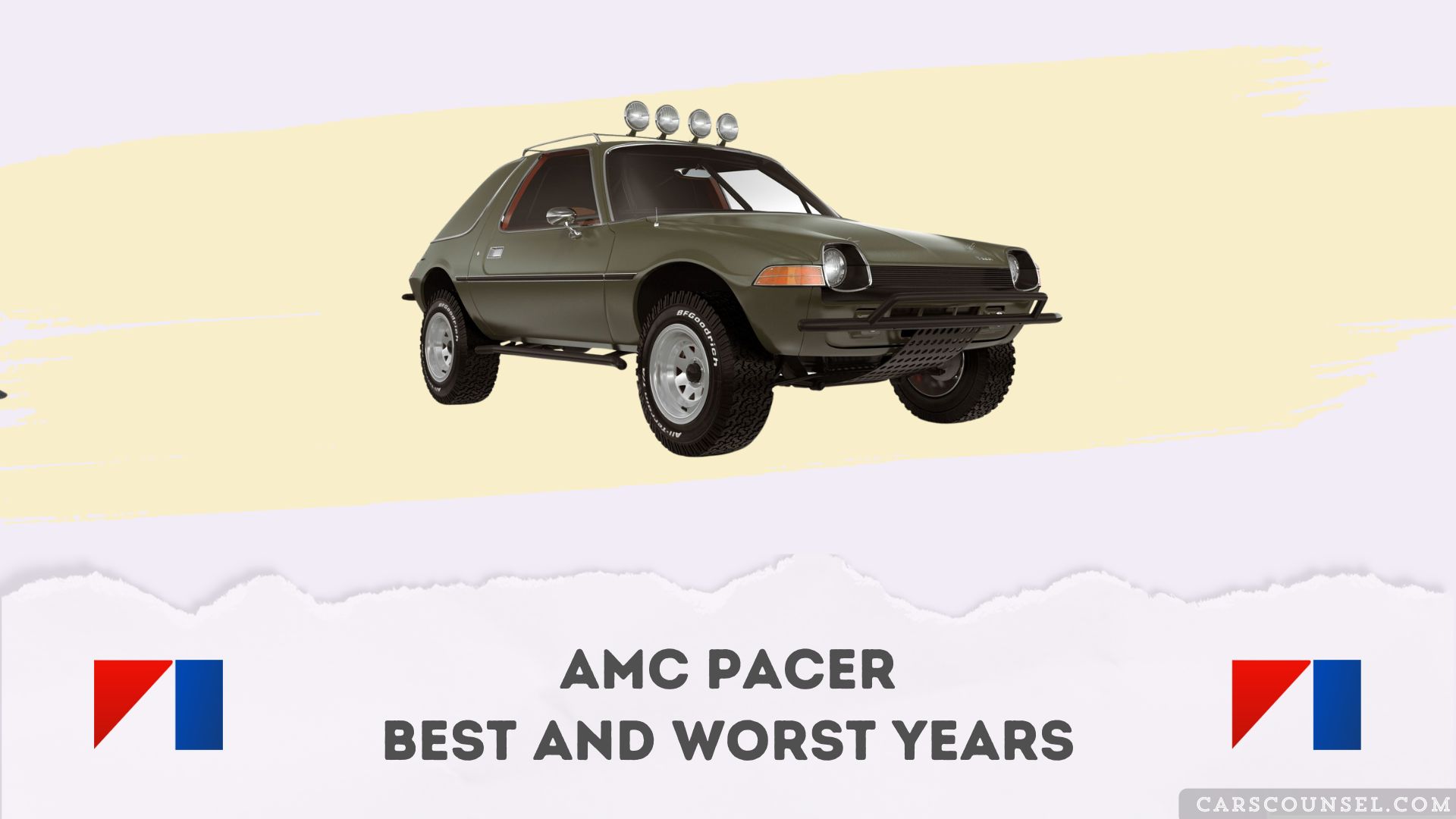
The best AMC Pacer model years for collectors are 1978 and 1979, specifically those equipped with the optional 304 cubic-inch V8. Buyers should approach the 1975 through 1977 inline-six models carefully due to severe underperformance and vapor lock issues.
Rankings for classic vehicles remain highly comparative. No fifty-year-old compact car is flawless, and individual restoration quality, rust prevention, and drivetrain swaps matter far more than the factory build year.
Meaningful differences exist across the short production run. Early models feature underpowered inline-six engines, while later versions offered a V8 option that significantly improved drivability and modern collector appeal.
Quick Navigation
Best and Worst AMC Pacer Years at a Glance
| Model Year Range | Verdict | Main Reason | Buyer Guidance |
|---|---|---|---|
| 1975-1976 | Good Choice | Iconic early styling but underpowered I6. | Verify carburetor and cooling system. |
| 1977 | Approach Carefully | First wagon year, heavy smog equipment. | Inspect for structural rust and vapor lock. |
| 1978-1979 | Best Enthusiast Choice | Optional 304 V8 greatly improves performance. | Confirm matching-numbers V8 and transmission. |
| 1980 | Mixed | Extremely rare, essentially identical to 1979. | Expect severe parts scarcity and high premiums. |
Key Takeaways
- The 1978 and 1979 V8 models are the strongest choices for drivability and collector value.
- Buyers researching years to avoid should note that early inline-six models suffer from vapor lock and sluggish acceleration.
- The planned Wankel rotary engine was canceled, forcing AMC to use heavy, low-power six-cylinder engines.
- Structural rust and deteriorating interior plastics are the most critical threats to the platform.
- Always verify the VIN and arrange an independent classic car inspection before purchasing.
How We Evaluated the AMC Pacer Model Years
Our analysis considers historical production records, enthusiast consensus, and long-term classic car ownership patterns. We evaluate powertrain differences, structural vulnerabilities, and parts availability.
Consumer reports highlight recurring fuel system flaws. Individual condition dictates value. Best means comparatively stronger, not flawless.
Best AMC Pacer Years
1978-1979: Best Enthusiast Choice
The 1978 and 1979 model years represent the pinnacle of Pacer performance. AMC introduced the 304 cubic-inch V8 engine, finally providing adequate power for the heavy, wide-body compact.
These V8 examples are highly sought after by collectors today. Buyers must still verify the originality of the drivetrain and inspect the complex emissions equipment of the era.
Best Year by Buyer Type
Best Enthusiast Choice: 1978-1979 V8
For collectors and enthusiasts wanting a drivable classic, the V8-equipped models offer the best blend of iconic 1970s styling and acceptable highway performance.
Years to Approach Carefully
1977: Approach Carefully
The 1977 model year introduced the Pacer Wagon, which added even more weight to an already heavy vehicle. The inline-six engines were further choked by stringent new emissions regulations.
Buyers should only consider these models if they accept slow acceleration and are prepared to troubleshoot chronic vapor lock and cooling system issues.
AMC Pacer Reliability by Generation
First Generation (1975-1980)
The Pacer spans a single generation built on a unique unibody platform designed for a canceled Wankel rotary engine. The coupe featured a practical hatchback, while AMC was forced to use heavy inline-six engines.
Later models benefited from the optional 304 V8, significantly improving the ownership experience and modern collector appeal.
Common AMC Pacer Problems
Engine Problems
The inline-six engines are durable but severely underpowered for the Pacer’s heavy curb weight. Owners frequently report vapor lock, especially in warm weather, due to fuel lines routing near the hot exhaust manifold.
Corrosion Problems
Despite the extensive use of glass, the unique unibody structure is prone to severe rust. The front fenders, lower quarter panels, and floor pans trap moisture, leading to catastrophic structural failure if not stored properly.
Interior and Trim Problems
The futuristic interior relied heavily on early plastics that are now virtually impossible to source. Cracked dashboards, warped door panels, and deteriorating weatherstripping are common and expensive to remedy.
What to Check Before Buying a Used AMC Pacer
- Inspect the unibody rocker panels and floor pans for severe structural rust or hidden body filler.
- Check the engine bay for signs of chronic vapor lock, such as melted fuel lines or aftermarket heat shields.
- Verify the presence of the original 304 V8 if the vehicle is advertised as a rare performance model.
- Inspect the unique asymmetrical doors for proper alignment and functioning latches.
- Test the clutch and manual transmission for smooth engagement and wear.
- Arrange an independent pre-purchase inspection with a specialist familiar with classic AMC vehicles.
Related Buying Guides
- AMC Gremlin best and worst years: A smaller, more affordable classic AMC alternative, offering a shorter wheelbase and hatchback practicality for buyers who prefer a quirky subcompact over the wide-body Pacer.
- Chevrolet Vega best and worst years: A direct historical rival from the same era, offering a more conventional compact car layout and vastly superior parts availability for enthusiasts on a strict restoration budget.
Frequently Asked Questions
Which AMC Pacer year is the most desirable?
The 1978 and 1979 models equipped with the 304 V8 are the most desirable. They offer significantly better performance than the inline-six versions and remain highly sought after by classic car collectors.
Is the AMC Pacer reliable?
The Pacer has mixed mechanical reliability. The inline-six engines are durable but prone to vapor lock and overheating. Proper storage and meticulous maintenance are critical for long-term dependability.
What is the most common AMC Pacer problem?
Vapor lock and cooling system issues are the most common mechanical problems. The heavy unibody and tight engine bay cause the fuel to boil in the lines, leading to stalling and hard starting.
Will the AMC Pacer hold its value?
Yes, well-restored examples hold their value well due to their iconic pop-culture status and extreme rarity. The collector market remains strong for clean, original, or V8-equipped models.
Does the Pacer share parts with other cars?
The Pacer shares its inline-six engines and some drivetrain components with the AMC Gremlin and Hornet. However, the unique body panels, glass, and interior trim are entirely specific and difficult to source.
Should I buy a used AMC Pacer?
You should only buy a Pacer if you want a unique, collectible classic and accept the challenges of parts scarcity. Always verify the structural integrity and arrange an independent specialist inspection.
Choosing the Right AMC Pacer Model Year
The 1978 and 1979 V8 model years offer the ultimate AMC Pacer experience, delivering acceptable performance and high collector appeal. Buyers must approach the early inline-six models with realistic expectations regarding power and vapor lock.
Because these are fifty-year-old classic vehicles, individual condition and comprehensive restoration records dictate the car’s true value. Never finalize a purchase without verifying the unibody structural integrity and arranging an independent inspection.