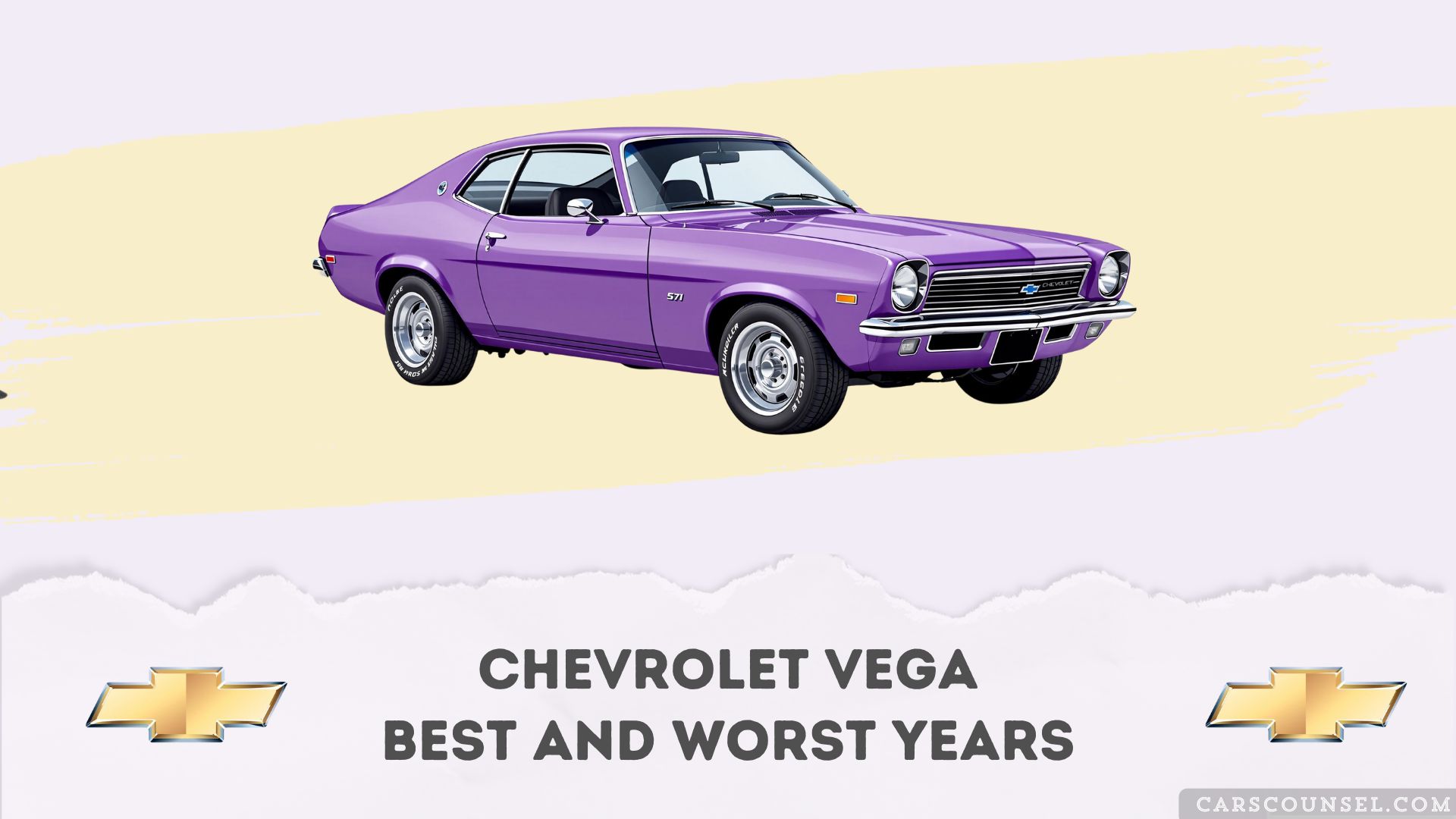
The best Chevrolet Vega years for collectors are the 1975 and 1976 Cosworth models, which feature a high-performance engine. Buyers should avoid the 1971 and 1972 models due to massive recalls and severe engine failures.
Rankings for this discontinued subcompact are strictly comparative. Because the Vega suffers from fundamental engineering flaws, individual condition and meticulous specialist maintenance matter far more than the specific badge year.
Meaningful differences exist primarily between the standard aluminum-block engines and the rare Cosworth variant. The Cosworth offers genuine collector appeal, while base models remain highly vulnerable to catastrophic overheating and severe structural rust.
Quick Navigation
Best and Worst Chevrolet Vega Years at a Glance
| Model Year | Verdict | Main Reason | Buyer Guidance |
|---|---|---|---|
| 1971-1972 | Avoid | Rushed production and massive safety recalls. | Strictly bypass these early launch models. |
| 1973-1974 | Approach Carefully | Revised styling but fundamental engine flaws persist. | Inspect cooling system and structural rust. |
| 1975-1977 (Base) | Approach Carefully | Minor updates but extreme rust and wear remain. | Verify engine rebuilds and chassis integrity. |
| 1975-1976 (Cosworth) | Best Enthusiast Choice | Rare DOHC engine and high collector value. | Confirm matching numbers and specialist care. |
Key Takeaways
- The 1975-1976 Cosworth models are the strongest choices for serious collectors and enthusiasts.
- The 1971-1972 models should be avoided due to catastrophic engine failures and massive factory recalls.
- The standard 2.3-liter aluminum engine is highly prone to overheating, head gasket failure, and cylinder bore scuffing.
- Severe structural rust is a major concern across all model years and body styles.
- These vehicles are not suitable for daily driving and require constant specialist attention.
- Always verify the VIN, check for matching numbers, and arrange an independent inspection.
How We Evaluated the Chevrolet Vega Model Years
Our analysis considers NHTSA records, historical recall data, and the known traits of the Chevrolet H-body platform. We evaluate the problematic aluminum engine, severe rust vulnerability, and the impact of rushed production timelines.
Complaints and traditional reliability metrics do not apply to a deeply flawed vintage vehicle. Collector condition, verifiable maintenance history, and specialist support provide the only tangible evidence of long-term survivability for these model years.
Best Chevrolet Vega Years
1975-1976 Chevrolet Vega (Cosworth)
The Cosworth Vega represents the ultimate evolution of the platform. Featuring a bespoke 16-valve DOHC aluminum engine with electronic fuel injection, it produces 110 horsepower and offers exceptional handling compared to base models.
Buyers must verify the condition of the specialized engine components and matching numbers. These rare models offer unparalleled historical significance and remain the strongest choices for serious enthusiasts seeking a collectible classic.
Best Year by Buyer Type
Best Enthusiast Choice: 1975-1976 Cosworth
For collectors seeking a unique piece of American automotive history, the Cosworth variant offers genuine track-inspired engineering. Its rarity and distinctive performance credentials make it a highly rewarding weekend show car.
Best Modern Alternative: Contemporary Chevy Coupes
For buyers who appreciate classic Chevrolet styling but require modern safety and daily reliability, contemporary options like the Chevrolet Camaro provide a practical alternative to vintage restoration and fundamental engineering compromises.
Years to Approach Carefully
Approach Carefully: 1973-1977 Chevrolet Vega (Base Models)
The later base models require careful inspection due to persistent fundamental flaws. While Chevrolet introduced revised front styling and the GT package in 1973, the underlying silicon-impregnated aluminum engine remained highly vulnerable to overheating and piston scuffing.
Buyers should approach these cars carefully, ensuring that the engine has been professionally rebuilt with modern iron-sleeved cylinders and that the chassis is completely free of severe structural rot.
Worst Chevrolet Vega Years
Avoid: 1971-1972 Chevrolet Vega
The inaugural model years suffered from a deeply flawed rushed production process. The Lordstown assembly plant’s aggressive manufacturing speed led to severe quality control failures, resulting in massive safety recalls for engine fires and defective components.
The early cooling systems were entirely inadequate, leading to widespread cylinder head warping and blown head gaskets. Repairing these unmodified early engines is a massive financial risk for buyers seeking a reliable classic.
Chevrolet Vega Reliability by Generation
First Generation (1971-1977)
The Vega existed as a single generation built on the H-body platform, sharing its underlying architecture with the Pontiac Astre and later the Chevrolet Nova (specifically the 1975+ RWD compact variants). It was available as a two-door sedan, hatchback, and Kammback wagon.
Throughout its production run, the Vega received minor styling updates and the introduction of the Cosworth variant. It was discontinued after 1977, replaced by more conventional compact designs that addressed its fundamental engineering shortcomings.
Common Chevrolet Vega Problems
Engine Overheating and Bore Scuffing
The 2.3-liter aluminum engine lacks iron cylinder liners, relying instead on a silicon-impregnated bore. When the inadequate cooling system allows the engine to overheat, the piston scuffs the cylinder walls, leading to massive oil consumption and catastrophic engine failure.
Severe Structural Rust
All Vega models are highly susceptible to extreme structural rust. The fenders, rocker panels, floor pans, and windshield cowls rot rapidly. Hatchback and wagon models are especially vulnerable due to complex rear glass seals and trapped moisture.
Carburetor and Electrical Gremlins
The early Rochester two-barrel carburetors frequently suffer from warped base plates and loose screws due to engine vibration. Additionally, the aging wiring harnesses and rudimentary electrical systems are prone to short circuits and erratic gauge behavior.
What to Check Before Buying a Used Chevrolet Vega
- Inspect the floor pans, rocker panels, and windshield cowl for severe structural rust or poorly executed patch jobs.
- Verify whether the original aluminum engine has been rebuilt with modern iron cylinder sleeves.
- Check the engine oil for milky discoloration indicating a blown head gasket or coolant intrusion.
- Inspect the front suspension bushings and steering linkage for severe wear and dangerous play.
- Test the original carburetor for smooth idling and acceleration without hesitation or flooding.
- Arrange an independent inspection by a specialist familiar with vintage H-body platforms.
Related Buying Guides
- Corvette C3 years to avoid: A classic Chevrolet alternative for buyers who prioritize vintage V8 performance and massive enthusiast support over the subcompact economy car segment.
- Chevrolet Camaro best and worst years: The iconic pony car sibling that offers vastly superior powertrain reliability, daily usability, and a significantly larger aftermarket support network for restorers.
Frequently Asked Questions
Is the Chevrolet Vega reliable?
It is fundamentally unreliable for daily driving due to severe engine design flaws and extreme rust vulnerability. Traditional reliability metrics do not apply, and ownership is a mechanical undertaking dependent entirely on specialist maintenance.
What engine is in the Vega?
It features a 2.3-liter inline-four engine with an aluminum block. Base models used a single overhead cam design, while the rare Cosworth variant utilized a bespoke 16-valve DOHC cylinder head with electronic fuel injection.
Why did Chevrolet discontinue the Vega?
Chevrolet discontinued the Vega after 1977 due to its catastrophic reputation for poor quality, massive warranty claims, and declining sales. The brand shifted its focus toward more conventional, reliable compact car designs.
Are Vega parts hard to find?
Mechanical parts for the standard engine are somewhat available through specialty vintage catalogs, but Cosworth-specific components and pristine exterior trim are exceptionally scarce and often require sourcing from dedicated collector networks.
Can I daily drive a Chevrolet Vega?
It is strongly discouraged for daily driving due to the lack of modern safety features, fragile aging wiring, severe lack of crash protection, and the constant risk of sudden engine failure or structural collapse.
What is the most common Vega problem?
Catastrophic engine failure is the ultimate enemy. The inadequate cooling system causes the aluminum block to overheat, leading to warped cylinder heads, blown gaskets, and severe piston scuffing inside the cylinders.
Choosing the Right Chevrolet Vega Model Year
The 1975 and 1976 Cosworth models are the definitive choices for serious collectors. They represent the most capable, rare, and historically significant iteration of the deeply flawed H-body platform.
Avoid any example suffering from advanced structural rust or an unmodified, original aluminum engine. The integrity of the cylinder bores and the chassis is the most critical factor in determining long-term financial viability.
Always verify the chassis number and arrange an independent inspection. Checking the cooling system and suspension bushings is essential for securing a capable and enjoyable vintage classic.