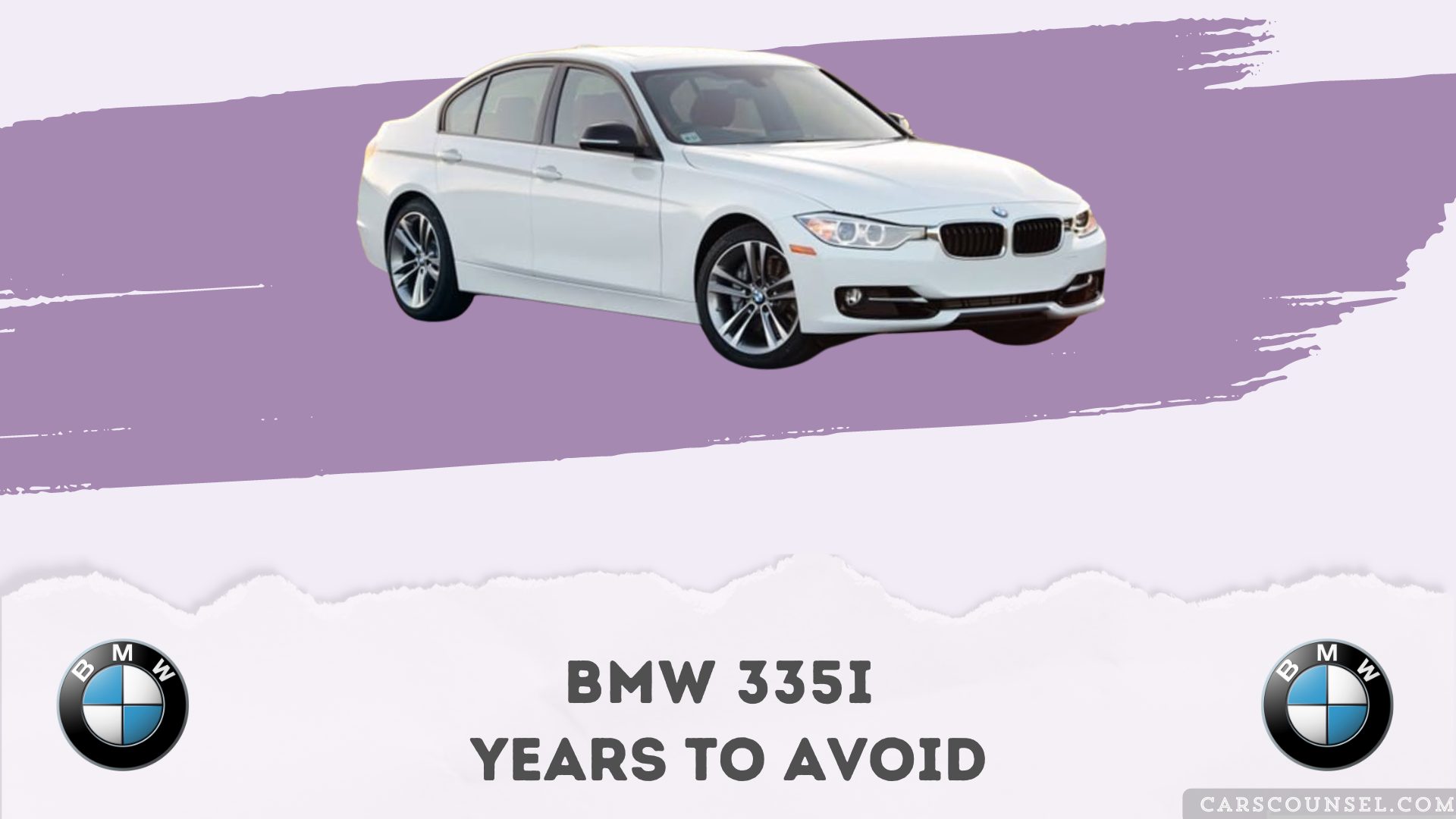
The best BMW 335i model years are 2014 and 2015. These later models feature the more reliable N55 engine. Buyers should avoid the 2007 through 2009 model years due to severe high-pressure fuel pump and turbocharger wastegate issues.
Rankings are comparative, and no used German performance car is flawless. Maintenance history and overall condition matter more than mileage alone. A well-documented service record is essential for any 335i.
Reliability heavily depends on the engine. The earlier twin-turbo N54 requires intense upkeep. The later single-turbo N55 is much more dependable, though cooling system components still demand regular inspection.
Quick Navigation
Best and Worst BMW 335i Years at a Glance
| Model Year | Verdict | Main Reason | Buyer Guidance |
|---|---|---|---|
| 2014-2015 | Best Choice | Refined N55 engine | Verify charge pipe and cooling system |
| 2012-2013 | Good Choice | Solid F30 generation | Inspect for water pump leaks |
| 2010-2011 | Approach Carefully | Transition years | Confirm HPFP and injector replacements |
| 2007-2009 | Avoid | N54 engine failures | High risk of expensive turbo and fuel issues |
Key Takeaways
- 2014 and 2015 are the strongest choices for a used 335i.
- Avoid 2007 through 2009 due to costly N54 engine defects.
- The switch from the N54 to the N55 engine drastically improved reliability.
- High-pressure fuel pump and fuel injector failures plague early models.
- Plastic charge pipes and electric water pumps remain concerns across most years.
- Always check the VIN for open recalls and warranty extensions.
- Demand a comprehensive pre-purchase inspection from a BMW specialist.
How We Evaluated the BMW 335i Model Years
Our analysis reviews official recalls, manufacturer warranty extensions, and technical service bulletins for BMW. We also weigh consumer complaints and years to avoid.
Complaints are not failure rates, and a recall does not automatically ruin a vehicle. Recent years have less ownership history. Best means comparatively stronger, not flawless.
Best BMW 335i Years
2014-2015
These final F30 generation years benefit from a highly refined N55 engine. BMW ironed out early electrical and fueling bugs. They offer the best balance of modern tech and reliability.
Buyers must still inspect the plastic charge pipe, which can crack under boost. Upgrading to an aftermarket metal charge pipe is a common and recommended preventative fix.
2012-2013
The early F30 models introduced the N55 engine to the new chassis. They are generally dependable but require strict cooling system maintenance. The electric water pump is a known weak point.
Verify that the valve cover gasket and oil filter housing gasket are leak-free. These are common maintenance items that can lead to larger engine issues if ignored.
Best Year by Buyer Type
Best Overall
The 2015 model year stands out as the best overall choice. It represents the final and most sorted version of the 335i before BMW changed the nameplate to the 340i.
Best Budget Option
The 2012 model year offers a lower entry price while still featuring the superior N55 engine. Just ensure you budget for immediate cooling system and gasket maintenance.
Years to Approach Carefully
2010-2011
These years represent a transitional period. The 2010 model was the final year of the problematic N54 engine in the US market. The 2011 model introduced the N55 but faced early production teething issues.
Only consider these years if the high-pressure fuel pump and fuel injectors have documented replacements. Without proof of major preventative maintenance, the financial risk remains high.
Worst BMW 335i Years
2007-2009
The earliest 335i models are notorious for expensive failures. The twin-turbo N54 engine suffered from massive high-pressure fuel pump defects. BMW eventually issued a warranty extension, but many remain problematic.
Turbocharger wastegate rattle and failure are also rampant. Fixing the turbos or upgrading them is incredibly expensive. Fuel injector failures can also cause severe misfires and catalytic converter damage.
Unless you are an enthusiast with a dedicated repair budget, these early years are a massive financial risk. The sheer volume of common engine faults makes them very difficult to recommend.
BMW 335i Reliability by Generation
E90/E92/E93 Generation (2007-2011)
This generation introduced the 335i to the US market. It is heavily defined by the N54 engine’s reliability struggles. While dynamically brilliant, the maintenance costs are steep.
F30 Generation (2012-2015)
The F30 chassis brought the more reliable N55 engine. It shifted toward turbocharged four-cylinders for lower trims, making the 335i the premier performance option.
For a broader look at the entire lineup, review our BMW 3 Series best and worst years guide.
Common BMW 335i Problems
High-Pressure Fuel Pump and Injectors
Early N54 engines frequently suffered from high-pressure fuel pump failures. Symptoms include long cranking, limp mode, and check engine lights. Fuel injectors also fail, leading to misfires and rough idling.
Turbocharger Wastegate Rattle
The N54 turbos are prone to wastegate rattle, especially during cold starts or deceleration. This indicates worn wastegate pivots. Ignoring it leads to underboost codes and eventual turbocharger replacement.
Cooling System and Water Pump
BMW uses electric water pumps that tend to fail suddenly around 70,000 miles. This affects both N54 and N55 engines. A failing pump will cause immediate overheating and engine shutdown.
Oil and Coolant Leaks
The oil filter housing gasket and valve cover gasket are notorious for leaking. If the oil filter housing gasket fails, oil can mix with the coolant or destroy the drive belt.
Repair-Cost Overview
| Problem | Commonly Affected Years | Approximate Repair Range | Important Notes |
|---|---|---|---|
| High-Pressure Fuel Pump | 2007-2010 | $800 – $1,500 | Check for warranty extensions |
| Fuel Injectors (Set of 6) | 2007-2010 | $1,500 – $2,500 | Often fail alongside the HPFP |
| Electric Water Pump | 2007-2015 | $600 – $1,000 | Preventative replacement is advised |
| Turbocharger Replacement | 2007-2009 | $3,000 – $5,000 | Upgraded turbos cost significantly more |
Costs vary by region, labor rate, parts choice, and repair shop. Independent BMW specialists usually offer better rates than dealerships.
What to Check Before Buying a Used BMW 335i
- Verify the VIN for open recalls and HPFP warranty extensions.
- Inspect the plastic charge pipe for stress cracks.
- Check the oil filter housing for coolant or oil leaks.
- Listen for turbo wastegate rattle during cold starts.
- Review service records for water pump and injector replacements.
- Scan for hidden diagnostic trouble codes using a BMW-specific tool.
- Arrange an independent pre-purchase inspection.
Related Buying Guides
- BMW M3 best and worst years: Explore the high-performance V8 and inline-six alternatives.
- BMW Z4 years to avoid: Check the reliability of BMW’s two-seat roadster.
- BMW X5 years to avoid: See if the larger SUV offers better long-term ownership.
- BMW X3 years to avoid: Review the compact crossover alternative for daily driving.
- BMW X1 years to avoid: Review the subcompact crossover alternative for city driving.
Frequently Asked Questions
What is the most reliable BMW 335i engine?
The N55 engine, introduced in 2011, is vastly more reliable than the earlier N54. It uses a single twin-scroll turbo, eliminating the complex wastegate and fueling issues of its predecessor.
Did BMW fix the high-pressure fuel pump issue?
BMW issued a 10-year/120,000-mile warranty extension for the high-pressure fuel pump on early models. However, buyers must verify if the specific vehicle qualifies and if the repair was completed.
Why do BMW 335i water pumps fail so often?
BMW uses electric water pumps with internal circuit boards that degrade over time. They typically fail between 60,000 and 80,000 miles. Preventative replacement is highly recommended to avoid overheating.
Is the BMW 335i expensive to maintain?
Yes, the 335i requires strict, expensive maintenance. Gasket leaks, cooling system overhauls, and turbo-related repairs cost significantly more than average commuter cars. Budgeting for preventative maintenance is essential.
What causes the charge pipe to crack?
The factory plastic charge pipe becomes brittle from engine bay heat cycles. Under boost pressure, it can split, causing a sudden loss of power. Upgrading to an aluminum pipe fixes this.
Should I buy a modified BMW 335i?
Modified examples carry high financial risk. Aggressive tunes push the N54 and N55 engines beyond factory limits, accelerating wear on turbos, injectors, and cooling components. Stock examples are much safer.
Which BMW 335i Year Should You Buy?
Target the 2014 and 2015 model years for the most dependable experience. Avoid the 2007 through 2009 models unless you are prepared for severe engine repair costs.
Always verify the VIN, demand complete service records, and hire a BMW specialist for a pre-purchase inspection. Proper maintenance is the only way to keep these performance cars reliable.

