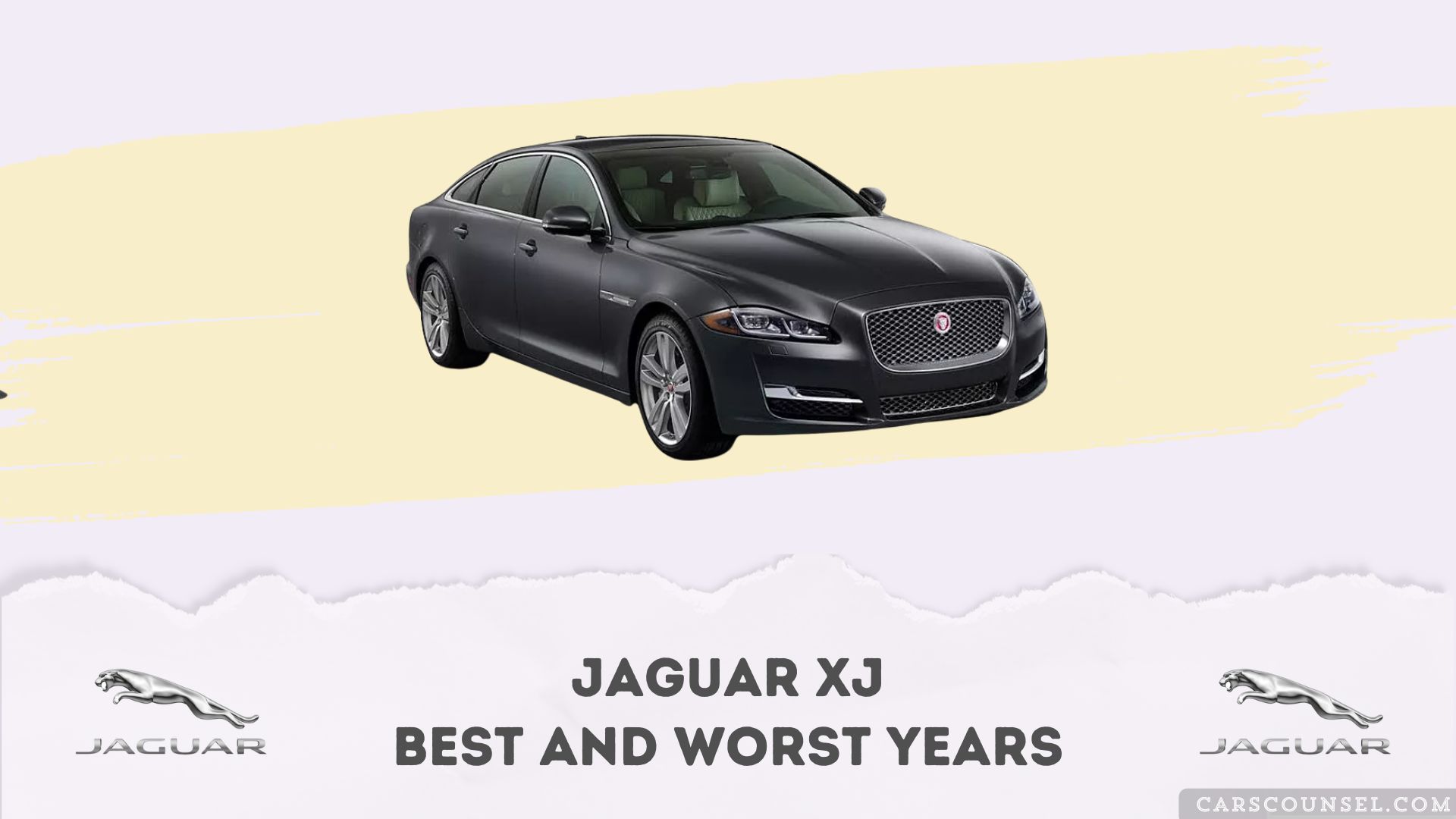
The best Jaguar XJ model years are 2013 through 2019 and 1995 through 1997. Buyers should avoid the 1998 through 2000 models due to severe engine defects.
Rankings are comparative, as no aging luxury sedan is entirely flawless. Proper maintenance history and a thorough pre-purchase inspection remain essential for any used vehicle.
Significant differences exist between the inline-six and V8 configurations. The transition to aluminum chassis and complex air suspension systems introduced new, expensive maintenance requirements.
Quick Navigation
Best and Worst Jaguar XJ Years at a Glance
| Model Year | Verdict | Main Reason | Buyer Guidance |
|---|---|---|---|
| 1968-1986 | Approach Carefully | Classic collector status, aging electronics | Requires specialist inspection |
| 1987-1994 | Approach Carefully | Early XJ40 electrical and head gasket concerns | Verify wiring and cooling system |
| 1995-1997 | Best Older Choice | Robust inline-six, improved build quality | Top pick for classic enthusiasts |
| 1998-2000 | Avoid | Nikasil cylinder lining and timing chain guides | High risk of engine failure |
| 2001-2003 | Good Choice | Steel liners and updated tensioners implemented | Verify maintenance history |
| 2004-2009 | Approach Carefully | Complex aluminum chassis and aging air suspension | Budget for suspension repairs |
| 2010-2012 | Approach Carefully | Early 5.0L V8 water pump and timing chain concerns | Inspect for coolant leaks |
| 2013-2019 | Best Late-Generation Choice | Mature platform, modern luxury, sorted powertrains | Best option for daily driving |
Key Takeaways
- The 2013 through 2019 and 1995 through 1997 model years offer the strongest ownership experience.
- Avoid the 1998 through 2000 models due to Nikasil cylinder lining and timing chain defects.
- The 2004 through 2009 models require strict air suspension maintenance and repair budgets.
- Early 5.0-liter V8 engines need careful inspection for water pump and timing chain wear.
- Always verify the VIN for open recalls and arrange an independent inspection.
How We Evaluated the Jaguar XJ Model Years
Our analysis considers official NHTSA recalls, manufacturer service campaigns, and consumer complaint patterns across the Jaguar lineup. We evaluate powertrain differences, generation changes, and repair complexity.
Complaints are not confirmed failure rates, and a recall does not automatically ruin a vehicle’s reputation. Older models require careful inspection, meaning our top picks represent comparatively stronger options.
Best Jaguar XJ Years
2013-2019 (Best Late-Generation Choice)
These years benefit from a mature aluminum platform and sorted 5.0-liter V8 powertrains. The infotainment system is improved, and the major early-production engine defects were largely resolved.
1995-1997 (Best Older Choice)
The X300 generation features the robust AJ16 inline-six engine and improved build quality. It remains a top pick for classic enthusiasts seeking traditional styling without severe mechanical liabilities.
Best Year by Buyer Type
Best Enthusiast Choice
The 1995 through 1997 XJ6 offers a classic driving experience with a highly reliable inline-six engine, avoiding the complex electronics and air suspension found on later models.
Best Modern Alternative
US buyers needing a modern flagship sedan should look at the Jaguar XF, which offers a smaller footprint, modernized technology, and lower maintenance costs.
Years to Approach Carefully
2004-2009 (Approach Carefully)
The X350 generation introduced an aluminum unibody and complex air suspension. While the powertrains are solid, the air suspension compressors and struts frequently fail and are expensive to replace.
2010-2012 (Approach Carefully)
Early X351 models with the 5.0-liter V8 are prone to plastic water pump housing failures and timing chain tensioner wear. Verify that these components were updated by previous owners.
1987-1994 (Approach Carefully)
The early XJ40 models suffer from aging wiring harnesses, brittle plastics, and early head gasket vulnerabilities. They require a meticulous maintenance history to remain viable today.
Worst Jaguar XJ Years
The 1998 through 2000 model years warrant an avoid verdict. The early 4.0-liter V8 engines suffer from Nikasil cylinder lining wash-off and fragile plastic timing chain guides.
These defects can lead to sudden compression loss or catastrophic engine failure. While some surviving examples received warranty replacements, the risk remains too high for most used buyers.
Jaguar XJ Reliability by Generation
Series I, II, and III (1968-1986)
These early generations are now considered classic collector vehicles. They feature beautiful styling but suffer from aging electrical systems and require specialist maintenance and careful storage.
XJ40 (1987-1994)
This generation modernized the brand but suffered from early electrical gremlins and build quality issues. Later models improved, but age-related wiring degradation is now a major concern.
X300 (1995-1997)
Widely considered a high point for the brand, this generation returned to classic styling and introduced the robust AJ16 inline-six engine. Build quality improved significantly under Ford ownership.
X308 (1998-2003)
This generation introduced the 4.0-liter V8. Early models are plagued by Nikasil and timing chain issues, while 2001 and later models received steel liners and updated tensioners.
X350 (2004-2009)
Built on an aluminum unibody platform, this generation shares related architecture with the Jaguar XK. It is heavily reliant on complex air suspension systems that require expensive upkeep.
X351 (2010-2019)
The final generation introduced radical styling and the 5.0-liter V8. Jaguar discontinued the XJ after 2019, ending the flagship sedan’s long production run.
Common Jaguar XJ Problems
Timing Chain Tensioners
The 4.0-liter and early 5.0-liter V8 engines use plastic timing chain guides that become brittle and fail. Listen for a distinct rattle on cold starts, indicating immediate replacement is needed.
Engine Cooling System
The 5.0-liter V8 engines are prone to water pump housing leaks. The plastic housings crack over time, leading to sudden coolant loss and potential overheating damage.
Air Suspension Failures
The X350 and X351 generations rely on air suspension for their signature ride quality. The air struts and compressors frequently leak or fail, resulting in a sagging chassis and costly repairs.
What to Check Before Buying a Used Jaguar XJ
- Verify the vehicle history for any outstanding historical recalls or major accidents.
- Listen for timing chain rattle on cold starts, especially on V8 models.
- Inspect the water pump and coolant reservoir for signs of leaks or plastic degradation.
- Test the air suspension for proper ride height adjustment and compressor operation.
- Arrange an independent pre-purchase inspection with a European specialist.
Related Buying Guides
- Jaguar F-Pace: The performance SUV alternative for buyers who need practical cargo space, rear seating, and all-weather capability.
- Jaguar F-Type: The dedicated sports car alternative for buyers seeking raw performance and aggressive styling over executive rear-seat comfort.
Frequently Asked Questions
Which Jaguar XJ year is the most reliable?
The 2013 through 2019 and 1995 through 1997 model years are the most reliable. They benefit from sorted powertrains, improved build quality, and resolved early-production defects.
Does the Jaguar XJ have engine problems?
Early V8 engines suffer from Nikasil cylinder lining and plastic timing chain guide failures. The 5.0-liter V8 also requires strict water pump maintenance to prevent sudden coolant leaks.
Why do some XJ models have air suspension issues?
The X350 and X351 generations rely on complex air suspension systems. The air struts and compressors frequently leak or fail over time, resulting in a sagging chassis and expensive repairs.
Is the Jaguar XJ discontinued?
Yes, Jaguar officially discontinued the XJ after the 2019 model year. The X351 generation was the final iteration, ending the flagship sedan’s long and storied production run.
Are newer Jaguar XJ models reliable?
The 2013 and newer models feature mature platforms and updated powertrains. Because they represent the final, most refined iteration, they offer the strongest comparative reliability for modern buyers.
What should I check on a used XJ?
Buyers must inspect the cooling system, listen for timing chain rattle, and test the air suspension. An independent pre-purchase inspection is mandatory for any used luxury sedan.
Choosing the Right Jaguar XJ Model Year
Target the 2013 through 2019 model years for a refined, reliable flagship sedan experience with sorted V8 powertrains and modernized technology.
Enthusiasts should target the 1995 through 1997 models for classic styling and a robust inline-six engine. Avoid the 1998 through 2000 models entirely due to severe engine defects.
Always test the air suspension, check for coolant leaks, and secure an independent inspection before purchasing any generation.

