The Mazda3 is a compact sedan that debuted as a 2004 model and continues production today. This vehicle competes in the compact car segment with offerings in both sedan and hatchback configurations across four distinct generations.
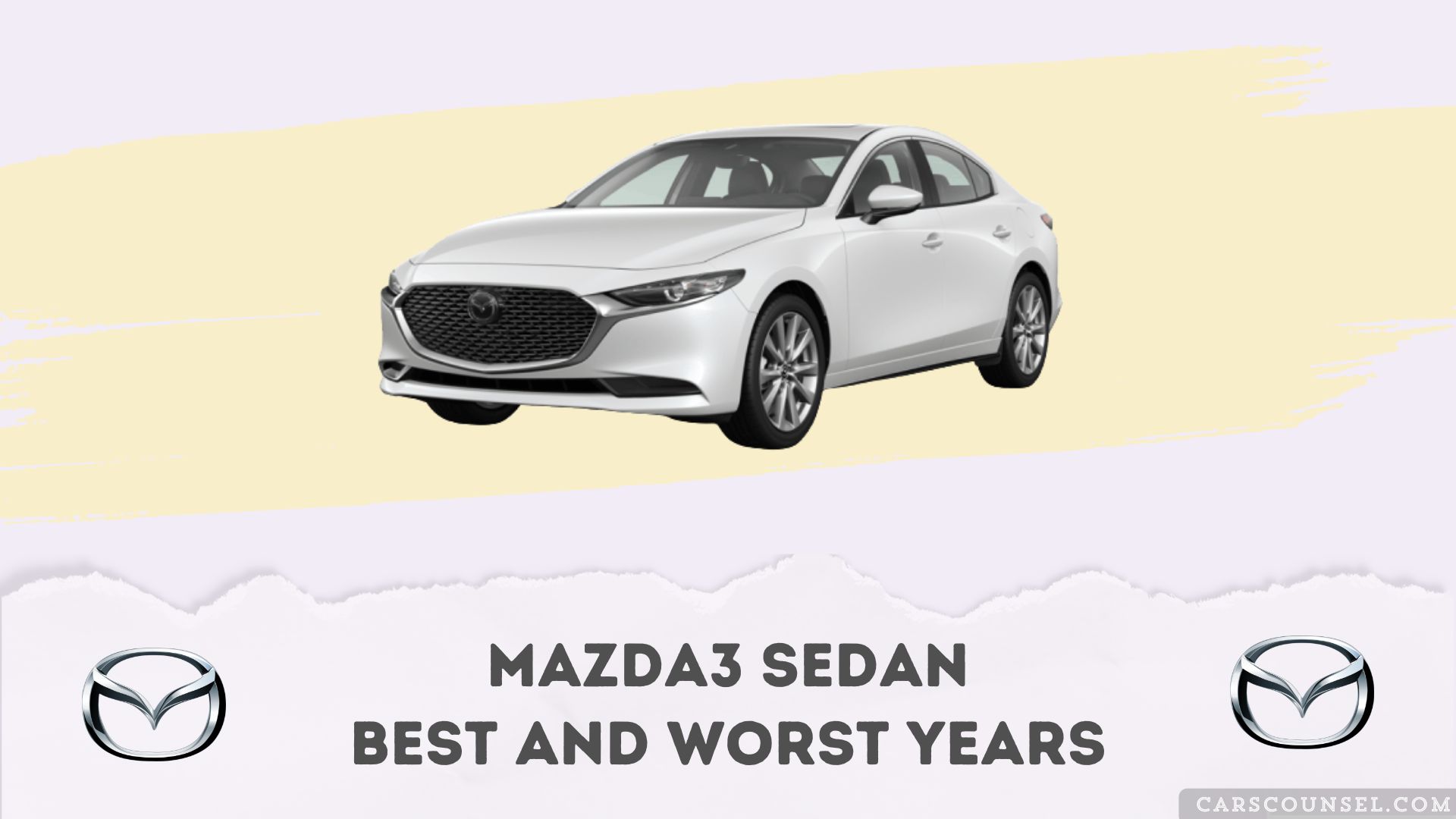
This article breaks down the best and worst model years of the Mazda3 based on reliability, performance, owner complaints, and long-term dependability. Understanding which years to pursue and which to avoid can save thousands in repair costs.
Quick Navigation
Mazda3 Generational Overview
First Generation (2004-2009)
The first generation Mazda3 established the model’s reputation in the compact car segment. This generation featured a 2.0-liter or 2.3-liter four-cylinder engine with either a five-speed manual or four-speed automatic transmission.
Common issues plagued the early first-generation models, including clutch failures, brake problems, and significant rust concerns. The 2004-2007 models experienced the highest complaint rates, while the 2008-2009 years showed improved reliability after Mazda addressed several design flaws.
Second Generation (2010-2013)
The second generation launched in 2010 with a redesigned exterior and updated interior features. Engine options included a 2.0-liter and 2.5-liter four-cylinder, paired with either a five-speed manual, six-speed manual, or five-speed automatic transmission.
This generation suffered from widespread clutch problems, particularly in 2010 and 2011 models with manual transmissions. The 2010 model year received the most complaints of any Mazda3 year, making it one to avoid. Transmission shuddering and shifting difficulties also affected models from 2012-2013.
Third Generation (2014-2018)
The third generation represented a significant improvement in build quality and reliability. Mazda introduced the SKYACTIV engine technology, offering a 2.0-liter or 2.5-liter four-cylinder with improved fuel efficiency.
This generation featured better materials, enhanced safety features, and fewer reported mechanical issues compared to predecessors. The 2014-2015 models experienced some early-generation problems, but 2016-2018 years are considered highly reliable.
Fourth Generation (2019-Present)
The current generation debuted in 2019 with a premium interior, refined handling, and advanced safety technology. Engine options include a 2.5-liter four-cylinder and a turbocharged 2.5-liter variant producing 250 horsepower.
The 2019 model year encountered engine stalling issues affecting over 260,000 units due to faulty powertrain control module software. Mazda addressed these concerns through recalls, and 2020-2023 models demonstrate improved reliability.
Best Years for the Mazda3
The most reliable Mazda3 model years offer strong mechanical performance and minimal owner complaints.
2023: The latest model year benefits from all previous improvements and shows minimal reported issues. This year includes updated technology, refined powertrains, and enhanced safety features without the first-year bugs of earlier generation launches.
2020-2022: These fourth-generation models resolved the 2019 engine software problems and offer modern amenities with proven reliability. Owners report fewer mechanical complaints and better build quality compared to earlier years.
2018: The final year of the third generation incorporated all midcycle improvements and refinements. This model year represents a mature platform with resolved issues and strong owner satisfaction ratings.
2016-2017: These third-generation models strike a balance between modern features and proven mechanical reliability. The SKYACTIV engines show excellent durability, and rust protection improved significantly over earlier generations.
2008-2009: The late first-generation models addressed many early production problems. These years received improved rust protection and resolved clutch issues that plagued 2004-2007 models, making them solid budget options.
Worst Years for the Mazda3
Several model years demonstrate poor reliability and high repair costs.
2010: The first year of the second generation stands as the worst Mazda3 year. Clutch failure in manual transmission models represents the most common complaint, with premature wear occurring at low mileage. The automatic transmission also exhibited shuddering and rough shifting behavior.
2004-2007: The early first-generation models suffer from multiple reliability concerns. Clutch failures, brake problems, and severe rust issues affect wheel arches, undercarriage, and body panels. These years also experienced tire pressure monitoring system failures due to corroded valve stems.
2011-2013: The second generation continued experiencing clutch and transmission problems. Manual transmissions showed difficulty shifting into third through sixth gears, and the shifter could jump out of third gear over bumps. Vibration issues and general reliability concerns also affected these years.
2019: The first year of the fourth generation encountered engine stalling problems. Over 260,000 Mazda3 sedans had incorrect powertrain control module software installed, causing engines to lose power or shut off while driving. While recalls addressed this issue, it remains a concerning first-year problem.
Common Problems Across the Mazda3 Lineup
Clutch Failure
Manual transmission Mazda3 models frequently experience premature clutch wear. The 2010 and 2011 years show the highest failure rates, with clutches wearing out between 30,000 and 60,000 miles. Design issues with the pressure plate and master cylinder contribute to shortened clutch life.
Rust and Corrosion
First and second-generation models rust extensively in wheel arches, sills, undercarriage, door edges, and boot areas. Road salt exposure accelerates corrosion, particularly in the 2004-2014 model years. The front subframe can also develop structural rust, compromising vehicle integrity.
Transmission Issues
Automatic transmissions in 2010-2014 models exhibit shuddering, jerking, or slipping between gears. Manual transmissions from 2012-2015 show hard shifting into higher gears and can pop out of third gear. These problems often require expensive transmission repairs or clutch hub assembly replacement.
Engine Problems
Variable valve timing defects cause oil leaks, excessive smoke, loose timing chains, and potential engine failure. The 2019 model year experienced widespread engine stalling due to software errors affecting the powertrain control module. Engine misfires and erratic idle also affect various model years.
Electrical System Failures
Owners report malfunctioning infotainment systems, airbag warning light issues, trunk release failures, and faulty thermostats. These electrical gremlins appear across multiple generations but occur more frequently in first and second-generation models.
Brake Problems
Premature brake wear affects multiple model years, particularly 2004-2007 and 2014-2018 generations. Owners report frequent brake pad and rotor replacement, along with occasional brake system component failures requiring repair.
Reliability Breakdown by Year
2023 Mazda3 Reliability Rating
The 2023 model demonstrates strong reliability with minimal reported issues. This year benefits from a mature fourth-generation platform with resolved earlier problems. Owners report satisfaction with performance, build quality, and mechanical dependability.
2022 Mazda3 Reliability Rating
The 2022 model continues the reliable trend of later fourth-generation years. No widespread defects or recalls affect this year. Standard maintenance requirements remain typical for the compact car segment.
2021 Mazda3 Reliability Rating
The 2021 model shows good reliability following resolution of 2019 engine software issues. This year includes all necessary updates to the powertrain control module. Owner complaints remain low compared to earlier generations.
2020 Mazda3 Reliability Rating
The 2020 model represents an improved version of the fourth generation. Mazda addressed first-year bugs from 2019, resulting in better overall dependability. Some minor brake concerns persist but do not significantly impact reliability.
2019 Mazda3 Reliability Rating
The 2019 model suffered from engine stalling problems affecting over 260,000 vehicles. Incorrect software in the powertrain control module caused engines to shut off while driving. Recalls addressed this issue, but first-year problems make this year less desirable.
2018 Mazda3 Reliability Rating
The 2018 model stands as one of the best Mazda3 years. As the final third-generation year, it incorporated all improvements and refinements. Reliability ratings are high, with few significant complaints or mechanical issues reported.
2017 Mazda3 Reliability Rating
The 2017 model demonstrates strong reliability in the third generation. This year benefits from mid-generation updates and improved rust protection. Owner satisfaction remains high, with minimal reported defects.
2016 Mazda3 Reliability Rating
The 2016 model offers solid dependability with the SKYACTIV engine platform. This year shows consistent performance and fewer issues than earlier generations. Some minor concerns exist but do not significantly impact overall reliability.
2014-2015 Mazda3 Reliability Rating
The 2014 and 2015 models launched the third generation with some early-production issues. Brake problems appear more frequently in these years compared to later third-generation models. Overall reliability improved compared to second-generation years but remains below 2016-2018 standards.
2010-2013 Mazda3 Reliability Rating
The second generation shows poor reliability across all years. The 2010 model received the most complaints, primarily clutch failure in manual transmissions. The 2011-2013 years continued experiencing transmission problems, vibration issues, and general reliability concerns.
2008-2009 Mazda3 Reliability Rating
The late first-generation models demonstrate improved reliability. These years addressed many early-production problems affecting 2004-2007 models. Rust concerns remain but occur less frequently than earlier years.
2004-2007 Mazda3 Reliability Rating
The early first-generation models suffer from multiple reliability problems. Clutch failures, brake issues, and extensive rust damage affect these years. The 2004 model represents the worst first-generation year due to first-year production problems.
Warranty & Ownership Costs
Mazda provides a three-year/36,000-mile basic warranty and a five-year/60,000-mile powertrain warranty on new vehicles. Used buyers should verify remaining warranty coverage, as it can transfer to subsequent owners.
The Mazda3 costs approximately $5,654 for maintenance and repairs during the first 10 years of ownership. This figure exceeds the industry average for compact cars by $779. A 15.80% chance exists that the Mazda3 will require a major repair during this period.
Annual maintenance costs range from $400-600 during the first three years, covering oil changes, filters, and basic inspections. Total three-year costs average $1,200-1,800 for routine maintenance. Clutch replacement in manual transmission models can cost $1,000-2,000, representing a significant expense for affected years.
Buying Guide: What to Look For
Best Value Years
The 2016-2018 model years offer the best combination of reliability, modern features, and reasonable pricing. These third-generation models provide SKYACTIV fuel efficiency, improved build quality, and strong dependability without the premium cost of fourth-generation vehicles.
Years to Avoid
Steer clear of 2004-2007, 2010-2013, and 2019 model years. These years demonstrate poor reliability, expensive repairs, and widespread mechanical problems. The 2010 model deserves particular avoidance due to severe clutch failure issues.
Key Components to Inspect
When buying a used Mazda3, thoroughly inspect wheel arches, undercarriage, and door edges for rust, especially on 2004-2014 models. Test the clutch engagement on manual transmissions for slipping or hard shifting. Check for smooth transmission operation without shuddering or jerking in automatic models.
Mileage Considerations
Clutch replacement becomes likely after 60,000 miles on 2010-2013 manual transmission models. First-generation Mazda3 sedans can develop rust issues regardless of mileage in salt-belt regions. Third and fourth-generation models show better durability past 100,000 miles when properly maintained.
Maintenance Records
Verify regular oil changes, transmission service, and rust protection treatments on any used Mazda3. Check for recalls addressing the 2019 engine software issue if considering that year. Confirm clutch replacement history on manual transmission models from problematic years.
When looking at performance cars, make sure to check out our guides on models like the Mazda CX-90, Mazda CX-30, Mazda CX-50 and Mazda RX-7. Knowing which model years to target and which to avoid is crucial. Our expert reviews break down these models, providing insights into the years that are celebrated for their engineering excellence and driving satisfaction, as well as those that are best to avoid due to potential issues.
FAQs
Is the Mazda3 reliable?
The Mazda3 reliability varies significantly by model year. Third and fourth-generation models from 2016-2018 and 2020-2023 demonstrate strong dependability. Earlier generations from 2004-2013 show poor reliability with frequent mechanical problems.
What year of the Mazda3 is most dependable?
The 2018 and 2023 model years represent the most dependable Mazda3 options. The 2018 model offers a refined third-generation platform with all improvements implemented. The 2023 model provides the latest technology with proven fourth-generation reliability.
What year should you avoid?
Avoid the 2010 Mazda3, which received the most owner complaints due to widespread clutch failure. The 2004-2007 and 2011-2013 years also deserve avoidance due to clutch problems, transmission issues, and severe rust concerns.
What are the most common problems?
Clutch failure affects 2010-2013 manual transmission models most severely. Rust develops in wheel arches and undercarriage on 2004-2014 years. Transmission shuddering, engine stalling in 2019 models, and various electrical issues also occur frequently.
How long does a Mazda3 last?
A well-maintained Mazda3 from reliable model years can exceed 200,000 miles. Third and fourth-generation models demonstrate better longevity than first and second generations. Avoiding problematic years and following maintenance schedules significantly extends vehicle lifespan.
Are Mazda3 sedans expensive to maintain?
The Mazda3 costs approximately $5,654 for maintenance and repairs over 10 years, which is $779 above the compact car average. Annual maintenance runs $400-600 during the warranty period. Major repairs like clutch replacement or rust remediation can add $1,000-3,000 to ownership costs.
Conclusion
The Mazda3 offers a compelling compact sedan option when selecting the right model year. The 2016-2018 and 2020-2023 years provide the best reliability, performance, and long-term dependability.
Avoid the 2004-2007, 2010-2013, and 2019 model years due to clutch failures, rust problems, transmission issues, and engine defects. These problematic years result in expensive repairs and poor ownership experiences.
Third-generation models from 2016-2018 deliver the best value for used car buyers seeking reliability without paying premium prices for the latest generation. Thorough pre-purchase inspections focusing on rust, transmission operation, and clutch condition can prevent costly mistakes when buying a used Mazda3.

