Imagine driving down a sunlit Rhode Island road, only to be distracted by a crack spiderwebbing across your windshield. It’s more than just a visual annoyance; state laws dictate strict regulations around cracked windshields to protect you and others on the road. Understanding these laws can save you from fines and complications with your vehicle. What are the specific rules you need to know to stay compliant and safe?
Quick Navigation
Key Takeaways
- Rhode Island prohibits cracks obstructing the driver’s view or located in the wiper area, classifying them as illegal.
- Minor cracks not in the direct line of sight and maintaining safety seal integrity are permissible.
- Federal regulations mandate repairs for windshield cracks exceeding 0.75 inches to ensure compliance and safety.
- Driving with a cracked windshield can result in fines, legal repercussions, and potential license suspension if not addressed.
- Auto insurance may cover windshield repairs; check your policy for zero-deductible options specific to Rhode Island laws.
Legal Regulations and Compliance
While you might think minor cracks in your windshield are inconsequential, Rhode Island law mandates strict regulations regarding windshield integrity to guarantee driver safety.
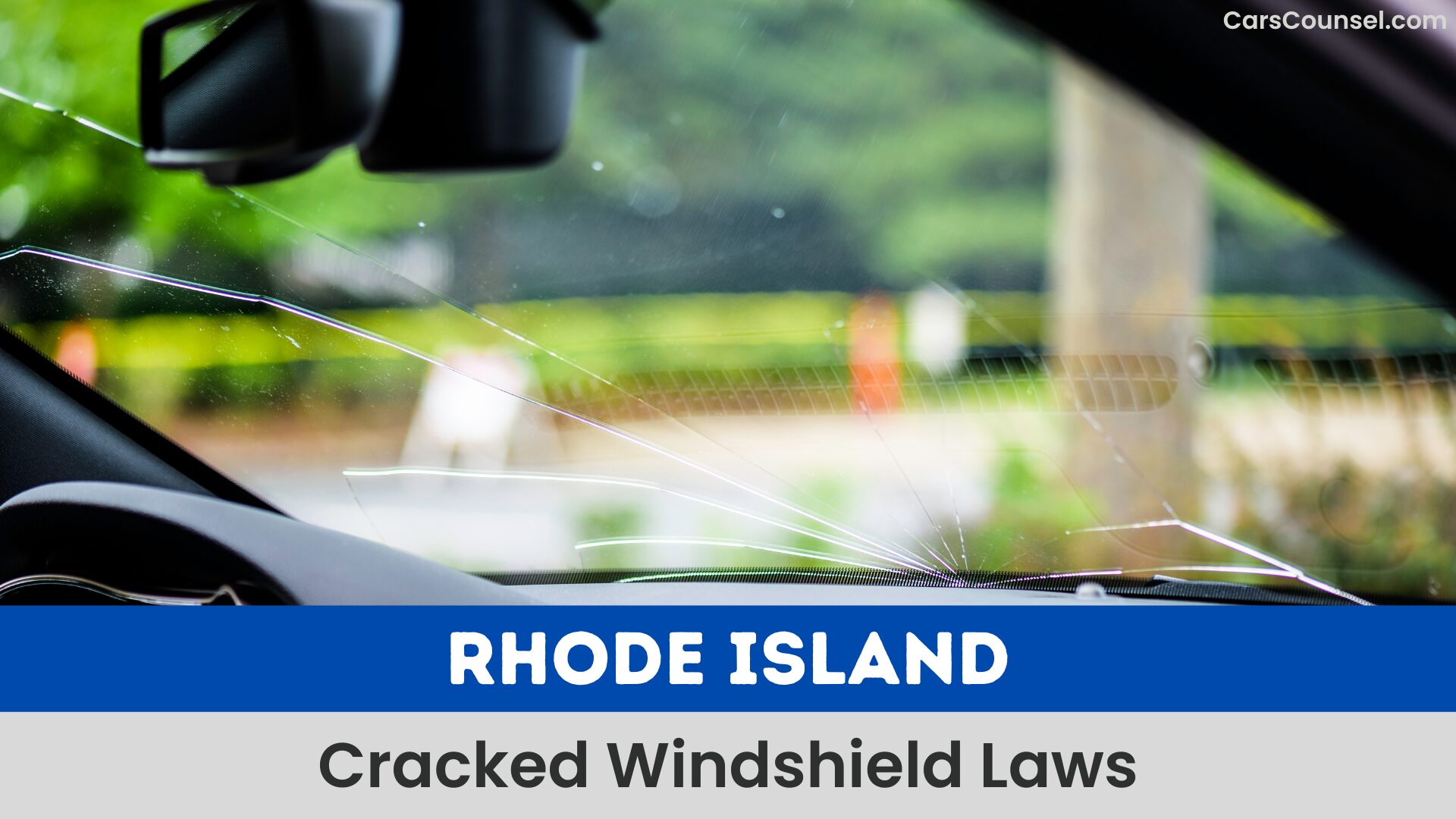
Under the Cracked Windshield Laws, any crack obstructing the driver’s view or located in the wiper area is illegal. Minor cracks are acceptable only if they’re not directly in front of you and don’t compromise the safety seal.
Federal regulations also dictate that cracks over 0.75 inches must be repaired or replaced. Complying with these laws is essential to avoid penalties, as non-compliance can lead to fines and complications with your vehicle registration.
Dangers and Risks of Cracked Windshields
Cracked windshields pose significant dangers that can jeopardize your safety on the road.
You mightn’t realize that ignoring these cracks could lead to serious issues, including:
- Reduced Visibility: Cracks can distort your view, increasing the risk of accidents.
- Compromised Structural Integrity: A damaged windshield may fail during a collision, raising the risk of cabin intrusion.
- Increased Injury Risks: Damaged safety glass is more likely to shatter, potentially harming you and your passengers.
Ticketing and Legal Consequences
In Rhode Island, driving with a cracked windshield can lead to fines and potential complications if not addressed promptly.
You may receive a “fix-it ticket,” which allows you to repair the damage and avoid further penalties.
However, failing to resolve these violations can negatively impact your driving record and even result in license suspension.
Fines for Violations
Driving with a cracked windshield in Rhode Island can lead to significant fines and legal repercussions. If your windshield obstructs your view, you face various penalties, making it essential to address any damage promptly.
Here’s what you need to know:
- Fines vary based on the severity of the obstruction.
- Unresolved violations can lead to repeated tickets, increased costs, and potential court appearances.
- Ignoring the issue may escalate to license suspension.
To stay compliant and avoid fines, take action on cracked windshields as soon as possible to prevent further legal complications.
Fix-It Ticket Process
When you receive a “fix-it ticket” for a cracked windshield in Rhode Island, it’s essential to understand the process to avoid potential penalties.
This ticket allows you to repair the damage and submit proof of repair before your court date to dismiss the violation. Verify that the repair meets state compliance standards; otherwise, you may face additional fines or even license suspension.
While a fix-it ticket is a nonmoving violation, failing to address it can lead to repeated tickets. Always keep your repair documentation handy to present valid proof of repair at your scheduled court appearance.
Impact on Driving Record
Although you may not think a cracked windshield is a significant issue, it can have lasting effects on your driving record and legal standing in Rhode Island. Here’s what you need to know:
- Driving with a cracked windshield violates traffic laws, potentially leading to a ticket.
- Unresolved issues can result in repeated tickets, fines, and even license suspension.
- A cracked windshield may disqualify you during vehicle inspections or driving tests, affecting your ability to obtain or renew your license.
Stay proactive in addressing windshield repairs to maintain a clean driving record and avoid legal complications.
Repair Costs and Insurance Coverage
Understanding the costs associated with windshield repairs in Rhode Island is vital for drivers facing this common issue.
Replacement costs for cracked windshields typically range from $300 to $1,000, depending on your vehicle’s model. For small cracks, repairs are more affordable, usually costing between $60 and $90.
Fortunately, many auto insurance policies in Rhode Island cover windshield repair under comprehensive coverage, often including damage from non-collision incidents. It’s important to review your insurance coverage, as it can vary widely between insurers.
Additionally, check for state-specific laws regarding zero-deductible options to minimize your out-of-pocket expenses.
Understanding State-Specific Laws
Maneuvering the laws surrounding cracked windshields in Rhode Island is key for maintaining both safety and compliance.
To guarantee you meet visibility requirements, keep these points in mind:
- Driving with cracks in the wiper area or that compromise safety seals is illegal.
- Minor cracks are acceptable as long as they’re not in your direct line of sight and adhere to size limits.
- Replacement windshields must match the original quality to comply with Rhode Island laws.
Regular inspections can help you avoid penalties and guarantee your vehicle meets the necessary standards for a safe driving experience.
Best Practices for Windshield Maintenance
To keep your windshield in top condition and secure compliance with Rhode Island laws, it’s essential to adopt proactive maintenance practices.
Regularly inspect for cracks or chips, especially in the wiper swipe area, to avoid fines. Promptly address any minor damage, as environmental factors can worsen visibility: cracks.
Confirm your windshield wipers function properly and replace worn blades to maintain clear visibility during bad weather.
When scheduling windshield repair and replacement, use only safety glass that meets OEM specifications.
Consider regular vehicle inspections to verify windshield integrity, securing both compliance and safe driving conditions.
Cracked Windshield Laws in U.S. States
Every state enforces unique cracked windshield laws. Use this quick guide to understand repair, replacement, and visibility requirements in your region.
| State | Quick Summary |
| Alabama | Driving with windshield cracks that obstruct the driver’s view is illegal in Alabama; repairs are required to pass inspection. |
| Alaska | Alaska law forbids cracks or chips that block visibility; unsafe glass must be repaired or replaced immediately. |
| Arizona | Arizona prohibits cracks in a driver’s line of sight; unaddressed damage can lead to fines or inspection failure. |
| Arkansas | Windshield cracks over one inch in the driver’s view violate Arkansas safety laws and must be repaired quickly. |
| California | California Vehicle Code §26710 requires cracked windshields that obstruct vision to be replaced for safe driving. |
| Colorado | Colorado tickets drivers if windshield cracks affect visibility, especially within the area cleared by wipers. |
| Connecticut | Connecticut mandates clear driver visibility; cracks or chips that distort sightlines are safety violations. |
| Delaware | Delaware requires windshields free from cracks that impair view or weaken structure; repair ensures inspection pass. |
| Florida | Florida enforces visibility laws; cracks blocking view are violations. Insurance usually covers free replacements. |
| Georgia | Georgia prohibits star cracks and fractures obstructing sightlines; visibility impairment may lead to citations. |
| Hawaii | Hawaii requires clear windshields; cracks or chips that block driver visibility fail safety inspection. |
| Idaho | Idaho limits cracks to under three-quarters inch; damage in the driver’s view must be fixed for road safety. |
| Illinois | Illinois bans windshield cracks within the wiper area that distort the driver’s vision; repairs are mandatory. |
| Indiana | Indiana requires clear vision; major cracks or spreading fractures violate vehicle-safety inspection rules. |
| Iowa | Iowa law deems any crack blocking a driver’s view unsafe; repairs are required to avoid ticket or inspection failure. |
| Kansas | Kansas enforces visibility safety; cracks that interfere with driver vision or vehicle integrity are illegal. |
| Kentucky | Kentucky bans cracks extending into a driver’s view zone; damaged windshields must be replaced for inspection. |
| Louisiana | Louisiana prohibits cracks or chips in the driver’s sightline; vehicles with damaged glass fail inspection. |
| Maine | Maine inspection rules fail cars with cracks that block a driver’s view or exceed limits within the wiper area. |
| Maryland | Maryland enforces federal safety standards; cracks within wiper range or that spread require replacement. |
| Massachusetts | Massachusetts inspection fails any vehicle with cracks distorting the driver’s line of sight or causing glare. |
| Michigan | Michigan allows minor cracks outside driver view zones; major fractures or spider cracks are illegal. |
| Minnesota | Minnesota restricts cracks wider than half an inch in driver view; clear visibility is mandatory. |
| Mississippi | Mississippi mandates repair of cracks that affect driver vision or violate inspection safety guidelines. |
| Missouri | Missouri requires safe, crack-free windshields; damage obstructing view leads to ticket or inspection failure. |
| Montana | Montana follows federal safety codes; cracked windshields impairing vision or stability fail inspection. |
| Nebraska | Nebraska prohibits cracks over one inch in a driver’s view zone; damaged glass must be repaired quickly. |
| Nevada | Nevada law requires clear windshields; cracks blocking vision or causing distortion must be repaired. |
| New Hampshire | New Hampshire forbids windshield cracks larger than one inch within the driver’s wiper path. |
| New Jersey | New Jersey inspection fails vehicles with cracks obstructing view or creating reflective glare. |
| New Mexico | New Mexico requires windshields clear of spreading cracks across driver view; noncompliance invites fines. |
| New York | New York prohibits cracks blocking visibility; unsafe windshields must be replaced before operation. |
| North Carolina | North Carolina bans cracks inside the wiper area; impaired visibility leads to inspection failure. |
| North Dakota | North Dakota enforces strict visibility standards; any line-of-sight crack must be repaired immediately. |
| Ohio | Ohio law forbids cracks that distort or block view; drivers must repair glass to meet safety code. |
| Oklahoma | Oklahoma disallows cracks within the driver’s viewing area; damage must be repaired before inspection. |
| Oregon | Oregon prohibits windshield cracks in sightlines; vehicles must have clear, intact safety glass. |
| Pennsylvania | Pennsylvania fails inspection for cracks affecting vision or exceeding the wiper-swept area. |
| South Carolina | South Carolina mandates repairs for cracks blocking view; insurance covers free replacements. |
| South Dakota | South Dakota law disallows any windshield damage impairing visibility or weakening the glass. |
| Tennessee | Tennessee bans windshield cracks that hinder vision; glass replacement required if unsafe. |
| Texas | Texas applies federal visibility standards; cracks within driver view must be repaired before renewal. |
| Utah | Utah forbids cracks larger than one inch in the wiper zone; unsafe glass requires replacement. |
| Vermont | Vermont inspection fails cars with windshield cracks or discolorations in the driver’s view. |
| Virginia | Virginia mandates repairs for cracks over one inch within the wiper area or obstructing view. |
| Washington | Washington requires clear vision; any crack impairing sightlines must be repaired or replaced. |
| West Virginia | West Virginia bans cracks in the critical vision zone; unsafe glass fails inspection immediately. |
| Wisconsin | Wisconsin prohibits cracks over eight inches or those distorting driver view; repairs required. |
| Wyoming | Wyoming law demands clear windshields; any damage blocking driver view must be repaired promptly. |
Frequently Asked Questions
Will a Cracked Windshield Pass Inspection in Rhode Island?
A cracked windshield may not pass inspection if it obstructs your view or affects wiper function. Ascertain you meet inspection requirements by considering cracked windshield repair, as safety regulations prioritize clear visibility and effective operation.
What Is the Windshield Law in Rhode Island?
You might think minor cracks are fine, but Rhode Island’s windshield regulations are strict. To comply with safety standards, verify any damage doesn’t obstruct your view, and follow proper repair guidelines for replacements.
Does Rhode Island Cover Windshield Replacement?
Yes, Rhode Island covers windshield replacement under certain insurance policies. You should review your windshield insurance coverage, considering replacement cost factors, and decide whether repair vs replacement is more beneficial based on your specific situation.
Do I Need to Submit a Claim for a Cracked Windshield?
You should assess your windshield repair options and consider safety concerns. If the damage obstructs your view, submitting a claim through the insurance claims process is advisable to guarantee compliance and maintain your vehicle’s safety.
Conclusion
In the grand scheme of driving, you might think a tiny crack in your windshield is just a minor annoyance—after all, it’s not like it’s a giant hole, right? Yet, Rhode Island’s laws suggest otherwise, putting you at risk for fines and safety hazards. So, while you’re admiring the view through that little crack, remember: ignoring it could cost you more than just your peace of mind. Staying compliant and safe shouldn’t be seen as a chore, but a wise investment.

