If you drive in South Dakota, understanding cracked windshield laws is vital for your safety and legality on the road. These regulations specify that any windshield damage must be addressed promptly to avoid penalties. With fines starting at $120, it’s important to know the specifics of what constitutes a violation. But what are the risks associated with ignoring these laws, and how can you make certain your vehicle remains compliant?
Quick Navigation
Key Takeaways
- South Dakota law mandates that windshields must be free of cracks, chips, or defects to ensure driver visibility and safety.
- Cracks larger than ¾ inch are illegal, and no two cracks may be within three inches of each other in the driver’s view.
- Violations of cracked windshield regulations can result in fines starting at $120, escalating for repeat offenses.
- Regular vehicle inspections are required to ensure compliance with windshield safety regulations.
- Insurance policies often cover windshield repairs, making it easier for drivers to maintain compliance and avoid penalties.
Cracked Windshield Regulations in South Dakota
In South Dakota, if you’re driving with a cracked windshield, you’re breaking the law.
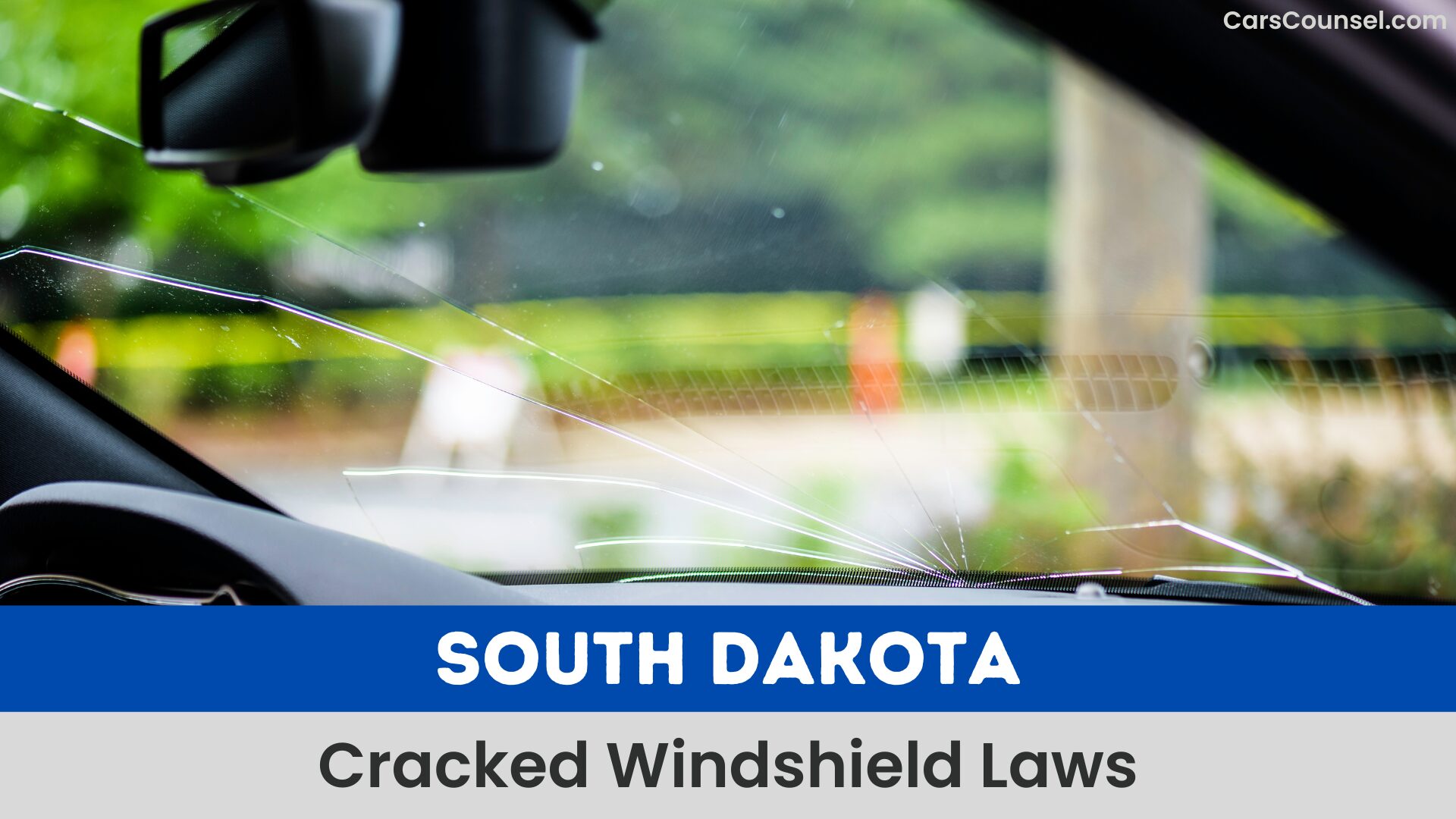
The cracked windshield laws mandate that all vehicles must have a windshield free of cracks, chips, or defects to guarantee safety and compliance. Specifically, cracks larger than ¾ inch are prohibited, and no two cracks can be within three inches of each other or intersect in the driver’s view.
Windshields must consist of safety glass to improve visibility and minimize shattering risks.
Violating these regulations can lead to fines starting at $120, emphasizing the importance of regular inspections and immediate repairs for adherence and safety.
Dangers Associated With Cracked Windshields
While you mightn’t think a cracked windshield is a serious issue, it can drastically impair your driving safety. A cracked windshield reduces visibility, compromising your ability to see the road and react to hazards. This increases the risk of accidents.
Additionally, cracks can weaken the structural integrity of your vehicle, making it vulnerable during collisions. Environmental factors can worsen these cracks, leading to shattering.
Furthermore, driving with a cracked windshield may affect passenger airbags, reducing their effectiveness. In South Dakota, there are also legal risks involved, as driving with impaired vision could result in fines and penalties.
Legal Penalties for Cracked Windshields
Driving with a cracked windshield isn’t just a safety risk; it also comes with significant legal penalties in South Dakota. Cracks obstructing the driver’s view can lead to fines starting at $120 for non-moving violations. Regular vehicle inspections are necessary to comply with windshield laws. Here’s a breakdown of potential penalties:
| Violation Type | Fine Amount | Consequences |
|---|---|---|
| Minor Crack | $120 | Fix-it ticket |
| Major Obstruction | $200 | Additional fines possible |
| Repeat Offense | $250+ | Possible license suspension |
| Unaddressed Violations | Varies | Increased fines and penalties |
Addressing windshield issues promptly can help you avoid these consequences.
Repairing a Cracked Windshield
Repairing a cracked windshield promptly is critical not only for your safety but also for compliance with South Dakota laws.
Drivers must address any windshield defects to maintain visibility and avoid legal penalties. The repair options vary based on the crack’s severity; minor repairs usually cost between $60 and $90, while full replacements can range from $300 to $1,000.
Utilizing certified technicians guarantees repairs meet safety regulations and uphold your vehicle’s structural integrity.
Many insurance policies cover windshield repair, making it easier for vehicle owners to guarantee compliance and prioritize safety—avoiding further complications down the road.
Insurance Coverage for Windshield Damage
Understanding your insurance coverage for windshield damage is essential, especially since many auto insurance policies in South Dakota offer comprehensive protection against non-collision incidents.
Here are key points to evaluate:
- Coverage Types: Comprehensive coverage often includes windshield repair and replacement.
- Zero-Deductible Options: Some policies allow for zero-deductible windshield replacement, minimizing out-of-pocket costs.
- Repair vs. Replacement: Insurers usually prefer repairs over replacements due to costs, but extensive damage may necessitate a full replacement.
- Policy Variability: Always verify your insurance policy terms, as coverage can differ, especially regarding approved repair services and visibility standards.
Cracked Windshield Laws in U.S. States
Every state enforces unique cracked windshield laws. Use this quick guide to understand repair, replacement, and visibility requirements in your region.
| State | Quick Summary |
| Alabama | Driving with windshield cracks that obstruct the driver’s view is illegal in Alabama; repairs are required to pass inspection. |
| Alaska | Alaska law forbids cracks or chips that block visibility; unsafe glass must be repaired or replaced immediately. |
| Arizona | Arizona prohibits cracks in a driver’s line of sight; unaddressed damage can lead to fines or inspection failure. |
| Arkansas | Windshield cracks over one inch in the driver’s view violate Arkansas safety laws and must be repaired quickly. |
| California | California Vehicle Code §26710 requires cracked windshields that obstruct vision to be replaced for safe driving. |
| Colorado | Colorado tickets drivers if windshield cracks affect visibility, especially within the area cleared by wipers. |
| Connecticut | Connecticut mandates clear driver visibility; cracks or chips that distort sightlines are safety violations. |
| Delaware | Delaware requires windshields free from cracks that impair view or weaken structure; repair ensures inspection pass. |
| Florida | Florida enforces visibility laws; cracks blocking view are violations. Insurance usually covers free replacements. |
| Georgia | Georgia prohibits star cracks and fractures obstructing sightlines; visibility impairment may lead to citations. |
| Hawaii | Hawaii requires clear windshields; cracks or chips that block driver visibility fail safety inspection. |
| Idaho | Idaho limits cracks to under three-quarters inch; damage in the driver’s view must be fixed for road safety. |
| Illinois | Illinois bans windshield cracks within the wiper area that distort the driver’s vision; repairs are mandatory. |
| Indiana | Indiana requires clear vision; major cracks or spreading fractures violate vehicle-safety inspection rules. |
| Iowa | Iowa law deems any crack blocking a driver’s view unsafe; repairs are required to avoid ticket or inspection failure. |
| Kansas | Kansas enforces visibility safety; cracks that interfere with driver vision or vehicle integrity are illegal. |
| Kentucky | Kentucky bans cracks extending into a driver’s view zone; damaged windshields must be replaced for inspection. |
| Louisiana | Louisiana prohibits cracks or chips in the driver’s sightline; vehicles with damaged glass fail inspection. |
| Maine | Maine inspection rules fail cars with cracks that block a driver’s view or exceed limits within the wiper area. |
| Maryland | Maryland enforces federal safety standards; cracks within wiper range or that spread require replacement. |
| Massachusetts | Massachusetts inspection fails any vehicle with cracks distorting the driver’s line of sight or causing glare. |
| Michigan | Michigan allows minor cracks outside driver view zones; major fractures or spider cracks are illegal. |
| Minnesota | Minnesota restricts cracks wider than half an inch in driver view; clear visibility is mandatory. |
| Mississippi | Mississippi mandates repair of cracks that affect driver vision or violate inspection safety guidelines. |
| Missouri | Missouri requires safe, crack-free windshields; damage obstructing view leads to ticket or inspection failure. |
| Montana | Montana follows federal safety codes; cracked windshields impairing vision or stability fail inspection. |
| Nebraska | Nebraska prohibits cracks over one inch in a driver’s view zone; damaged glass must be repaired quickly. |
| Nevada | Nevada law requires clear windshields; cracks blocking vision or causing distortion must be repaired. |
| New Hampshire | New Hampshire forbids windshield cracks larger than one inch within the driver’s wiper path. |
| New Jersey | New Jersey inspection fails vehicles with cracks obstructing view or creating reflective glare. |
| New Mexico | New Mexico requires windshields clear of spreading cracks across driver view; noncompliance invites fines. |
| New York | New York prohibits cracks blocking visibility; unsafe windshields must be replaced before operation. |
| North Carolina | North Carolina bans cracks inside the wiper area; impaired visibility leads to inspection failure. |
| North Dakota | North Dakota enforces strict visibility standards; any line-of-sight crack must be repaired immediately. |
| Ohio | Ohio law forbids cracks that distort or block view; drivers must repair glass to meet safety code. |
| Oklahoma | Oklahoma disallows cracks within the driver’s viewing area; damage must be repaired before inspection. |
| Oregon | Oregon prohibits windshield cracks in sightlines; vehicles must have clear, intact safety glass. |
| Pennsylvania | Pennsylvania fails inspection for cracks affecting vision or exceeding the wiper-swept area. |
| Rhode Island | Rhode Island forbids cracks or chips obstructing view; clear visibility is required for all vehicles. |
| South Carolina | South Carolina mandates repairs for cracks blocking view; insurance covers free replacements. |
| Tennessee | Tennessee bans windshield cracks that hinder vision; glass replacement required if unsafe. |
| Texas | Texas applies federal visibility standards; cracks within driver view must be repaired before renewal. |
| Utah | Utah forbids cracks larger than one inch in the wiper zone; unsafe glass requires replacement. |
| Vermont | Vermont inspection fails cars with windshield cracks or discolorations in the driver’s view. |
| Virginia | Virginia mandates repairs for cracks over one inch within the wiper area or obstructing view. |
| Washington | Washington requires clear vision; any crack impairing sightlines must be repaired or replaced. |
| West Virginia | West Virginia bans cracks in the critical vision zone; unsafe glass fails inspection immediately. |
| Wisconsin | Wisconsin prohibits cracks over eight inches or those distorting driver view; repairs required. |
| Wyoming | Wyoming law demands clear windshields; any damage blocking driver view must be repaired promptly. |
Frequently Asked Questions
Is It Illegal to Drive With a Cracked Windshield in South Dakota?
Driving with a cracked windshield’s illegal due to safety concerns. You’ve got legal consequences if caught. Prioritize windshield inspections and repairs to maintain vehicle integrity, guarantee driving safety, and meet state regulations for responsible vehicle maintenance.
Do I Need to Make a Claim for a Cracked Windshield?
You should consider making a claim for windshield repair if safety concerns arise. Check your insurance coverage for deductible options and potential premium increases. DIY fixes may suffice, but replacement criteria often necessitate professional intervention.
In What States Are Cracked Windshields Illegal?
Did you know nearly 30% of drivers face cracked windshield laws? States like California and New Hampshire enforce strict regulations, impacting insurance coverage differences and repair options, emphasizing driving safety concerns and the significance of state-specific vehicle inspection requirements.
Can a Police Officer Pull You Over for a Cracked Windshield?
Yes, a police officer can pull you over for a cracked windshield. Compliance with driving visibility laws and regular vehicle safety inspections is essential; law enforcement discretion may lead to traffic violation consequences based on windshield damage types.
Conclusion
In South Dakota, keeping your windshield clear is like maintaining a crystal-clear window to the road ahead. Cracked windshields not only pose safety risks but also can lead to legal troubles and fines. By understanding the regulations and prioritizing timely repairs, you guarantee a safer driving experience and compliance with the law. Don’t let a small crack turn into a larger problem; act promptly to protect yourself and others on the road.