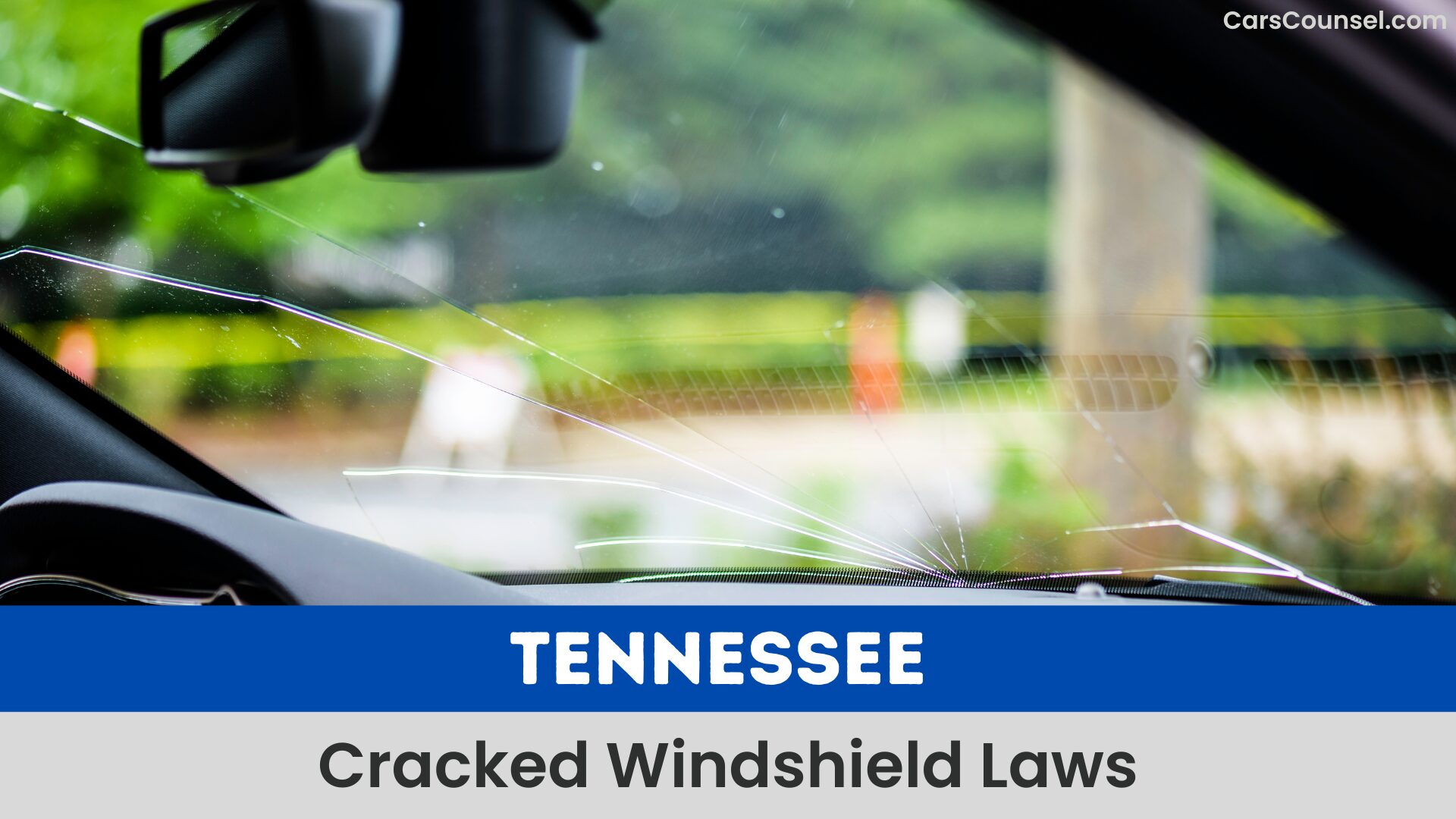
In Tennessee, cracked windshields can lead to serious legal and safety issues. If a crack obstructs your view, especially in vital areas, you might face fines or citations. Understanding the specific laws around windshield damage is essential for every driver. But what happens if your windshield is damaged? Knowing your rights and responsibilities can make a difference. Let’s investigate the regulations and how they impact you directly.
Quick Navigation
Key Takeaways
- In Tennessee, cracks must be less than ¾ inch in diameter and not obstruct the driver’s view to comply with safety standards.
- Two cracks cannot be within three inches of each other, ensuring they do not interfere with visibility.
- Cracks should not intersect in critical areas of the windshield that affect the driver’s line of sight.
- Driving with a cracked windshield can lead to citations and fines for obstructed views under state law.
- Regular maintenance and prompt repair of cracks are essential for safety and compliance with Tennessee regulations.
Overview of Cracked Windshields
When you’re driving, a cracked windshield can suddenly become a major concern, as it not only affects your visibility but can also compromise your safety.
Cracked windshields often result from debris like pebbles or nails, making them common for drivers. Federal regulations state that cracks must be smaller than ¾ inch and not obstruct the driver’s line of sight.
Furthermore, cracks within three inches of each other are unacceptable, as they further impair visibility.
It’s essential to repair any cracks and chips promptly, ensuring that your vehicle remains safe and legal to drive, while upholding compliance with safety standards.
Federal Regulations
While driving, you must be aware of federal regulations regarding cracked windshields to guarantee your safety and compliance.
Cracks must be smaller than ¾ inch in diameter, and if you have two cracks, they can’t be within three inches of each other. This guarantees that your driver’s view remains unobstructed.
Additionally, cracks shouldn’t intersect in your crucial vision area, located above the steering wheel. Compliance with these federal standards is essential, as they outline minimum safety requirements for windshields made of safety glass.
Potential Dangers of Driving With a Cracked Windshield
Driving with a cracked windshield poses serious safety risks, primarily through impaired visibility. A crack can scatter light and create glare, making it harder for you to see the road clearly.
Additionally, a damaged windshield compromises your vehicle’s structural integrity, increasing the likelihood of injury in the event of a collision.
Impaired Visibility Risks
A cracked windshield poses significant visibility risks that can endanger your safety on the road.
Cracks can scatter light and create glare, severely impairing your visibility. If a crack obstructs your driver’s line of sight, it increases the likelihood of accidents by blocking essential views of the road.
Additionally, damaged windshields may cause reflections that temporarily blind you, further compromising your safety.
Dirt and debris can accumulate in the cracks, leading to blurred vision and worsening driving conditions.
Don’t underestimate the impact of a cracked windshield; it can significantly affect your ability to navigate safely and respond to potential hazards.
Structural Integrity Concerns
Cracked windshields not only impair visibility but also raise serious concerns about your vehicle’s structural integrity.
Driving with a cracked windshield can compromise the structural integrity of your vehicle, posing significant risks.
- Small cracks can expand over time.
- Weakened glass may fail to protect against debris.
- In rollovers, compromised windshields offer less support.
- Safety features may not function properly.
- Legal repercussions exist for non-compliance with windshield laws.
Maintaining a clear driver’s view is essential for safety.
Don’t ignore cracks; they can lead to dangerous situations and costly penalties.
Prioritize your safety and address windshield issues promptly.
Vision Impairment Concerns
How can a seemingly minor crack in your windshield lead to major safety concerns? Cracks, especially at eye level, can significantly impair your visibility while driving.
Dirt and debris accumulate in these cracks, blurring your view and increasing the risk of accidents. Discoloration from embedded substances can further hinder your ability to see clearly.
Additionally, cracked windshields scatter light and create glare, complicating your perception of road conditions and obstacles.
With local laws emphasizing safety, it’s vital to address any obstruction in your line of sight, as compromised vision raises the likelihood of accidents on the road.
Repairing a Cracked Windshield
When you notice a cracked windshield, addressing it promptly is vital for your safety and visibility.
Consider professional repair options, especially for larger cracks, as they comply with safety standards and guarantee proper fixes.
Don’t forget to check your insurance coverage, as many policies offer financial support for repairs, making it easier to tackle the issue before it escalates.
Professional Repair Options
If you notice a crack in your windshield, seeking professional repair options is essential to assure safety and compliance with regulations. Qualified technicians can assess the damage and determine if repairs or replacement is needed.
- Most small cracks and chips can be repaired quickly.
- Costs typically range from $60 to over $125, depending on the damage.
- Repairs help maintain compliance with state laws.
- Confirm cracks don’t exceed ¾ inch and obstruct the driver’s side view.
- Utilizing certified services assures adherence to windshield safety laws.
Timely professional repair not only improves safety but also protects your investment.
Insurance Coverage Insights
After addressing the immediate need for professional repairs, it’s important to contemplate how insurance coverage can ease the financial burden of fixing a cracked windshield.
Many auto policies include comprehensive insurance that covers windshield repair and replacement, potentially minimizing your out-of-pocket costs. In certain states, zero-deductible windshield replacement is available, meaning you won’t pay anything for repairs.
Insurers typically prefer covering repairs over replacements, but extensive damage might require a full replacement. Always use insurer-approved services to meet policy requirements, and conduct regular inspections to guarantee timely reporting of damage, safeguarding your coverage details.
Insurance Coverage for Windshield Repair
Although Tennessee doesn’t mandate zero-deductible windshield replacement like some other states, many auto insurance policies in the state provide comprehensive coverage for windshield repair and replacement.
This coverage helps Tennessee drivers address a damaged windshield without significant out-of-pocket costs. Here are key points to remember:
- Insurers prefer repairing small chips over full replacements.
- Approved repair services guarantee compliance with policy terms.
- Comprehensive coverage typically covers repairs costing $60 to over $125.
- Understanding your policy helps avoid unexpected expenses.
- Always report windshield damage to local law enforcement if necessary.
Stay informed about your insurance coverage to maximize benefits for windshield repair.
Legal Considerations for Cracked Windshields
Understanding your insurance coverage for windshield repair is important, but knowing the legal implications of cracked windshields is equally essential.
In Tennessee, cracks must be less than ¾ inch and not obstruct your view while driving. Two cracks can’t be within three inches of each other to maintain safety.
While there aren’t specific state laws regarding cracks, law enforcement can issue citations for obstructed views, even if the cracks technically meet legal limits.
Although minor cracks may seem permissible, they can pose safety risks and lead to fines if they obstruct your view while driving.
Stay informed to avoid penalties.
State-Specific Laws on Windshield Cracks
While Tennessee doesn’t impose specific laws on the size and number of cracks in windshields, it’s vital to follow federal regulations.
Here’s what you need to know:
- Cracks must be no larger than ¾ inch in diameter.
- They can’t be within three inches of each other.
- Driving with an obstructed view due to windshield cracks is prohibited.
- Compliance with the visibility requirement is essential for safety.
- Windshield wipers must be in good working condition.
Always check with the Department of Transportation to verify you’re adhering to these standards and maintaining safe driving conditions.
Cracked Windshield Laws in U.S. States
Every state enforces unique cracked windshield laws. Use this quick guide to understand repair, replacement, and visibility requirements in your region.
| State | Quick Summary |
| Alabama | Driving with windshield cracks that obstruct the driver’s view is illegal in Alabama; repairs are required to pass inspection. |
| Alaska | Alaska law forbids cracks or chips that block visibility; unsafe glass must be repaired or replaced immediately. |
| Arizona | Arizona prohibits cracks in a driver’s line of sight; unaddressed damage can lead to fines or inspection failure. |
| Arkansas | Windshield cracks over one inch in the driver’s view violate Arkansas safety laws and must be repaired quickly. |
| California | California Vehicle Code §26710 requires cracked windshields that obstruct vision to be replaced for safe driving. |
| Colorado | Colorado tickets drivers if windshield cracks affect visibility, especially within the area cleared by wipers. |
| Connecticut | Connecticut mandates clear driver visibility; cracks or chips that distort sightlines are safety violations. |
| Delaware | Delaware requires windshields free from cracks that impair view or weaken structure; repair ensures inspection pass. |
| Florida | Florida enforces visibility laws; cracks blocking view are violations. Insurance usually covers free replacements. |
| Georgia | Georgia prohibits star cracks and fractures obstructing sightlines; visibility impairment may lead to citations. |
| Hawaii | Hawaii requires clear windshields; cracks or chips that block driver visibility fail safety inspection. |
| Idaho | Idaho limits cracks to under three-quarters inch; damage in the driver’s view must be fixed for road safety. |
| Illinois | Illinois bans windshield cracks within the wiper area that distort the driver’s vision; repairs are mandatory. |
| Indiana | Indiana requires clear vision; major cracks or spreading fractures violate vehicle-safety inspection rules. |
| Iowa | Iowa law deems any crack blocking a driver’s view unsafe; repairs are required to avoid ticket or inspection failure. |
| Kansas | Kansas enforces visibility safety; cracks that interfere with driver vision or vehicle integrity are illegal. |
| Kentucky | Kentucky bans cracks extending into a driver’s view zone; damaged windshields must be replaced for inspection. |
| Louisiana | Louisiana prohibits cracks or chips in the driver’s sightline; vehicles with damaged glass fail inspection. |
| Maine | Maine inspection rules fail cars with cracks that block a driver’s view or exceed limits within the wiper area. |
| Maryland | Maryland enforces federal safety standards; cracks within wiper range or that spread require replacement. |
| Massachusetts | Massachusetts inspection fails any vehicle with cracks distorting the driver’s line of sight or causing glare. |
| Michigan | Michigan allows minor cracks outside driver view zones; major fractures or spider cracks are illegal. |
| Minnesota | Minnesota restricts cracks wider than half an inch in driver view; clear visibility is mandatory. |
| Mississippi | Mississippi mandates repair of cracks that affect driver vision or violate inspection safety guidelines. |
| Missouri | Missouri requires safe, crack-free windshields; damage obstructing view leads to ticket or inspection failure. |
| Montana | Montana follows federal safety codes; cracked windshields impairing vision or stability fail inspection. |
| Nebraska | Nebraska prohibits cracks over one inch in a driver’s view zone; damaged glass must be repaired quickly. |
| Nevada | Nevada law requires clear windshields; cracks blocking vision or causing distortion must be repaired. |
| New Hampshire | New Hampshire forbids windshield cracks larger than one inch within the driver’s wiper path. |
| New Jersey | New Jersey inspection fails vehicles with cracks obstructing view or creating reflective glare. |
| New Mexico | New Mexico requires windshields clear of spreading cracks across driver view; noncompliance invites fines. |
| New York | New York prohibits cracks blocking visibility; unsafe windshields must be replaced before operation. |
| North Carolina | North Carolina bans cracks inside the wiper area; impaired visibility leads to inspection failure. |
| North Dakota | North Dakota enforces strict visibility standards; any line-of-sight crack must be repaired immediately. |
| Ohio | Ohio law forbids cracks that distort or block view; drivers must repair glass to meet safety code. |
| Oklahoma | Oklahoma disallows cracks within the driver’s viewing area; damage must be repaired before inspection. |
| Oregon | Oregon prohibits windshield cracks in sightlines; vehicles must have clear, intact safety glass. |
| Pennsylvania | Pennsylvania fails inspection for cracks affecting vision or exceeding the wiper-swept area. |
| Rhode Island | Rhode Island forbids cracks or chips obstructing view; clear visibility is required for all vehicles. |
| South Carolina | South Carolina mandates repairs for cracks blocking view; insurance covers free replacements. |
| South Dakota | South Dakota law disallows any windshield damage impairing visibility or weakening the glass. |
| Texas | Texas applies federal visibility standards; cracks within driver view must be repaired before renewal. |
| Utah | Utah forbids cracks larger than one inch in the wiper zone; unsafe glass requires replacement. |
| Vermont | Vermont inspection fails cars with windshield cracks or discolorations in the driver’s view. |
| Virginia | Virginia mandates repairs for cracks over one inch within the wiper area or obstructing view. |
| Washington | Washington requires clear vision; any crack impairing sightlines must be repaired or replaced. |
| West Virginia | West Virginia bans cracks in the critical vision zone; unsafe glass fails inspection immediately. |
| Wisconsin | Wisconsin prohibits cracks over eight inches or those distorting driver view; repairs required. |
| Wyoming | Wyoming law demands clear windshields; any damage blocking driver view must be repaired promptly. |
Frequently Asked Questions
Is It Illegal to Drive With a Cracked Windshield in TN?
You need to understand cracked windshield regulations and driving safety tips. While small cracks might be legal, they can impair visibility, leading to legal consequences. Investigate windshield repair options and insurance coverage details to stay compliant and safe.
Who Pays When a Rock Hits Your Windshield?
When a rock damages your windshield, your insurance coverage typically handles repair costs. Depending on your policy options, deductible amounts may vary, but addressing safety concerns through the claim process is essential for liability issues.
What Is the Windshield Obstruction Law in Tennessee?
In Tennessee, you must guarantee your windshield’s free from visual obstructions. Adhering to safety regulations protects you from traffic violations. Regular vehicle inspections can prevent legal consequences and support insurance claims for necessary windshield repairs.
In What States Are Cracked Windshields Illegal?
Cracked windshield regulations vary by state. Some states enforce strict vehicle safety standards, while others follow federal guidelines. You should know your state’s windshield repair guidelines, insurance coverage options, and traffic violation penalties related to windshield damage.
Conclusion
In Tennessee, staying on top of windshield repairs isn’t just about compliance; it’s about safety. Did you know that nearly 30% of accidents involve obstructed views? Don’t let a cracked windshield be the reason you or someone else gets hurt. By addressing any damage promptly, you not only avoid legal issues but also guarantee a clearer, safer driving experience. Remember, a small crack can lead to bigger problems—both on the road and in your wallet.