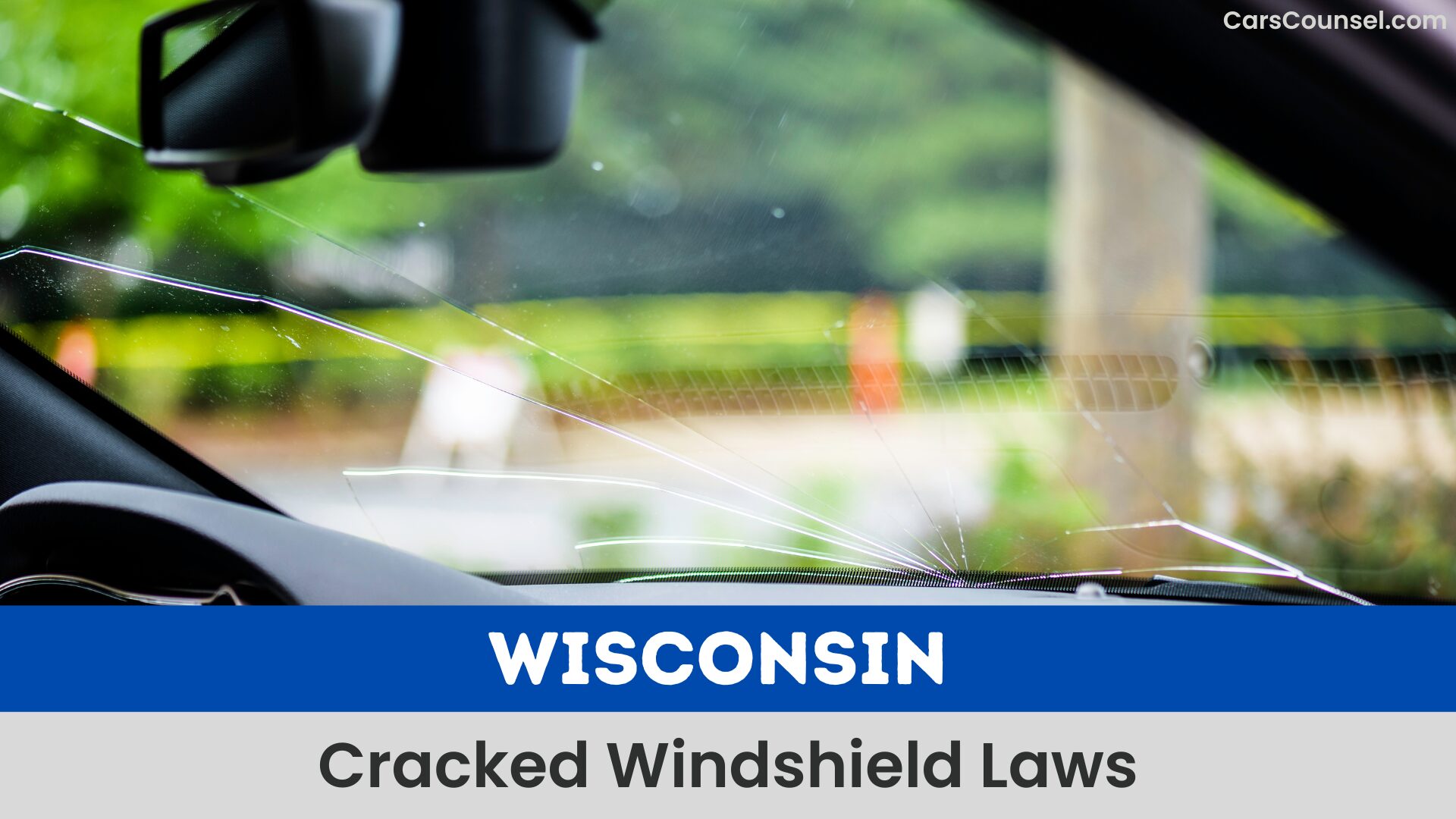
In Wisconsin, understanding cracked windshield laws is essential for vehicle owners. You need to be aware of specific restrictions regarding crack sizes, particularly in your line of sight. Compliance isn’t just about avoiding fines; it also impacts safety and visibility on the road. As you navigate these regulations, it’s important to reflect on how common causes of damage might affect your vehicle and what steps you can take to guarantee compliance.
Quick Navigation
Key Takeaways
- Vehicles manufactured after January 1, 1936, must have windshields free from cracks larger than ¾ inch or in the driver’s direct line of sight.
- Windshields must be made of safety glass to minimize injury risk in case of an accident.
- Vehicles built after January 1, 1955, are required to have functioning defrosters and operational windshield wipers if manufactured after January 1, 1968.
- Non-compliance with windshield regulations can lead to traffic stops, fines, and failed inspections.
- Regular inspections and prompt repairs can help maintain legal compliance and safety, especially for cracks in the driver’s view.
Understanding Wisconsin Windshield Regulations
Regarding Wisconsin windshield regulations, understanding the specifics is vital for every driver.
Wisconsin windshield laws require that vehicles manufactured after January 1, 1936, have windshields free from cracks or chips obstructing the driver’s view. Cracks within the direct line of sight, or larger than ¾ inch, can create a safety hazard and render a vehicle non-compliant.
Additionally, all windshields must consist of safety glass to minimize injury risk during accidents. For vehicles made after January 1, 1955, functioning defrosters are mandatory, and windshield wipers must be operational for those manufactured after January 1, 1968.
Compliance is critical for safe driving.
Importance of Windshield Integrity
Windshield integrity plays an essential role in road safety and the overall performance of your vehicle. A cracked windshield can severely impair your visibility, increasing the likelihood of accidents.
Moreover, cracks can weaken the vehicle’s structural integrity, compromising the protection offered to occupants during a collision. Legal requirements emphasize this need by prohibiting cracks that extend into your direct line of sight.
Small cracks may worsen over time, leading to more extensive damage and costly repairs. Maintaining a clear and intact windshield is vital for compliance with the law and ensuring the safety of both you and your passengers.
Legal Implications of Cracked Windshields
While you mightn’t think much about a small crack in your windshield, it can have significant legal implications in Wisconsin. Under Wisconsin’s Windshield Laws, any crack in the driver’s direct view area is illegal, especially if it exceeds ¾ inch in diameter.
Larger cracks, over 1-1/2 inches, aren’t permitted anywhere on the windshield. Non-compliance can lead to traffic stops, fines, and vehicle inspection failures, impacting your ability to drive legally.
Furthermore, all vehicles manufactured since 1936 must have safety glass, emphasizing the importance of maintaining windshield integrity to avoid potential legal repercussions.
State-Specific Laws on Windshield Cracks
In Wisconsin, specific regulations govern the presence of cracks on windshields to guarantee driver safety.
You’re prohibited from having cracks extending into the driver’s direct view area, ensuring an unobstructed sight of the road. State laws specify that any cracks larger than ¾ inch in diameter within this view area aren’t allowed.
Additionally, no chips or stone damage larger than half an inch can exist in the driver’s line of sight. Cracks that extend more than eight inches from the windshield’s edge are also prohibited.
Adhering to these laws is essential to avoid fines and maintain safe driving conditions.
Common Causes of Windshield Damage
Many factors contribute to windshield damage, impacting vehicle safety and driver visibility. Flying debris, especially during highway driving, can create chips or cracks.
Temperature fluctuations cause stress fractures, weakening the glass structure. Poor road conditions, like potholes, lead to vibrations that may result in cracks over time.
In addition, improper installation during windshield replacement can result in seal failures, increasing the risk of damage from water infiltration or air pressure changes.
Sudden impacts from hail or severe weather can cause significant damage larger than a simple chip, often necessitating immediate repair or replacement to maintain safety.
Repairing vs. Replacing a Cracked Windshield
When addressing a cracked windshield, it’s essential to assess the damage severity to determine the appropriate course of action.
Repairing is often more cost-effective and can be covered by insurance without a deductible, while replacement may be necessary for larger cracks that compromise safety.
Understanding these factors will help you make an informed decision that complies with legal standards and protects your investment.
Assessing Damage Severity
Evaluating the severity of a cracked windshield is essential for guaranteeing both safety and compliance with Wisconsin laws. Cracks shorter than 6 inches often qualify for repair, maintaining visibility and adhering to regulations.
However, any damage in the driver’s direct view area must be addressed immediately to avoid legal issues. Wisconsin law also prohibits chips larger than half an inch in this area, requiring prompt assessment.
Consulting a certified technician guarantees you determine whether repair or replacement is necessary. If you have a comprehensive insurance policy, repairs may be covered without a deductible, making this option more appealing.
Cost Considerations
While deciding whether to repair or replace a cracked windshield, it’s essential to weigh the costs involved. Repairing is generally cheaper, averaging $50 to $150, while replacements can exceed $200 to $1,000. Most comprehensive coverage policies cover repairs without a deductible, making them financially appealing.
| Option | Average Cost |
|---|---|
| Repair | $50 – $150 |
| Replace | $200 – $1,000+ |
In Wisconsin, you must address any cracks larger than permissible limits to avoid fines. Quick repairs not only save money but also guarantee safety, adding urgency to these cost considerations.
Insurance Coverage Options
Understanding your insurance coverage options for cracked windshields can significantly impact your decision between repair and replacement. Many auto insurance policies, particularly those with comprehensive coverage, include provisions for both.
Repairs are often more cost-effective, and most states allow no deductible for minor damages like chips or cracks under six inches with comprehensive coverage. In some states, you might even benefit from zero-deductible replacements.
However, insurers may impose specific eligibility criteria, so it’s essential to consult your insurance representative. Keep in mind that even with deductible waivers, you still incur costs through premium payments for comprehensive coverage.
Insurance Coverage for Windshield Repairs
How do Wisconsin’s auto insurance policies handle windshield repairs?
Many policies include insurance coverage for windshield repairs under comprehensive plans, covering damages from non-collision events.
Wisconsin law requires insurers to waive deductibles for such repairs, allowing you to fix small chips or cracks at no cost.
Typically, repairs are permitted for damages less than 6 inches, making this option more economical than full replacements.
Some providers, like Progressive, offer additional deductible waivers, encouraging timely maintenance.
However, it’s essential to review your specific policy, as coverage features and repair eligibility can vary significantly between insurers.
Consequences of Non-Compliance With Windshield Laws
Ignoring Wisconsin’s windshield laws can have significant consequences for drivers. Non-compliance can lead to traffic stops by law enforcement, fines for each offense, and failed vehicle inspections. Accumulating multiple violations may result in severe penalties, including operational restrictions for common carriers. Legal precedents, such as State v. Longcore, highlight the importance of adhering to these laws.
| Consequence | Description | Severity |
|---|---|---|
| Traffic Stops | Officers check for violations | Moderate |
| Fines | Monetary penalties for each offense | Variable |
| Failed Inspections | Vehicles may not pass inspection | High |
Tips for Maintaining Windshield Integrity
To maintain your windshield’s integrity, regularly inspect it for any cracks or chips, as even minor damage can escalate quickly.
If you notice any imperfections, promptly repair those that are less than 6 inches long to prevent further issues.
Taking these proactive steps not only improves safety but also extends the lifespan of your windshield.
Regular Inspections Importance
While regular windshield inspections might seem like a minor detail, they play a crucial role in maintaining your vehicle’s safety and compliance with Wisconsin laws.
These inspections help identify small cracks and chips before they expand, ensuring peak visibility. Cracks in the driver’s direct view can lead to fines or failed inspections, making timely checks essential.
Environmental factors can worsen existing damage, underscoring the need for consistent maintenance. Adhering to inspection schedules not only boosts your windshield’s structural integrity but also significantly reduces the risk of accidents caused by compromised visibility, ensuring safer driving for you and other road users.
Prompt Repair Actions
Addressing windshield damage promptly is vital, as even minor cracks and chips can escalate into significant safety hazards.
Regularly inspect your windshield for any signs of damage, especially cracks in the area directly in front of you, to guarantee compliance with Wisconsin laws. If you notice chips larger than half an inch in diameter, seek professional repair services immediately.
Document any repairs for insurance purposes, as this can be important in case of a traffic stop related to windshield violations.
Confirm your wipers and washer system are functioning correctly to maintain a clear view and improve driving safety.
Resources for Windshield Inspection and Repair
In terms of ensuring your windshield meets Wisconsin’s legal standards, accessing the right resources for inspection and repair is essential.
Consider these options:
- Certified Technicians: They conduct thorough windshield inspections to identify cracks and chips, ensuring compliance with state laws.
- Auto Repair Shops: Many offer specialized windshield repair services, addressing minor damages effectively and potentially avoiding full replacements.
- Insurance Policies: Check your coverage options, as some policies include windshield inspections and repairs, which can save you money.
Regular windshield inspections help catch issues early, preventing fines and safety hazards.
Don’t underestimate the importance of timely repairs.
Cracked Windshield Laws in U.S. States
Every state enforces unique cracked windshield laws. Use this quick guide to understand repair, replacement, and visibility requirements in your region.
| State | Quick Summary |
| Alabama | Driving with windshield cracks that obstruct the driver’s view is illegal in Alabama; repairs are required to pass inspection. |
| Alaska | Alaska law forbids cracks or chips that block visibility; unsafe glass must be repaired or replaced immediately. |
| Arizona | Arizona prohibits cracks in a driver’s line of sight; unaddressed damage can lead to fines or inspection failure. |
| Arkansas | Windshield cracks over one inch in the driver’s view violate Arkansas safety laws and must be repaired quickly. |
| California | California Vehicle Code §26710 requires cracked windshields that obstruct vision to be replaced for safe driving. |
| Colorado | Colorado tickets drivers if windshield cracks affect visibility, especially within the area cleared by wipers. |
| Connecticut | Connecticut mandates clear driver visibility; cracks or chips that distort sightlines are safety violations. |
| Delaware | Delaware requires windshields free from cracks that impair view or weaken structure; repair ensures inspection pass. |
| Florida | Florida enforces visibility laws; cracks blocking view are violations. Insurance usually covers free replacements. |
| Georgia | Georgia prohibits star cracks and fractures obstructing sightlines; visibility impairment may lead to citations. |
| Hawaii | Hawaii requires clear windshields; cracks or chips that block driver visibility fail safety inspection. |
| Idaho | Idaho limits cracks to under three-quarters inch; damage in the driver’s view must be fixed for road safety. |
| Illinois | Illinois bans windshield cracks within the wiper area that distort the driver’s vision; repairs are mandatory. |
| Indiana | Indiana requires clear vision; major cracks or spreading fractures violate vehicle-safety inspection rules. |
| Iowa | Iowa law deems any crack blocking a driver’s view unsafe; repairs are required to avoid ticket or inspection failure. |
| Kansas | Kansas enforces visibility safety; cracks that interfere with driver vision or vehicle integrity are illegal. |
| Kentucky | Kentucky bans cracks extending into a driver’s view zone; damaged windshields must be replaced for inspection. |
| Louisiana | Louisiana prohibits cracks or chips in the driver’s sightline; vehicles with damaged glass fail inspection. |
| Maine | Maine inspection rules fail cars with cracks that block a driver’s view or exceed limits within the wiper area. |
| Maryland | Maryland enforces federal safety standards; cracks within wiper range or that spread require replacement. |
| Massachusetts | Massachusetts inspection fails any vehicle with cracks distorting the driver’s line of sight or causing glare. |
| Michigan | Michigan allows minor cracks outside driver view zones; major fractures or spider cracks are illegal. |
| Minnesota | Minnesota restricts cracks wider than half an inch in driver view; clear visibility is mandatory. |
| Mississippi | Mississippi mandates repair of cracks that affect driver vision or violate inspection safety guidelines. |
| Missouri | Missouri requires safe, crack-free windshields; damage obstructing view leads to ticket or inspection failure. |
| Montana | Montana follows federal safety codes; cracked windshields impairing vision or stability fail inspection. |
| Nebraska | Nebraska prohibits cracks over one inch in a driver’s view zone; damaged glass must be repaired quickly. |
| Nevada | Nevada law requires clear windshields; cracks blocking vision or causing distortion must be repaired. |
| New Hampshire | New Hampshire forbids windshield cracks larger than one inch within the driver’s wiper path. |
| New Jersey | New Jersey inspection fails vehicles with cracks obstructing view or creating reflective glare. |
| New Mexico | New Mexico requires windshields clear of spreading cracks across driver view; noncompliance invites fines. |
| New York | New York prohibits cracks blocking visibility; unsafe windshields must be replaced before operation. |
| North Carolina | North Carolina bans cracks inside the wiper area; impaired visibility leads to inspection failure. |
| North Dakota | North Dakota enforces strict visibility standards; any line-of-sight crack must be repaired immediately. |
| Ohio | Ohio law forbids cracks that distort or block view; drivers must repair glass to meet safety code. |
| Oklahoma | Oklahoma disallows cracks within the driver’s viewing area; damage must be repaired before inspection. |
| Oregon | Oregon prohibits windshield cracks in sightlines; vehicles must have clear, intact safety glass. |
| Pennsylvania | Pennsylvania fails inspection for cracks affecting vision or exceeding the wiper-swept area. |
| Rhode Island | Rhode Island forbids cracks or chips obstructing view; clear visibility is required for all vehicles. |
| South Carolina | South Carolina mandates repairs for cracks blocking view; insurance covers free replacements. |
| South Dakota | South Dakota law disallows any windshield damage impairing visibility or weakening the glass. |
| Tennessee | Tennessee bans windshield cracks that hinder vision; glass replacement required if unsafe. |
| Texas | Texas applies federal visibility standards; cracks within driver view must be repaired before renewal. |
| Utah | Utah forbids cracks larger than one inch in the wiper zone; unsafe glass requires replacement. |
| Vermont | Vermont inspection fails cars with windshield cracks or discolorations in the driver’s view. |
| Virginia | Virginia mandates repairs for cracks over one inch within the wiper area or obstructing view. |
| Washington | Washington requires clear vision; any crack impairing sightlines must be repaired or replaced. |
| West Virginia | West Virginia bans cracks in the critical vision zone; unsafe glass fails inspection immediately. |
| Wyoming | Wyoming law demands clear windshields; any damage blocking driver view must be repaired promptly. |
Frequently Asked Questions
Do I Need a Police Report for Windshield Damage Claims?
You typically don’t need a police report for windshield damage claims, but it’s wise to check your insurance policy. Some insurers may require documentation, especially if there’s significant damage or potential liability involved.
How Can I Find a Reputable Windshield Repair Service?
To find a reputable windshield repair service, check online service reviews. Compare ratings, read customer feedback, and ask for recommendations from friends or family. This approach guarantees you choose a reliable and quality repair provider.
Will a Cracked Windshield Affect My Vehicle’s Inspection?
A cracked windshield can impact your vehicle’s inspection. Inspectors prioritize windshield safety, and significant damage may result in failing to meet inspection requirements. It’s essential to address cracks promptly to guarantee compliance and safety.
What Types of Windshield Damage Are Typically Covered by Insurance?
You might wonder what windshield damage your insurance covers. Typically, glass repair for chips or cracks within specific sizes qualifies for insurance claims, but verify your policy details to guarantee you’re fully protected.
Can I Drive With a Cracked Windshield in Wisconsin?
You can drive with a cracked windshield, but it’s risky. Windshield safety is essential; severe cracks may lead to legal penalties if they obstruct your view. Always consider repair to avoid potential consequences and guarantee safe driving.
Conclusion
In summary, staying informed about Wisconsin’s cracked windshield laws is essential for your safety and compliance. Ignoring these regulations can lead to hefty fines and jeopardize your visibility on the road. Remember, a clear view is the key to safe driving. By prioritizing windshield integrity and addressing any damage promptly, you can steer clear of potential hazards. Ultimately, it’s better to be proactive than reactive regarding vehicle maintenance and legal obligations.

