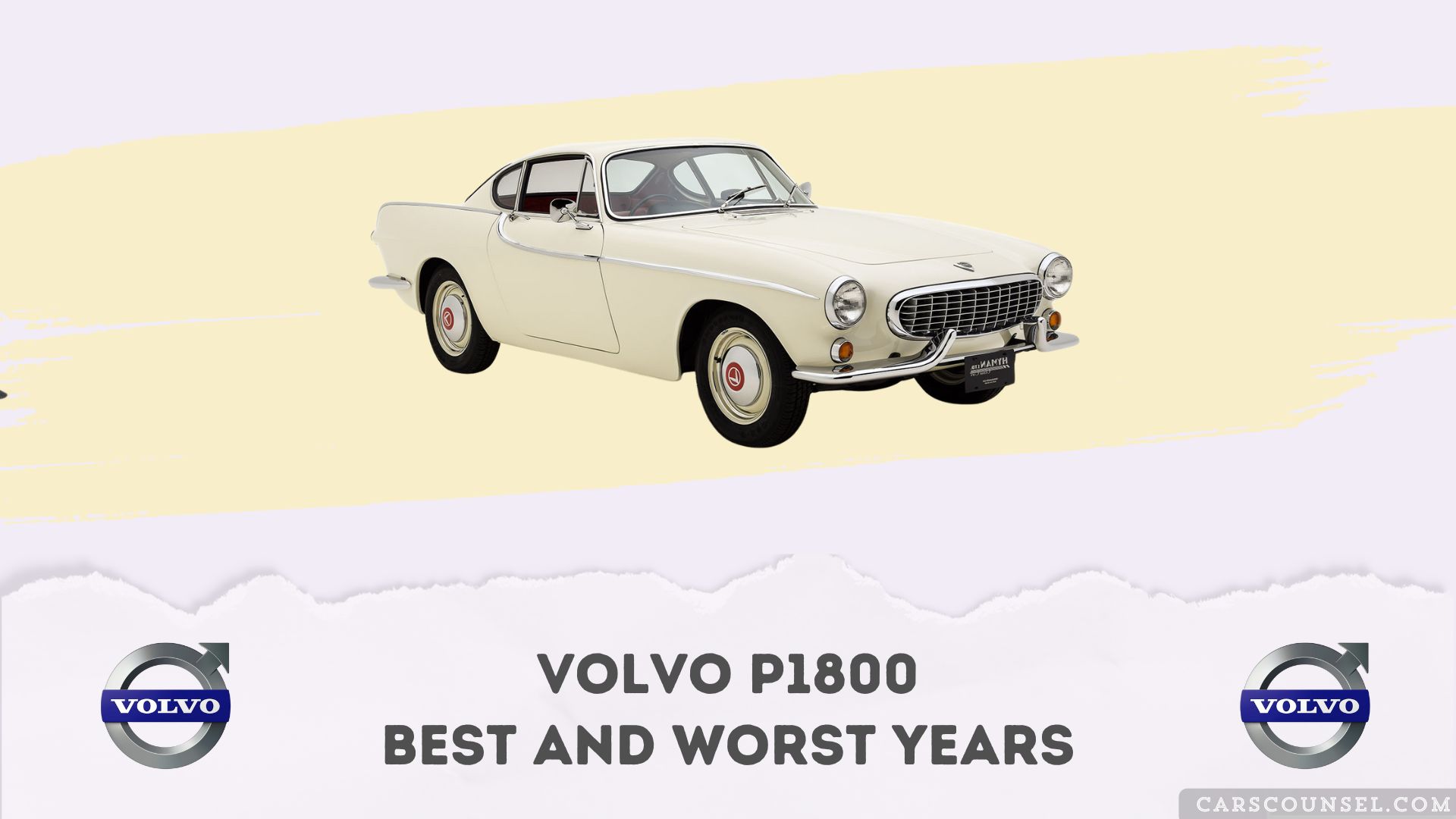
The best Volvo P1800 model years are the 1970 through 1973 fuel-injected 1800E and 1800ES variants. Buyers should approach the early 1961 to 1963 Jensen-built models carefully due to inconsistent assembly quality and severe rust vulnerabilities.
Rankings for classic vehicles remain highly comparative. No fifty-year-old sports car is flawless. Individual maintenance history, structural integrity, and rust prevention matter far more than the original factory build year when evaluating these vehicles.
Meaningful differences exist across the production run. Early models feature carbureted B18 engines, while later versions received the larger B20 engine with Bosch electronic fuel injection, significantly improving drivability and modern traffic reliability.
Quick Navigation
Best and Worst Volvo P1800 Years at a Glance
| Model Year Range | Verdict | Main Reason | Buyer Guidance |
|---|---|---|---|
| 1961-1963 | Approach Carefully | Jensen assembly quirks and severe rust risk. | Inspect unibody thoroughly for hidden filler. |
| 1964-1969 | Good With Inspection | Robust B18 engine but aging carburetors and rubber. | Verify overdrive function and inspect floor pans. |
| 1970-1973 | Best Choice | Fuel-injected B20 engine and improved interior comfort. | Test the Bosch fuel injection and brake booster. |
Key Takeaways
- The 1970-1973 1800E and 1800ES models are the strongest choices for drivability and comfort.
- Buyers researching years to avoid should note that early Jensen-built cars require extreme structural vigilance.
- The legendary B18 and B20 engines are robust, but ancillary components require strict maintenance.
- Unibody rust is the most critical and expensive threat to the P1800 platform.
- Always verify the vehicle’s restoration history and arrange an independent classic car inspection.
How We Evaluated the Volvo P1800 Model Years
Our analysis considers factory build records, powertrain evolution, and long-term classic car ownership patterns. We evaluate unibody integrity, transmission longevity, and fuel system reliability.
Consumer reports highlight recurring structural flaws. Individual condition dictates value. Best means comparatively stronger, not flawless.
Best Volvo P1800 Years
1970-1973: Best Choice
The 1970 through 1973 model years represent the pinnacle of P1800 development. Volvo introduced the 2.0-liter B20 engine and Bosch D-Jetronic fuel injection, eliminating the carburetor tuning issues of earlier cars.
The 1800ES shooting brake variant also debuted during this period, offering unique styling and improved cabin comfort. Buyers must still verify the complex fuel injection system and the unique remote brake booster.
Best Year by Buyer Type
Best Enthusiast Choice: 1964-1969 1800S
The carbureted 1800S models offer the purest analog driving experience. The robust B18 engine and manual overdrive transmission provide classic sports car engagement, provided the buyer accepts the need for frequent carburetor synchronization.
Years to Approach Carefully
1961-1963: Approach Carefully
The inaugural 1961 to 1963 models were assembled by Jensen in England. These early cars suffer from inconsistent build quality, poor weather sealing, and unique body panels that are incredibly difficult to source today.
Furthermore, early examples are highly susceptible to severe unibody rust. Buyers should only consider these years if the car has documented, professional rotisserie restoration and verified structural integrity.
Volvo P1800 Reliability by Generation
First Generation (1961-1973)
The P1800 spans a single generation built on a shortened Volvo Amazon platform. It shares its underlying architecture and powertrains with the contemporary Volvo 120 series, ensuring excellent mechanical parts availability.
However, the unique Italian-designed body panels and interior trim are entirely specific to the P1800. Long-term evidence remains limited by the extreme rarity of surviving, unmodified examples.
Common Volvo P1800 Problems
Corrosion Problems
The most critical issue is unibody rust. The front wings, wheel arches, rocker panels, and the crossmember under the hood are highly vulnerable to moisture trapping and severe structural decay.
Transmission Problems
The M40 and M41 manual transmissions are durable, but the laygear needle bearings frequently fail. This produces a distinct high-pitched whining noise in neutral or lower gears, requiring a complete gearbox rebuild.
Fuel-System Problems
Early carbureted models struggle with twin SU or Zenith-Stromberg carburetors that require constant tuning. Later 1800E models feature Bosch D-Jetronic fuel injection, which is reliable when maintained but suffers from aging wiring harnesses.
What to Check Before Buying a Used Volvo P1800
- Inspect the chassis and unibody rocker panels for severe structural rust or hidden body filler.
- Check the ball joints and front suspension components for excessive play or worn rubber bushings.
- Test the manual transmission and electric overdrive to ensure smooth engagement without warning lights.
- Verify the fluid condition in the automatic transmission on BW35-equipped models for signs of internal wear.
- Verify the Bosch fuel injection system on 1800E and 1800ES models for proper cold-start behavior and idle stability.
- Arrange an independent pre-purchase inspection with a specialist familiar with classic Swedish vehicles.
Related Buying Guides
- Volvo 240 Series best and worst years: A later classic Volvo alternative, offering legendary durability, massive interior space, and a highly tunable platform for buyers who prefer a practical wagon or sedan over a two-door sports coupe.
- Jaguar E-Type best and worst years: A direct historical rival from the same era, offering breathtaking British styling and independent rear suspension for enthusiasts willing to accept significantly higher maintenance and restoration costs.
Frequently Asked Questions
Which Volvo P1800 year is the most desirable?
The 1972 and 1973 1800ES models are the most desirable. They feature the fuel-injected B20 engine, improved interior comfort, and the highly sought-after shooting brake body style with a massive glass hatch.
Is the Volvo P1800 reliable?
The P1800 has excellent mechanical reliability, as the B18 and B20 engines are incredibly durable. However, the electrical systems, carburetors, and aging rubber components require constant, meticulous maintenance to keep the car roadworthy.
What is the most common Volvo P1800 problem?
Severe unibody rust is the most common and destructive problem. The front crossmember, rocker panels, and wheel arches trap moisture, leading to catastrophic structural failure if the vehicle was not stored properly.
Will the Volvo P1800 hold its value?
Yes, well-restored examples have seen steady appreciation. The P1800 is highly sought after by collectors due to its iconic Italian styling, famous high-mileage world records, and its status as a definitive classic Swedish sports car.
Does the P1800 share parts with other cars?
The P1800 shares its B18 and B20 engines, manual transmissions, and front suspension components with the classic Volvo 120 Series. However, the body panels, glass, and interior trim are entirely unique and difficult to source.
Should I buy a used Volvo P1800?
You should only buy a P1800 if you have access to a classic car specialist and a substantial restoration budget. Individual condition, documented rust remediation, and a functioning overdrive unit are critical for a sound investment.
Choosing the Right Volvo P1800 Model Year
The 1970 through 1973 model years offer the ultimate classic P1800 experience, delivering sorted fuel injection and improved cabin comfort. Buyers should approach the early Jensen-built models with extreme caution.
Because these are fifty-year-old classic vehicles, individual condition and comprehensive restoration records dictate the car’s true value. Never finalize a purchase without verifying the unibody structural integrity and arranging an independent specialist inspection.

