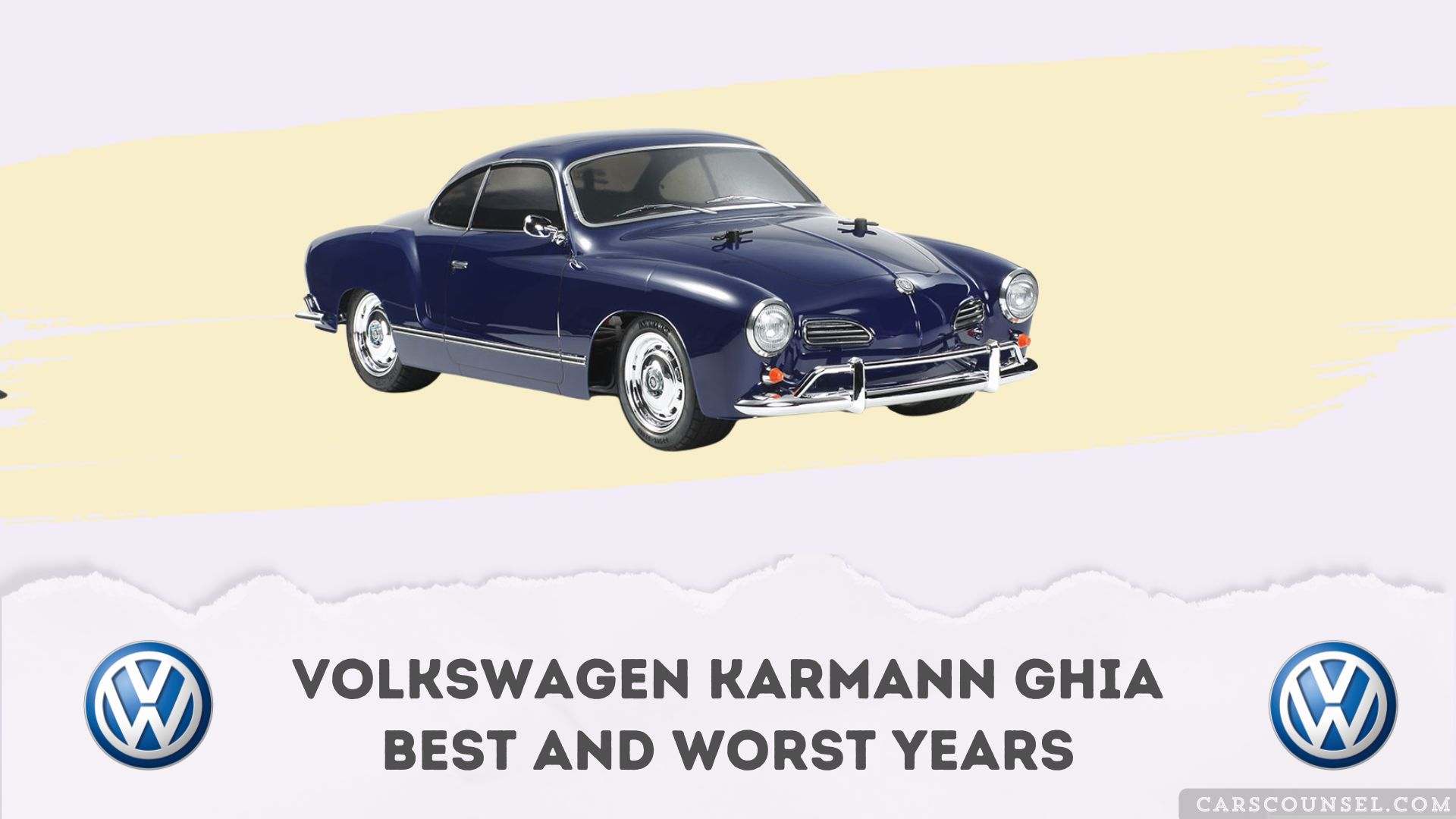
The best Volkswagen Karmann Ghia years are the Type 14 models produced from 1955 through 1974, celebrated for their iconic Italian-inspired styling and massive enthusiast support. Buyers should approach the rare Type 34 models carefully due to extreme parts scarcity.
Rankings for this classic vehicle are strictly comparative. Because the Karmann Ghia is a vintage collector car, individual condition, rust prevention, and meticulous maintenance matter far more than the specific badge year.
Meaningful differences exist primarily between the curvy Type 14 and the angular Type 34 generations. The Type 14 offers vastly superior parts availability, while the Type 34 demands specialist sourcing for its unique body panels.
Quick Navigation
Best and Worst Volkswagen Karmann Ghia Years at a Glance
| Model Year | Verdict | Main Reason | Buyer Guidance |
|---|---|---|---|
| 1955-1974 (Type 14) | Best Enthusiast Choice | Iconic styling and massive parts availability. | Inspect heater channels and floor pans for rust. |
| 1961-1969 (Type 34) | Approach Carefully | Extreme rarity and severe body panel scarcity. | Verify structural integrity and specialist support. |
Key Takeaways
- The 1955-1974 Type 14 models are the strongest choices for enthusiasts seeking classic styling and robust parts support.
- The 1961-1969 Type 34 models should be approached carefully due to the extreme scarcity of unique body panels and trim.
- Structural rust in the heater channels, sills, and floor pans is the primary enemy across all generations.
- The air-cooled flat-four engine is robust but requires strict maintenance and regular valve adjustments.
- Cabriolet models are highly desirable but demand extra scrutiny regarding top mechanism and structural rigidity.
- Always verify the chassis number and arrange an independent inspection by a vintage air-cooled specialist.
How We Evaluated the Volkswagen Karmann Ghia Model Years
Our analysis considers the unique realities of owning a vintage Volkswagen, enthusiast community data, and the known traits of the air-cooled platform. We evaluate parts scarcity, structural rust vulnerability, and the impact of decades of storage.
Complaints and traditional reliability metrics do not apply to a 50-year-old classic car. Collector condition, specialist support, and verifiable maintenance history provide the only tangible evidence of long-term survivability for these model years.
Best Volkswagen Karmann Ghia Years
1955-1974 Volkswagen Karmann Ghia (Type 14)
The Type 14 represents the definitive Karmann Ghia experience. Featuring curvy, Italian-inspired coachwork by Ghia and the reliable Volkswagen Beetle floorpan, these models offer an unparalleled classic driving experience.
Buyers must verify the condition of the heater channels and structural swing axles. These cars offer massive aftermarket support, making them the most viable choice for serious enthusiasts and first-time classic car restorers.
Best Year by Buyer Type
Best Enthusiast Choice: 1955-1974 Type 14
For collectors seeking the ultimate vintage air-cooled coupe or cabriolet, the Type 14 offers unparalleled community support. Its timeless design and shared mechanicals with the Beetle make it a highly rewarding weekend project.
Best Modern Alternative: Contemporary VW Coupes
For buyers who love Volkswagen styling but require modern safety, daily reliability, and zero rust concerns, contemporary options like the Volkswagen Arteon, the Volkswagen CC, or the retractable hardtop Volkswagen Eos provide a practical alternative to vintage restoration.
Years to Approach Carefully
Approach Carefully: 1961-1969 Volkswagen Karmann Ghia (Type 34)
The Type 34, often called the “Razor’s Edge,” requires careful inspection due to its extreme rarity and angular design. While mechanically similar to the Type 14, the unique body panels, glass, and interior trim are incredibly difficult to source.
Buyers should approach these cars carefully, ensuring that the structural chassis is completely sound, as fabricating replacement Type 34 sheet metal is a massive financial undertaking.
Volkswagen Karmann Ghia Reliability by Generation
Type 14 Generation (1955-1974)
The original and most famous generation, the Type 14, utilizes the proven Beetle floorpan and air-cooled flat-four engine. Over its long production run, it received minor mechanical updates, including the transition from 6-volt to 12-volt electrical systems and front disc brakes.
Type 34 Generation (1961-1969)
The Type 34 was a larger, more luxurious, and significantly more angular alternative based on the Volkswagen Type 3 platform. It was never officially imported to the United States in large numbers, making surviving examples exceptionally rare and challenging to restore.
Common Volkswagen Karmann Ghia Problems
Structural Rust and Corrosion
All Karmann Ghia models are highly susceptible to severe structural rust. The heater channels, rocker panels, floor pans, and A-pillars are critical structural points that rot from the inside out. Cabriolet models are especially vulnerable due to reduced roof rigidity.
Swing Axle and Suspension Wear
The early rear swing axle suspension can exhibit severe camber changes during cornering if the bushings and swing axles are worn. Later models adopted improved rear suspension geometry, but all examples require careful inspection of the front beam and steering box.
Electrical and Fuel System Degradation
The aging wiring harnesses and original Solex carburetors frequently suffer from heat degradation and varnish buildup. Upgrading to a modern 12-volt system and rebuilding the fuel delivery system is often necessary for reliable daily operation.
What to Check Before Buying a Used Volkswagen Karmann Ghia
- Inspect the heater channels, rocker panels, and floor pans for severe structural rust or poorly executed patch jobs.
- Verify the condition of the front beam, steering box, and rear swing axle bushings.
- Check the engine case for oil leaks and verify that the valves have been recently adjusted.
- Inspect the cabriolet top mechanism and rear window seals for water intrusion.
- Test the original Solex carburetor for smooth idling and acceleration without hesitation.
- Arrange an independent inspection by a specialist familiar with vintage air-cooled platforms.
Related Buying Guides
- Volkswagen Beetle best and worst years: The direct mechanical sibling and platform donor to the Karmann Ghia, offering identical air-cooled reliability with vastly lower entry costs and even greater parts availability.
- Volkswagen Bus best and worst years: A classic air-cooled alternative for buyers who prioritize vintage styling and community presence but require significantly more passenger and cargo capacity than the compact Ghia.
Frequently Asked Questions
Is the Volkswagen Karmann Ghia reliable?
It is a 50-year-old classic car that requires constant specialist attention. Traditional reliability metrics do not apply, and ownership is a mechanical undertaking dependent entirely on meticulous rust prevention and air-cooled engine maintenance.
What engine is in the Karmann Ghia?
It features an air-cooled flat-four engine derived from the Volkswagen Beetle. Displacement grew over the years, ranging from early 1.2-liter units to later 1.6-liter engines producing up to 60 horsepower.
Why is the Type 34 so rare?
The angular Type 34 was largely excluded from the United States market due to differing import regulations and consumer preferences. Its low production volume and unique body panels make it exceptionally rare and expensive to restore today.
Are Karmann Ghia parts hard to find?
Type 14 mechanical and body parts are widely available through massive aftermarket catalogs. However, Type 34-specific trim, glass, and body panels are exceptionally scarce and often require sourcing from specialized European salvage networks.
Can I daily drive a Karmann Ghia?
It is not recommended for daily driving due to the lack of modern safety features, drum brake limitations, fragile aging wiring, and the severe lack of crash protection or structural rigidity compared to modern vehicles.
What is the most common Karmann Ghia problem?
Severe structural rust is the ultimate enemy. The heater channels, floor pans, and rocker panels trap moisture and rot from the inside out, often requiring complete chassis fabrication if neglected by previous owners.
Choosing the Right Volkswagen Karmann Ghia Model Year
The 1955 through 1974 Type 14 models are the definitive choices for serious collectors and weekend cruisers. They represent the most iconic, supported, and viable iteration of the legendary air-cooled platform.
Avoid any example suffering from advanced structural rust or undocumented, unsafe engine modifications. The integrity of the heater channels and floor pans is the most critical factor in determining long-term financial viability.
Always verify the chassis number and arrange an independent inspection. Checking the swing axles and Solex carburetor is essential for securing a capable and enjoyable vintage classic.

