The Aston Martin DB5 was produced from 1963 to 1965 as a successor to the DB4. A total of 1,021 to 1,059 units were manufactured during this brief production run, making it one of the most collectible British grand tourers ever built.
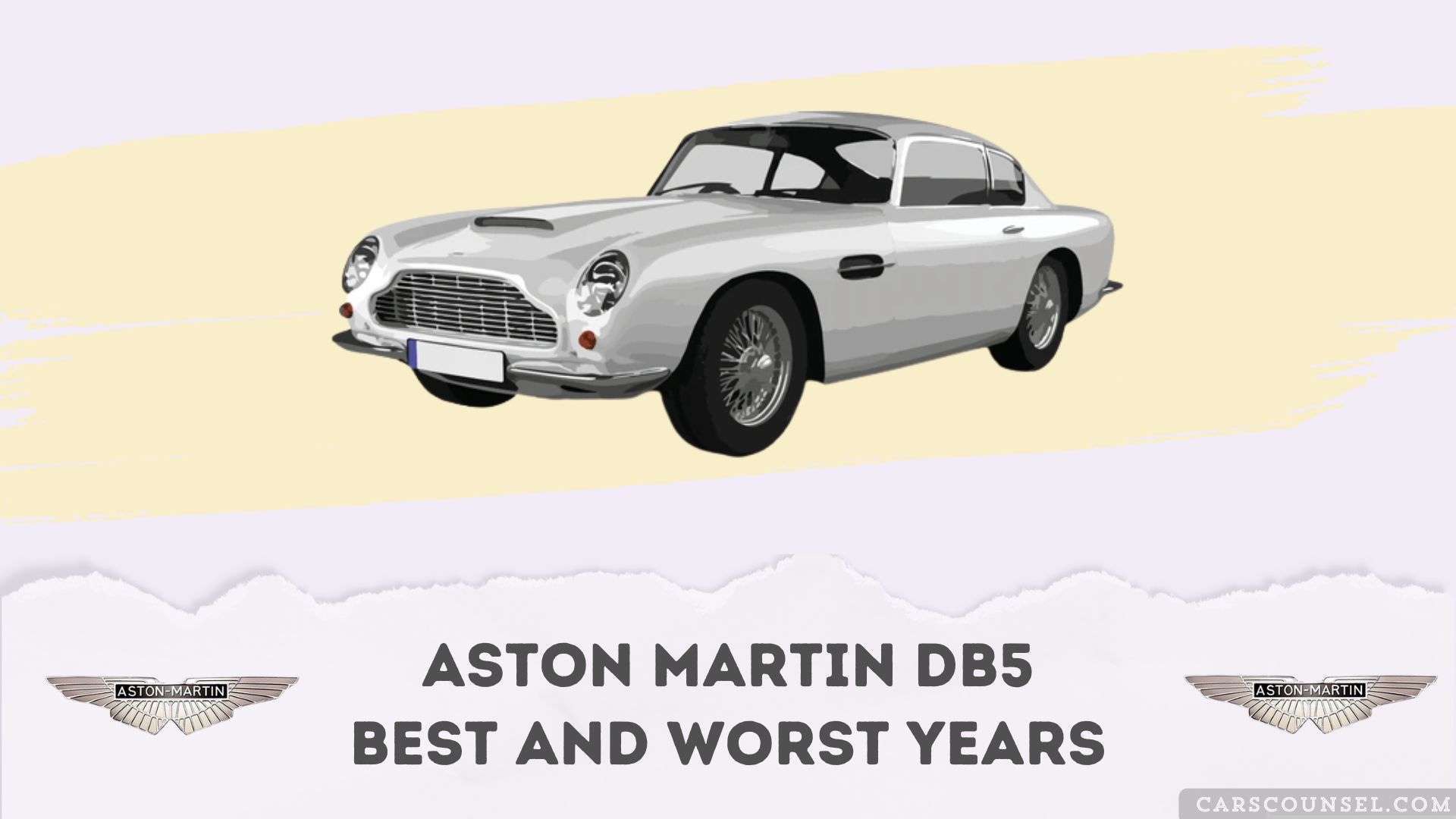
This article breaks down the DB5’s production years, variants, and common reliability issues based on owner complaints, maintenance requirements, and long-term dependability. Understanding the differences between production years and body styles helps buyers identify which DB5 offers the best value and fewest mechanical concerns.
Quick Navigation
Aston Martin DB5 Production Overview
Standard Production (1963-1965)
The DB5 entered production in 1963 with a 4.0-liter inline-six engine producing 282 horsepower and 280 lb-ft of torque. The engine capacity was increased from the DB4’s 3.7 liters by enlarging the bore to 96mm. The car featured three SU carburetors and fared-in headlamps shared with the DB4 Vantage. A five-speed ZF manual gearbox came standard, with an optional Borg-Warner three-speed automatic transmission available.
The DB5 utilized Touring of Milan’s Superleggera construction, featuring lightweight steel tubes supporting aluminum bodywork. This design provided structural rigidity while keeping weight to 1,468 kg. The car achieved 0-60 mph in 7.1 seconds with a top speed of approximately 140 mph. Production totaled 1,021 to 1,059 units across all variants before ending in 1965 due to rising hand-built manufacturing costs.
Body Style Variants
The DB5 was offered in three main variants during its production run. The Standard Saloon represented the majority of production with 565 left-hand drive and 456 right-hand drive examples. The Vantage Sports Saloon featured a more powerful engine tune with only 65 units produced, making it the rarest factory variant. The Drophead Coupe convertible offered open-air driving with structural reinforcements to maintain chassis rigidity.
A small number of Shooting Brake conversions were completed by coachbuilder Harold Radford. These conversions involved extensive modifications from the windscreen backwards, replacing the tubular roof structure with steel fabrications. This reduced the inherent rigidity of the Superleggera system and created long-term structural concerns.
Best Years for the Aston Martin DB5
1964 Production Models
The 1964 model year represents the most refined DB5 production. Manufacturing processes were optimized after the initial 1963 production run, resulting in improved build quality and fewer assembly defects. The ZF five-speed gearbox received minor refinements that addressed early synchromesh issues reported in 1963 models. Electrical systems showed marginally better reliability compared to first-year production cars, though Lucas components remained problematic across all years.
1965 Standard Saloon
Late-production 1965 Standard Saloons benefited from three years of manufacturing experience. These final examples incorporated running changes and quality improvements implemented throughout the production cycle. Panel gaps and interior fit-and-finish reached their peak in 1965 models. The inline-six engine received tighter assembly tolerances, reducing oil consumption and leak rates compared to earlier examples.
Worst Years for the Aston Martin DB5
1963 Early Production
First-year 1963 models experienced typical new-model teething problems. Early electrical systems suffered from higher failure rates due to Lucas component quality inconsistencies. Synchromesh engagement in the ZF gearbox proved less refined in initial production units. Oil leaks from valve covers and gaskets were more prevalent in early 1963 cars due to less consistent assembly procedures.
Shooting Brake Conversions (All Years)
Shooting Brake conversions created structural weaknesses regardless of the donor car’s production year. The removal of the original tubular roof structure compromised the Superleggera system’s rigidity. These conversions are prone to body flex, stress cracks around hatch mounting points, and water intrusion through the rear hatchback seal. The added weight of steel roof fabrications reduced performance and increased wear on suspension components.
Common Problems Across the Aston Martin DB5 Lineup
Engine Oil Leaks
Oil leaks from valve covers and gaskets represent the most frequent DB5 engine issue. The inline-six requires oil changes every 2,500 miles and regular top-ups between services. Gasket degradation occurs faster when maintenance intervals are extended beyond recommendations. Minor gasket replacement costs £700 to £1,500, while major engine work ranges from £5,000 to £12,000.
Lucas Electrical System Failures
The Lucas electrical system is prone to malfunctions affecting lights, wipers, and instrumentation. Corroded or loose connections in wiring harnesses cause intermittent failures. Blown fuses and faulty relays frequently disable electrical components. Driving at night becomes challenging when electrical faults affect lighting systems. Regular cleaning and inspection of electrical connections reduces failure rates but does not eliminate the inherent Lucas component reliability issues.
Cooling System Weaknesses
Cooling system problems lead to overheating in the 4.0-liter engine. Radiator core deterioration and corroded hose connections cause coolant leaks. The cooling system requires complete inspection every 5,000 miles to prevent engine damage. Replacement of aging cooling components costs £1,000 to £3,000 depending on the extent of deterioration.
Timing Chain Wear
Timing chains require replacement every 60,000 miles to prevent catastrophic engine damage. A broken timing chain destroys the engine, requiring a complete rebuild costing £5,000 to £12,000. Listening for timing chain noise during inspection helps identify wear before failure occurs. Regular oil changes using proper viscosity reduce timing chain wear rates.
Carburetor Tuning Issues
The three SU carburetors require regular synchronization and tuning. Poor carburetor adjustment causes rough idling, hesitation, and reduced performance. Professional carburetor tuning costs £700 to £1,500 as part of routine maintenance. Fuel mixture imbalances increase spark plug fouling and exhaust valve wear.
Brake System Deterioration
Brake pads, discs, and hydraulic lines wear faster due to the car’s 1,468 kg weight. Brake line corrosion causes fluid leaks and reduced braking performance. Master cylinder failures result in complete brake system loss requiring immediate repair. Brake repairs cost £400 to £1,200 for pads and discs, while full hydraulic system repairs reach £1,500 to £3,000.
Corrosion and Rust
The tubular steel Superleggera structure is susceptible to corrosion at stress points. Rear subframe corrosion affects suspension geometry and ABS sensor operation. Fuel lines and brake lines corrode over time, requiring complete replacement. Corrosion in geometry adjusters prevents suspension alignment. Regular undercarriage inspection identifies rust before structural integrity is compromised.
Reliability Breakdown by Year
1965 Aston Martin DB5 Reliability Rating
The 1965 DB5 represents the most reliable production year due to accumulated manufacturing improvements. Late-production examples benefit from quality enhancements and running changes implemented throughout the three-year production cycle. Engine assembly tolerances were tighter, reducing oil consumption rates compared to earlier models. Electrical system reliability remained problematic due to Lucas components, but wiring harness quality showed marginal improvements. Timing chains, gaskets, and cooling systems still require the same maintenance attention as all DB5 models.
1964 Aston Martin DB5 Reliability Rating
The 1964 model year achieved optimal production quality after resolving first-year issues. ZF gearbox synchromesh engagement improved compared to 1963 models, reducing transmission complaints. Oil leak rates decreased as assembly procedures matured during the second production year. Electrical faults persisted at similar rates to other years due to inherent Lucas component design flaws. Carburetor tuning stability improved slightly but still required regular professional adjustment.
1963 Aston Martin DB5 Reliability Rating
First-year 1963 models experienced higher defect rates typical of new production launches. Early electrical systems showed increased failure rates due to component quality inconsistencies and assembly learning curves. Oil leaks from valve covers and gaskets were more common in initial production units. ZF gearbox synchromesh exhibited more engagement issues in early transmissions compared to later production. Despite these concerns, the fundamental mechanical design remained sound when proper maintenance was performed.
Warranty and Ownership Costs
The DB5 originally carried a 12-month manufacturer warranty from 1963 to 1965. Modern ownership costs are substantial due to the car’s age and collectible status. Annual maintenance ranges from £2,200 to £2,500 for routine servicing including oil changes, filter replacements, and inspections. Major repairs such as engine rebuilds cost £5,000 to £12,000, while transmission overhauls reach similar amounts.
Brake system repairs range from £400 to £3,000 depending on component replacement extent. Insurance averages £5,831 annually for Aston Martin models, significantly higher than mainstream vehicles. Fuel consumption averages 18 mpg, creating ongoing operating costs that make long-distance touring expensive. Specialized mechanics are required for proper maintenance, driving up labor costs beyond standard shop rates.
Buying Guide: What to Look For
Best Value Years
The 1964 and 1965 Standard Saloon models offer the best combination of reliability and value. These years benefit from production refinements while avoiding first-year teething problems. Left-hand drive examples are more common with 565 units produced compared to 456 right-hand drive cars. Standard Saloons command lower prices than Vantage or Convertible variants while providing the most original Superleggera structure.
Years to Avoid
Early 1963 production cars carry higher risk of assembly defects and electrical issues. Shooting Brake conversions should be avoided due to compromised structural integrity from roof modifications. These conversions suffer from body flex, stress cracks, and water intrusion that create expensive restoration requirements. Vantage models command premium prices but offer limited performance gains over Standard Saloons, making them poor value for most buyers.
Key Inspection Points
Timing chain condition is critical, with replacement required every 60,000 miles to prevent engine destruction. Oil leaks from valve covers indicate gasket deterioration requiring repair costs of £700 to £1,500. Electrical system function must be thoroughly tested, checking all lights, wipers, and instrumentation for Lucas component failures. Cooling system pressure testing identifies radiator and hose deterioration before overheating occurs.
Rear subframe inspection reveals rust that affects suspension geometry and safety. Brake line corrosion assessment prevents hydraulic failure requiring £1,500 to £3,000 in repairs. Carburetor synchronization affects engine performance and indicates maintenance quality. Panel gaps and body alignment show evidence of previous crash damage that may have been poorly repaired when values were lower.
Mileage Considerations
DB5 models with documented service histories showing 2,500-mile oil change intervals demonstrate proper maintenance. Cars exceeding 60,000 miles without timing chain replacement face imminent engine failure risk. High-mileage examples above 80,000 miles require complete mechanical inspection including engine compression testing, transmission assessment, and suspension evaluation. Original low-mileage cars command premium prices but may require extensive recommissioning if stored improperly for extended periods.
When looking at performance cars, make sure to check out our guides on models like the Aston Martin Valkyrie, Aston Martin DBS, Aston Martin DB11 and Aston Martin Vantage. Knowing which model years to target and which to avoid is crucial. Our expert reviews break down these models, providing insights into the years that are celebrated for their engineering excellence and driving satisfaction, as well as those that are best to avoid due to potential issues.
FAQs
Is the Aston Martin DB5 reliable?
The DB5 requires extensive maintenance to remain reliable, with annual costs ranging from £2,200 to £2,500 for routine servicing. Major mechanical failures such as timing chain breakage or engine rebuilds cost £5,000 to £12,000. Lucas electrical systems are notoriously unreliable and require constant attention.
What year of the Aston Martin DB5 is most dependable?
The 1964 and 1965 model years are most dependable due to production refinements and quality improvements. Late-production 1965 Standard Saloons represent the peak of DB5 manufacturing quality. All years require the same maintenance attention regardless of production date.
What year should you avoid?
Early 1963 production models carry higher risk of assembly defects and electrical issues. All Shooting Brake conversions should be avoided due to compromised Superleggera structure from roof modifications. These conversions create ongoing structural problems that are expensive to address.
What are the most common problems?
Oil leaks from valve covers and gaskets are the most frequent issues requiring £700 to £1,500 in repairs. Lucas electrical system failures affect lights, wipers, and instrumentation throughout all model years. Timing chain wear requires replacement every 60,000 miles or the engine will be destroyed.
How long does an Aston Martin DB5 last?
A properly maintained DB5 can last indefinitely with regular 2,500-mile oil changes and timely timing chain replacements. Engines require rebuilds every 100,000 to 150,000 miles depending on maintenance quality and driving conditions. Structural corrosion in the rear subframe eventually requires restoration work regardless of mileage.
How much does DB5 maintenance cost?
Annual maintenance ranges from £2,200 to £2,500 for routine servicing. Engine rebuilds cost £5,000 to £12,000, while brake system repairs range from £400 to £3,000. Insurance averages £5,831 annually for Aston Martin models.
Conclusion
The 1964 and 1965 Aston Martin DB5 Standard Saloon models represent the best production years for reliability and value. Early 1963 examples and all Shooting Brake conversions should be avoided due to higher defect rates and structural compromises. The DB5 requires extensive maintenance including 2,500-mile oil changes and 60,000-mile timing chain replacements to prevent catastrophic failures.
Buyers should prioritize cars with documented service histories and thorough pre-purchase inspections covering timing chains, electrical systems, cooling components, and rear subframe corrosion. Annual ownership costs exceeding £2,200 for maintenance plus substantial repair reserves make the DB5 suitable only for collectors prepared for significant ongoing expenses.