The BMW 4 Series is a luxury sports coupe, convertible, and Gran Coupe introduced in 2014 as a successor to the BMW 3 Series coupe. It has undergone several generations, each with updates to design, technology, and engineering. This guide breaks down the best and worst years for the BMW 4 Series based on reliability, performance, owner complaints, and long-term dependability.
Quick Navigation
BMW 4 Series Generational Overview
First Generation (F32/F33/F36; 2014–2020)
The first generation BMW 4 Series debuted in 2014, replacing the 3 Series coupe and convertible. It was available in coupe, convertible, and Gran Coupe body styles. Engines included turbocharged four- and six-cylinder options, with the M4 variant featuring a high-performance S55 engine. This generation saw a facelift in 2018, which included updated styling and technology. Known issues include timing chain failures in early N20 engines and oil leaks in various models.
Second Generation (G22/G23/G26; 2021–present)
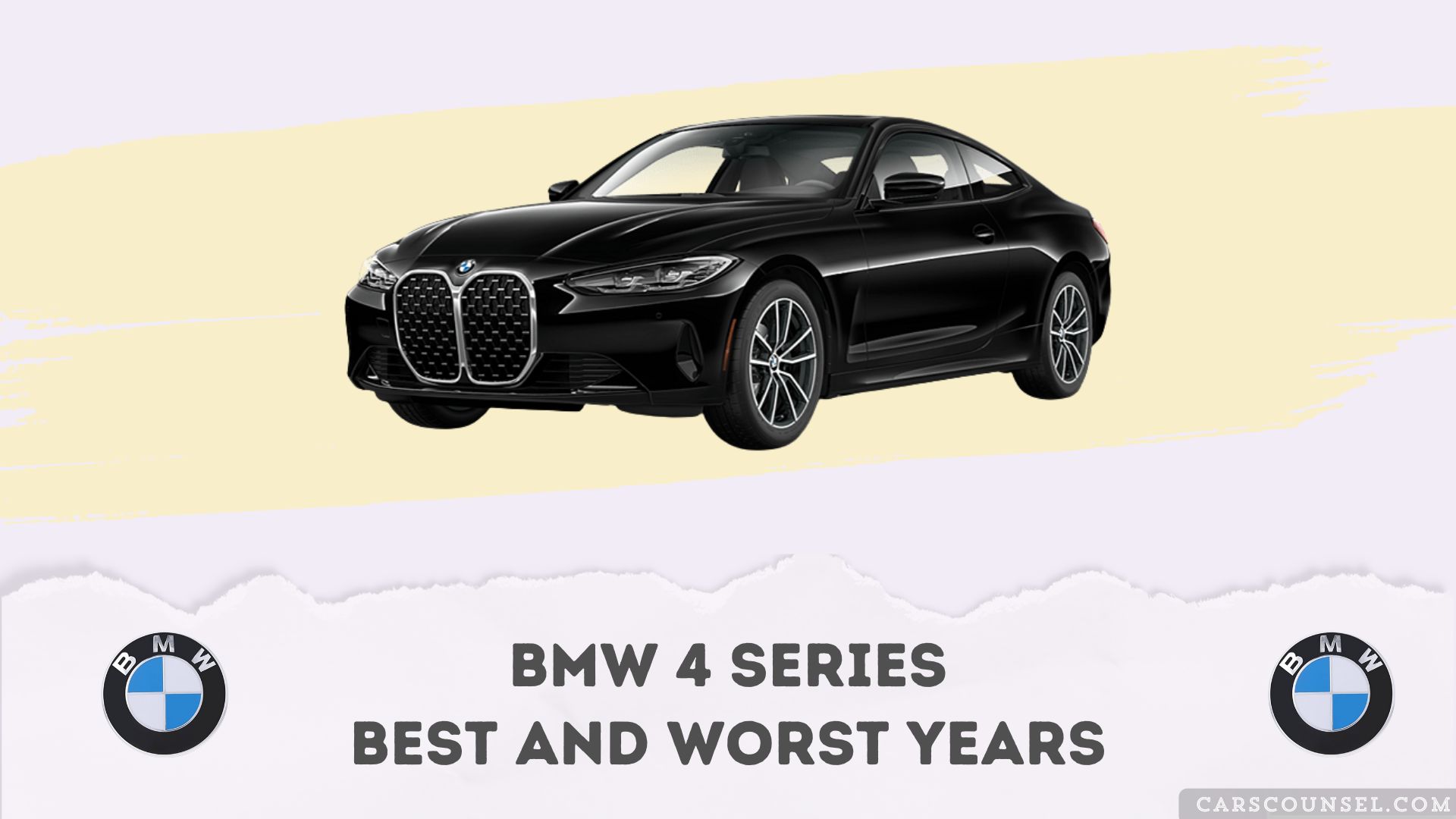
The second generation launched in 2021, featuring a controversial grille and updated interior tech. Powertrains range from four-cylinder to mild hybrid six-cylinder engines, with the M4 continuing as the high-performance variant. This generation brought improved electronics but also new software and electrical issues, especially in early 2021 models.
Best Years for the BMW 4 Series
The most reliable BMW 4 Series years are those with fewer reported problems, stronger engineering, and better component upgrades.
2023
The 2023 BMW 4 Series benefits from updated software, improved reliability, and fewer early-model bugs. Mechanical strength is strong, and owner complaints are minimal. Upgraded electronics and safety features contribute to its dependability.2022
The 2022 model year saw improvements in software stability and build quality. Fewer recalls and fewer reported mechanical failures make this a dependable choice. The mild hybrid engine option is also more reliable than previous years.2020
The 2020 BMW 4 Series is considered one of the most reliable, with matured technology and fewer early-generation issues. Engine and transmission reliability are strong, and owner complaints are low.2019
The 2019 model year received positive feedback for reliability and engineering. Minor complaints include oil leaks, but overall, the car is solid and dependable.2018
The 2018 facelift brought improved technology and better component durability. Fewer reported issues compared to earlier years, and the car is mechanically robust.2016
The 2016 BMW 4 Series is praised for reliability, with few major mechanical problems. Engine and transmission are dependable, and owner satisfaction is high.
Worst Years for the BMW 4 Series
Some years have higher rates of recalls, mechanical failures, and owner complaints.
2014
The 2014 BMW 4 Series is prone to timing chain issues, especially in the N20 engine. Other problems include oil and coolant leaks, blown charge pipes, and early fuel pump failures. Several recalls were issued for these models.2015
The 2015 model year shares many issues with the 2014, including timing chain failures and fuel pump recalls. Owners report frequent oil leaks and cooling system problems.2017
The 2017 BMW 4 Series introduced new B48 and B58 engines, which had teething problems. Common issues include oil leaks, coolant leaks, and early engine troubles. The model also lacks Apple CarPlay, which is a notable drawback.2021
The 2021 model year has several recalls, mostly related to software and electrical glitches. Owners report steering play and other minor but frequent complaints.
Common Problems Across the BMW 4 Series Lineup
Timing Chain Failures
Early N20 engines (2014–2015) are susceptible to timing chain issues, which can lead to catastrophic engine damage if not addressed.
Leaking Valve Cover Gasket
Oil leaks from the valve cover gasket are common in most model years. The plastic valve cover can warp or crack, causing oil leaks. Replacement is straightforward but should be done promptly.
PCV Issues
A torn PCV valve is a common problem in higher-mileage 4 Series models, leading to excess pressure and potential leaks. The issue affects 2014–2019 models.
Leaking Oil Filter Housing Gasket
Oil filter housing gasket leaks are frequent in 2014–2016 models, especially those with N20 and N55 engines. The repair is not expensive but can add up in labor costs.
Blown Charge Pipe
Charge pipe failures are common in N55 and S55 engines (435i and M4). The plastic pipe can break, leading to loss of power and drivetrain malfunction warnings.
Leaking Plastic Cooling Parts
Cooling system components made of plastic are prone to failure, especially the coolant expansion tank hose. Owners should check coolant levels regularly to prevent engine damage.
Water Pump Failure
Water pump failures occur in most generations, typically between 50,000 and 100,000 miles. The thermostat is also a weak point.
Fuel Pump Recall
The 2014–2015 models were subject to a recall for faulty fuel pumps, which can cause hard starting and stalling. Owners should verify if the recall was completed.
DCT Issues
M4 models with dual-clutch transmission (DCT) may experience delayed shifting into reverse, especially after the car has been sitting. This is mostly an annoyance rather than a critical issue.
Vibration from Steering Wheel
Some owners report steering wheel vibration at highway speeds, often due to improper tire balancing or faulty steering columns.
Spun Crank Hub
A small number of M4 owners have experienced engine failures due to a spun crank hub, more common in DCT-equipped cars. This is a costly repair if not caught early.
VANOS Solenoid Issues
VANOS solenoid failures can cause limp mode, rough idle, and reduced power. The issue is more common in older models but can affect newer engines as well.
Reliability Breakdown by Year
2023 BMW 4 Series Reliability Rating
The 2023 model is the most reliable, with few reported issues and strong mechanical performance. Software and electronics are stable, and owner complaints are minimal.
2022 BMW 4 Series Reliability Rating
The 2022 model year is dependable, with improved build quality and fewer early-generation bugs. Mechanical strength is high, and reliability ratings are strong.
2021 BMW 4 Series Reliability Rating
The 2021 BMW 4 Series has several recalls, mostly for software and electrical issues. Mechanical reliability is fair, but buyers should check for completed recalls.
2020 BMW 4 Series Reliability Rating
The 2020 model is considered one of the best, with matured technology and few reported problems. Engine and transmission reliability are strong.
2019 BMW 4 Series Reliability Rating
The 2019 BMW 4 Series is reliable, with few major issues. Minor oil leaks are reported, but overall, the car is dependable.
2018 BMW 4 Series Reliability Rating
The 2018 facelift brought improved reliability and fewer mechanical problems. Owners report high satisfaction with this model year.
2017 BMW 4 Series Reliability Rating
The 2017 model year introduced new engines with some teething problems. Owners report oil leaks, coolant leaks, and early engine issues.
2016 BMW 4 Series Reliability Rating
The 2016 BMW 4 Series is praised for reliability, with few major mechanical problems. Engine and transmission are dependable, and owner satisfaction is high.
2015 BMW 4 Series Reliability Rating
The 2015 model year shares many issues with the 2014, including timing chain failures and fuel pump recalls. Owners report frequent oil and coolant leaks.
2014 BMW 4 Series Reliability Rating
The 2014 BMW 4 Series is the least reliable, with frequent timing chain issues, oil leaks, and fuel pump failures. Several recalls were issued for these models.
Warranty & Ownership Costs
The BMW 4 Series comes with a standard three-year unlimited mileage warranty, with plug-in hybrids covered for six years or 62,000 miles. Maintenance costs are higher than average luxury cars, with typical five-year ownership costs around $61,467, including depreciation, insurance, fuel, and repairs. Repairs for common issues like valve cover gasket leaks or water pump failures can range from a few hundred to a couple of thousand dollars.
Buying Guide: What to Look For
Best Value Years: 2016, 2018, 2020, 2022, and 2023 offer the best balance of reliability and value.
Years to Avoid: 2014, 2015, and 2017 are best avoided due to frequent mechanical issues and recalls.
Key Components to Inspect: Check for oil leaks, coolant leaks, and signs of timing chain wear. Verify service history and recall completion.
Expected Mileage Thresholds: Most BMW 4 Series models can last over 120,000 miles with proper maintenance.
Known Trouble Spots: Pay attention to timing chain, valve cover gasket, water pump, and charge pipe issues, especially in earlier models.
When looking at performance cars, make sure to check out our guides on models like the BMW X6, BMW X4, BMW Isetta and BMW I8. Knowing which model years to target and which to avoid is crucial. Our expert reviews break down these models, providing insights into the years that are celebrated for their engineering excellence and driving satisfaction, as well as those that are best to avoid due to potential issues.
FAQs
Is the BMW 4 Series reliable?
The BMW 4 Series has an average reliability score, with newer models generally being more dependable. Older models, especially 2014–2015, have more reported issues.
What year of the BMW 4 Series is most dependable?
The 2016, 2018, 2020, 2022, and 2023 model years are considered the most dependable, with fewer reported problems and stronger engineering.
What year should you avoid?
The 2014, 2015, and 2017 model years should be avoided due to frequent mechanical issues and recalls.
What are the most common problems?
Common problems include timing chain failures, oil leaks, coolant leaks, blown charge pipes, water pump failures, and VANOS solenoid issues.
How long does a BMW 4 Series last?
Most BMW 4 Series models can last over 120,000 miles with proper maintenance, though some may reach 200,000 miles under optimal conditions.
Conclusion
The BMW 4 Series is a reliable luxury sports coupe, with the best years being 2016, 2018, 2020, 2022, and 2023. The worst years are 2014, 2015, and 2017, which are prone to mechanical issues and recalls. Overall, the 4 Series offers solid dependability, but buyers should carefully inspect for common problems and prioritize newer, well-maintained models for the best ownership experience.

