The Nissan Qashqai is a compact crossover SUV produced since 2007. The vehicle created the urban crossover segment in Europe and has been manufactured across three generations.
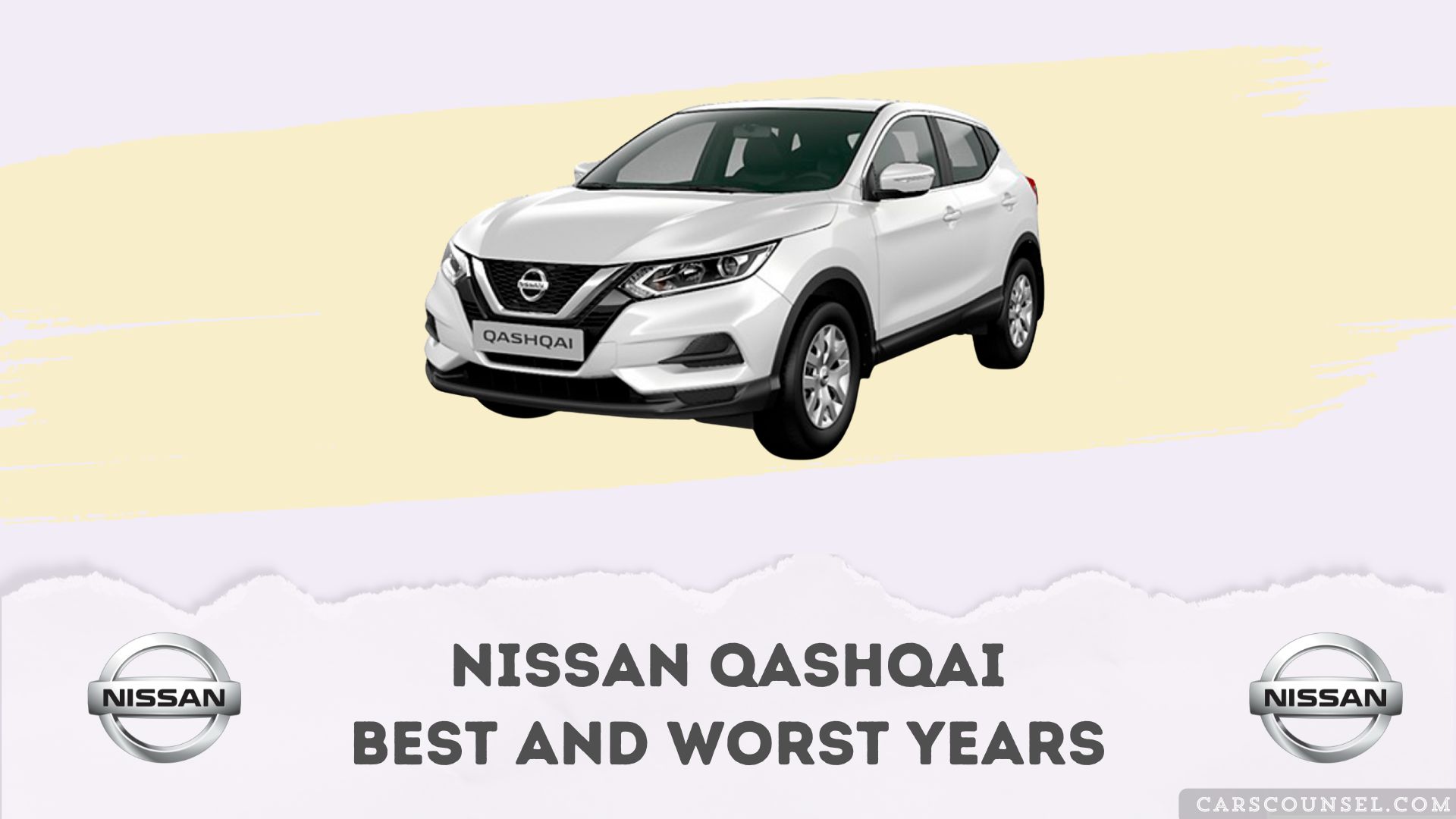
This article examines the best and worst model years of the Nissan Qashqai based on reliability data, owner complaints, recalls, and mechanical performance. Understanding which years to target or avoid helps buyers make informed decisions when purchasing new or used models.
Quick Navigation
Nissan Qashqai Generational Overview
First Generation (2007-2014)
The first generation Qashqai launched in 2007 and ran through 2014. This generation introduced the compact crossover concept to European markets. The first generation came with multiple engine options including 1.6-liter and 2.0-liter petrol engines, plus 1.5 dCi and 2.0 dCi diesel options. A mid-cycle facelift arrived in 2010 with updated exterior styling and interior improvements.
The first generation experienced steering system issues that resulted in nine recalls during its production run. Pre-2009 models faced potential steering loss in rare circumstances. The 2.0 dCi diesel engine suffered from clogged diesel particulate filters, while the 1.5 dCi engine developed sticking valve problems when used for short journeys.
Second Generation (2014-2021)
Seven years after the original launch, Nissan introduced the second generation Qashqai in 2014. The exterior design remained similar to the first generation with key safety and technology upgrades. Additional engine options and transmission choices became available during this generation.
Facelifts were introduced in 2017 and 2018, with the Tekna+ trim added in 2017. The 2018 facelift brought Apple CarPlay and Android Auto integration through the NissanConnect system. The problematic 1.2 DIG-T petrol engine from 2014-2018 models experienced timing chain failures and premature wear. This generation also faced multiple recalls for brake line concerns, door issues, and lighting problems.
Third Generation (2021-Present)
The third generation Qashqai launched in 2021 and continues in production. This generation received updated styling inspired by Nissan’s newer design language. Engine options include a 1.3-liter mild-hybrid and a 1.5-liter e-POWER hybrid system. A 2024 facelift introduced further refinements to the exterior and powertrain options.
Best Years for the Nissan Qashqai
The following model years represent the most reliable Nissan Qashqai options based on fewer complaints, better engineering, and improved mechanical durability.
2021-2023 Models
The third generation Qashqai models from 2021-2023 offer improved reliability over earlier generations. These years feature updated hybrid powertrains that avoid the timing chain issues of previous 1.2 DIG-T engines. The newer platform provides better build quality and fewer rattles compared to earlier models.
2010-2011 Models
The 2010-2011 models represent the best years of the first generation after the initial production issues were resolved. These models received the mid-cycle facelift with improved interior quality. The 2010-2011 years avoid the most severe steering system problems that affected pre-2009 models.
2019-2020 Models
The 2019-2020 Qashqai models came at the end of the second generation production run. These years benefited from years of refinements and updates. The 2019-2020 models included Apple CarPlay and Android Auto as standard features and avoided the worst timing chain problems of the 2014-2018 1.2 DIG-T engines.
Worst Years for the Nissan Qashqai
Several model years experienced significant reliability problems, high recall numbers, and expensive mechanical failures.
2007-2009 Models
The earliest Qashqai models from 2007-2009 suffered from multiple steering system defects. Nine recalls were issued during the first generation, with pre-2009 cars potentially losing steering capability. These early models also experienced windscreen seal failures causing water leaks and musty interiors.
2014-2016 Models
The 2014-2016 models experienced the most problems during the second generation. The 1.2 DIG-T petrol engine in these years suffered from timing chain stretch and premature wear. Multiple recalls affected these years for brake line issues, door problems, and lighting defects. Owners reported flywheel trouble, oil leaks, and stop-start system failures.
2017-2018 Models
The 2017-2018 Qashqai models continued to suffer from 1.2 DIG-T timing chain problems. The 2017 model year had the highest recall count with four separate recalls for doors, software, and other components. The 2018 models experienced door mechanism failures, engine issues, and software glitches.
Common Problems Across the Nissan Qashqai Lineup
Timing Chain Failure (1.2 DIG-T Engine)
The 1.2 DIG-T petrol engine from 2014-2018 models suffers from timing chain stretch and tensioner failure. Rattling noise on startup, warning lights, and poor throttle response indicate chain problems. Repair costs range from £700 to £1,200 for a full timing chain kit replacement.
Diesel Particulate Filter Blockages
The 2.0-liter diesel engine experiences clogged DPF problems more frequently than the 1.5 dCi. Short journeys and low-speed driving accelerate DPF blockage. Early diesel models have the worst track record for DPF-related failures.
CVT Transmission Issues
Qashqai models equipped with CVT automatic transmissions experience premature wear and failure. Symptoms include jerky acceleration, whining noises, and hesitation. CVT transmission problems affect various model years and require expensive repairs or replacement.
Turbocharger Failure
The 1.5 dCi diesel engine suffers from turbocharger failures when sticking valves reduce lubrication. Low-speed driving and short trips increase the risk of turbo damage. Uneven idling and stuttering acceleration indicate developing turbo problems.
Steering System Defects
First generation models, particularly pre-2009 years, experienced steering system failures. Nine recalls addressed steering issues during the first generation production run. Rare circumstances could result in complete steering loss on affected vehicles.
Water Leaks and Interior Rattles
Windscreen seal failures cause water leaks and musty odors in first generation models. Dashboard and front seat areas develop squeaks and rattles, especially in earlier models. Poorly fitted door trims also contribute to interior noise problems.
Electrical Problems
Battery faults affect multiple model years, particularly high-mileage examples. Stop-start systems fail to function properly in second generation models. Rear camera malfunctions and tire pressure warning message errors occur frequently.
Suspension Component Wear
Front suspension elements require special attention due to premature wear. Rear silent blocks of the front subframe typically fail around 40,000 kilometers. Worn shock absorbers cause rattles and groans from the rear suspension.
Reliability Breakdown by Year
2024-2025 Nissan Qashqai Reliability Rating
The newest Qashqai models feature updated mild-hybrid and e-POWER systems. The third generation platform has minimal reported issues compared to earlier generations. Long-term reliability data remains limited for these newest years.
2021-2023 Nissan Qashqai Reliability Rating
Third generation models from 2021-2023 show improved reliability over previous generations. The elimination of the problematic 1.2 DIG-T engine improves overall dependability. These years benefit from updated hybrid technology and better build quality.
2019-2020 Nissan Qashqai Reliability Rating
Late second generation models provide better reliability than earlier 2014-2018 years. The 2019-2020 models avoid the worst timing chain problems affecting earlier 1.2 DIG-T engines. Standard technology features and refinements make these solid used car options.
2017-2018 Nissan Qashqai Reliability Rating
The 2017-2018 models continue to suffer from 1.2 DIG-T timing chain failures. High recall numbers affect these years, with 2017 having four separate recalls. Engine issues, door problems, and software glitches reduce overall reliability.
2014-2016 Nissan Qashqai Reliability Rating
Early second generation models experience the most problems of any Qashqai generation. Timing chain stretch in 1.2 DIG-T engines causes expensive failures. Multiple recalls for brakes, lighting, and doors affect these model years. Flywheel problems, oil leaks, and electrical faults are common.
2010-2013 Nissan Qashqai Reliability Rating
The 2010-2013 models represent the most reliable first generation years. The 2010 facelift improved interior quality and addressed earlier problems. DPF issues still affect diesel models, particularly the 2.0 dCi engine. Steering recall work should be verified as completed.
2007-2009 Nissan Qashqai Reliability Rating
The earliest Qashqai models suffer from multiple steering system defects requiring nine recalls. Pre-2009 models face potential steering loss in rare circumstances. Windscreen seal failures, interior rattles, and suspension wear affect these years. These are the least reliable Qashqai models to purchase.
Warranty & Ownership Costs
Annual service costs for the Nissan Qashqai range from $300 to $500 depending on the service provider. Major services performed every 30,000 miles cost approximately $700 to $1,000. Repair costs vary widely from $100 for minor fixes to $1,500 for major component failures.
Nissan offers a five-year unlimited kilometer warranty on Qashqai models. The Five-Year Flat Price Servicing program provides fixed-rate maintenance at $399 per service for Qashqai models. Up to 10 years of roadside assistance is available when servicing is completed at Nissan dealerships.
First generation models require more frequent repairs due to age and design issues. High-mileage diesel Qashqais and 1.2-liter petrol models from 2014-2018 have higher ownership costs due to DPF blockages and timing chain problems. Third generation models benefit from improved reliability and lower expected repair costs.
Buying Guide: What to Look For
When purchasing a used Nissan Qashqai, target 2021-2023 third generation models or late second generation 2019-2020 years for the best reliability. Avoid 2007-2009 first generation models and 2014-2018 second generation years with the 1.2 DIG-T engine.
Check service history carefully to verify regular oil changes, especially on diesel models prone to DPF and turbo issues. Confirm all recall work has been completed, particularly steering recalls on first generation models and brake recalls on second generation years.
Inspect for water leaks around the windscreen, interior rattles, and suspension noises during test drives. Listen for timing chain rattle on cold starts when evaluating 1.2 DIG-T petrol models. Test all electrical systems including stop-start functionality, rear camera, and tire pressure monitoring.
Petrol models with the 1.6-liter engine offer better reliability than 1.2 DIG-T versions from 2014-2018. Diesel models used primarily for highway driving perform better than those driven short distances. Expect mileage-related suspension and electrical issues on vehicles exceeding 100,000 kilometers.
When looking at performance cars, make sure to check out our guides on models like the Nissan 350Z, Nissan KICKS, Nissan Versa and Nissan Z. Knowing which model years to target and which to avoid is crucial. Our expert reviews break down these models, providing insights into the years that are celebrated for their engineering excellence and driving satisfaction, as well as those that are best to avoid due to potential issues.
FAQs
Is the Nissan Qashqai reliable?
The Nissan Qashqai has mixed reliability, with older models and specific engine variants experiencing more problems. Third generation 2021-2023 models show improved reliability, while 2014-2018 models with the 1.2 DIG-T engine have poor reliability records.
What year of the Nissan Qashqai is most dependable?
The 2021-2023 third generation models are the most dependable Qashqai years. The 2010-2011 first generation models also provide good reliability after initial production issues were resolved.
What year Nissan Qashqai should you avoid?
Avoid 2007-2009 first generation models due to steering defects and 2014-2018 second generation models with the 1.2 DIG-T engine. The 2017 model year had the highest recall count with multiple mechanical problems.
What are the most common Nissan Qashqai problems?
The most common problems include timing chain failure on 1.2 DIG-T engines, DPF blockages on diesel models, CVT transmission issues, turbocharger failures, and steering system defects on early models.
How long does a Nissan Qashqai last?
A well-maintained Nissan Qashqai can exceed 100,000 kilometers, though suspension and electrical issues typically appear beyond this mileage. Diesel models and 1.2 DIG-T petrol engines require more maintenance to achieve higher mileage.
Are Nissan Qashqai maintenance costs high?
Annual service costs range from $300 to $500, which is average for the compact crossover segment. Major services cost $700 to $1,000 every 30,000 miles, while repairs range from $100 to $1,500 depending on the issue.
Conclusion
The best Nissan Qashqai years to purchase are 2021-2023 third generation models and 2019-2020 late second generation years. These years provide improved reliability, updated technology, and fewer mechanical problems compared to earlier generations.
Avoid 2007-2009 first generation models with steering defects and 2014-2018 second generation years equipped with the problematic 1.2 DIG-T engine. The 2017 model year represents the worst option due to the highest recall count and multiple mechanical failures.
The Nissan Qashqai offers acceptable reliability when choosing the right model year and avoiding known problem engines. Buyers seeking dependable used Qashqais should prioritize third generation models or late second generation years with verified service history and completed recall work.

