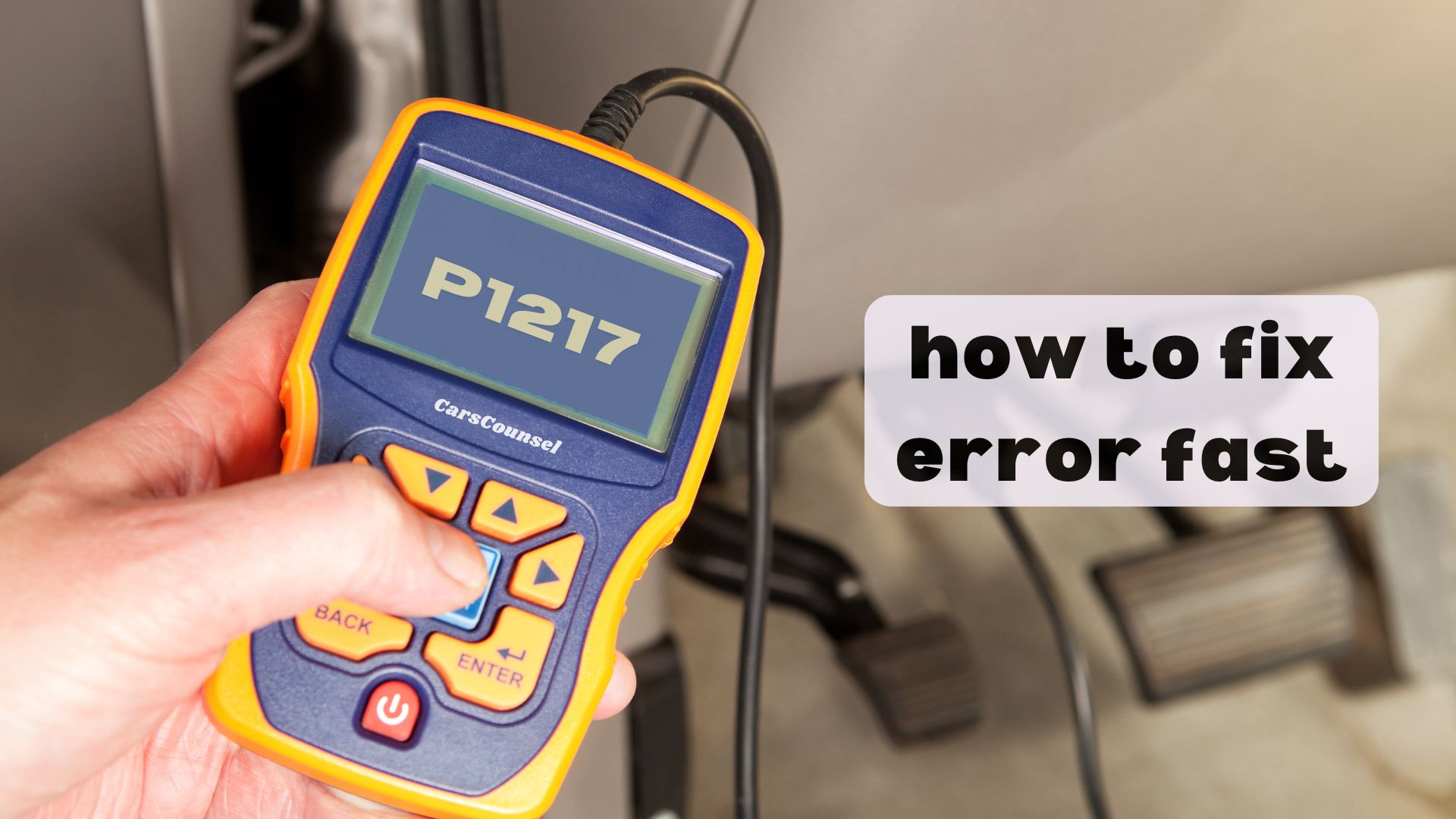
The P1217 code is a manufacturer-specific powertrain code. Its exact definition depends on the vehicle application, but it commonly indicates an engine over-temperature condition on certain Nissan and Infiniti models.
This code identifies a detected thermal condition, not necessarily a failed sensor. Proper diagnosis requires verifying the exact factory definition and inspecting the relevant cooling system components.
Quick Navigation
Key Takeaways
- The P1217 code is manufacturer-specific, commonly indicating an engine over-temperature condition on Nissan and Infiniti applications.
- Possible causes include low coolant levels, a stuck thermostat, a failing water pump, or a faulty cooling fan.
- Symptoms typically include an illuminated Check Engine Light, a high temperature gauge reading, and potential engine overheating.
- Diagnosis requires confirming the exact factory definition and inspecting the cooling system for leaks, blockages, or mechanical failures.
- Repairs depend on the confirmed fault and may involve coolant system service, thermostat replacement, or fan motor replacement.
P1217 Code Description and Implications
P1217 is a manufacturer-specific error code. Its exact definition depends entirely on the vehicle application.
Some Nissan and Infiniti applications: The code indicates an “Engine Over Temperature Condition.” The PCM detects that the engine coolant temperature has exceeded the safe operating threshold.
Certain other applications: The code may relate to a fuel system or injector circuit fault, though the engine overheat definition is the most prominent for this specific code.
Common Causes of the P1217 Code
Several conditions can trigger this manufacturer-specific malfunction code. Identifying the exact cause requires a physical inspection of the cooling system.
- Low engine coolant level due to a leak in the radiator, hoses, water pump, or heater core.
- A thermostat stuck in the closed position, preventing coolant from flowing to the radiator.
- A failing water pump that is not circulating coolant effectively through the engine block.
- A malfunctioning cooling fan or fan relay that fails to pull air through the radiator at low speeds or idle.
- A clogged radiator restricting coolant flow or a blocked radiator cap failing to maintain system pressure.
Symptoms Associated With P1217
Symptoms vary depending on the specific system design and the underlying fault condition.
- Illuminated Check Engine Light and potentially a dedicated temperature warning light on the dashboard.
- The engine temperature gauge reading higher than normal or entering the red zone.
- Visible steam or coolant odor from the engine bay if a leak or boil-over is occurring.
- Reduced engine power or limp mode if the PCM limits performance to protect the engine from thermal damage.
Diagnosing the P1217 Trouble Code
Diagnosis must begin by confirming the exact factory definition and inspecting the physical system components.
- Verify the exact manufacturer definition and locate the service information for the specific cooling system monitor.
- Check the engine coolant level and inspect the entire cooling system for visible leaks, damaged hoses, or crusty deposits.
- Test the thermostat operation by monitoring the temperature of the upper and lower radiator hoses as the engine warms up.
- Verify that the electric cooling fans engage when the engine reaches operating temperature or when the A/C is turned on.
- Use a scan tool to compare the PCM’s internal temperature reading with an infrared thermometer reading on the thermostat housing.
Repairing the P1217 Issue
Repairs depend entirely on the confirmed root cause of the system malfunction.
- If a coolant leak is found, repair or replace the affected hoses, radiator, or gaskets and refill the system with the correct coolant specification.
- Replace a confirmed stuck or failing thermostat using a component meeting the correct vehicle specification.
- If the water pump is failing to circulate coolant, replace the pump and drive belt or tensioner as required.
- Repair or replace faulty cooling fan motors, relays, or wiring if the fans are not operating correctly.
Cost Considerations for P1217 Repairs
Cost depends on diagnostic time, component accessibility, required parts, programming requirements, and labor.
Replacing a thermostat or a cooling fan relay is generally less expensive than diagnosing and replacing a water pump, radiator, or addressing internal engine damage caused by severe overheating.
Prevention Strategies for Future Occurrences
While mechanical failures are not always preventable, proper maintenance can reduce the risk of cooling system issues.
- Flushing and replacing the engine coolant at the manufacturer’s recommended intervals prevents corrosion and maintains the coolant’s boiling point.
- Inspecting coolant hoses, the radiator cap, and the drive belt during routine services can help identify developing wear before a failure occurs.
- Ensuring the cooling system is properly bled of air after any service prevents localized hot spots and inaccurate temperature readings.
Troubleshooting Tips and Best Practices
Always consult the exact manufacturer service information for your vehicle’s cooling system specifications and testing procedures.
- Do not assume the engine coolant temperature sensor is faulty simply because an overheat code is present; the physical cooling system must be verified first.
- Never open a hot radiator cap or coolant reservoir, as the pressurized system can cause severe burns.
- Verify technical service bulletins for your specific make and model, as some manufacturers issue updated thermostat part numbers or revised fan control software for recurring thermal faults.
More OBD-II Codes
| P1211 | P1212 | P1213 | P1214 |
| P1215 | P1216 | P1218 | P1219 |
| P1220 | P1223 | P1224 | P1225 |
| P1191 | P1192 | P1193 | P1194 |
| P1195 | P1196 | P1197 | P1198 |
| P1201 | P1202 | P1203 | P1204 |
Frequently Asked Questions
Is the P1217 code generic or manufacturer-specific?
No. P1217 is a manufacturer-specific code. Its exact definition varies by vehicle make, commonly indicating an engine over-temperature condition on Nissan applications.
Can I drive my car with a P1217 code?
No. If the code indicates an actual engine overheat condition, continuing to drive can cause catastrophic internal engine damage, such as a blown head gasket or warped cylinder head.
Will a bad coolant temperature sensor cause a P1217 code?
Unlikely directly. P1217 typically monitors actual overheat conditions or cooling system performance, whereas a failed sensor usually triggers a specific circuit code like P0117 or P0118.
Can low coolant trigger the P1217 code?
Yes. A low coolant level reduces the system’s ability to absorb and transfer heat, leading to elevated engine temperatures that can trigger this overheat condition code.
Will a P1217 code cause an emissions test failure?
Yes. Any code that illuminates the Check Engine Light will cause an automatic failure during an OBD-II emissions inspection.
What Should You Do About the P1217 Code?
Confirm the exact factory definition for your specific vehicle application. Follow the applicable manufacturer diagnostic procedure to physically inspect the cooling system, verify coolant levels, and test the relevant thermal components.
Repair or replace the confirmed failed component or fix the identified leak, then retest the system to ensure proper operation.

