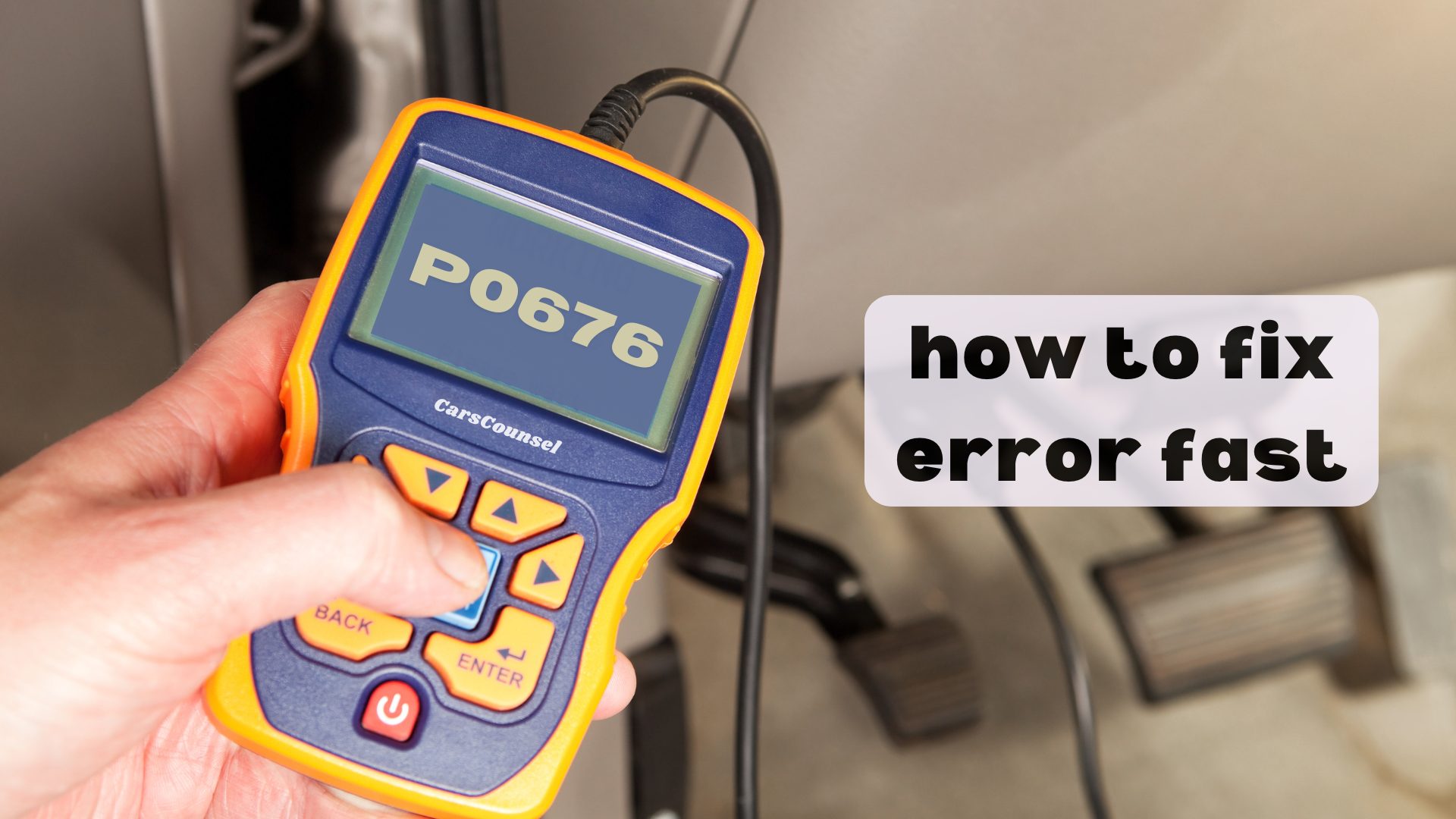
Among OBD-II error codes, P0676 is a generic SAE definition indicating a Cylinder 6 Glow Plug Circuit fault. It applies to diesel engines and means the control module detected an electrical issue in the glow plug circuit for the sixth cylinder.
Because this code points to a specific cylinder circuit, exact application verification is required. The code indicates an electrical condition, and testing is necessary to isolate the fault to the glow plug, wiring, or control module.
Quick Navigation
Key Takeaways
- Condition detected: The PCM identified an open, short, or performance fault in the glow plug circuit for cylinder 6.
- Electrical checks required: Diagnosis involves measuring the glow plug resistance, inspecting the wiring harness, and verifying control module output.
- System impacts: A faulty glow plug circuit can cause extended cranking, hard cold starts, and rough idle or misfires.
- Component testing: The cylinder 6 glow plug, related wiring, and glow plug control module must be evaluated to isolate the root cause.
P0676 Code Description and Implications
P0676 is a generic SAE definition for Cylinder 6 Glow Plug Circuit. Diesel engines use glow plugs to heat the combustion chamber, aiding in cold starts and reducing cold-start emissions.
When the powertrain control module detects that the electrical circuit for the cylinder 6 glow plug is open, shorted, or drawing an irrational amount of current, it stores P0676. This indicates a circuit fault rather than a general engine mechanical issue.
Common Causes of the P0676 Code
- Failed glow plug: The internal heating element in the cylinder 6 glow plug may burn out, creating an open circuit.
- Damaged wiring or connectors: Chafed harnesses, broken wires, or corroded connectors between the control module and the glow plug can interrupt the circuit.
- Failed glow plug control module: The internal driver or relay for the cylinder 6 circuit within the control module may fail.
- Blown fuse or power supply issue: A blown fuse supplying the glow plug module can prevent the circuit from energizing.
Symptoms Associated With P0676
Possible symptoms include:
- Illuminated Check Engine Light (MIL) or glow plug warning light.
- Extended cranking time or hard starting, especially in cold weather.
- Rough idle, engine misfires, or excessive white smoke during cold starts.
- Reduced fuel economy or poor overall engine performance until the engine reaches operating temperature.
Diagnosing the P0676 Trouble Code
Diagnosing a glow plug circuit code requires a digital multimeter, a scan tool, and the vehicle’s specific wiring diagrams. The first step is to verify the exact factory definition.
- Visual inspection: Inspect the wiring harness and connectors at the cylinder 6 glow plug and the glow plug control module for damage, heat exposure, or corrosion.
- Test glow plug resistance: Disconnect the electrical connector and use a digital multimeter to measure the resistance of the cylinder 6 glow plug. Compare the reading with the manufacturer’s specification.
- Check circuit continuity: Test the control and power circuits between the glow plug connector and the control module for opens or shorts to ground.
- Verify module output: Use a scan tool with bidirectional controls or a test light to verify that the control module is commanding the glow plug circuit active during the pre-heat cycle.
Repairing the P0676 Issue
Repairs must follow confirmed diagnosis. Never replace the powertrain control module based solely on the presence of a P0676 code.
- Glow plug replacement: If the cylinder 6 glow plug fails resistance testing, replace it with a component meeting the correct vehicle specification.
- Wiring repair: Repair any chafed wires or replace corroded connectors to restore a clean electrical path.
- Module replacement: If the glow plug and wiring test correctly but the circuit remains inactive, follow the applicable control module service or replacement procedure.
- Clear and verify: Clear the diagnostic trouble codes and perform a cold start to verify the repair and ensure the code does not return.
Cost Considerations for P0676 Repairs
Cost depends on diagnostic time, component accessibility, required parts, programming requirements, and labor.
Replacing a single glow plug is straightforward, though accessing it may require removing intake components on some engine designs.
Prevention Strategies for Future Occurrences
- Protect wiring harnesses: Ensure the glow plug wiring is securely routed away from hot exhaust manifolds and sharp engine components to prevent chafing.
- Use correct replacement parts: When replacing glow plugs, use components that meet the exact OEM specifications to ensure proper resistance and heating characteristics.
Troubleshooting Tips and Best Practices
- Do not ignore related codes: P0676 may appear alongside other glow plug circuit codes or a general glow plug control module code. Diagnose the specific cylinder circuit first before condemning the entire module.
- Check for TSBs: Some manufacturers issue Technical Service Bulletins for updated glow plug part numbers or revised control module software to address chronic cold-start issues.
- Verify battery condition: A weak battery can cause low system voltage during cranking, which may affect the glow plug module’s ability to properly test and command the circuits.
More OBD-II Codes
| P0670 | P0671 | P0672 | P0673 |
| P0674 | P0675 | P0677 | P0678 |
| P0683 | P0685 | P0688 | P0690 |
| P0620 | P0625 | P0633 | P0638 |
| P0641 | P0643 | P0645 | P0651 |
| P0300 | P0301 | P0302 | P0303 |
Frequently Asked Questions
Can a bad glow plug cause a P0676 code?
Yes. If the internal heating element in the cylinder 6 glow plug burns out, it creates an open circuit. The control module will detect the lack of current flow and store the circuit fault code.
Is it safe to drive with a P0676 code?
Driving is conditionally safe for short distances, but cold starting will be difficult. In cold weather, the engine may crank excessively, misfire, or produce heavy white smoke until it reaches operating temperature.
Will replacing the cylinder 6 glow plug fix a P0676 code?
It will fix the issue if the glow plug itself has failed internally. However, if the root cause is a broken wire, a corroded connector, or a failed control module driver, replacing the glow plug will not resolve the fault.
Does P0676 mean my glow plug control module needs to be replaced?
Not necessarily. P0676 indicates a fault specific to the cylinder 6 circuit. The root cause is a failed glow plug or damaged wiring. Proper circuit testing is required before condemning the control module.
Can aftermarket glow plugs trigger a P0676 code?
Yes. Some aftermarket glow plugs may have incorrect resistance values or draw excessive current, causing the control module to detect a circuit performance fault. Use components meeting exact OEM specifications.
What Should You Do About the P0676 Code?
Because the P0676 code indicates an electrical fault in the cylinder 6 glow plug circuit, it requires verifying the glow plug resistance, wiring, and control module output before replacing components. Confirm the exact factory definition for your vehicle.
Inspect the cylinder 6 wiring for damage, check the glow plug resistance, and test the relevant system and components. Follow the manufacturer’s diagnostic procedure to isolate the faulty component, repair the confirmed root cause, and verify the repair.

