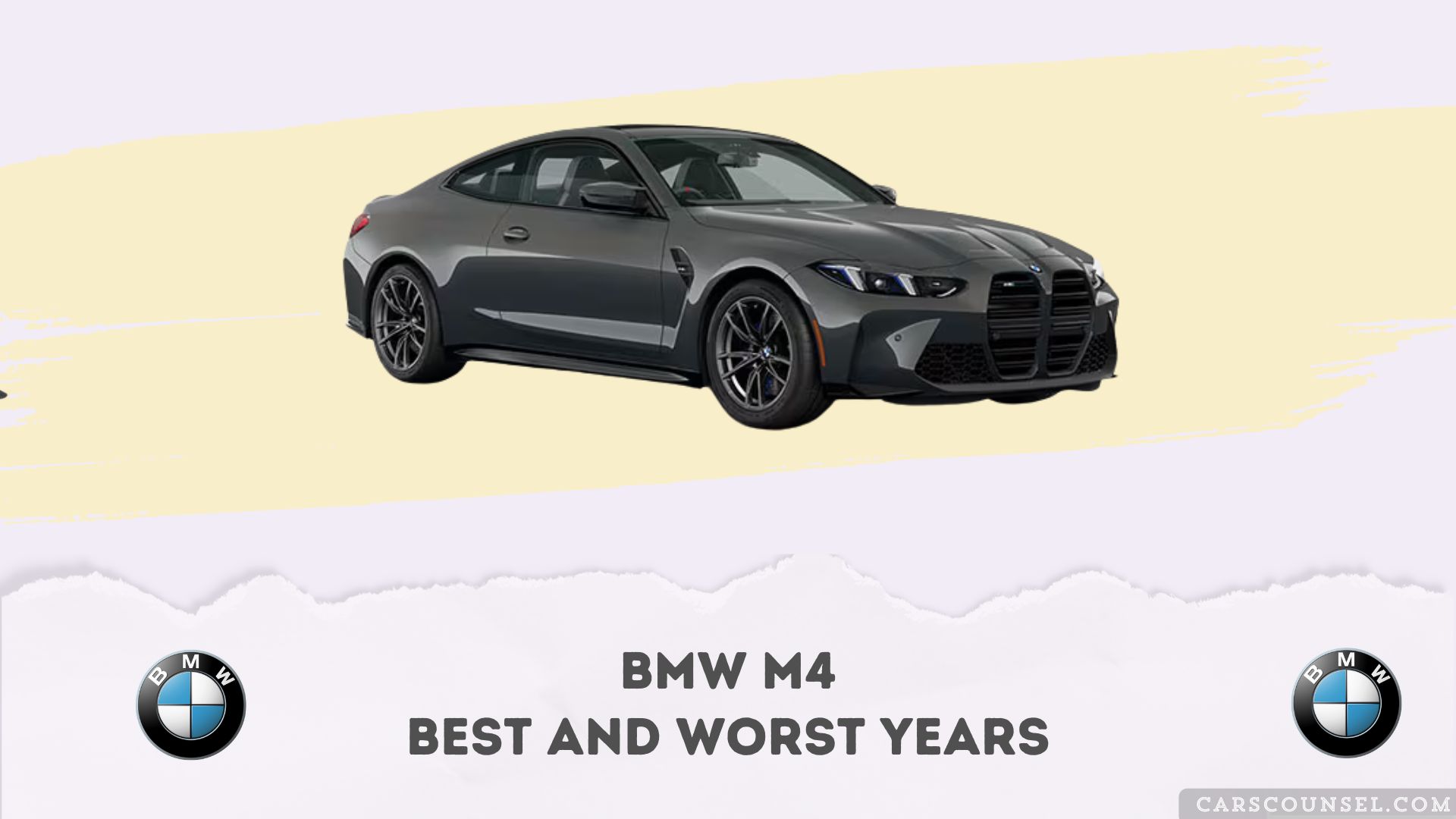
The best BMW M4 model years are 2016 through 2020, benefiting from a mature S55 engine and the 2018 LCI refresh. Buyers should approach the inaugural 2015 models with a thorough inspection to verify early-build recall completion.
Rankings are comparative, and no high-performance track car is entirely flawless. Long-term reliability depends heavily on strict adherence to dealership maintenance schedules and avoiding unverified aftermarket modifications.
Meaningful differences exist between the first-generation S55 and second-generation S58 powertrains. The newer S58 offers superior output, while the older S55 provides a proven, enthusiast-focused experience.
Quick Navigation
Best and Worst BMW M4 Years at a Glance
| Model Year or Range | Verdict | Main Reason | Buyer Guidance |
|---|---|---|---|
| 2015 | Good With Inspection | First-year S55 teething and recalls | Verify VIN and cooling system |
| 2016–2020 | Best Choice | Mature S55 engine, LCI refresh | Confirm service history |
| 2021–2025 | Too New to Judge | New S58 platform, limited long-term data | Monitor ownership reports |
Key Takeaways
- The 2016–2020 models are the strongest choices, offering the proven S55 engine and refined electronics.
- Approach the 2015 inaugural models with a standard inspection to ensure early-build driveshaft and cooling recalls are completed.
- The second-generation S58 engine is exceptionally robust, but long-term high-mileage data remains limited.
- Enthusiasts should note that the S55 crank hub is primarily a concern for heavily modified examples, not stock vehicles.
- Always verify the complete VIN for open campaigns and arrange an independent pre-purchase inspection.
How We Evaluated the BMW M4 Model Years
Our analysis examines NHTSA records, manufacturer service campaigns, and enthusiast ownership patterns across the F82 and G82 platforms. We weigh the impact of the high-performance powertrains, dual-clutch versus automatic transmissions, and early-build refinements.
Consumer complaints are not confirmed defects or failure rates. A recall does not automatically make a vehicle unreliable, but high-performance vehicles require meticulous documentation of fluid changes and differential services.
Best BMW M4 Years
2016–2020: Best Choice
These model years represent the most refined iteration of the first-generation F82 and F83 platforms. The S55 twin-turbo inline-six engine proved exceptionally robust, avoiding the rod bearing issues that plagued previous V8 generations.
The 2018 LCI update brought improved infotainment and subtle styling revisions. Buyers should still verify that routine differential and transmission services were performed, as these are critical for track-driven examples.
Best Year by Buyer Type
Best Performance Configuration: The 2018–2020 Competition models offer the ultimate first-generation experience, featuring increased output, adaptive suspension, and the desirable LCI interior updates.
Practical Alternative: Buyers seeking a similar luxury grand tourer with a more comfortable ride and lower maintenance costs may cross-shop the BMW 4 Series, which shares the M4’s underlying architecture but utilizes standard powertrains.
Years to Approach Carefully
2015: Good With Inspection
As the inaugural model year of the F82 generation, the 2015 M4 experienced typical first-year teething issues. Early examples were subject to recalls regarding the driveshaft slip joint lubrication and rear subframe bolts.
Purchase only if the vehicle’s service records confirm all safety campaigns are completed. Ensure the oil filter housing and valve cover gaskets have been inspected for early signs of weeping.
Worst BMW M4 Years
No BMW M4 model year earns a strict Avoid verdict. The underlying S55 and S58 powertrains are fundamentally robust, representing a high point in modern BMW M reliability.
However, buyers researching problematic years should note that internet forums often exaggerate the crank hub issue. This failure primarily affects heavily tuned vehicles making over 500 horsepower, not stock examples.
BMW M4 Reliability by Generation
First Generation (2015–2020)
Built on the F82 and F83 platforms, the first-generation M4 introduced the S55 twin-turbo inline-six. This engine features a closed-deck block and forged internals, making it significantly more reliable than the naturally aspirated V8 it replaced.
While the seven-speed dual-clutch transmission is excellent, the eight-speed automatic introduced in the second generation offers superior daily drivability and reliability.
Second Generation (2021–Present)
The G82 and G83 platforms utilize the S58 engine, which is widely considered one of the most robust high-performance engines currently in production. The controversial front-end styling houses a mature, highly capable chassis.
Long-term evidence remains limited, but early ownership reports indicate excellent mechanical durability, with most complaints centered on infotainment quirks rather than powertrain failures.
Common BMW M4 Problems
Engine and Cooling Problems
The S55 engine is known for occasional valve cover and oil filter housing gasket leaks. These are standard maintenance items for high-performance BMWs and do not indicate catastrophic engine failure.
Additionally, the turbocharger inlet pipes can develop cracks over time. Inspect these plastic components during any pre-purchase evaluation to avoid unexpected boost leaks.
Drivetrain and Crank Hub Concerns
The S55 crank hub has a reputation for slipping, but this is almost exclusively documented on modified vehicles running aggressive tuning software. Factory-stock S55 engines rarely experience this failure under normal driving conditions.
Ensure the vehicle has not been subjected to unverified aftermarket tuning, as this can void the powertrain warranty and stress the factory drivetrain components.
Interior and Seat Issues
The second-generation M4 offers optional M carbon bucket seats. While visually striking and highly supportive, the carbon fiber side bolsters are prone to cracking from repeated entry and exit.
Inspect the seat bolsters carefully for stress fractures, as replacing these specialized seats is an expensive endeavor.
What to Check Before Buying a Used BMW M4
- Verify the VIN to ensure all driveshaft, fuel injector, and safety recalls are completed.
- Confirm strict adherence to engine oil, differential, and DCT fluid change intervals.
- Inspect the valve cover, oil pan, and oil filter housing for active gasket leaks.
- Check the turbocharger inlet pipes for cracking or brittle plastic.
- Evaluate the M carbon seat bolsters for stress fractures on second-generation models.
- Arrange an independent pre-purchase inspection by a certified BMW M technician.
Related Buying Guides
- BMW M5 best and worst years: A larger, four-door performance alternative for buyers needing rear-seat practicality without sacrificing supercar-rivaling acceleration and track capability.
- BMW 8 Series best and worst years: A premium grand touring alternative for buyers prioritizing long-distance comfort, luxurious interior materials, and a more relaxed driving experience over raw track focus.
Frequently Asked Questions
What is the most reliable BMW M4 year?
The 2016 through 2020 models are comparatively stronger, benefiting from a mature S55 engine and resolved first-year recalls. The second-generation S58 models are also exceptionally robust but lack long-term data.
Does the BMW M4 have rod bearing issues?
No, the M4 uses the S55 and S58 inline-six engines, which feature forged internals and do not suffer from the rod bearing failures that plagued the older V8-powered M3 models.
What causes the crank hub to fail on the M4?
Crank hub slipping is primarily a concern for modified examples running aggressive aftermarket tuning software. Factory-stock S55 engines rarely experience this failure under normal driving conditions.
Is the dual-clutch transmission reliable?
The seven-speed dual-clutch transmission in the first-generation M4 is generally reliable when maintained properly. However, the eight-speed automatic in the second generation is smoother and requires less specialized maintenance.
Do the carbon bucket seats crack?
Yes, the optional M carbon bucket seats in the second-generation M4 are known to develop stress fractures on the side bolsters due to the friction of entering and exiting the vehicle.
Does the M4 share parts with the standard 4 Series?
Yes, the M4 shares its underlying chassis architecture with the contemporary BMW 4 Series. However, the M4 features entirely unique powertrains, suspensions, and structural bracing tailored for track use.
Which BMW M4 Year Should You Buy?
Target the 2016 through 2020 models for the most proven ownership experience, benefiting from the mature S55 engine and excellent aftermarket support. These years offer the best balance of modern performance and established reliability.
Approach the 2015 models with realistic expectations regarding first-year recalls. Always verify the VIN for open campaigns, demand comprehensive service records, and arrange a specialized pre-purchase inspection.

