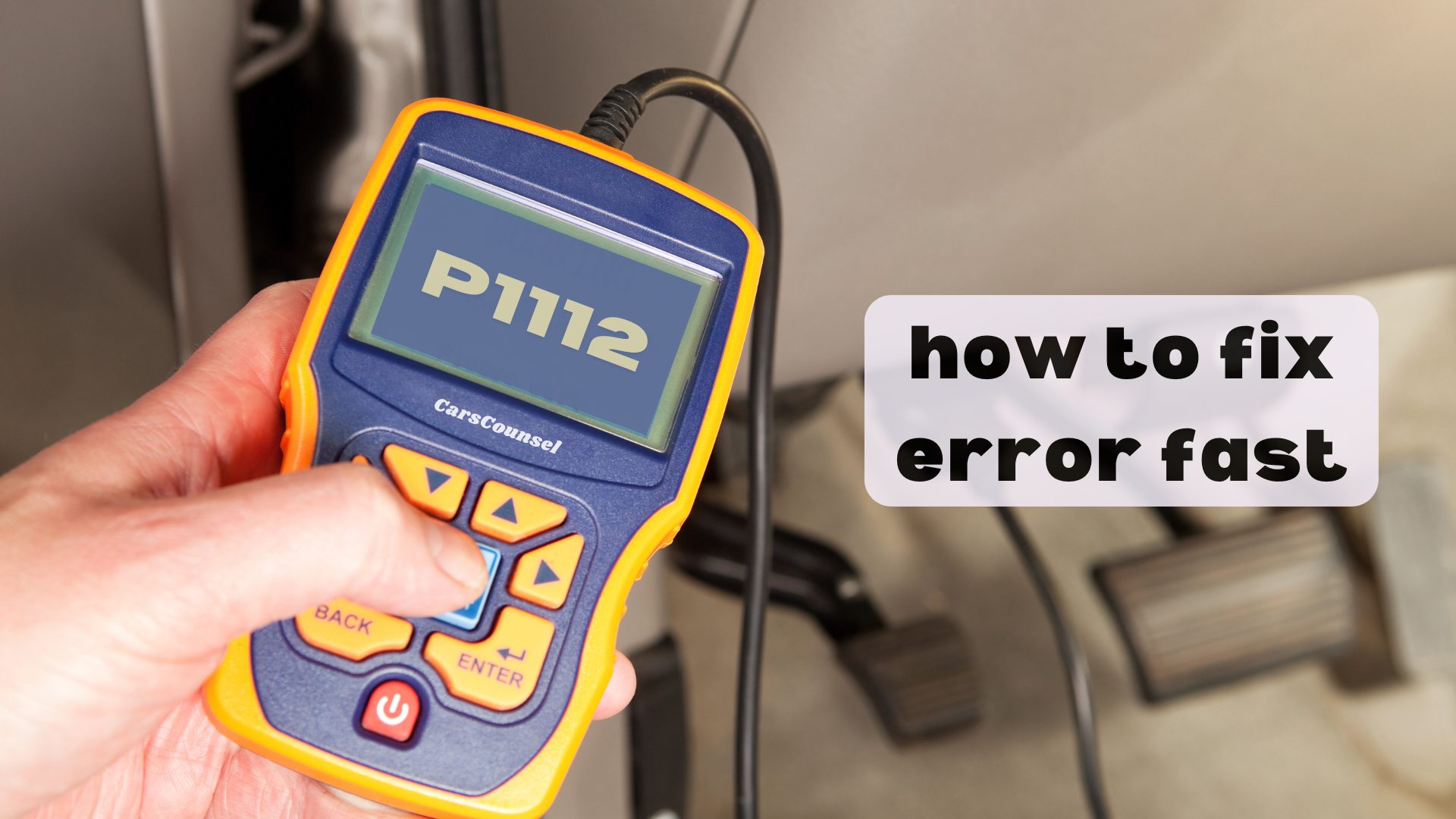
P1112 is a manufacturer-specific OBD-II diagnostic trouble code. Because it is manufacturer-specific, its exact definition depends on the vehicle application, often relating to the intake air temperature sensor circuit.
The exact application must be verified before diagnosis. The code indicates a detected intermittent signal condition, but testing is required to identify the root cause.
Quick Navigation
Key Takeaways
- P1112 is a manufacturer-specific code, meaning its exact definition varies by automaker and vehicle application.
- On many Ford, Mazda, and Isuzu applications, it indicates an intermittent signal fault in the Intake Air Temperature (IAT) sensor circuit.
- Possible causes include damaged wiring, corroded connectors, or a failing IAT sensor.
- Diagnosis requires verifying the exact factory definition and testing the relevant sensor circuits and live data.
P1112 Code Description and Implications
P1112 is a manufacturer-specific powertrain code. Because the second digit is “1”, the definition is controlled by the automaker rather than the SAE standardized list.
Some Ford, Mazda, and Isuzu applications: P1112 indicates an intermittent signal or circuit malfunction in the Intake Air Temperature (IAT) sensor.
Certain other applications: P1112 may relate to different manufacturer-specific systems, such as oxygen sensor circuits or fuel mixture faults.
When the control module detects an erratic or dropping signal from the monitored sensor, it sets this fault code. Because this is a manufacturer-specific code, the exact definition and diagnostic steps vary by automaker.
Common Causes of the P1112 Code
Possible causes depend entirely on the specific vehicle application.
For IAT sensor applications, damaged, chafed, or corroded wiring and connectors in the sensor circuit are frequent culprits for intermittent signal dropouts.
A failing or internally shorted intake air temperature sensor can also send erratic readings to the control module.
In some cases, severe intake air leaks or debris contamination on the sensor element can cause erratic temperature readings.
Symptoms Associated With P1112
The primary symptom is an illuminated check engine light.
Drivers may experience rough idling, engine hesitation, or poor fuel economy if the control module receives erratic air temperature data.
The engine control module may struggle to calculate the correct air-fuel mixture, leading to drivability issues during cold starts or rapid temperature changes.
Diagnosing the P1112 Trouble Code
Diagnosis must begin by confirming the exact factory definition for the specific make, model, and year.
For IAT circuit applications, technicians inspect the sensor wiring harness for chafing, broken wires, or corrosion that could cause an intermittent open or short.
Live data is monitored to observe the IAT sensor readings at idle and during engine warm-up, looking for sudden dropouts or erratic spikes.
The sensor’s resistance and signal voltage are tested and compared to the manufacturer’s specifications.
Repairing the P1112 Issue
Repairs follow the confirmed diagnosis for the specific application.
If wiring damage or a loose connector is found, repairing the harness and clearing the code resolves the electrical fault.
If the IAT sensor fails the live data and electrical tests, replacing the confirmed failed sensor is required.
If an intake leak or debris contamination is found, repairing the intake duct or cleaning the sensor restores proper operation.
Cost Considerations for P1112 Repairs
Repair costs vary depending on the underlying fault and the vehicle application.
Replacing an intake air temperature sensor involves standard parts and minimal labor.
If the repair requires extensive wiring harness repair or diagnosing an internal module fault, labor costs increase.
Cost depends on diagnostic time, component accessibility, required parts, programming requirements, and labor.
Prevention Strategies for Future Occurrences
Inspecting exposed engine bay wiring harnesses can help identify developing damage from heat, vibration, or rodent activity.
Replacing the engine air filter at the manufacturer’s recommended intervals helps prevent debris from contaminating sensitive intake sensors.
Troubleshooting Tips and Best Practices
Never assume a manufacturer-specific code has a universal meaning. Always verify the exact factory service information for your specific vehicle.
Do not replace the IAT sensor without first verifying the wiring, connectors, and live data signal for intermittent dropouts.
If P1112 is accompanied by mass air flow or fuel trim codes, suspect an intake vacuum leak rather than just a failed temperature sensor.
More OBD-II Codes
| P1103 | P1104 | P1105 | P1106 |
| P1107 | P1108 | P1114 | P1115 |
| P1116 | P1117 | P1118 | P1119 |
| P0111 | P0112 | P0113 | P0101 |
| P1101 | P1102 | P0100 | P0171 |
| P0174 | P0300 | P0420 | P1120 |
Frequently Asked Questions
Is P1112 a generic OBD-II code?
No. P1112 is a manufacturer-specific code, meaning its exact definition and diagnostic procedure depend entirely on the vehicle’s make, model, and application.
Can I drive my vehicle with a P1112 code?
It depends on the application. If the erratic sensor signal causes severe hesitation or stalling, driving the vehicle may be unsafe and should be avoided.
Will a P1112 code cause poor fuel economy?
Yes. The engine control module relies on accurate intake air temperature data to calculate fuel delivery. An erratic signal can cause the engine to run inefficiently.
Does P1112 always mean the IAT sensor is broken?
No. The code often points to an electrical fault like damaged wiring, a corroded connector, or a mechanical issue like debris contamination on the sensor.
How do I clear a manufacturer-specific P1112 code?
Clearing the code requires fixing the underlying electrical or mechanical fault. Simply using a scan tool to erase the code will not repair the root cause.
What Should You Do About the P1112 Code?
Confirm the exact factory definition for your specific vehicle, then follow the applicable manufacturer diagnostic procedure for the relevant system and components.
Because P1112 is manufacturer-specific, testing the exact wiring circuits, sensors, or intake components identified by the factory service information is required to find the root cause.
Once the fault is confirmed, perform the necessary repairs and verify the fix by clearing the codes and completing a test drive.

