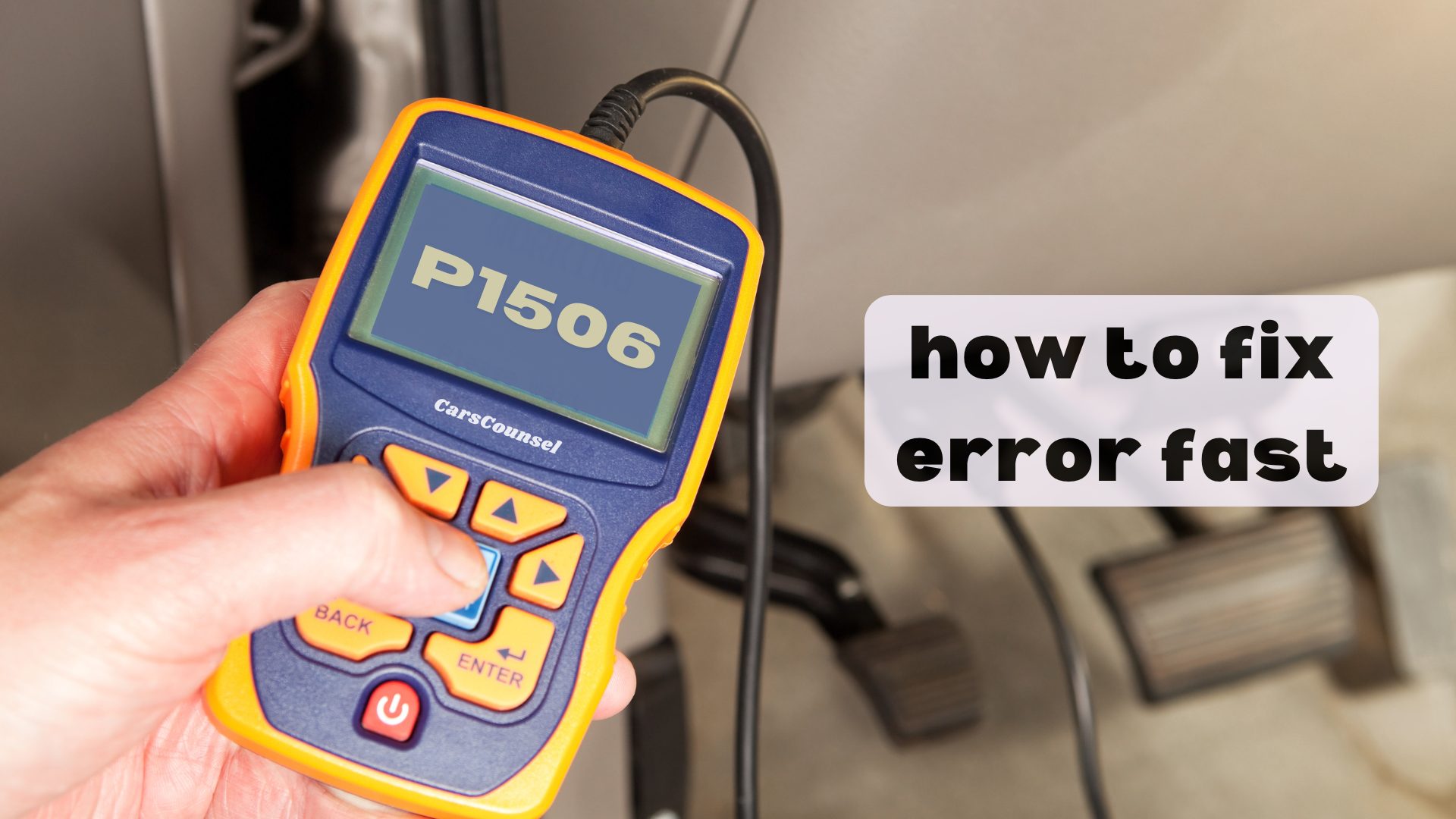
The P1506 code is a manufacturer-specific diagnostic trouble code indicating a fault within the idle air control system or related idle speed circuits. Because it is manufacturer-specific, the exact definition and monitored system depend entirely on the vehicle application.
The exact factory definition must be verified before starting diagnosis, as this code does not prove that a single specific component has failed. The diagnostic path will vary depending on whether the vehicle uses a dedicated idle air control valve or an electronic throttle body.
Quick Navigation
Key Takeaways
- P1506 is a manufacturer-specific code, relating to idle air control overspeed or circuit faults on verified applications.
- The code indicates a detected idle speed or control circuit condition, but does not automatically confirm a failed idle air control valve.
- Diagnosis requires verifying the exact factory definition for the specific make, model, and year before testing components.
- Possible causes include unmetered air entering the intake, a contaminated throttle body, or wiring issues in the idle control circuit.
P1506 Code Description and Implications
Because P1506 is a manufacturer-specific powertrain code, its exact definition depends on the vehicle application. The code points to a fault within the idle speed control system, but the monitored parameters vary by automaker.
Ford and Jaguar applications: P1506 indicates an Idle Air Control (IAC) system overspeed error. The powertrain control module detects that the actual engine idle speed is higher than the commanded or desired idle RPM.
Mazda and other applications: On certain verified platforms, this code can indicate a malfunction within the idle air control valve circuit, pointing to an electrical fault in the control wiring or the valve actuator itself.
Other applications: Depending on the manufacturer, P1506 may reference vehicle speed output circuits or auxiliary idle control systems. Always consult the exact service information for the vehicle in question.
Common Causes of the P1506 Code
The underlying cause of a P1506 code depends entirely on the verified manufacturer definition. On applications where the code relates to an idle overspeed condition, possible causes include:
- Unmetered air entering the intake manifold through vacuum leaks in hoses, gaskets, or the PCV system.
- Carbon buildup or contamination binding the throttle plate or idle air control valve.
- A mechanically stuck or electrically faulty idle air control valve.
- Wiring issues, poor connections, or corrosion in the idle control circuit.
On applications where P1506 references an electrical circuit fault, the causes will involve open or shorted wires, blown fuses, or internal module driver faults specific to that circuit.
Symptoms Associated With P1506
When P1506 is stored, the symptoms depend on the monitored system and the manufacturer’s fail-safe strategies.
On verified idle overspeed applications, the engine may idle noticeably higher than normal, surge at stoplights, or exhibit a rough, unstable idle. The Check Engine Light will illuminate, and the vehicle may be difficult to bring to a smooth stop.
If the code relates to an electrical circuit fault, the engine control module may command a default idle strategy or limp mode, resulting in stalling or poor drivability. MIL behavior varies by application, though the Check Engine Light is expected.
Diagnosing the P1506 Trouble Code
Diagnosis must begin by confirming the exact factory definition of P1506 for the specific vehicle make, model, year, and engine configuration. Assuming the code relates to an idle overspeed without verifying the application can lead to incorrect testing.
For verified idle overspeed applications, the diagnostic path includes:
- Using a scan tool to monitor live data, specifically comparing commanded idle RPM with actual engine RPM.
- Performing a thorough visual inspection and smoke test of the intake tract, vacuum hoses, and PCV system to identify unmetered air leaks.
- Inspecting the throttle body and idle air control passages for carbon buildup that may prevent the valve from closing properly.
- Testing the idle air control valve and its wiring harness according to the manufacturer’s specific electrical pinpoint tests.
If the verified definition points to an electrical circuit fault, the diagnostic procedure must follow the exact wiring diagrams and continuity tests outlined in the factory service information.
Repairing the P1506 Issue
Repairs must follow the confirmed root cause identified during the manufacturer-specific diagnostic procedure.
If testing confirms unmetered air is entering the intake, repairing or replacing the leaking vacuum hoses, intake gaskets, or PCV components is required. If carbon buildup is binding the throttle plate or idle passages, cleaning the throttle body and idle air control valve may resolve the issue.
If the idle air control valve fails the manufacturer’s electrical or mechanical tests, replacing the confirmed failed component is necessary. For circuit faults, repairing damaged wiring or securing corroded connectors will restore proper operation.
Cost Considerations for P1506 Repairs
Repair costs for a P1506 code vary based on the exact vehicle application, the confirmed failed component, and local labor rates.
If the issue is a simple vacuum hose replacement or a basic throttle body cleaning, costs may be minimal. Replacing a dedicated idle air control valve involves moderate parts and labor expenses.
If the diagnosis confirms extensive intake gasket leaks or complex wiring harness repairs, the labor time will increase the overall cost of the repair.
Prevention Strategies for Future Occurrences
Because P1506 relates to manufacturer-specific idle control systems, preventing the code depends on the exact failure mechanism.
For applications using a dedicated idle air control valve, keeping the intake tract clean and addressing minor vacuum leaks promptly can help prevent carbon buildup and unmetered air issues. Inspecting exposed vacuum hoses and PCV lines during routine service can also help identify developing deterioration.
Troubleshooting Tips and Best Practices
Always verify the exact application before purchasing parts. A P1506 code on a Ford vehicle involves a completely different diagnostic path than a P1506 on a different manufacturer’s platform.
Check for related idle control codes, such as P0505, P0506, or P0507, as these can provide additional context regarding the idle speed control system’s status. Avoid replacing the idle air control valve without first confirming that no vacuum leaks are present, as unmetered air will cause the new valve to fail or trigger the code again.
Ensure that any electronic throttle body or idle learn procedures are performed after cleaning or replacing components, as the module may require a relearn cycle to stabilize the idle.
More OBD-II Codes
| P1504 | P1500 | P1498 | P1488 |
| P1487 | P1479 | P1507 | P1511 |
| P1512 | P1513 | P1514 | P1516 |
| P0505 | P0506 | P0500 | P1518 |
| P1519 | P1520 | P1521 | P1524 |
| P1525 | P1529 | P1542 | P1546 |
Frequently Asked Questions
Is the P1506 code generic or manufacturer-specific?
No. P1506 is a manufacturer-specific code. Its exact definition, monitored system, and diagnostic procedure depend entirely on the vehicle make, model, and year.
Can I drive my car with a P1506 code?
If the code causes a high or surging idle, the vehicle may be difficult to stop safely. If drivability is severely affected, towing the vehicle to a repair facility is recommended over driving it.
Will cleaning the throttle body fix a P1506 code?
Cleaning the throttle body may resolve the issue if carbon buildup is preventing the idle air control valve or throttle plate from closing properly. However, it will not fix vacuum leaks or electrical circuit faults.
Can a vacuum leak trigger a P1506 code?
Yes. On applications where P1506 indicates an idle overspeed error, unmetered air entering the intake manifold through a vacuum leak can cause the engine idle to rise above the commanded RPM.
Does P1506 always mean the idle air control valve is broken?
No. The code indicates a detected idle speed or circuit condition. The root cause could be a vacuum leak, carbon buildup, wiring issues, or a PCV system fault, requiring diagnosis before replacing any component.
What Should You Do About the P1506 Code?
Confirm the exact factory definition for your specific vehicle application before attempting any repairs. Because P1506 is manufacturer-specific, the diagnostic path will differ between an idle overspeed condition, an electrical circuit fault, or a vehicle speed output issue.
Follow the applicable manufacturer diagnostic procedure to test the relevant system and components. Once the root cause is confirmed, complete the necessary repairs and verify the system operation before returning the vehicle to service.

