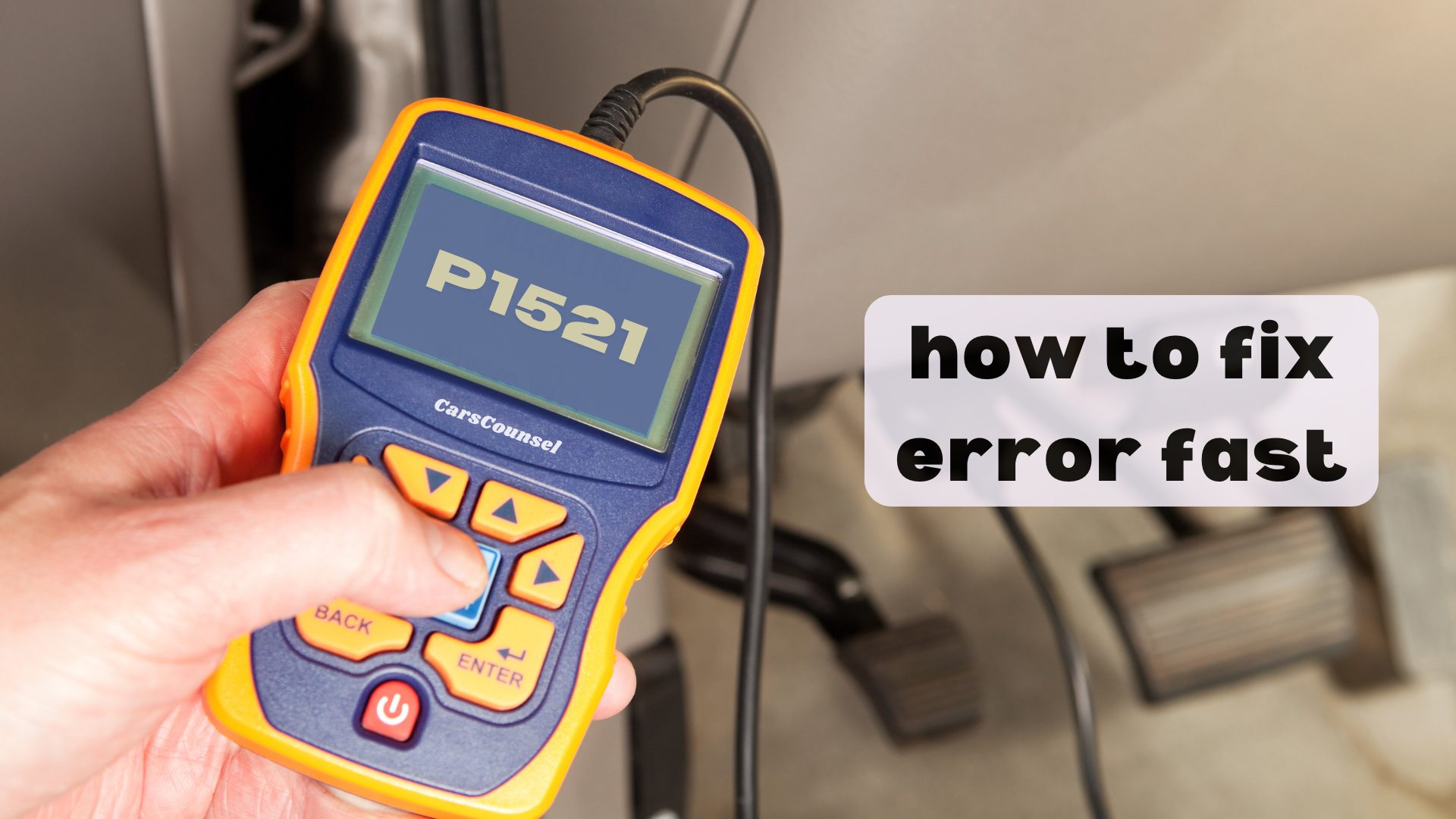
The P1521 code is a manufacturer-specific OBD-II diagnostic trouble code indicating “Incorrect Engine Oil Type.” It means the powertrain control module detected that the installed engine oil viscosity does not meet system requirements.
This code does not prove a mechanical engine failure. It typically indicates the wrong oil weight was used during the last oil change, affecting variable displacement systems.
Quick Navigation
Key Takeaways
- The P1521 code indicates the control module detected incorrect engine oil viscosity for the variable displacement system.
- The most common cause is the use of the wrong oil weight during a recent oil change, such as 5W-30 instead of 5W-20.
- Diagnosis involves verifying the exact oil specification required by the manufacturer and checking the oil level and condition.
- Repairs typically require draining the incorrect oil and refilling with the exact manufacturer-specified oil weight and filter.
P1521 Code Description and Implications
The P1521 code indicates that the powertrain control module detected incorrect engine oil viscosity. This manufacturer-specific OBD2 error is predominantly found on Chrysler, Dodge, Jeep, and Ram vehicles equipped with the Multi-Displacement System.
MDS improves fuel economy by deactivating specific cylinders under light load conditions. This system relies on precise oil pressure and specific oil viscosity to actuate the cylinder deactivation solenoids and lifters.
When the module calculates that the oil viscosity does not match the required specification, it stores this code and may disable the MDS system to protect the engine from mechanical damage.
Common Causes of the P1521 Code
The primary cause is the installation of the wrong engine oil weight during a recent oil change. Using a thicker oil instead of the required specification will trigger this code.
Using an incorrect oil filter that restricts flow or fails to maintain proper system pressure can also cause the module to calculate an incorrect viscosity.
In rare cases, a faulty engine oil temperature sensor or oil pressure sensor may send erroneous data to the control module, causing a false viscosity calculation.
Symptoms Associated With P1521
An illuminated Check Engine Light is expected once the monitor detects the incorrect oil type. MIL behavior varies by application, but the light commands when the fault is verified.
You may notice that the vehicle’s fuel economy is slightly reduced because the Multi-Displacement System is disabled and the engine is running on all cylinders at all times.
There are typically no severe drivability symptoms, rough idling, or stalling issues associated with this code, as the base engine lubrication remains adequate for normal operation.
Diagnosing the P1521 Trouble Code
Diagnosis must begin by confirming the exact factory definition and checking the vehicle’s maintenance history. Record freeze-frame data to see the conditions when the code set.
Verify the exact oil specification required for your specific engine by checking the oil cap, the owner’s manual, or the manufacturer service information.
Check the engine oil level and condition. If the oil was recently changed, confirm whether the correct weight and a manufacturer-approved oil filter were used.
If the correct oil is verified, test the engine oil temperature and pressure sensors to ensure they are providing accurate data to the control module.
Repairing the P1521 Issue
Repairs must follow confirmed diagnosis. If the wrong oil weight was installed, drain the crankcase completely and refill it with the exact manufacturer-specified oil viscosity and a high-quality filter.
After performing the oil change, clear the diagnostic trouble code and drive the vehicle through the required monitor enable criteria to verify the repair.
If the sensors are confirmed faulty through electrical testing, replace the specific sensor using a component meeting the exact vehicle specification.
Cost Considerations for P1521 Repairs
Cost depends on diagnostic time, component accessibility, required parts, programming requirements, and labor.
If the issue is simply the wrong oil, the cost is limited to the price of a standard oil change and filter replacement.
If an oil pressure or temperature sensor requires replacement, the cost of the component and the labor to access it will increase the overall repair price.
Prevention Strategies for Future Occurrences
Always verify the exact oil weight required by the manufacturer before performing an oil change. The correct viscosity is usually stamped directly on the engine oil filler cap.
Using the correct manufacturer-specified oil filter ensures proper flow rates and pressure retention, which helps the control module accurately calculate oil viscosity.
Some sensor failures occur due to normal component aging and cannot be reliably prevented through standard maintenance.
Troubleshooting Tips and Best Practices
Do not ignore this code or assume it is a simple sensor glitch. Running an engine equipped with cylinder deactivation on the wrong oil weight can cause severe mechanical damage over time.
Always check the oil filler cap and the owner’s manual rather than relying on generic recommendations, as specific engines require exact viscosities for variable valve timing and cylinder deactivation.
Check for technical service bulletins for your exact vehicle application. Some manufacturers release updated oil specifications or software calibrations to address false viscosity calculations.
More OBD-II Codes
| P1519 | P1520 | P1518 | P1516 |
| P1514 | P1513 | P1524 | P1525 |
| P1529 | P1531 | P1542 | P1546 |
| P0520 | P0521 | P0522 | P0523 |
| P0300 | P0171 | P0420 | P0440 |
| P0455 | P0174 | P0301 | P0302 |
Frequently Asked Questions
Is the P1521 code generic or manufacturer-specific?
No. P1521 is a manufacturer-specific code. It predominantly applies to Chrysler, Dodge, Jeep, and Ram vehicles, specifically monitoring the oil viscosity for the Multi-Displacement System.
Can I drive my vehicle with a P1521 code?
You can typically drive the vehicle, as this code does not usually cause severe drivability issues. However, the cylinder deactivation system will remain disabled, reducing fuel economy.
Will an oil change fix a P1521 code?
Yes, if the code was triggered because the wrong oil weight was installed. Draining the incorrect oil and refilling with the exact manufacturer-specified viscosity will usually resolve the issue.
Does a P1521 code mean my engine is damaged?
Not necessarily. The code indicates the wrong oil viscosity is present, which disables the cylinder deactivation system to protect the engine. Prompt correction prevents long-term mechanical wear.
Can I clear the P1521 code without changing the oil?
Clearing the code only resets the warning light. If the incorrect oil remains in the crankcase, the monitor will detect the wrong viscosity again and turn the light back on.
What Should You Do About the P1521 Code?
Confirm the exact factory definition and check the required oil specification for your specific vehicle application. Follow the applicable manufacturer diagnostic procedure to verify whether the fault lies in the installed oil, the filter, or a sensor.
Once testing confirms the root cause, perform the necessary oil change or replace the confirmed failed sensor, then retest the system to ensure the Multi-Displacement System operates correctly.

