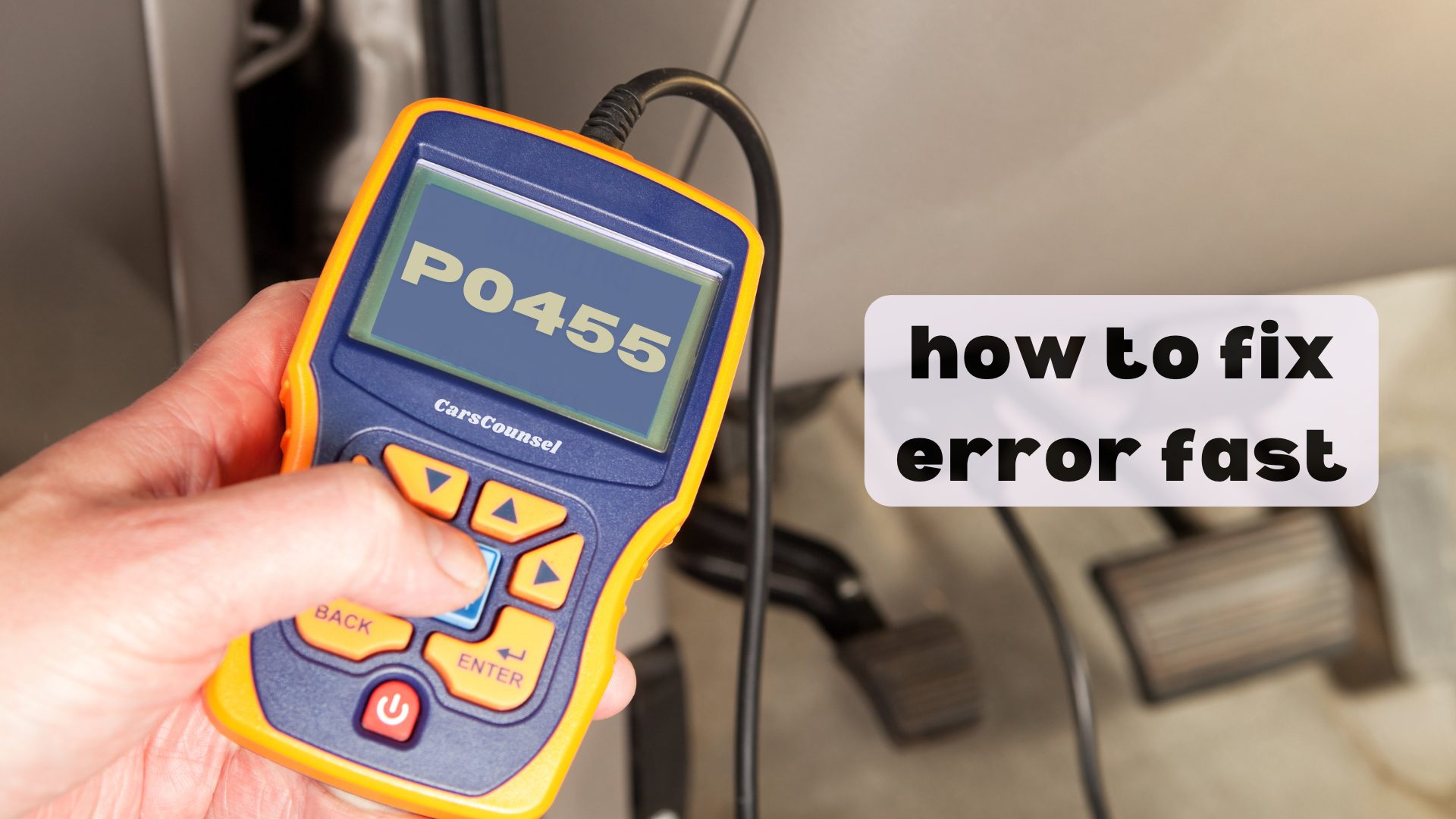
The P0455 code is a generic OBD-II diagnostic trouble code indicating a gross leak or no flow detected in the evaporative emission control (EVAP) system. This system captures and stores fuel vapors to prevent them from escaping into the atmosphere.
Because P0455 is a generic code, the core definition applies across all vehicle makes. However, specific diagnostic procedures and component layouts vary by manufacturer. A diagnostic trouble code indicates a detected condition, but testing is necessary to pinpoint the exact leak source.
Quick Navigation
Key Takeaways
- P0455 is a generic OBD-II code indicating a large leak or no flow in the evaporative emission control system.
- The most frequent cause is a loose, damaged, or missing fuel filler cap, though cracked hoses or faulty valves are also possible.
- Symptoms typically include an illuminated check engine light and occasionally a noticeable fuel odor, with rare drivability issues.
- Diagnosis usually requires a smoke test to introduce vapor into the EVAP system and visually locate the escaping smoke.
P0455 Code Description and Implications
The P0455 code indicates that the powertrain control module (PCM) has detected a large leak or a complete lack of flow within the EVAP system. The EVAP system seals the fuel system to capture vapors and route them into the engine for combustion.
When the PCM commands the EVAP system to seal and applies a vacuum or pressure, it monitors the fuel tank pressure sensor. If the pressure changes too rapidly or fails to build, the module determines a gross leak is present.
Because this is a generic trouble code, the fundamental definition remains consistent across all automakers, though specific component names and testing procedures vary.
Common Causes of the P0455 Code
The most frequent cause of a P0455 code is a loose, missing, or damaged fuel filler cap that fails to seal the system.
Other causes include cracked, disconnected, or degraded EVAP hoses, a leaking charcoal canister, or a faulty purge or vent control valve.
Physical damage to the fuel tank or a failing fuel tank pressure sensor can also trigger the code if the sensor provides inaccurate readings to the PCM.
Symptoms Associated With P0455
The primary symptom of a P0455 code is an illuminated check engine light on the dashboard.
Drivers may occasionally notice a faint odor of raw fuel near the vehicle, particularly after parking or refueling, if vapors are escaping into the atmosphere.
Unlike engine misfire or fuel delivery codes, an EVAP leak rarely causes noticeable drivability issues, rough idling, or reduced engine power.
Diagnosing the P0455 Trouble Code
Diagnosis begins by verifying the exact factory service information for the specific vehicle and inspecting the fuel filler cap for damage or improper sealing.
A smoke test is the standard diagnostic procedure. A specialized machine introduces harmless smoke into the EVAP system, allowing the technician to visually trace the smoke escaping from the leak source.
Technicians also inspect all EVAP lines, the charcoal canister, and the purge and vent valves for physical damage, corrosion, or disconnection.
Repairing the P0455 Issue
If the fuel cap is loose or the seal is damaged, tightening or replacing the cap and clearing the code is often the only required repair.
If a smoke test reveals a cracked hose or a leaking valve, the confirmed failed component must be replaced and the system retested to verify the seal.
Control module or sensor replacement is only performed if electrical testing confirms the component has failed and all physical leaks have been ruled out.
Cost Considerations for P0455 Repairs
Repair costs vary widely depending on the underlying fault. Replacing a fuel cap or a short section of hose involves minimal parts and labor.
Replacing a charcoal canister, fuel tank, or performing extensive EVAP system disassembly to access hidden components requires significant labor and higher parts costs.
Cost depends on diagnostic time, component accessibility, required parts, programming requirements, and labor.
Prevention Strategies for Future Occurrences
Ensuring the fuel filler cap is tightened securely after every refueling helps maintain the EVAP system seal and prevents the most common cause of this code.
Inspecting visible EVAP hoses and connections during routine maintenance can help identify developing cracks or brittle rubber before a gross leak occurs.
Troubleshooting Tips and Best Practices
Never assume a large EVAP leak requires immediate replacement of the charcoal canister or fuel tank. Always start by verifying the fuel cap seal and performing a smoke test.
Clearing the code without repairing the physical leak will only result in the monitor failing again during the next drive cycle.
If a P0455 code is accompanied by other EVAP codes, such as a purge flow code, the diagnosis must address the combined system faults rather than treating them in isolation.
More OBD-II Codes
| P0440 | P0441 | P0442 | P0444 |
| P0445 | P0446 | P0447 | P0448 |
| P0449 | P0450 | P0451 | P0452 |
| P0453 | P0456 | P0462 | P0463 |
| P1441 | P1444 | P1445 | P1446 |
| P1447 | P1448 | P1449 | P1450 |
Frequently Asked Questions
Is P0455 a generic OBD-II code?
Yes. P0455 is a generic OBD-II code, meaning its core definition regarding a gross EVAP leak applies universally across all vehicle makes and models.
Can I drive my vehicle with a P0455 code?
Yes, you can generally drive the vehicle, as an EVAP leak rarely affects engine drivability or safety. However, it will cause the vehicle to fail an emissions inspection.
Will tightening the gas cap immediately turn off the light?
No. Tightening a loose cap prevents further leaking, but the check engine light usually requires several successful drive cycles to turn off automatically, or it must be cleared with a scan tool.
Can a P0455 code be caused by a bad oxygen sensor?
No. The P0455 code specifically monitors the evaporative emission control system for physical leaks. Oxygen sensors monitor exhaust gases and trigger entirely different fuel trim or catalyst codes.
Does a smoke test damage the EVAP system?
No. A professional smoke test uses harmless, low-pressure vapor specifically designed to safely find leaks in the EVAP system without damaging valves, hoses, or the charcoal canister.
What Should You Do About the P0455 Code?
Confirm the exact factory diagnostic procedure for your specific vehicle, then perform a visual inspection of the fuel cap and EVAP hoses.
Because P0455 indicates a physical leak in the relevant system and components, a smoke test is usually required to accurately locate the escaping vapors.
Once the leak source is confirmed, perform the necessary repairs and verify the fix by clearing the codes and completing the EVAP monitor drive cycle.


Comments are closed.