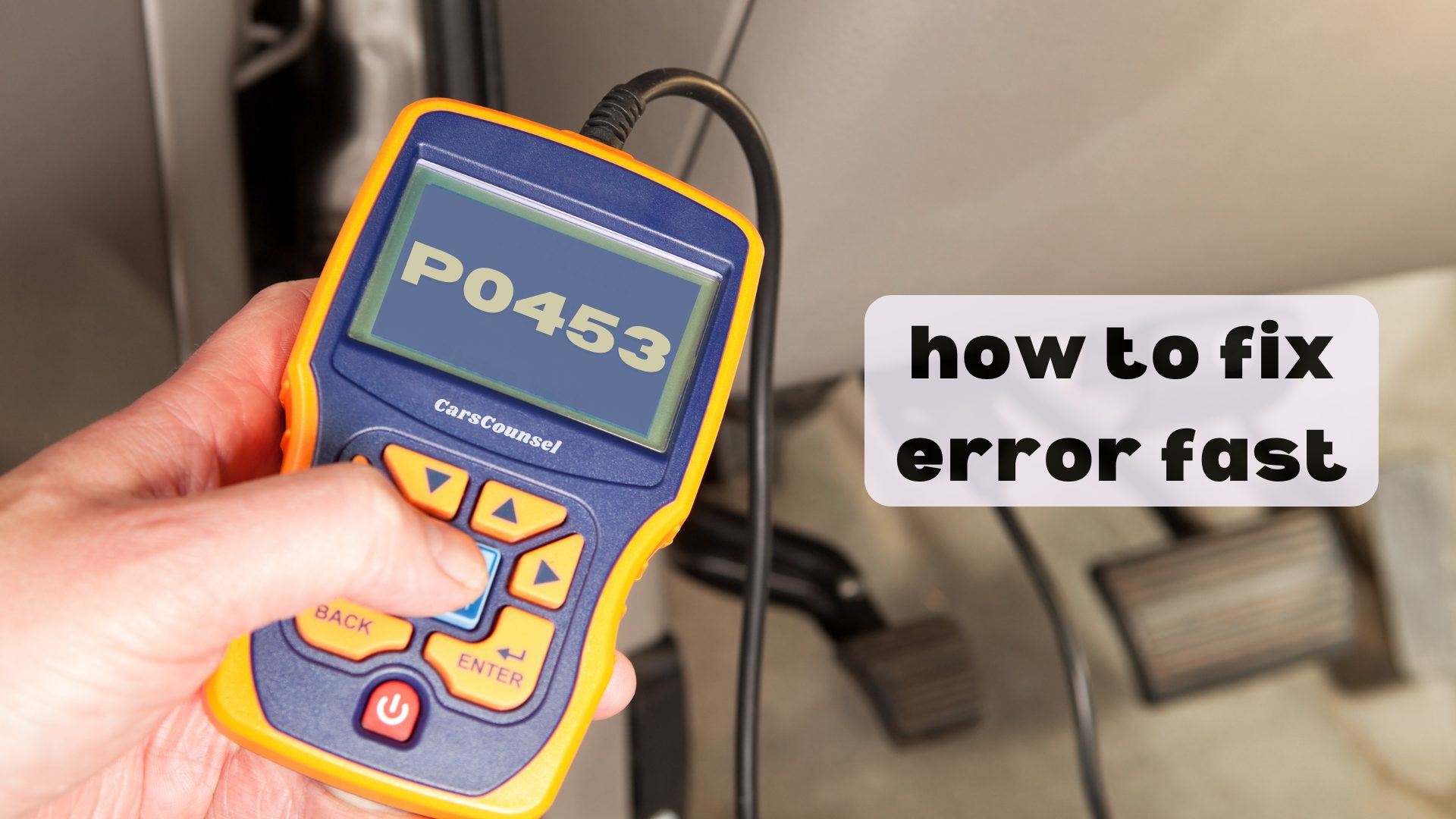
The P0453 code is a generic OBD-II diagnostic trouble code indicating that the evaporative emission system pressure sensor is reporting a high voltage signal. This prevents the powertrain control module from accurately monitoring fuel tank pressure.
Because this is a generic code, the basic definition applies across most vehicles, but exact diagnostic procedures vary by manufacturer. Testing is required to confirm whether the sensor, wiring, or control module is the root cause.
Quick Navigation
Key Takeaways
- P0453 indicates the fuel tank pressure sensor signal voltage is higher than the expected maximum threshold.
- Possible causes include a failed pressure sensor, an open or shorted signal circuit, or a poor electrical connection.
- Symptoms typically include an illuminated Check Engine Light and potentially failed emissions inspections.
- Diagnosis involves inspecting the sensor wiring and testing the signal circuit against manufacturer specifications.
P0453 Code Description and Implications
P0453 is a generic powertrain code related to the evaporative emission control (EVAP) system. The system captures fuel vapors and routes them to the engine to be burned, preventing them from escaping into the atmosphere.
The fuel tank pressure sensor monitors pressure changes inside the fuel tank during EVAP system self-tests. When the powertrain control module detects a signal voltage from this sensor exceeding the normal operating range, it sets the P0453 code.
A high voltage reading typically indicates an open circuit or a short to voltage in the sensor’s signal wire. This prevents the module from verifying EVAP system integrity, which may cause the vehicle to fail an emissions inspection.
Common Causes of the P0453 Code
Possible causes for a high voltage condition in the fuel tank pressure sensor circuit include a failed fuel tank pressure sensor. Internal sensor faults can cause the signal output to remain pegged at maximum voltage.
Wiring issues are also a primary suspect. An open circuit in the signal wire, a short to a voltage source, or a broken ground wire can cause the module to read high voltage.
Corroded, loose, or damaged electrical connectors at the sensor or the powertrain control module can interrupt the signal path. In some instances, a faulty control module may misinterpret a normal signal, though this is less likely.
Symptoms Associated With P0453
The most noticeable symptom of a P0453 code is an illuminated Check Engine Light. Because the EVAP system operates primarily during specific monitor conditions, drivers rarely notice changes in engine drivability or fuel economy.
The vehicle may fail an emissions inspection because the EVAP monitor cannot complete its self-test. In some applications, a strong fuel odor may be present if the underlying issue also involves a physical leak or stuck purge valve.
Diagnosing the P0453 Trouble Code
Diagnosis begins by retrieving the trouble code and checking for related EVAP codes. Use a scan tool to view the live data for the fuel tank pressure sensor.
Compare the sensor reading to the barometric pressure reading with the fuel cap removed. A sensor reading a high voltage fault will typically display an abnormally high pressure value or max out the scan tool’s parameter.
Inspect the wiring harness and connectors at the sensor for physical damage, corrosion, or chafing. Test the sensor’s reference voltage, ground, and signal circuits according to the manufacturer’s specific wiring diagram and pinout specifications.
Repairing the P0453 Issue
Repairs depend on the confirmed root cause. If the wiring inspection reveals damaged wires or corroded pins, repairing the harness or cleaning the connectors may resolve the issue.
If the reference voltage and ground circuits are verified intact but the signal remains pegged high, replacing the fuel tank pressure sensor is typically the next step. Use a component meeting the correct vehicle specification.
If all wiring and the sensor test correctly, the powertrain control module may require further diagnosis or replacement, following the exact manufacturer service procedure.
Cost Considerations for P0453 Repairs
Repair costs for the P0453 code vary based on the underlying fault, component accessibility, and local labor rates.
Replacing a fuel tank pressure sensor involves minimal parts costs, but labor can increase if the sensor requires dropping the fuel tank.
Repairing damaged wiring involves mostly labor time. Cost depends on diagnostic time, component accessibility, required parts, programming requirements, and labor.
Prevention Strategies for Future Occurrences
Inspecting exposed wiring harnesses near the fuel tank can help identify developing damage from road debris or corrosion before it causes an open circuit.
Keeping electrical connectors clean and ensuring their weather seals are intact may reduce moisture intrusion that leads to circuit faults.
Troubleshooting Tips and Best Practices
Do not assume the fuel tank pressure sensor has failed without testing the wiring first. Open circuits and broken ground wires mimic a failed sensor by causing high signal voltage.
Always consult the specific manufacturer wiring diagram. Pinouts and voltage specifications vary between vehicles, and guessing wire functions can lead to misdiagnosis or module damage.
Check for applicable technical service bulletins, as manufacturers occasionally release updated sensor designs or wiring harness repair kits for chronic EVAP circuit faults.
More OBD-II Codes
| P0445 | P0446 | P0449 | P0450 |
| P0451 | P0452 | P0455 | P0456 |
| P0462 | P0463 | P0480 | P0481 |
| P0440 | P0441 | P0442 | P0444 |
| P1050 | P1017 | P1062 | P1083 |
| P1084 | P1086 | P1088 | P1090 |
Frequently Asked Questions
Is P0453 a generic OBD-II code?
Yes. P0453 is a generic code, meaning its basic definition applies across most vehicle makes. However, exact diagnostic procedures and component locations vary by manufacturer.
Can I drive with a P0453 code?
Driving is usually unaffected by this code. The EVAP system controls emissions rather than engine drivability. However, the vehicle will likely fail an emissions inspection until the issue is repaired.
Will a loose gas cap cause a P0453 code?
No. A loose gas cap typically causes an EVAP leak code, such as P0455 or P0456. P0453 specifically indicates an electrical high voltage condition in the pressure sensor circuit.
Does P0453 mean the fuel tank pressure sensor is definitely broken?
No. The code indicates a high voltage condition in the circuit. Testing is required to confirm whether the sensor itself, the wiring, or the control module is the actual failed component.
Will clearing the P0453 code fix the problem?
Clearing the code does not repair the root cause. If an open circuit or failed sensor exists, the code will return after the EVAP monitor runs its next self-test.
What Should You Do About the P0453 Code?
Confirm the exact factory diagnostic procedure for your specific vehicle make and engine configuration.
Follow the manufacturer’s electrical testing steps to verify the reference, ground, and signal circuits.
Repair or replace the confirmed failed component, then retest the system to ensure the EVAP monitor completes successfully.

