P1086 is a manufacturer-specific powertrain code, and its exact definition depends on the vehicle application. It may indicate a fuel control mixture that is too rich, or a tumble generator valve position sensor circuit fault.
Because definitions vary significantly by manufacturer, exact application verification is required. The code indicates a detected condition, and proper diagnosis depends on following the specific manufacturer’s diagnostic workflow before replacing parts.
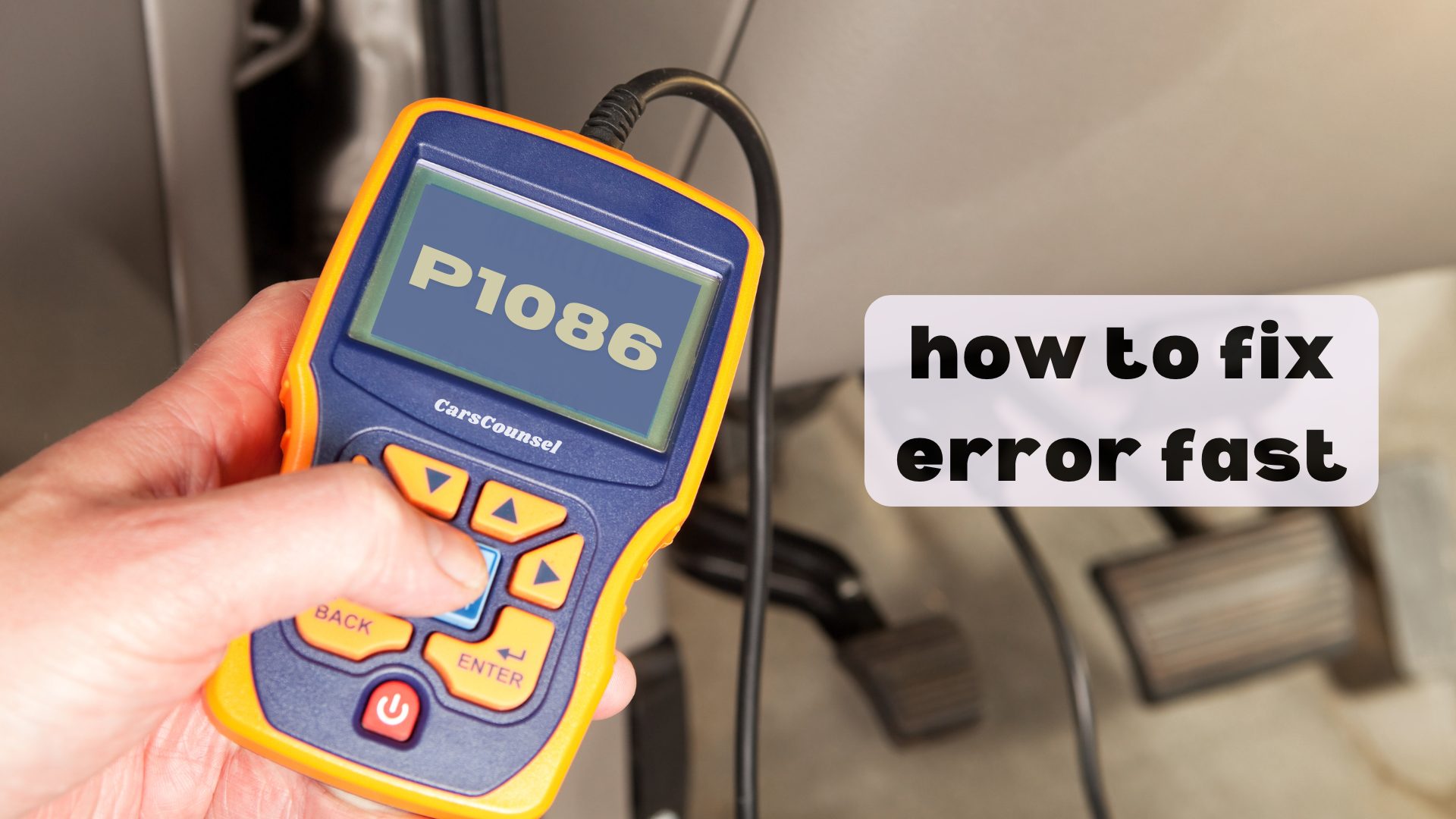
Quick Navigation
Key Takeaways
- P1086 is a manufacturer-specific code with different definitions for BMW, MINI, and Subaru applications.
- On BMW and MINI applications, it typically indicates a fuel control mixture that is too rich on Bank 2 Sensor 1.
- On Subaru applications, it indicates a Tumble Generator Valve (TGV) #2 position sensor circuit low input.
- Proper diagnosis requires verifying the exact code definition for your specific vehicle before replacing any components.
P1086 Code Description and Implications
P1086 is a manufacturer-specific error code, meaning its exact definition depends entirely on the vehicle application. It does not have one universal monitored system.
BMW and MINI applications: P1086 indicates a fuel control limit where the mixture is too rich on Bank 2 Sensor 1. The engine control module detects that the fuel trim has reached its maximum rich correction limit for that specific bank.
Subaru applications: P1086 indicates a Tumble Generator Valve (TGV) #2 left-hand position sensor circuit low input. The TGV system controls intake airflow to improve low-speed torque and emissions, and the control module monitors the sensor signal to verify valve position.
When a control module detects a parameter outside its expected range, it stores a code and may illuminate the Check Engine Light on your dashboard.
Common Causes of the P1086 Code
Diagnostic trouble codes stem from various electrical, mechanical, and environmental factors specific to the monitored system.
For BMW and MINI fuel mixture applications: Possible causes include a leaking fuel injector on Bank 2, a failing upstream oxygen sensor providing inaccurate data, or restricted air filters limiting airflow. Unmetered air or fuel pressure regulator issues may also contribute.
For Subaru TGV applications: Possible causes include severe carbon buildup binding the TGV flaps, a failing TGV position sensor, or damaged wiring and connectors in the sensor circuit.
Symptoms Associated With P1086
Symptoms vary widely depending on the specific system affected and the severity of the detected condition.
On BMW and MINI applications: You may notice decreased fuel efficiency, a strong fuel odor from the exhaust, rough idling, or engine misfires due to the excessively rich air-fuel condition.
On Subaru applications: Symptoms often include rough idling, poor low-end torque, or hesitation during acceleration due to restricted or uncontrolled intake airflow.
MIL behavior varies by application. Some vehicles may illuminate the Check Engine Light immediately, while others may require multiple drive cycles to command it.
Diagnosing the P1086 Trouble Code
Diagnosis must begin by confirming the exact make, model, year, and engine to determine the correct factory definition.
For BMW and MINI applications: Review live fuel trim data and oxygen sensor waveforms to confirm the rich condition on Bank 2. Inspect the fuel injectors for leaks and verify fuel pressure. Check the oxygen sensor operation before condemning the sensor itself.
For Subaru applications: Inspect the TGV assembly for carbon buildup that may physically bind the valves. Test the position sensor reference, signal, and ground circuits according to the manufacturer procedure to identify open or shorted wiring.
Repairing the P1086 Issue
Repairs must follow confirmed diagnostic testing to address the root cause of the fault.
If wiring damage or connector corrosion is found, repair the harness and ensure proper environmental sealing.
If a fuel injector is confirmed to be leaking, or if an oxygen sensor fails manufacturer testing, replace it with a component meeting the exact vehicle specification.
On Subaru applications, if carbon buildup is confirmed, cleaning the TGV housing and flaps may resolve the issue if the motor and sensor test correctly.
Cost Considerations for P1086 Repairs
Cost depends on diagnostic time, component accessibility, required parts, programming requirements, and labor.
Replacing an oxygen sensor or cleaning a TGV assembly is generally straightforward. However, diagnosing complex fuel delivery issues or replacing integrated intake manifold components requires more labor and specialized equipment.
Prevention Strategies for Future Occurrences
Inspecting exposed wiring harnesses and ensuring electrical connectors remain clean and dry can help prevent intermittent circuit faults.
On applications using relevant intake systems, maintaining proper crankcase ventilation and using top-tier fuel may help reduce carbon accumulation that binds mechanical valves like the Subaru TGVs.
Troubleshooting Tips and Best Practices
Do not assume a generic code description or a definition from one brand applies to your vehicle. Always verify the exact factory definition for your specific application.
Check for technical service bulletins related to software updates or revised components. For example, certain applications require a specific ECM relearn procedure after any intake or fuel system component replacement to prevent false codes.
More OBD-II Codes
| P1062 | P1083 | P1084 | P0599 |
| P0600 | P0601 | P1088 | P1090 |
| P1092 | P1094 | P1096 | P1098 |
| P0172 | P0174 | P0131 | P0132 |
| P0723 | P0771 | P0511 | P0727 |
| P0783 | P1632 | P2404 | U1064 |
Frequently Asked Questions
Is P1086 a generic OBD-II code?
No. P1086 is a manufacturer-specific code. Its exact definition depends on the vehicle application, and it can refer to a rich fuel mixture or a tumble generator valve sensor fault.
Can I drive my car with a P1086 code?
Driving safety depends on the specific application and symptoms. If the vehicle experiences severe misfires, stalling, or a rich fuel condition that damages the catalyst, driving is not recommended until diagnosed.
Will a P1086 code cause an emissions test failure?
Yes. Because P1086 relates to emissions monitors, fuel trim, or powertrain systems on most applications, an active code will likely cause the vehicle to fail an OBD-II emissions inspection.
Does P1086 mean the catalytic converter is bad?
No. While a rich condition can eventually damage the catalyst, P1086 points to the underlying fuel mixture or intake valve issue, not catalyst efficiency. Catalyst codes typically start with P0420 or P0430.
Can I clear the P1086 code by disconnecting the battery?
Disconnecting the battery may temporarily clear the code, but it does not repair the underlying fault. It also resets readiness monitors, which can cause the vehicle to fail an emissions inspection.
What Should You Do About the P1086 Code?
Confirm the exact factory definition for any stored codes based on your specific vehicle make, model, and engine configuration. Because P1086 is manufacturer-specific, following the applicable diagnostic procedure is essential.
Inspect the relevant system and components for confirmed faults. Repair or replace the confirmed failed components, then retest the system and complete the necessary drive cycles to verify the repair.

