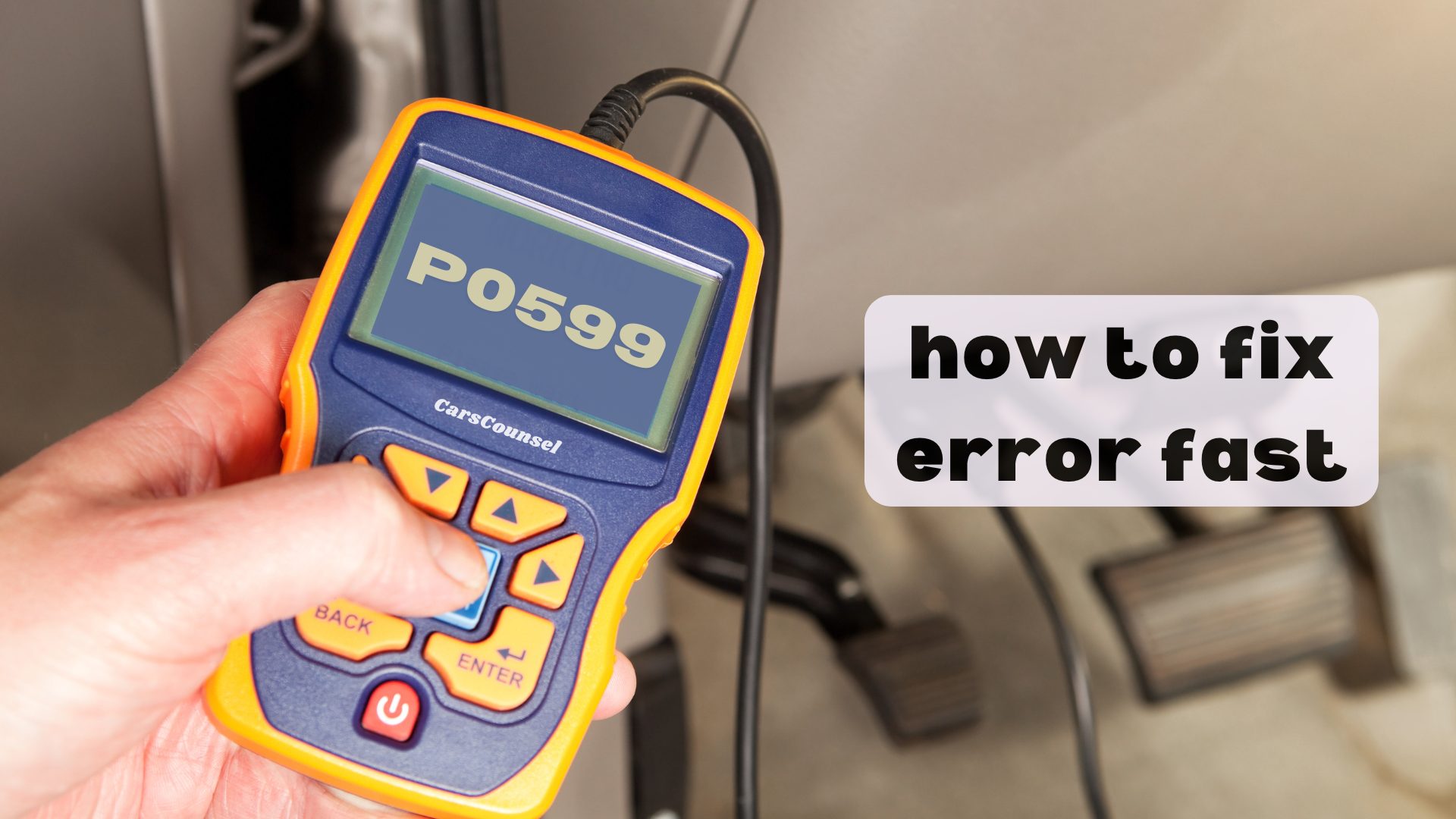
P0599 is a generic OBD-II diagnostic trouble code indicating the Powertrain Control Module detected a high voltage condition in the thermostat heater control circuit. This circuit manages the electronic heating element inside mapped thermostats.
This code identifies an electrical circuit condition rather than confirming a single failed component. The underlying cause could involve damaged wiring, corroded connectors, or a failed thermostat heater element, requiring targeted electrical diagnosis.
Quick Navigation
Key Takeaways
- P0599 indicates the control module detected an open circuit or high voltage condition in the electronic thermostat heater control circuit.
- Possible causes include a failed thermostat heating element, damaged wiring harness, corroded connectors, or internal control module faults.
- Diagnosis requires inspecting the wiring, testing the heater circuit resistance, and verifying live engine temperature data.
- Repairs depend on the confirmed root cause and may involve wiring repair, connector replacement, or complete thermostat replacement.
P0599 Code Description and Implications
P0599 indicates that the Powertrain Control Module (PCM) has detected a high voltage condition in the control circuit for the electronic thermostat heater.
Many modern vehicles use a map-controlled thermostat with an integrated heating element.
This allows the PCM to open the thermostat earlier under heavy engine loads to prevent detonation and improve cooling capacity.
A circuit high condition means the module sees an open circuit or a short to voltage when it attempts to ground the heater control circuit.
Because P0599 is a generic code, this fundamental electrical monitoring logic applies across various vehicles from multiple manufacturers.
However, the exact component location, wiring diagrams, and diagnostic troubleshooting steps vary considerably depending on the specific vehicle application.
When diagnosing error codes related to electronic cooling systems, generic diagnostic paths cannot account for manufacturer-specific pinouts or heater resistance specifications.
Common Causes of the P0599 Code
The underlying causes for a thermostat heater circuit high code generally involve the heater element, the control wiring, or the module itself.
Failed Thermostat Heater Element: The internal heating coil inside the electronic thermostat may fail open, preventing current from flowing through the circuit.
Wiring and Connector Issues: Damaged wiring, chafed insulation, or corroded connectors in the control circuit between the PCM and the thermostat can interrupt the signal.
Faulty PCM: In uncommon instances, an internal driver failure within the control module may prevent it from properly grounding the heater control circuit.
Symptoms Associated With P0599
The prominent symptom is the illumination of the Check Engine Light.
Depending on the manufacturer’s fail-safe strategies, the engine cooling fans may default to running continuously at high speed to protect the engine.
Drivers may notice the engine takes longer to reach normal operating temperature, as the thermostat remains in its default mechanical opening temperature.
Fuel efficiency may decrease slightly, and cabin heater performance may be delayed during cold starts.
Diagnosing the P0599 Trouble Code
Diagnosis must begin by confirming the exact factory service information and wiring diagrams for the vehicle’s specific engine.
Start by visually inspecting the wiring harness and connectors at the electronic thermostat for physical damage, coolant intrusion, or corrosion.
Use a digital multimeter to test the resistance of the thermostat heater element and compare it to the manufacturer’s specifications.
Verify the continuity of the control circuit between the thermostat connector and the PCM.
Use a scan tool capable of displaying live data to monitor commanded and actual coolant temperatures during a test drive.
If the external wiring and heater element resistance test correctly, the fault may lie within the control module itself.
Repairing the P0599 Issue
Repairs must follow confirmed diagnosis. Never replace engine cooling components solely based on the presence of the code without verifying circuit integrity.
If external wiring damage or connector corrosion is found, repair the harness and secure the connections before re-evaluating the system.
If electrical testing confirms the thermostat heater element has failed its resistance test, replace the electronic thermostat assembly.
On most applications, the heating element is integrated into the thermostat housing and cannot be serviced separately.
If all external circuits and the heater element test correctly, follow the manufacturer’s diagnostic procedure to evaluate the control module.
Cost Considerations for P0599 Repairs
Repair costs vary considerably depending on the confirmed root cause and the specific vehicle application.
Repairing damaged wiring or replacing a corroded connector involves standard electrical labor and minimal parts costs.
Replacing an electronic thermostat involves moderate parts costs and labor to drain partial coolant and access the housing.
Cost depends on diagnostic time, component accessibility, required parts, programming requirements, and labor.
Prevention Strategies for Future Occurrences
Preventing electronic cooling circuit codes requires attention to the engine bay environment and coolant system integrity.
Inspecting the engine wiring harness for interference with moving components or excessive heat exposure near the exhaust can help identify developing chafing.
Keeping electrical connectors clean and ensuring protective boots are intact helps prevent coolant leaks from intruding into the thermostat connector.
Addressing minor coolant leaks promptly prevents corrosion from forming on the heater circuit terminals.
Troubleshooting Tips and Best Practices
Always check for Technical Service Bulletins related to P0599 for your specific vehicle application.
Manufacturers may release updated wiring harness repair kits, revised thermostat housings, or software updates to address known heater circuit faults.
Do not assume the engine is overheating simply because a thermostat heater code is present.
The mechanical wax element inside the electronic thermostat still functions as a fail-safe, usually opening at a higher temperature to prevent catastrophic overheating.
If the cooling fans are running constantly, this is a normal fail-safe response by the PCM to protect the engine when the heater circuit is compromised.
More OBD-II Codes
| P0571 | P0572 | P0573 | P0562 |
| P0560 | P0556 | P0600 | P0601 |
| P0602 | P0603 | P0604 | P0605 |
| P0597 | P0598 | P0117 | P0118 |
| P0111 | P0112 | P0113 | P0480 |
| P0121 | P0122 | P0123 | P0107 |
Frequently Asked Questions
Is the P0599 code generic or manufacturer-specific?
P0599 is a generic SAE-defined OBD-II code. Its fundamental definition regarding a high voltage condition in the thermostat heater control circuit applies across various manufacturers, though exact diagnostic steps vary.
Will a P0599 code cause my engine to overheat?
Not necessarily. Electronic thermostats have a mechanical wax fail-safe that opens at a higher temperature. The engine may run hotter than optimal under load, but catastrophic overheating is prevented by the fail-safe and default fan operation.
Can I drive my vehicle with a P0599 code?
Driving short distances is usually possible, but extended driving or heavy loads are not recommended. The PCM may default the cooling fans to high speed, and engine efficiency will decrease without electronic thermostat mapping.
Does P0599 mean the entire thermostat must be replaced?
In most applications, the heating element is permanently integrated into the thermostat housing. If the heater element fails its resistance test, the complete electronic thermostat assembly must be replaced.
Will disconnecting the battery clear the P0599 code?
Disconnecting the battery may temporarily clear the code, but it does not repair the underlying electrical fault. It also erases valuable freeze frame data and resets readiness monitors, complicating professional diagnosis.
What Should You Do About the P0599 Code?
Confirm the exact factory definition and diagnostic procedure for your specific vehicle application before attempting repairs.
Do not assume the engine cooling system requires major mechanical repairs based solely on the presence of the diagnostic trouble code.
Inspect the external wiring and connectors, verify the heater element resistance, and review live coolant temperature data to rule out external electrical faults.
Follow the applicable manufacturer diagnostic workflow to isolate the relevant system and components before replacing the electronic thermostat.

