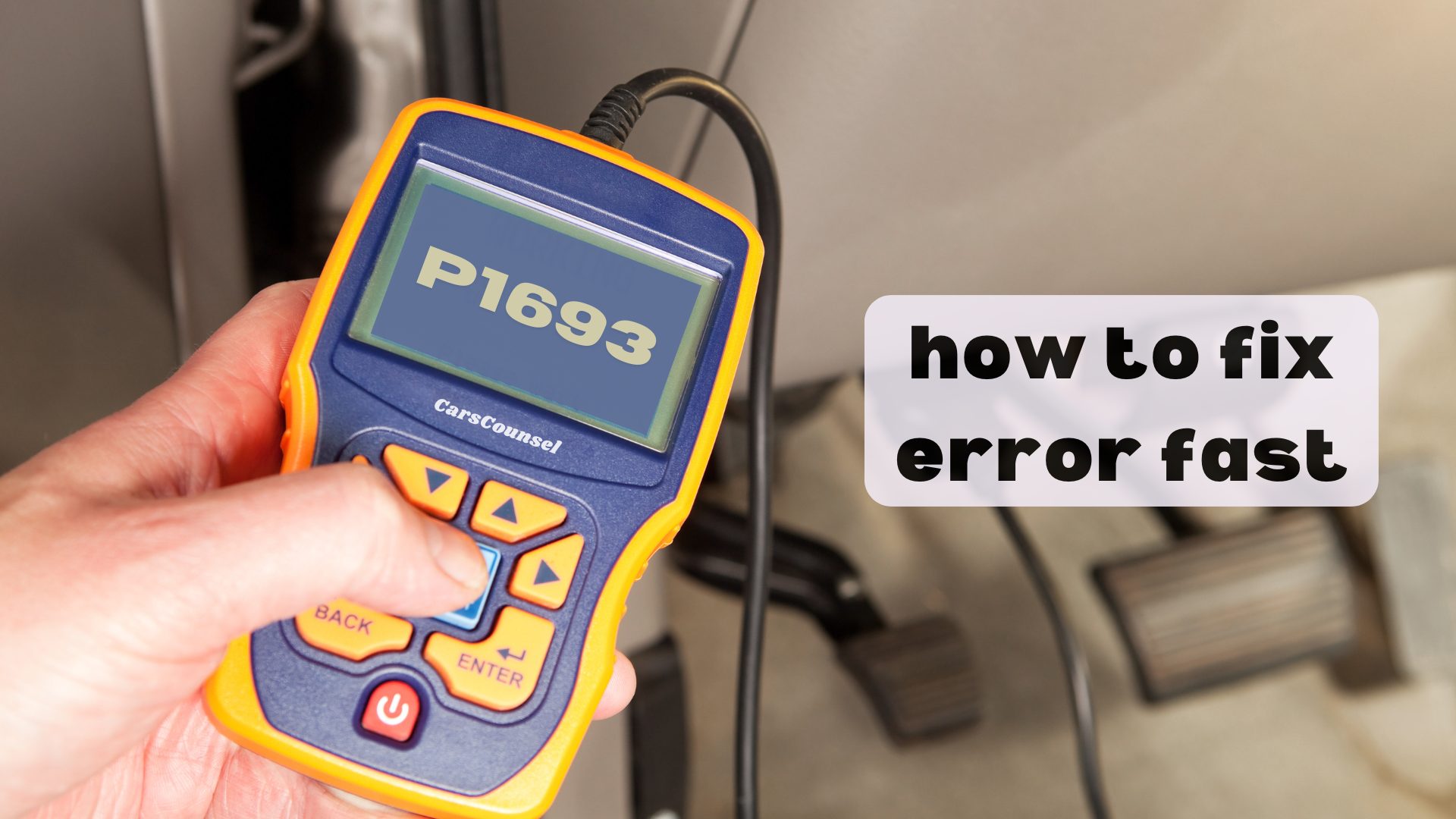
Among trouble codes, P1693 is a manufacturer-specific powertrain definition predominantly used by Dodge, Ram, and Cummins diesel applications. It indicates that a diagnostic trouble code has been detected in a companion control module.
Because this code acts as an alert rather than a specific component failure, the exact diagnostic path requires scanning the secondary module. The DTC alone does not prove a hardware failure, but points to another active fault.
Quick Navigation
Key Takeaways
- Condition detected: The primary module detected that the companion module has stored an active fault code.
- Dual-module scan required: Diagnosis requires reading codes from both the engine control module and the powertrain control module to find the root cause.
- No direct component failure: P1693 is a status indicator, not a confirmation of a failed sensor, wiring harness, or control module.
- Application specific: This code is heavily associated with Dodge and Ram trucks equipped with Cummins diesel engines.
P1693 Code Description and Implications
P1693 is a manufacturer-specific code, primarily found on Dodge and Ram vehicles with Cummins diesel engines.
Dodge and Ram Cummins applications: P1693 indicates “DTC Detected in Companion Module.” The vehicle uses two primary modules that communicate over a data bus. When one module detects a fault, it sets a code.
The other module detects this event and sets P1693 to alert the technician that a code exists in the companion module. This code does not identify a broken part. It simply means you must scan the other module.
Common Causes of the P1693 Code
- Active fault in the companion module: The most frequent cause is a genuine issue in the secondary module, such as a fuel system fault, sensor failure, or emissions code.
- Communication bus errors: Intermittent drops in the data bus communication between the ECM and PCM can cause false companion module alerts.
- Module software glitches: Outdated calibration or temporary software hangs in either the ECM or PCM can trigger false P1693 alerts.
- Aftermarket tuning devices: Performance programmers or delete tunes that alter module communication parameters can frequently trigger companion module codes.
Symptoms Associated With P1693
Possible symptoms include:
- Illuminated Check Engine Light or Wait To Start light.
- The presence of other, more specific diagnostic trouble codes in the companion module.
- No direct drivability symptoms from P1693 itself; any performance issues are caused by the underlying fault in the companion module.
- Potential limp mode or engine derate if the underlying companion code is severe.
Diagnosing the P1693 Trouble Code
Diagnosing a companion module code requires a capable scan tool and the vehicle’s specific service information. The first step is to verify the exact factory definition for your specific application.
A professional diagnostic workflow includes:
- Scan both modules: Use a scan tool to read codes from both the ECM and the PCM. Identify the specific codes stored in the companion module.
- Diagnose the companion codes: Follow the manufacturer diagnostic procedures for the specific codes found in the secondary module. P1693 will typically clear once the root cause codes are resolved.
- Check communication networks: If no other codes are found, inspect the communication bus wiring between the modules for corrosion or damage.
- Check for aftermarket devices: Remove any performance tuners or aftermarket code-clearing devices to see if the communication stabilizes.
Repairing the P1693 Issue
Repairs must follow the diagnosis of the companion codes, not P1693 itself. Never replace the control modules based solely on this alert code.
- Address underlying faults: Repair the specific sensor, wiring, or mechanical issue identified by the companion module’s codes.
- Clear and retest: Once the underlying faults are repaired and cleared, P1693 should clear automatically or via the scan tool.
- Module service: Only if network testing confirms a module has internally failed and cannot communicate, follow the applicable ECM or PCM replacement procedure.
Cost Considerations for P1693 Repairs
The cost to resolve a P1693 code depends entirely on the underlying fault stored in the companion module.
If the companion code is a simple sensor, the cost is minimal. If it involves major fuel system components, the price will be higher. Diagnosing the network involves standard electrical diagnostic time.
Prevention Strategies for Future Occurrences
While software glitches are not always predictable, you can protect the vehicle’s communication network from common electrical issues.
- Maintain the electrical system: Ensure battery terminals and ground straps are clean and tight to prevent communication bus voltage drops that can confuse the modules.
- Use quality tuning devices: If modifying the vehicle, use reputable programmers, as cheap devices often corrupt module communication and trigger false companion codes.
Troubleshooting Tips and Best Practices
- Do not replace the ECM or PCM: Do not replace modules just because P1693 is present. This code is an alert, not a module failure indicator.
- Always scan both modules: Many basic code readers only pull codes from one module, leaving the actual problem hidden while P1693 remains visible on the dashboard.
- Check for TSBs: Some applications have Technical Service Bulletins regarding ECM or PCM software updates to resolve chronic communication bugs between the modules.
More OBD-II Codes
| P1684 | P1685 | P1686 | P1687 |
| P1688 | P1689 | P1694 | P1695 |
| P1700 | P1701 | P1702 | P1703 |
| U0001 | U0100 | U0140 | P0600 |
| P0601 | P0602 | P0603 | P0604 |
| P0605 | P0606 | P0607 | P1690 |
Frequently Asked Questions
Can I clear a P1693 code without fixing anything?
You can clear it with a scan tool, but it will immediately return if the companion module still has an active fault. You must diagnose and repair the underlying codes stored in the secondary module to permanently resolve the issue.
Does P1693 mean my ECM or PCM is broken?
No. P1693 simply means one module detected that the other module has stored a fault code. It is a communication alert, not an indication that either control module has suffered an internal hardware failure.
Will a bad battery cause a P1693 code?
Yes. Low system voltage or poor battery connections can cause temporary communication drops on the data bus between the ECM and PCM. This voltage instability can trigger false companion module codes alongside other erratic electrical faults.
Can an aftermarket tuner trigger P1693?
Yes. Aftermarket performance tuners, delete kits, or code-clearing devices often alter the communication parameters between the ECM and PCM. If the modules cannot sync properly, the system will flag a companion module communication fault.
Is it safe to drive with a P1693 code?
It depends entirely on the underlying codes stored in the companion module. P1693 itself does not affect drivability, but the hidden fault causing it could trigger limp mode, severe engine damage, or unsafe operating conditions.
What Should You Do About the P1693 Code?
Because the P1693 code indicates a fault detected in a companion module, it requires scanning both the ECM and PCM rather than replacing parts based on this single code. Confirm the exact factory definition for your vehicle.
Read the codes from both modules, diagnose the specific underlying faults found in the companion module, and repair the confirmed root causes. Clear the codes and verify the repair.

