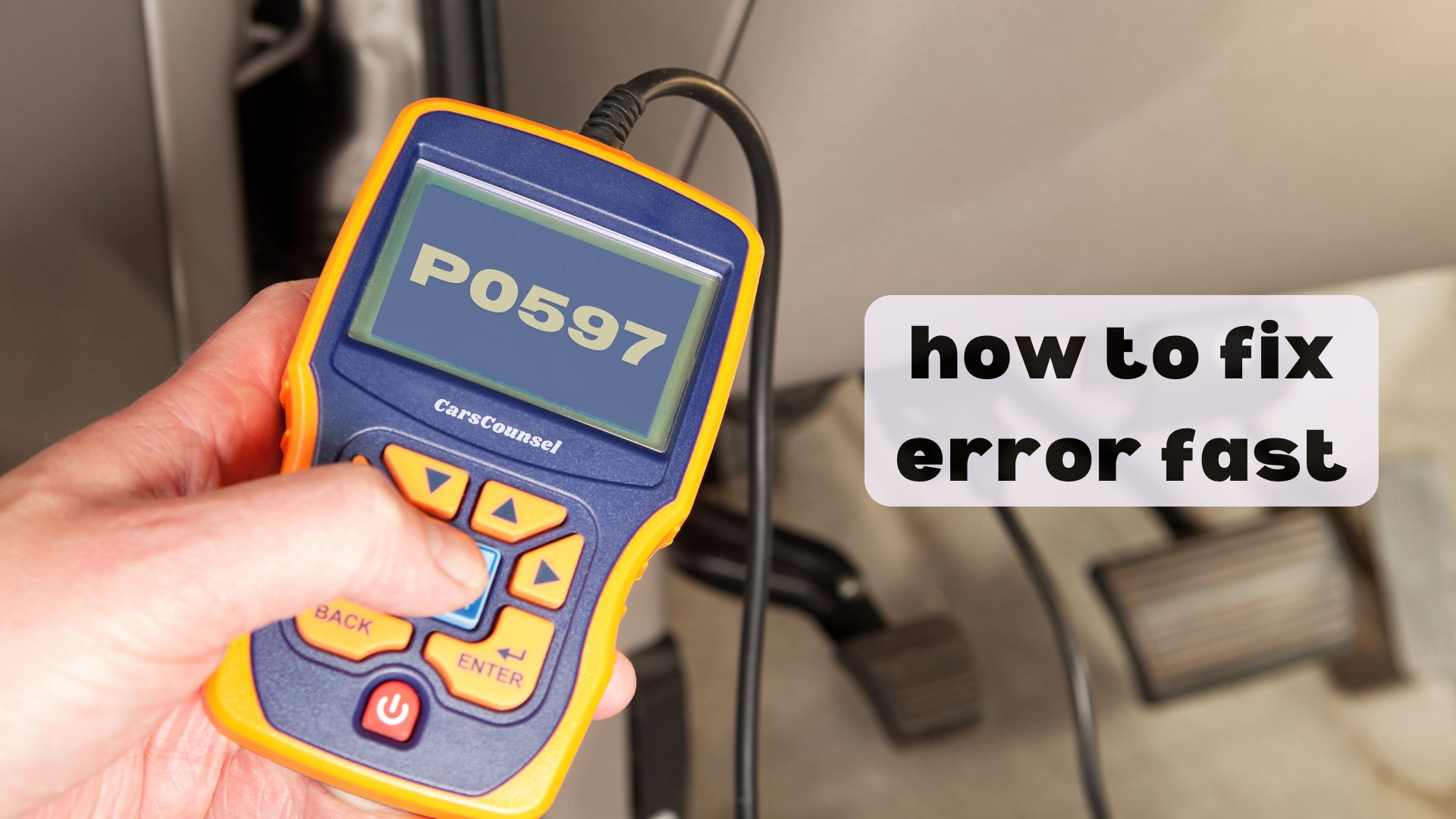
Among OBD2 codes, P0597 is a generic powertrain definition indicating a Thermostat Heater Control Circuit/Open. It means the engine control module detected an open circuit in the heating element control circuit of an electronically controlled thermostat.
Because this code points to an electrical circuit fault rather than a purely mechanical failure, the exact diagnostic path depends on your vehicle’s specific cooling system architecture. Testing the wiring, fuses, and thermostat heater element is required to identify the root cause.
Quick Navigation
Key Takeaways
- Circuit fault detected: The PCM has identified an open circuit in the mapped thermostat’s heater control, preventing active thermal management.
- Mechanical default: When the heater fails, the thermostat typically reverts to standard wax-element mechanical operation, which may cause the engine to run cooler than optimal.
- Electrical diagnosis required: Troubleshooting involves checking circuit fuses, inspecting wiring for breaks, and measuring the resistance of the thermostat heating element.
- Related codes: P0597 often appears alongside P0598, P0599, or P0128, which help pinpoint whether the issue is electrical or related to actual coolant temperature regulation.
P0597 Code Description and Implications
The P0597 code is a generic SAE definition for a Thermostat Heater Control Circuit/Open. Some modern vehicles use an electronically controlled, or “mapped,” thermostat. This component contains a traditional wax element alongside an electric heating element controlled by the engine control module (PCM).
The PCM uses the heater to open the thermostat earlier than the wax element would allow, optimizing engine temperature for emissions, performance, and cabin heating under varying load conditions. When the PCM commands the heater on but detects an open circuit, it stores the P0597 code.
This code does not prove the thermostat is mechanically stuck. It only confirms an electrical fault in the heater circuit. Without the heater, the thermostat will typically operate purely mechanically, which may result in longer warm-up times or suboptimal operating temperatures under heavy load.
Common Causes of the P0597 Code
- Open circuit in wiring: A broken wire, damaged harness, or severed trace between the PCM and the thermostat connector can interrupt the circuit.
- Failed thermostat heater element: The internal heating coil inside the thermostat assembly can burn out or break, creating an open circuit.
- Blown fuse or power loss: A blown fuse supplying voltage to the thermostat heater circuit will prevent operation and trigger an open circuit code.
- Poor electrical connections: Corroded, bent, or loose pins at the thermostat connector or PCM can disrupt electrical continuity.
- PCM failure: In rare cases, an internal fault within the engine control module may prevent it from properly monitoring or controlling the circuit.
Symptoms Associated With P0597
Possible symptoms include:
- Illuminated Check Engine Light (MIL).
- Engine running cooler than the target temperature, particularly during warm-up or under high load.
- Reduced fuel economy and increased emissions due to suboptimal engine operating temperatures.
- Delayed cabin heater output during cold starts.
- In some applications, the cooling fan may default to running continuously as a fail-safe measure.
Diagnosing the P0597 Trouble Code
Diagnosing a P0597 code requires a digital multimeter and the vehicle’s specific wiring diagrams. The first step is to verify the exact factory definition and circuit layout for your specific make and model.
A standard diagnostic workflow includes:
- Scan for related codes: Check for P0598, P0599, or P0128 to determine if the issue is strictly electrical or affecting overall temperature regulation.
- Inspect fuses and power: Verify that the fuses supplying the thermostat heater circuit are intact and that battery voltage reaches the connector.
- Visual inspection: Check the wiring harness and connector at the thermostat for physical damage, corrosion, or coolant intrusion.
- Measure heater resistance: Disconnect the thermostat and measure the resistance across the heater element pins. Compare the reading to the manufacturer’s specification. An infinite reading indicates an open internal element.
- Check circuit continuity: If the thermostat tests within specification, check the wiring harness for continuity between the PCM and the thermostat connector.
Repairing the P0597 Issue
Repairs must follow confirmed diagnosis. Never replace the PCM or thermostat based solely on the presence of a P0597 code.
- Wiring repair: If testing confirms an open or broken wire in the harness, repair or replace the affected wiring using proper automotive-grade soldering and sealing methods.
- Connector service: Clean corroded terminals and apply dielectric grease. Replace the connector pigtail if the pins are damaged or spread.
- Thermostat replacement: If the internal heater element measures open or outside the manufacturer’s specified resistance range, replace the thermostat assembly.
- Fuse replacement: If a blown fuse is found, replace it with the correct amperage rating and investigate the underlying cause of the overload.
Cost Considerations for P0597 Repairs
The cost to resolve a P0597 code depends on the root cause, diagnostic time, and component accessibility.
If the issue is a blown fuse or minor wiring repair, the cost primarily involves diagnostic labor. If the thermostat requires replacement, the price includes the integrated part and the labor for draining and refilling the cooling system.
Prevention Strategies for Future Occurrences
While internal heating element failures are often unpredictable, you can protect the external cooling system circuits from common environmental damage.
- Inspect connectors: During routine cooling system service, check the thermostat electrical connector for signs of coolant leaks, which can cause severe corrosion.
- Protect wiring: Ensure the wiring harness near the thermostat is routed away from extreme heat sources like the exhaust manifold and is secured against engine vibration.
- Maintain coolant: Use the correct coolant mixture and replace it at recommended intervals to prevent corrosive buildup that could degrade sensor housings and connectors.
Troubleshooting Tips and Best Practices
- Do not assume the thermostat is mechanically stuck: P0597 is strictly an electrical circuit code. A mechanically stuck thermostat usually triggers a P0128 code instead.
- Check for coolant leaks: Coolant leaking onto the thermostat connector can wick into the wires and cause corrosion or short circuits further up the harness.
- Verify scan tool data: Use a scan tool to monitor the commanded state of the thermostat heater and compare it against the actual coolant temperature readings to understand the system’s behavior.
- Consider integrated components: On many verified applications, the thermostat, housing, and coolant temperature sensor are a single sealed unit. Attempting to replace just the heater element is usually not possible.
More OBD-II Codes
| P0581 | P0579 | P057C | P0573 |
| P0572 | P0571 | P0598 | P0599 |
| P0600 | P0601 | P0602 | P0603 |
| P0117 | P0118 | P0480 | P0481 |
| P0135 | P0141 | P0155 | P0161 |
| P0121 | P0122 | P0123 | P0131 |
Frequently Asked Questions
Can a bad battery cause a P0597 code?
No. P0597 specifically indicates an open circuit in the thermostat heater control. While low system voltage can cause various electrical glitches, an open circuit code points to a broken wire, failed heating element, or blown fuse rather than general battery weakness.
Will a P0597 code clear itself?
If the underlying fault was a temporary connection issue that has since been resolved, the code may eventually clear after successful monitor operation. However, a failed internal heater element will not repair itself, and the vehicle should be properly diagnosed.
Is it safe to drive with a P0597 code?
It is generally safe for short distances, as the thermostat will usually default to mechanical operation. However, prolonged driving with a cold-running engine can increase wear, reduce fuel economy, and elevate emissions. Prompt diagnosis is recommended.
Does P0597 mean my engine is overheating?
No. P0597 indicates a failure in the thermostat’s electric heater, which typically causes the engine to run cooler than optimal, not hotter. Overheating is more commonly associated with a mechanically stuck closed thermostat or cooling system leaks.
Can I replace just the thermostat heater?
On many verified applications, the electric heating element is permanently integrated into the thermostat housing. If the heater fails, the manufacturer procedure typically requires replacing the entire thermostat assembly as a single sealed unit.
What Should You Do About the P0597 Code?
Because the P0597 code indicates an open circuit in the electronic thermostat heater, it requires systematic electrical diagnosis rather than trial-and-error parts replacement. Confirm the exact factory definition and circuit layout for your specific vehicle application.
Inspect the thermostat wiring, connectors, and relevant fuses for physical damage or corrosion. Measure the resistance of the thermostat heater element and verify circuit continuity. Follow the manufacturer’s diagnostic procedure to isolate the faulty component, repair the confirmed root cause, and verify the repair.

