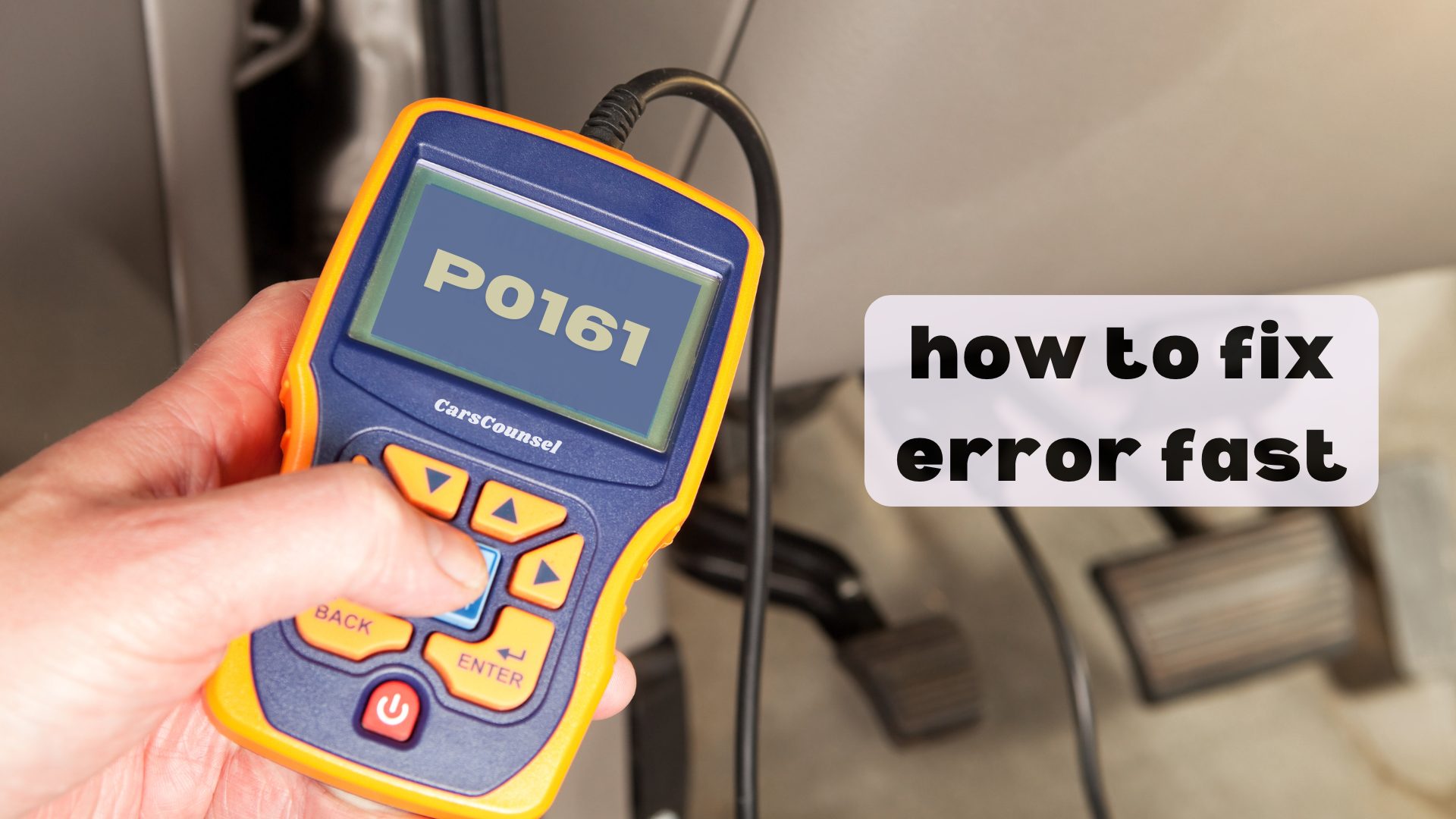
The P0161 code is a generic OBD-II diagnostic trouble code indicating a malfunction in the heated oxygen sensor heater circuit for bank 2, sensor 2. The powertrain control module detects an unexpected voltage or current condition.
Because P0161 is a generic circuit code, it points to an electrical fault rather than a confirmed failed part. Testing the wiring, fuses, and sensor heater element is necessary to identify the exact root cause.
Quick Navigation
Key Takeaways
- P0161 is a generic OBD-II code indicating an electrical fault in the bank 2, sensor 2 oxygen sensor heater circuit.
- Possible causes include a failed sensor heater element, damaged wiring, a blown fuse, or corroded connectors.
- Symptoms include an illuminated check engine light and a failed emissions test, with rare drivability issues.
- Diagnosis involves inspecting the heater circuit, checking the relevant fuse, and testing the sensor’s internal resistance.
P0161 Code Description and Implications
The PCM monitors the oxygen sensor heater circuits to ensure the sensors reach operating temperature quickly. Bank 2 refers to the engine bank that does not contain cylinder 1. Sensor 2 refers to the downstream sensor, located after the catalytic converter.
When the PCM detects an open, short, or out-of-range current in this specific heater circuit, it sets this error code.
Because this is a generic code, the fundamental definition remains consistent across all automakers, though specific wiring diagrams and fuse locations vary.
Common Causes of the P0161 Code
Possible causes include a failed internal heater element within the bank 2, sensor 2 oxygen sensor.
Damaged, chafed, or broken wiring in the heater control or power circuits can interrupt the current flow.
A blown fuse supplying power to the oxygen sensor heater circuit will prevent the heater from activating.
Corroded, loose, or fluid-contaminated electrical connectors at the sensor or PCM can also cause this fault.
Symptoms Associated With P0161
The primary symptom of a P0161 code is an illuminated check engine light on the dashboard.
Because this code affects the downstream sensor’s heater circuit, drivers rarely experience rough idling, stalling, or reduced engine power.
The vehicle will likely fail an emissions inspection because the downstream sensor cannot reach the temperature required to monitor catalyst efficiency.
Diagnosing the P0161 Trouble Code
Diagnosis begins by verifying the exact factory service information and checking the fuse that supplies power to the oxygen sensor heater circuit.
Technicians visually inspect the bank 2, sensor 2 wiring and connectors for physical damage, melting, or corrosion.
A digital multimeter is used to measure the internal resistance of the sensor’s heater element and verify the circuit continuity back to the PCM.
Repairing the P0161 Issue
If a blown fuse is found, the cause of the short must be identified before replacing the fuse and clearing the code.
If testing confirms the wiring harness is damaged, repairing the circuit and protecting the wires resolves the electrical fault.
If the sensor’s internal heater element fails the resistance test, replacing the confirmed failed oxygen sensor is required.
Cost Considerations for P0161 Repairs
Repair costs vary depending on the underlying fault and component accessibility. Replacing a downstream oxygen sensor involves moderate parts and labor costs.
Repairing extensive wiring damage or diagnosing complex electrical shorts requires additional diagnostic time and labor.
Cost depends on diagnostic time, component accessibility, required parts, programming requirements, and labor.
Prevention Strategies for Future Occurrences
Inspecting exposed exhaust wiring harnesses and connectors can help identify developing damage from heat exposure or road debris.
Addressing oil or coolant leaks promptly helps prevent fluid contamination of the sensor connectors, which can degrade the heater circuit over time.
Troubleshooting Tips and Best Practices
Never assume a heater circuit code automatically requires replacing the oxygen sensor. Always verify the heater fuse, wiring continuity, and connector condition first.
Clearing the code without repairing the electrical fault will only result in the monitor failing again during the next drive cycle.
If P0161 is accompanied by catalyst efficiency codes, the diagnosis must address the combined system faults rather than treating them in isolation.
More OBD-II Codes
| P0155 | P0156 | P0150 | P0141 |
| P0136 | P0135 | P0170 | P0171 |
| P0172 | P0173 | P0174 | P0201 |
| P0130 | P0131 | P0132 | P0133 |
| P0420 | P0430 | P0202 | P0203 |
| P0300 | P0440 | P0455 | P0456 |
Frequently Asked Questions
Is P0161 a generic OBD-II code?
Yes. P0161 is a generic OBD-II code, meaning its core definition regarding a bank 2, sensor 2 oxygen sensor heater circuit malfunction applies universally across all vehicle makes and models.
Can I drive my vehicle with a P0161 code?
Yes, you can generally drive the vehicle, as a downstream heater circuit fault rarely affects engine drivability or safety. However, the vehicle will fail an emissions inspection until the repair is completed.
Will a P0161 code cause the engine to stall?
No. The downstream oxygen sensor monitors catalyst efficiency and does not directly control fuel trim or ignition timing. A heater circuit fault will not cause stalling, misfires, or severe power loss.
Can a bad catalytic converter trigger a P0161 code?
No. A failing catalytic converter triggers catalyst efficiency codes like P0420 or P0430. P0161 specifically indicates an electrical malfunction within the oxygen sensor’s internal heater circuit or its wiring.
How do I test the oxygen sensor heater circuit?
Technicians test the circuit by checking the heater fuse, verifying power and ground at the connector, and measuring the sensor’s internal heater resistance with a multimeter against manufacturer specifications.
What Should You Do About the P0161 Code?
Confirm the exact factory diagnostic procedure for your specific vehicle, then inspect the bank 2, sensor 2 heater circuit for physical damage or blown fuses.
Because P0161 indicates an electrical fault in the relevant system and components, testing the sensor, wiring, and power supply is required to find the root cause.
Once the fault is confirmed, perform the necessary repairs and verify the fix by clearing the codes and completing the O2 sensor monitor drive cycle.

