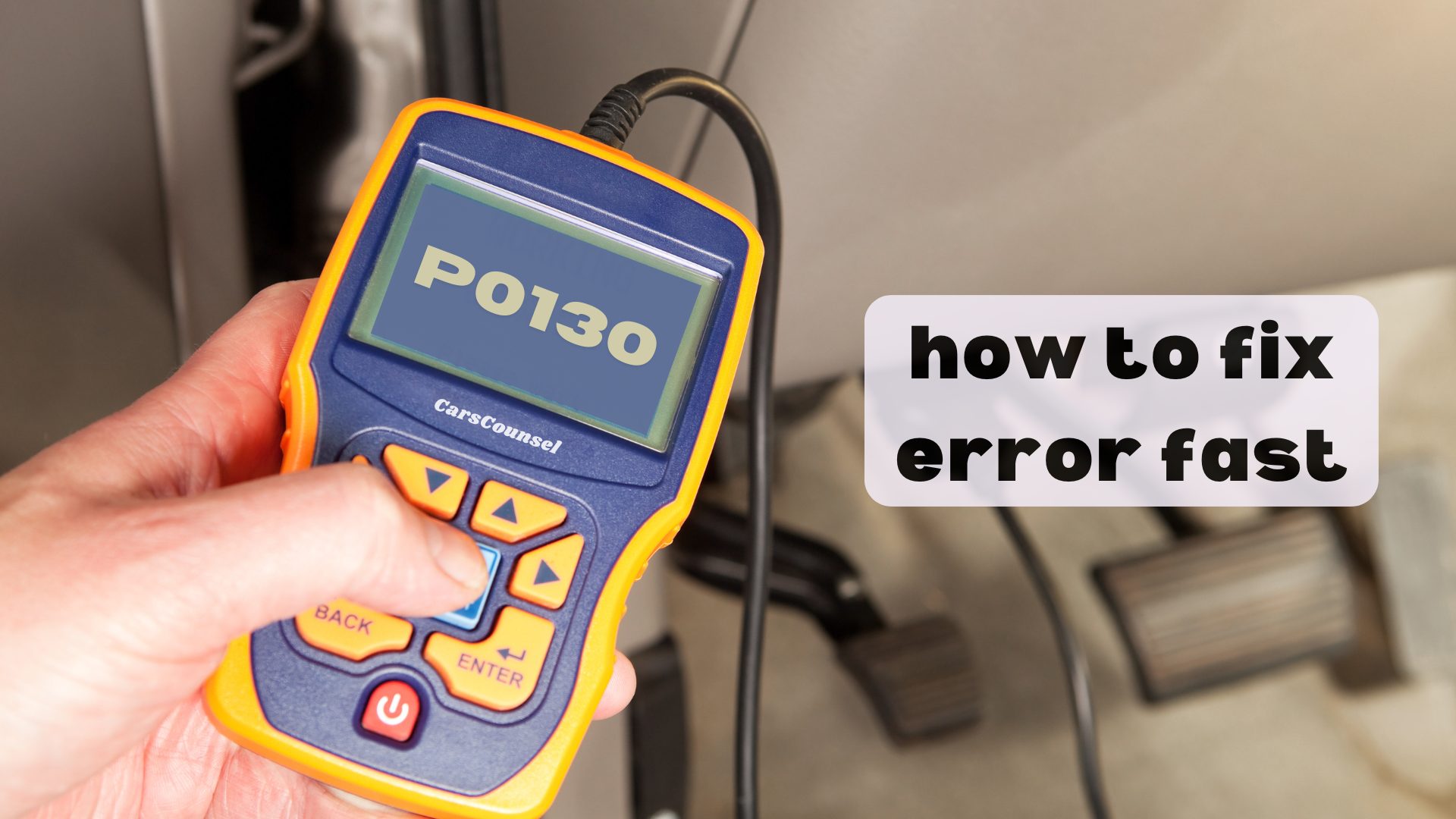
The P0130 code is a generic OBD-II diagnostic trouble code indicating a circuit malfunction for the Bank 1 Sensor 1 oxygen sensor. The powertrain control module has detected an unexpected voltage signal or circuit condition.
Because this code identifies an electrical or signal fault, it does not automatically prove the sensor has failed. Testing the wiring, connectors, and sensor output is required to identify the root cause.
Quick Navigation
Key Takeaways
- P0130 indicates a signal or electrical circuit fault in the upstream oxygen sensor on Bank 1.
- Possible causes include damaged wiring, corroded connectors, exhaust leaks, or an internally failed sensor.
- Symptoms typically include an illuminated check engine light and decreased fuel efficiency.
- Diagnosis requires monitoring live sensor data and testing the circuit before replacing parts.
P0130 Code Description and Implications
The P0130 code indicates that the powertrain control module has detected a malfunction in the circuit for the Bank 1 Sensor 1 oxygen sensor. This upstream sensor is located before the catalytic converter.
The sensor generates a voltage signal based on the oxygen content in the exhaust. The module uses this data to continuously adjust the fuel mixture for optimal combustion and emissions control.
When the signal voltage stays stuck, falls outside the expected parameters, or the circuit experiences an open or short, the module stores this error code and illuminates the check engine light.
Common Causes of the P0130 Code
Because P0130 identifies an electrical circuit condition, the root cause may involve the wiring, the connector, or the sensor itself. Testing is required to isolate the exact fault.
Wiring and connector damage: The sensor harness routes near the hot exhaust system. Melted insulation, chafed wires, or corroded connector pins can interrupt the signal circuit.
Sensor failure: The internal sensing element within the oxygen sensor may degrade over time, preventing it from generating a valid, switching voltage signal.
Exhaust leaks: A leak upstream of the sensor can draw outside air into the exhaust stream, causing the sensor to read incorrectly and triggering a circuit rationality fault.
Control module issues: In rare cases, a fault within the powertrain control module or a poor module ground can prevent proper circuit monitoring.
Symptoms Associated With P0130
Because Bank 1 Sensor 1 directly controls fuel delivery, a circuit fault will disrupt closed-loop fueling. You may experience decreased fuel efficiency and rough idling.
An illuminated check engine light is the primary indicator. Depending on the exact fault, the engine may run excessively rich or lean, potentially causing a fuel odor or hesitation during acceleration.
If the module defaults to a rich fuel map to protect the engine, fuel consumption will increase noticeably until the circuit is repaired.
Diagnosing the P0130 Trouble Code
Accurate diagnosis begins by confirming the exact factory definition for your specific vehicle. Retrieve freeze frame data and check for related fuel trim codes that might point to a vacuum leak.
Use a scan tool to monitor the Bank 1 Sensor 1 live data. A functioning upstream sensor should rapidly switch between rich and lean voltage thresholds once the engine reaches closed-loop operation.
If the signal is stuck or missing, inspect the wiring harness and connector for heat damage or corrosion. Use a multimeter to verify circuit continuity and check for shorts to ground or voltage.
Repairing the P0130 Issue
Repairs must follow confirmed diagnostic testing. Do not replace the oxygen sensor solely based on the presence of the code, as wiring faults are a known culprit.
If visual inspection reveals damaged wires or corroded pins, repair the harness or replace the connector pigtail. Ensure all repairs are properly sealed against moisture and heat.
If electrical testing and live data confirm the sensor has failed internally, replace it with a component meeting the exact vehicle specification. Clear the codes and verify the repair.
Cost Considerations for P0130 Repairs
Repair costs depend on the confirmed root cause, component accessibility, and local labor rates. Replacing an easily accessible upstream sensor is a straightforward procedure.
If the wiring harness requires extensive repair or if the sensor is seized in the exhaust manifold, labor time will increase. Always factor in the cost of proper diagnostic time.
Prevention Strategies for Future Occurrences
While sensor degradation is a normal wear item, you can protect the wiring harness from premature failure. Ensure that the sensor wires are properly secured away from hot exhaust components.
Addressing minor exhaust leaks promptly prevents excess oxygen from contaminating the sensor element and causing false circuit readings.
Troubleshooting Tips and Best Practices
Always verify which bank is Bank 1 for your specific engine layout. Bank 1 is the side of the engine that contains cylinder number one.
Do not confuse a circuit malfunction code with a simple slow-response code. P0130 indicates a fundamental electrical or signal failure, not just an aging sensor that switches too slowly.
If the code returns immediately after clearing, re-evaluate the wiring harness for intermittent shorts that only occur when the exhaust system heats up and expands.
More OBD-II Codes
| P0123 | P0122 | P0121 | P0118 |
| P0117 | P0113 | P0131 | P0132 |
| P0133 | P0135 | P0136 | P0137 |
| P0138 | P0140 | P0141 | P0150 |
| P0155 | P0156 | P0170 | P0171 |
| P0172 | P0173 | P0174 | P0201 |
Frequently Asked Questions
Is P0130 a generic or manufacturer-specific code?
P0130 is a generic OBD-II code, meaning its baseline definition applies across different vehicle makes. However, the exact diagnostic procedures and voltage parameters vary by manufacturer and engine configuration.
Can an exhaust leak cause a P0130 code?
Yes. An exhaust leak upstream of the sensor can draw outside air into the exhaust stream. This alters the oxygen reading, potentially causing the control module to flag a circuit rationality fault.
Is it safe to drive with a P0130 code?
The vehicle may remain drivable, but the engine will likely default to a rich fuel map. This decreases fuel economy and can eventually overheat or damage the catalytic converter.
Will replacing the sensor always fix P0130?
Not always. P0130 indicates a circuit malfunction, which could be caused by damaged wiring, a corroded connector, or an exhaust leak. The circuit must be tested to confirm sensor failure.
How do I know which side is Bank 1?
Bank 1 is the side of the engine that contains cylinder number one. The exact physical location depends on your specific engine layout, so consult the manufacturer service information.
What Should You Do About the P0130 Code?
Confirm the exact factory definition and wiring diagram for your specific vehicle application. Inspect the Bank 1 Sensor 1 harness and connector for heat damage, corrosion, or physical wear.
Perform targeted electrical testing on the relevant system and components to isolate the fault. Repair the confirmed root cause, then verify the repair by clearing the codes and monitoring live data.

