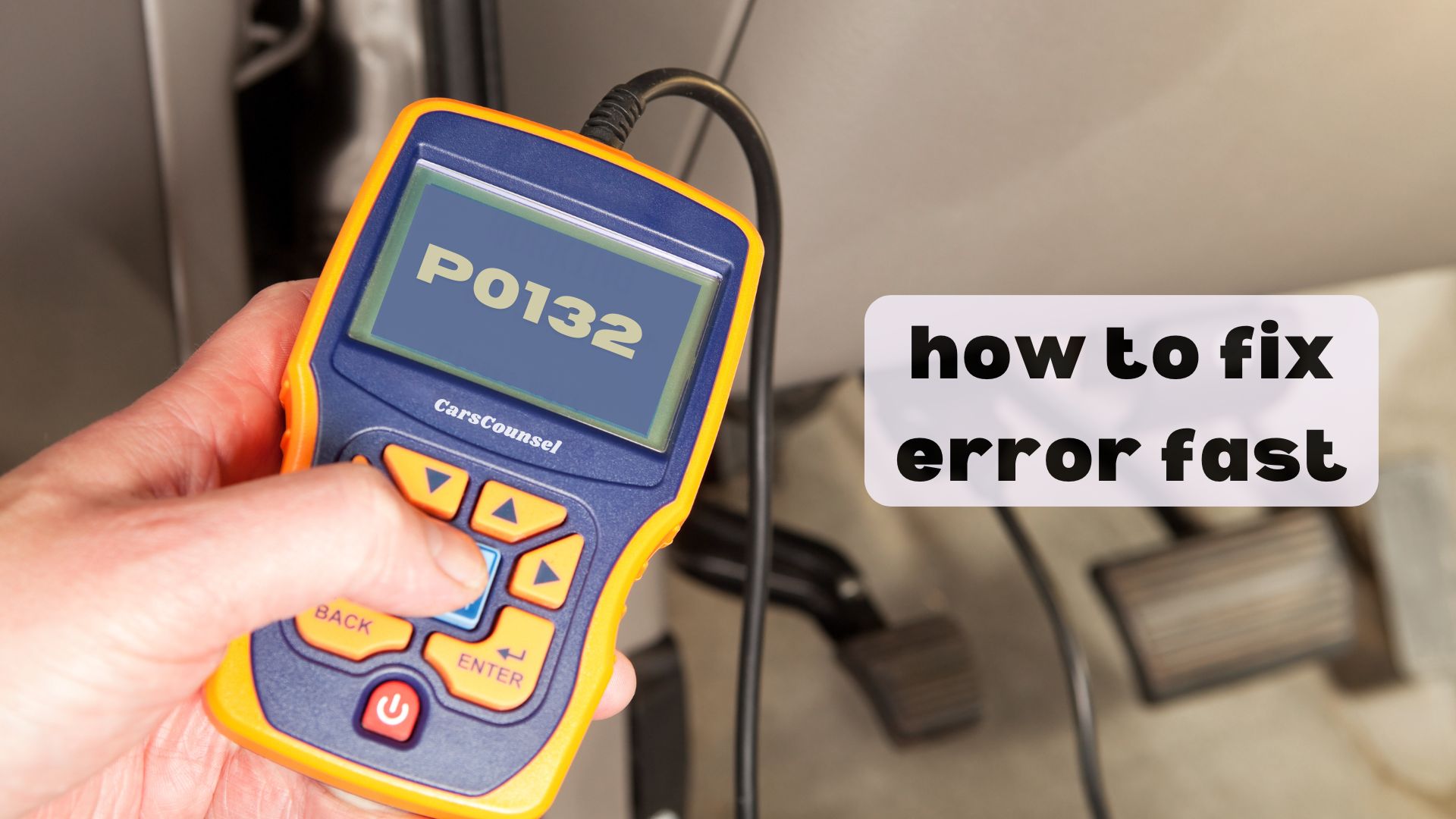
P0132 is a generic OBD-II diagnostic trouble code indicating a high voltage condition in the oxygen sensor circuit for Bank 1 Sensor 1. The powertrain control module detected a signal voltage above the expected normal range.
Because this is a generic code, the definition applies universally, but diagnostic steps vary by vehicle. The code identifies a circuit condition or a genuinely rich exhaust condition, not necessarily a failed oxygen sensor.
Quick Navigation
Key Takeaways
- P0132 is a generic OBD-II code indicating a high voltage fault in the Bank 1 Sensor 1 oxygen sensor circuit.
- The powertrain control module detected a signal voltage above the maximum threshold, which may indicate a short to voltage or an actual rich fuel condition.
- Possible causes include a faulty upstream oxygen sensor, damaged wiring, a failing fuel injector, or an engine running excessively rich.
- Symptoms often include an illuminated Check Engine Light, decreased fuel efficiency, and potentially rough engine performance.
- Diagnosis requires inspecting the sensor wiring, checking fuel trims, and testing the sensor signal with a scan tool or multimeter.
P0132 Code Description and Implications
P0132 is a generic powertrain code, meaning its standardized definition applies across all OBD-II compliant vehicles.
The code indicates an O2 Sensor Circuit High Voltage condition for Bank 1 Sensor 1. This sensor is located upstream of the catalytic converter.
The powertrain control module monitors the voltage signal from this sensor to adjust fuel delivery and maintain the ideal air-fuel ratio.
When the module detects that the sensor signal voltage remains consistently high or exceeds the maximum calibrated threshold, it stores P0132.
This condition prevents the module from accurately controlling fuel trim, which can affect emissions and fuel economy.
Common Causes of the P0132 Code
The underlying cause involves an electrical fault or an actual rich exhaust condition causing the voltage to read too high.
- A short to voltage in the oxygen sensor signal circuit.
- A failed or internally shorted upstream oxygen sensor.
- Damaged, chafed, or corroded wiring in the sensor harness.
- A leaking or stuck-open fuel injector causing a genuinely rich exhaust condition.
- Excessive fuel pressure or a failing fuel pressure regulator.
Symptoms Associated With P0132
Symptoms vary based on whether the high voltage is caused by an electrical fault or a rich fuel condition.
- An illuminated Check Engine Light.
- Decreased fuel efficiency if the engine is actually running rich.
- Poor engine performance, rough idling, or black smoke from the exhaust.
- The vehicle may fail an emissions inspection due to high hydrocarbon or carbon monoxide readings.
MIL behavior varies by application. The control module will illuminate the Check Engine Light upon detecting the circuit fault.
Diagnosing the P0132 Trouble Code
Diagnosis must begin by retrieving the code and checking for related fuel trim or fuel system codes using a scan tool.
View live data to monitor the Bank 1 Sensor 1 voltage and short-term fuel trims. A healthy upstream sensor fluctuates rapidly between rich and lean.
Visually inspect the wiring harness and connectors for heat damage, chafing, or corrosion.
Check the fuel pressure and inspect the fuel injectors for leaks.
Use a multimeter to verify the signal circuit integrity and check for a short to voltage.
Never replace the oxygen sensor based solely on the presence of the code. Confirm the exact circuit failure before proceeding.
Repairing the P0132 Issue
Repairs must follow confirmed electrical or mechanical diagnosis.
If testing confirms a short to voltage in the wiring harness, repair or replace the affected wires and seal the connections.
If the upstream oxygen sensor fails testing or is internally shorted, replace it with a component meeting the correct vehicle specification.
If a fuel injector is leaking or fuel pressure is too high, repair the fuel system components.
If the engine is running excessively rich due to a tuning or sensor issue, diagnose the underlying air-fuel metering fault.
Cost Considerations for P0132 Repairs
Exact repair costs depend heavily on the root cause and component accessibility.
Replacing an upstream oxygen sensor involves different parts and labor times compared to repairing a damaged wiring harness or replacing a fuel injector.
Cost depends on diagnostic time, component accessibility, required parts, programming requirements, and labor.
Prevention Strategies for Future Occurrences
Electrical faults in the exhaust system are often difficult to predict.
Inspecting exposed exhaust wiring can help identify developing damage from heat, vibration, or chafing before it causes a short circuit.
Keeping electrical connector seals intact may reduce moisture intrusion and corrosion in the sensor circuits.
Addressing engine misfires or oil consumption issues promptly can help prevent contamination of the oxygen sensors.
Troubleshooting Tips and Best Practices
Always consult the exact manufacturer wiring diagram for your vehicle to identify the specific signal and heater circuits for Bank 1 Sensor 1.
Do not assume a failed oxygen sensor is the primary cause without verifying that the wiring harness is intact and free of shorts to power.
Ensure the engine is at normal operating temperature during diagnosis, as oxygen sensors require high heat to generate a voltage signal.
If your vehicle is subject to an applicable technical service bulletin regarding oxygen sensor wiring harness overlays or software updates, verify its applicability.
More OBD-II Codes
| P0117 | P0118 | P0121 | P0122 |
| P0123 | P0131 | P0133 | P0137 |
| P0138 | P0140 | P0172 | P0220 |
| P0130 | P0136 | P0141 | P0150 |
| P0171 | P0174 | P0300 | P0420 |
| P0430 | P0440 | P0455 | P0456 |
Frequently Asked Questions
Is the P0132 code generic or manufacturer-specific?
Yes. P0132 is a generic OBD-II code, meaning its definition as a Bank 1 Sensor 1 circuit high voltage fault is standardized across all compliant vehicles.
Can I drive my car with a P0132 code?
You can generally drive the vehicle, but if the engine is running excessively rich, it may damage the catalytic converter over time. Prompt diagnosis is recommended.
Will P0132 cause my engine to run poorly?
If the high voltage is caused by an actual rich fuel condition, you may experience poor performance, rough idling, or decreased fuel economy. An electrical short may not affect drivability.
Can a bad fuel injector cause a P0132 code?
Yes. A leaking or stuck-open fuel injector can cause the engine to run excessively rich, leading to high oxygen sensor voltage and triggering the code.
Can I clear the P0132 code by disconnecting the battery?
Disconnecting the battery may temporarily erase the code, but it does not repair the underlying electrical fault or rich condition. The code will return once the monitor runs.
What Should You Do About the P0132 Code?
Confirm the exact wiring diagram for your specific vehicle application, then follow the applicable diagnostic procedure.
Because P0132 is a generic code, the definition is universal, but the physical layout of the sensor circuit varies by manufacturer.
Inspect the relevant system and components, perform targeted electrical tests, and confirm the root cause before replacing any parts.

