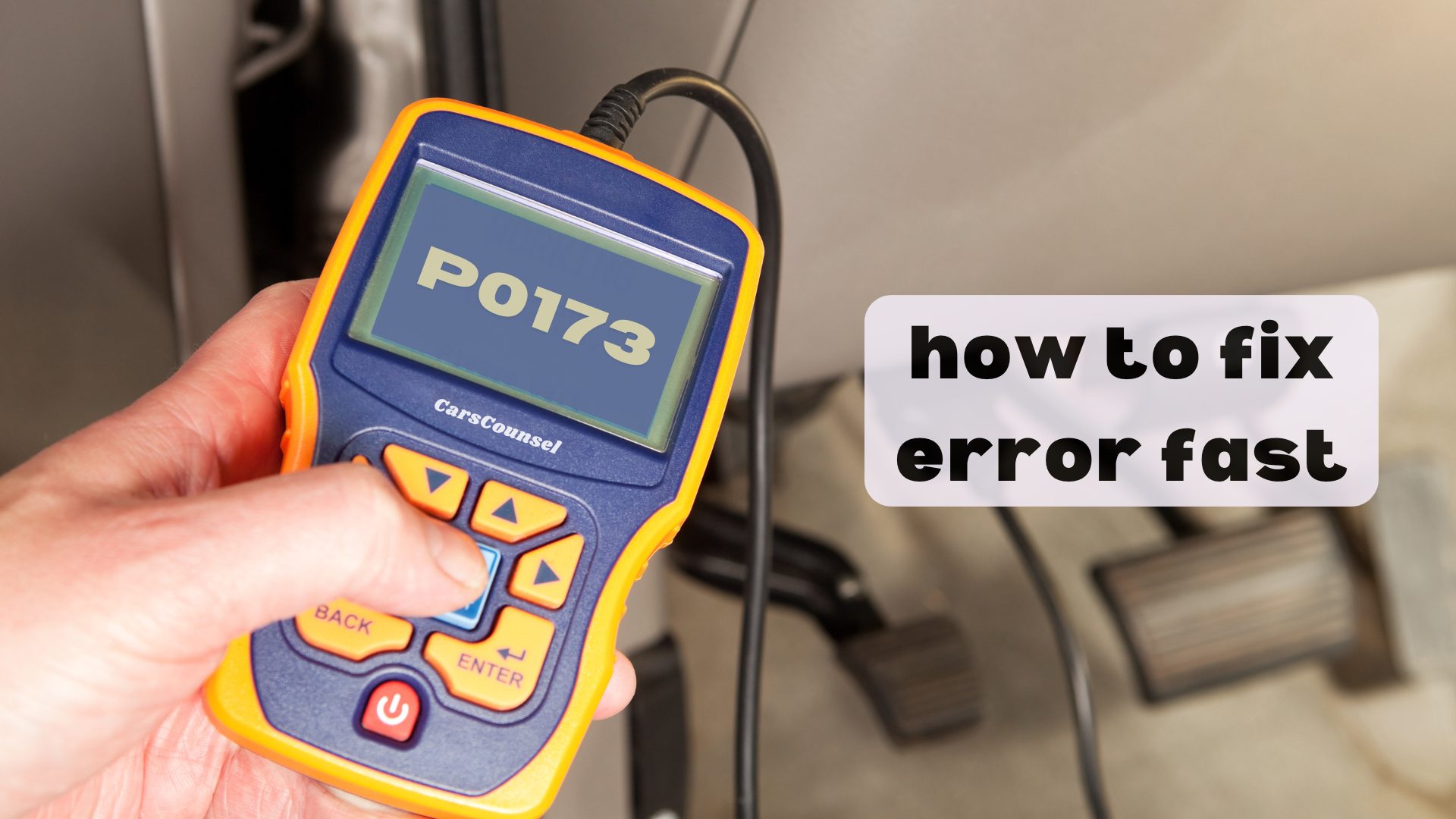
The P0173 code is a generic OBD-II diagnostic trouble code indicating a fuel trim malfunction on Bank 2 of the engine. This means the powertrain control module has detected that the fuel adaptation limits have been exceeded.
Because this code identifies a detected condition rather than a single failed part, exact diagnosis depends on your specific vehicle application. Testing is required to determine whether a vacuum leak, sensor issue, or fuel delivery problem is responsible.
Quick Navigation
Key Takeaways
- P0173 indicates that the engine control module cannot properly adjust the air-fuel mixture on Bank 2.
- Common underlying causes include unmetered air entering the intake, fuel delivery restrictions, or faulty sensor readings.
- Diagnosing the root cause requires checking for vacuum leaks, verifying fuel pressure, and analyzing live sensor data.
- Ignoring this condition may eventually lead to degraded engine performance or damage to downstream emissions components.
P0173 Code Description and Implications
The P0173 code indicates that the powertrain control module has detected a fuel trim malfunction on Bank 2. Fuel trim represents the continuous adjustments the computer makes to the fuel injector pulse width to maintain an optimal air-fuel ratio.
When short-term and long-term fuel trim values reach their maximum adaptive limits, the system can no longer compensate for the underlying discrepancy. This condition prevents the engine from maintaining proper stoichiometry during closed-loop operation.
If the mixture remains uncorrected, it may eventually overheat or damage the catalytic converter and other downstream emissions components. Addressing the root cause restores proper fuel control and prevents secondary failures.
Common Causes of the P0173 Code
Because P0173 is a generic code, the exact diagnostic path depends on your specific vehicle application. However, several underlying conditions frequently push fuel trims beyond their adaptation limits.
Unmetered air entry: Vacuum leaks in the intake manifold, deteriorated hoses, or failing gaskets allow extra oxygen into the combustion chambers. The oxygen sensors detect this lean condition, forcing the fuel trims to their positive limits.
Sensor inaccuracies: A contaminated mass air flow sensor or a failing oxygen sensor can provide false data regarding the incoming air or exhaust oxygen content. This misleads the fuel control strategy.
Fuel delivery restrictions: A weak fuel pump, clogged filter, or malfunctioning fuel injector may prevent adequate fuel volume from reaching Bank 2, causing a persistent lean condition.
Exhaust leaks: Leaks upstream of the Bank 2 oxygen sensors can draw outside air into the exhaust stream, tricking the sensors into reporting a lean mixture.
Symptoms Associated With P0173
Depending on the underlying fault and the severity of the fuel trim deviation, you may notice several drivability concerns. In some applications, the only initial symptom is an illuminated check engine light.
As the condition worsens, you might experience rough idling, hesitation during acceleration, or a general lack of engine power. A persistent rich or lean condition may also produce a noticeable fuel or exhaust odor.
Prolonged operation outside the optimal air-fuel ratio can lead to decreased fuel economy and elevated tailpipe emissions. MIL behavior and specific symptom presentation vary by manufacturer and engine configuration.
Diagnosing the P0173 Trouble Code
Accurate diagnosis begins by confirming the exact factory definition and technical service bulletins for your specific make, model, and engine. Retrieve freeze frame data to understand the operating conditions when the code set.
Monitor live data to observe Bank 2 short-term and long-term fuel trims, mass air flow readings, and oxygen sensor voltages. Compare these values against Bank 1 to determine if the issue is isolated to one side of the engine.
Perform a thorough visual inspection of the intake tract and vacuum lines. A smoke test is often required to pinpoint small, hidden vacuum leaks that disrupt the air-fuel calculation.
Verify fuel pressure and volume at the fuel rail to rule out delivery restrictions. If intake and fuel systems check out, evaluate the mass air flow and oxygen sensors according to the manufacturer’s electrical testing procedures.
Repairing the P0173 Issue
Repairs must follow confirmed diagnostic testing rather than trial-and-error parts replacement. The appropriate fix depends entirely on the verified root cause of the fuel trim deviation.
If a vacuum leak is confirmed, replace the deteriorated hoses, intake gaskets, or manifold components. If a mass air flow sensor is contaminated, careful cleaning with an approved electronic cleaner may resolve the issue.
When testing confirms a failed oxygen sensor or a restricted fuel delivery component, replace the faulty part with one meeting the exact vehicle specification. Clear the codes and perform a test drive to verify that the fuel trims return to normal parameters.
Cost Considerations for P0173 Repairs
Repair costs vary significantly based on the confirmed root cause, component accessibility, and local labor rates. A simple vacuum hose replacement may be relatively inexpensive, while diagnosing an intermittent sensor issue requires more labor time.
Mass air flow sensor replacements or fuel pump services generally involve moderate parts and labor costs. Comprehensive diagnostic time can add to the final invoice if multiple systems must be evaluated to isolate the fault.
Prevention Strategies for Future Occurrences
While not all fuel trim malfunctions can be prevented, maintaining the integrity of the intake and fuel systems reduces the likelihood of adaptation limit faults.
Inspecting exposed vacuum lines and intake boots for cracking or dry rot during routine service can help identify developing leaks before they trigger a diagnostic trouble code.
Using high-quality fuel and replacing the engine air filter at recommended intervals helps prevent excessive contamination from reaching the mass air flow sensor element.
Troubleshooting Tips and Best Practices
Always verify the exact application before assuming a universal diagnostic path. Some manufacturers define P0173 specifically as a rationality fault between the mass air flow sensor and the oxygen sensors.
Avoid replacing oxygen sensors solely based on the presence of an error code. The sensors are often accurately reporting a genuine mechanical issue, such as a vacuum leak or fuel pressure drop.
Check for related codes like P0170, P0171, or P0174. If both banks show fuel trim malfunctions simultaneously, the root cause is likely a global issue like a failing mass air flow sensor or a systemic fuel delivery problem.
More OBD-II Codes
| P0172 | P0171 | P0170 | P0161 |
| P0156 | P0155 | P0174 | P0201 |
| P0202 | P0203 | P0204 | P0205 |
| P0100 | P0101 | P0130 | P0131 |
| P0135 | P0136 | P0141 | P0150 |
| P0300 | P0420 | P0430 | P0111 |
Frequently Asked Questions
Is P0173 a generic or manufacturer-specific code?
P0173 is a generic OBD-II code, meaning its baseline definition applies across different vehicle makes. However, the exact diagnostic procedures and adaptation limits vary by manufacturer and engine configuration.
Can a dirty mass air flow sensor cause P0173?
Yes. Contamination on the mass air flow sensor element can cause it to under-report incoming air. This forces the computer to miscalculate fuel delivery, eventually pushing the Bank 2 fuel trims beyond their adaptive limits.
Will P0173 cause my vehicle to fail an emissions test?
It is highly likely. A fuel trim malfunction indicates the engine is not maintaining the required stoichiometric air-fuel ratio. This typically results in elevated tailpipe emissions and an automatic failure during standardized testing.
Is it safe to drive with a P0173 code?
While the vehicle may remain drivable for a short distance, prolonged operation with extreme fuel trims can damage the catalytic converter or cause internal engine wear. Prompt diagnosis is recommended to prevent costly secondary damage.
Does P0173 mean my Bank 2 oxygen sensor is broken?
Not necessarily. The oxygen sensor may be functioning perfectly while accurately reporting a lean or rich condition caused by a vacuum leak or fuel delivery issue. Component testing is required before confirming sensor failure.
What Should You Do About the P0173 Code?
Confirm the exact factory definition and diagnostic procedure for your specific vehicle application. Retrieve live data to observe the fuel trim limits and identify whether the condition is isolated to Bank 2 or affecting the entire engine.
Perform targeted testing on the relevant system and components, such as smoke testing the intake or verifying fuel pressure. Repair the confirmed root cause, then verify that the fuel trims stabilize within normal parameters.

