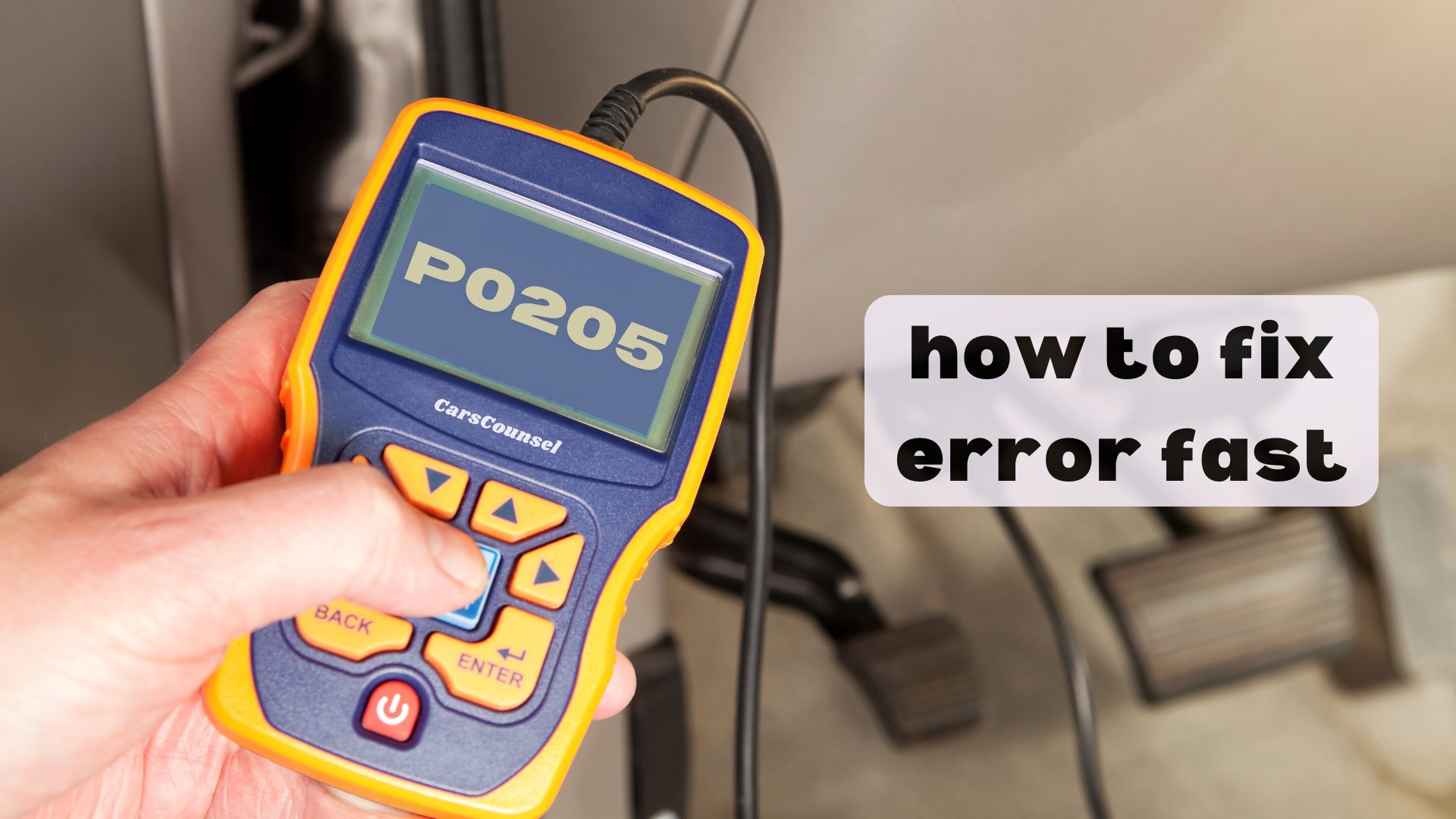
The P0205 code is a generic OBD-II diagnostic trouble code indicating a malfunction in the fuel injector circuit for cylinder 5. The powertrain control module has detected an unexpected voltage or resistance condition in this specific control circuit.
Because this code identifies an electrical circuit fault, it does not automatically prove the injector itself has failed. Testing the wiring, connectors, and injector coil is required to isolate the root cause before replacing any components.
Quick Navigation
Key Takeaways
- P0205 indicates an electrical fault in the control circuit for the cylinder 5 fuel injector.
- Possible causes include damaged wiring, corroded connectors, or an internally failed injector solenoid.
- Symptoms typically include a cylinder 5 misfire, rough idle, and an illuminated check engine light.
- Diagnosis requires verifying the circuit integrity and testing the injector before replacement.
P0205 Code Description and Implications
The P0205 code indicates that the powertrain control module has detected an electrical fault in the control circuit for the cylinder 5 fuel injector. The module monitors the voltage and resistance of this circuit to ensure proper operation.
When the control module commands the injector, it expects a specific voltage drop or feedback signal. If the circuit is open, shorted to ground, or shorted to voltage, the module cannot properly operate the injector.
This prevents cylinder 5 from receiving the correct amount of fuel, leading to a misfire. Unburned oxygen or raw fuel may enter the exhaust system, potentially damaging downstream emissions components over time.
Common Causes of the P0205 Code
Because P0205 identifies an electrical circuit condition, the root cause may involve the wiring, the connector, or the injector itself. Testing is required to isolate the exact fault.
Wiring and connector damage: The injector harness routes near hot engine components. Chafed insulation, broken wires, or corroded connector pins can interrupt the control signal or cause a short circuit.
Internal injector failure: The electromagnetic solenoid coil inside the fuel injector may develop an internal open or short, preventing it from actuating properly.
Control module issues: In rare instances, a failed driver circuit within the powertrain control module or a poor module ground can prevent the injector from receiving the proper command signal.
Symptoms Associated With P0205
Because cylinder 5 is not receiving the correct fuel delivery, you will likely experience noticeable drivability concerns. The severity depends on the engine configuration and the exact nature of the circuit fault.
A persistent misfire in cylinder 5 typically causes rough idling, hesitation during acceleration, and a general lack of engine power. The check engine light will illuminate, and a flashing light may indicate an active misfire.
If the injector is stuck open, you may notice a strong fuel odor and severely degraded fuel economy. An error code for a catalyst efficiency failure may eventually set if raw fuel damages the catalytic converter.
Diagnosing the P0205 Trouble Code
Accurate diagnosis begins by confirming the exact physical location of cylinder 5 for your specific engine layout. Retrieve freeze frame data and check for related misfire codes that confirm the affected cylinder.
Inspect the cylinder 5 injector wiring harness and connector for heat damage, corrosion, or loose pins. Repair any visible wiring damage before proceeding to electrical tests.
Use a digital multimeter to measure the resistance of the injector solenoid coil and compare it against the manufacturer’s specifications. Check the control circuit for continuity and verify there are no shorts to ground or voltage.
If the wiring and injector test correctly, use a noid light or an oscilloscope to verify that the powertrain control module is generating the proper command signal when the engine is cranking or running.
Repairing the P0205 Issue
Repairs must follow confirmed diagnostic testing. Do not replace the injector solely based on the presence of the code, as wiring faults are a known culprit.
If visual inspection reveals damaged wires or corroded pins, repair the harness or replace the connector pigtail. Ensure all repairs are properly sealed against moisture and heat.
If electrical testing confirms the injector solenoid has failed internally, replace the injector with a component meeting the exact vehicle specification. Clear the codes and perform a test drive to verify the misfire is resolved.
Cost Considerations for P0205 Repairs
Repair costs depend on the confirmed root cause, component accessibility, and local labor rates. Repairing a simple wiring break is generally less expensive than replacing a fuel injector.
If the injector is buried deep within the intake manifold, labor time will increase significantly. Always factor in the cost of proper diagnostic time to isolate the circuit fault before authorizing repairs.
Prevention Strategies for Future Occurrences
While electrical component degradation is a normal wear item, you can protect the wiring harness from premature failure. Ensure that the injector wires are properly secured away from hot exhaust manifolds and sharp brackets.
Keeping the engine bay reasonably clean helps prevent corrosive buildup on electrical connectors. Addressing minor oil or coolant leaks promptly prevents fluids from degrading the wire insulation over time.
Troubleshooting Tips and Best Practices
Always verify which cylinder is number 5 for your specific engine. Firing orders and cylinder numbering vary significantly between manufacturers and engine families. Testing the wrong cylinder will not resolve the issue.
Do not assume the injector is faulty without testing the circuit. A simple blown fuse or a damaged shared power supply wire can prevent multiple injectors from operating, though this usually sets multiple codes.
If the code returns immediately after clearing, re-evaluate the wiring harness for intermittent faults that only occur when the engine vibrates or reaches operating temperature.
More OBD-II Codes
| P0204 | P0203 | P0202 | P0201 |
| P0174 | P0173 | P0206 | P0220 |
| P0222 | P0223 | P0261 | P0262 |
| P0305 | P0300 | P0301 | P0302 |
| P0420 | P0430 | P0171 | P0172 |
| P0100 | P0101 | P0135 | P0136 |
Frequently Asked Questions
Can a bad spark plug cause a P0205 code?
No. P0205 specifically identifies an electrical fault in the fuel injector control circuit. While a bad spark plug causes a misfire, it will not trigger an injector circuit code.
Is it safe to drive with a P0205 code?
Driving is not recommended. An injector circuit fault causes a severe misfire and can dump raw fuel into the exhaust, potentially destroying the catalytic converter and causing severe engine damage.
Will replacing the injector always fix P0205?
Not always. P0205 indicates a circuit malfunction, which could be caused by damaged wiring, a corroded connector, or a failed control module driver. The circuit must be tested first.
How do I know which cylinder is number 5?
Cylinder numbering varies by engine family and manufacturer. Consult the factory service information or a reliable repair database for your specific vehicle to locate cylinder 5 accurately.
Can a blown fuse cause a P0205 code?
Yes, if the fuel injectors share a common power supply fuse and it blows, the injectors will lose voltage. However, this typically triggers multiple injector circuit codes simultaneously rather than just P0205.
What Should You Do About the P0205 Code?
Confirm the exact physical location of cylinder 5 and the wiring diagram for your specific vehicle application. Inspect the injector harness and connector for heat damage, corrosion, or physical wear.
Perform targeted electrical testing on the relevant system and components to isolate the fault. Repair the confirmed root cause, then verify the repair by clearing the codes and confirming the misfire is resolved.

